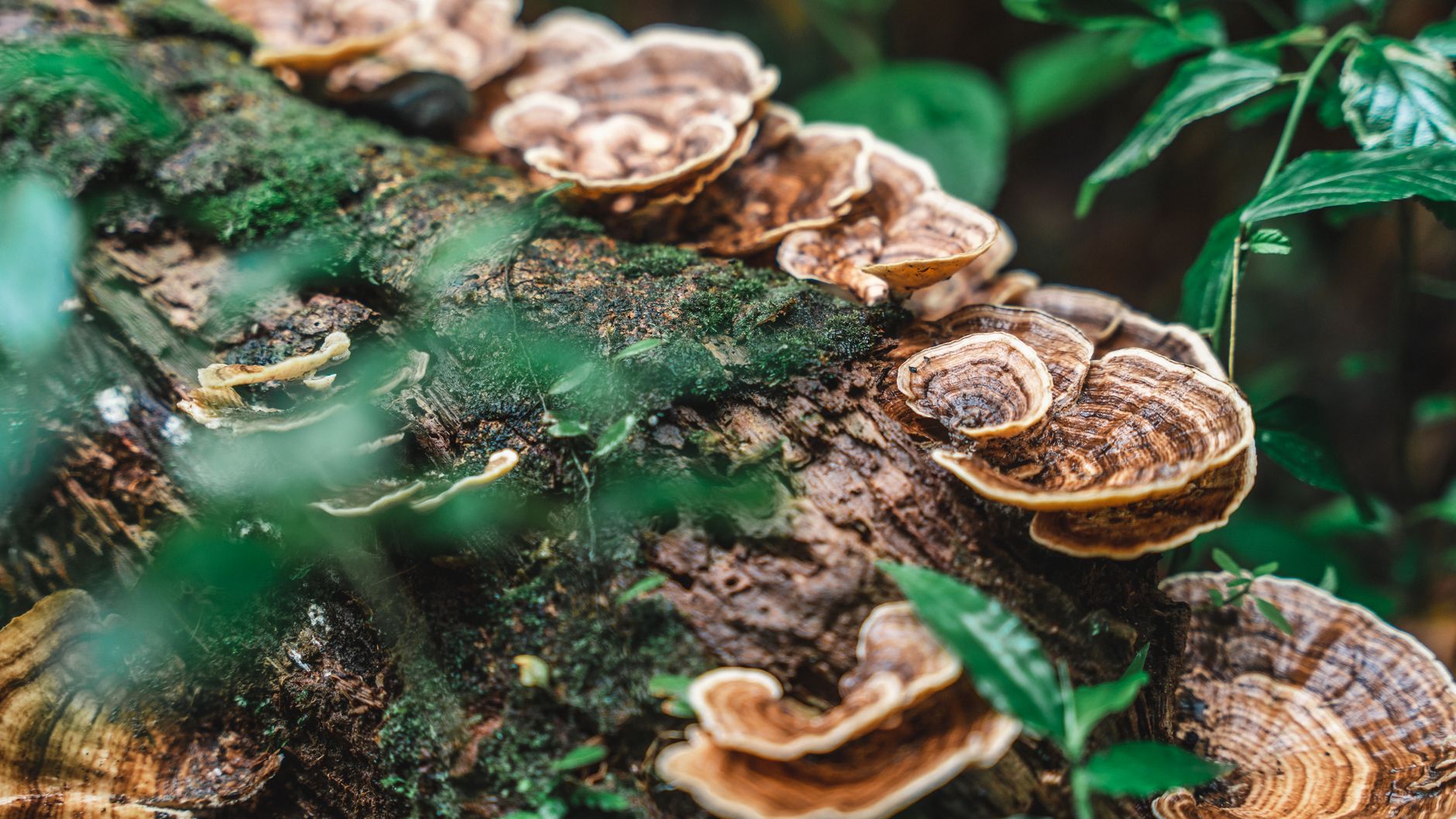
Reishi (Ganoderma lucidum) has been used in East Asian medicine for over two thousand years, celebrated as the “mushroom of longevity.” Modern researchers have taken a closer look at one of its most studied potential applications: protecting and supporting liver function. While much of the evidence remains preclinical, the findings are compelling enough to warrant serious attention from anyone interested in functional mushrooms.
What Makes Reishi Potentially Hepatoprotective?
Reishi contains two primary classes of bioactive compounds that researchers believe contribute to liver protection: polysaccharides (specifically beta-glucans) and triterpenoids (including ganoderic acids). These molecules appear to work through several overlapping pathways.
Polysaccharides from Ganoderma lucidum have demonstrated an ability to reduce oxidative stress in liver tissue. A 2024 study published in Nutrients found that reishi polysaccharides helped protect against acetaminophen-induced acute liver injury by inhibiting oxidative stress and inflammatory signaling in mouse models.[1] Acetaminophen overdose is one of the most common causes of acute liver failure in the West, making this line of research particularly relevant.
Triterpenoids have shown a separate but complementary set of effects. A 2024 study examining triterpenes from the antler-shaped fruiting body of Ganoderma lucidum identified compounds with direct hepatoprotective activities in cell and animal models.[2] These compounds appear to modulate inflammatory pathways that would otherwise accelerate liver cell damage.
Alcoholic Liver Injury: An Emerging Area of Study
Alcohol-related liver disease is a global health burden, and researchers have begun testing whether reishi extracts can play a supportive role. A 2024 study examined alcoholic extracts from a Ganoderma lucidum fermentation product and found that they helped alleviate ethanol-induced liver injury, reduced gut permeability (“leaky gut”), and modulated the gut microbiome in animal models.[3]
This gut-liver connection is significant. A compromised gut barrier allows bacterial endotoxins to enter the portal circulation and reach the liver, where they can trigger inflammation. The fact that reishi may address both liver injury and gut permeability simultaneously makes it an interesting candidate for future human trials. For a deeper look at how mushrooms interact with the gut, see our overview of mushrooms and the gut microbiome.
Carbon Tetrachloride Models: A Standard Toxicity Test
One of the most widely used models for testing liver-protective compounds involves carbon tetrachloride (CCl4), a toxic industrial chemical that reliably damages liver tissue and elevates liver enzymes in rodents. A 2023 study demonstrated that Ganoderma lucidum supplementation ameliorated CCl4-induced oxidative stress and hepatotoxicity in rats, reducing markers of liver injury and restoring antioxidant enzyme activity.[4]
While CCl4 models are not a perfect proxy for human liver disease, they are a standard benchmark, and reishi’s consistent performance across multiple animal models adds credibility to the mechanistic picture.
What About Human Clinical Evidence?
This is where the science is still catching up. Most of the liver-focused reishi research to date has been conducted in animal models or cell cultures. However, a 2025 randomized, double-blind, crossover study published in a peer-reviewed journal evaluated Ganoderma lucidum spore oil in humans, finding meaningful reductions in triglyceride levels, a metabolic marker closely tied to non-alcoholic fatty liver disease (NAFLD).[5]
Elevated triglycerides are a hallmark of metabolic dysfunction and early NAFLD. A supplement that meaningfully reduces them in a controlled human trial is worth noting, even if liver-specific clinical endpoints like ALT and AST were not the primary focus of that particular study.
Reishi and Polysaccharides as Liver Modulators
A comprehensive 2025 review in a peer-reviewed journal examined fungal polysaccharides broadly as modulators of molecular pathways in liver health.[6] Reishi was among the most prominently discussed fungi, with its polysaccharides noted for effects on inflammation, fibrosis prevention, and lipid metabolism. The review highlighted the need for more standardized human trials but confirmed that the mechanistic basis for reishi’s hepatoprotective effects is scientifically sound.
How Does This Fit Alongside Reishi’s Other Known Benefits?
Reishi’s potential liver benefits sit alongside a broader profile of studied effects. The same triterpenoids that may protect liver tissue are also linked to cardiovascular benefits, as we covered in our post on Reishi and blood pressure. The overlap is not coincidental: oxidative stress and systemic inflammation are central to both cardiovascular disease and liver disease, and reishi appears to address both through common molecular pathways.
Important Caveats
A few things are worth stating clearly before drawing conclusions:
- Most studies are preclinical. Animal models are useful for understanding mechanisms, but they do not guarantee the same effects in humans. Human liver disease is complex and multifactorial.
- Reishi is not a treatment. None of the research discussed here supports using reishi as a replacement for medical treatment of liver conditions such as hepatitis, cirrhosis, or NAFLD.
- Quality matters. Reishi supplement quality varies significantly between products. Whole fruiting body extracts standardized for both polysaccharides and triterpenes are generally considered more reliably active than mycelium-on-grain products.
- Drug interactions are possible. Because reishi may affect liver enzyme activity, there is theoretical potential for interactions with medications metabolized by the liver. Anyone taking prescription drugs should discuss supplementation with a healthcare provider.
The Bottom Line
The research on reishi and liver health is early but mechanistically coherent. Multiple animal studies show consistent hepatoprotective effects via oxidative stress reduction, anti-inflammatory activity, and lipid modulation. A 2025 human trial adds a meaningful data point around triglyceride reduction. Researchers are clearly interested in this application, and more clinical trials are expected in the coming years.
For anyone with specific concerns about liver health, the existing evidence is reason for curiosity but not yet a prescription. The science is moving in an interesting direction.
References
- [1] Ganoderma lucidum Polysaccharides Ameliorate Acetaminophen-Induced Acute Liver Injury by Inhibiting Oxidative Stress and Inflammation (2024). PubMed 38931214
- [2] Triterpenes from antler-shaped fruiting body of Ganoderma lucidum and their hepatoprotective activities (2024). PubMed 38763311
- [3] Alcoholic Extracts from Ganoderma Lucidum Fermentation Product Alleviated Ethanol-Induced Liver Injury and Gut Leakiness (2024). PubMed 39636452
- [4] Amelioration of CCl4-induced oxidative stress and hepatotoxicity by Ganoderma lucidum in long evans rats (2023). PubMed 37336915
- [5] Clinical Evaluation of Ganoderma lucidum Spore Oil for Triglyceride Reduction: A Randomized, Double-Blind, Crossover Study (2025). PubMed 40077714
- [6] Fungal Polysaccharides as Modulators of Molecular Pathways in Liver Health (2025). PubMed 41302443
This article is for informational purposes only and does not constitute medical advice. Always consult a qualified healthcare provider before starting any supplement.