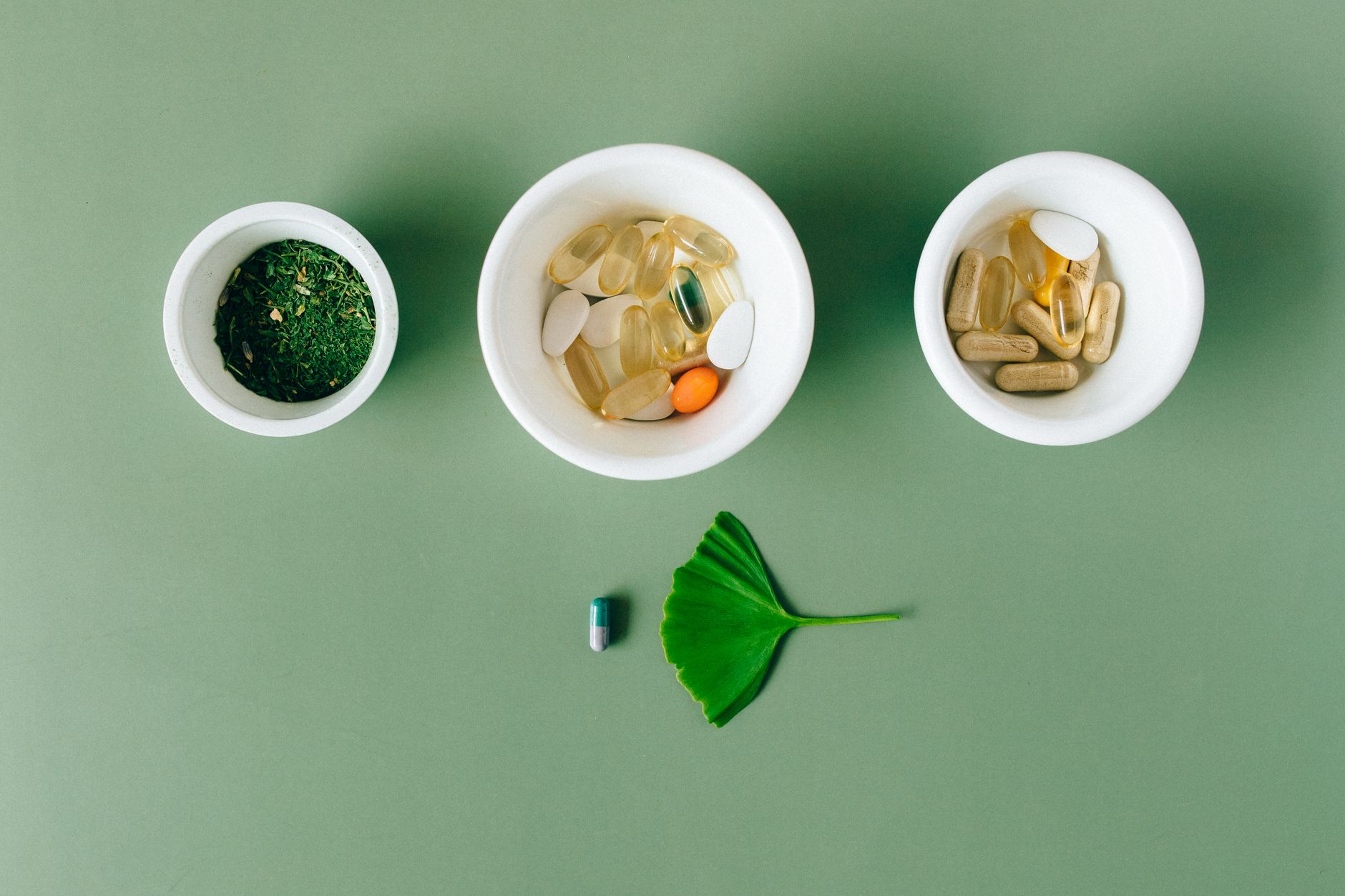
Functional mushrooms have attracted significant interest for their potential health-supporting properties. As a result, mushroom-based dietary supplements are now widely available and frequently taken alongside prescription medications. What many consumers may not realize is that certain mushroom extracts contain bioactive compounds that may interact with common pharmaceutical drugs. Before adding any mushroom supplement to a routine that includes prescription or over-the-counter medications, consulting a qualified healthcare provider is advisable.
This article outlines the key interaction categories that current research has identified, so that readers can approach these conversations with their doctors from a more informed position.
Antiplatelet and Anticoagulant Considerations
One of the most clinically relevant areas of concern involves blood-thinning medications. Research has demonstrated that extracts from several widely consumed mushroom species – including Ganoderma lucidum (reishi), Auricularia auricularia-judae (wood ear), Hericium erinaceus (lion’s mane), and Pleurotus eryngii (king oyster) – may exert measurable antiplatelet activity in vitro.
A 2019 study published in Nutrients screened hot water extracts of eight edible mushroom species for antiplatelet and anticoagulant activity, comparing them against acetylsalicylic acid (aspirin). The researchers found that extracts of A. auricularia-judae and P. eryngii showed inhibition of platelet aggregation that exceeded the effect of aspirin at 140 µmol/L in the ADP-induced aggregation test. The G. lucidum extract also demonstrated dual antiplatelet effects, though it was associated with cytotoxicity in platelets and leukocytes at the tested concentration.[1]
The practical implication is straightforward: individuals taking anticoagulant or antiplatelet medications – such as warfarin, clopidogrel, apixaban, or rivaroxaban – should exercise caution with mushroom supplements that may compound blood-thinning effects. This does not mean such combinations are necessarily unsafe in all contexts, but they warrant medical supervision and, where indicated, monitoring of relevant coagulation parameters.
Reishi and Liver Enzyme Considerations
Reishi (Ganoderma lucidum / G. lingzhi) is among the most studied functional mushrooms, and much of the research highlights its potential hepatoprotective properties. However, case reports suggest that the picture is more nuanced, particularly when reishi supplements are combined with other hepatotoxic substances or used in high amounts.
A 2023 case report in Cureus described a patient who developed acute liver injury after consuming reishi mushroom powder alongside alcohol. The patient presented with significant transaminitis (elevated liver enzymes), which resolved following conservative treatment. The authors noted that while reishi is often marketed for its liver-supporting properties, co-ingestion with alcohol or other substances that place metabolic demands on the liver may produce unexpected interactions.[2]
For individuals taking medications that are processed by the liver – including statins, certain antifungals, and some anticonvulsants – or those with pre-existing liver conditions, this context is worth discussing with a physician before beginning a reishi supplement regimen.
Chaga and Kidney Health
Chaga (Inonotus obliquus) is notable for its exceptionally high oxalate content. Studies have measured oxalate levels in chaga at roughly 14 grams per 100 grams of dried material – a concentration substantially higher than most foods. This biochemical reality has direct clinical relevance.
Two published case reports have documented oxalate nephropathy linked to regular chaga consumption. One, published in the Journal of Korean Medical Science (2020), described a patient who developed end-stage renal disease following long-term daily ingestion of chaga powder. Kidney biopsy findings were consistent with chronic tubulointerstitial nephritis with oxalate crystal deposits.[3] A subsequent 2022 case report in Medicine documented acute oxalate nephropathy presenting as nephrotic syndrome in a patient consuming 10-15 grams of chaga powder daily.[4]
These cases are particularly relevant for individuals with a history of kidney stones (especially calcium oxalate stones), chronic kidney disease, or those taking medications that affect renal function, such as certain NSAIDs, diuretics, or ACE inhibitors. The interaction here is not a direct drug-mushroom interaction in the pharmacological sense, but a compound physiological burden on the kidneys that clinicians should be aware of.
Immunomodulatory Mushrooms and Immunosuppressant Drugs
Many functional mushrooms – including turkey tail, maitake, and reishi – are studied for their immunomodulatory properties, particularly their ability to upregulate certain immune pathways via beta-glucans and polysaccharides. This is generally considered beneficial for healthy individuals. However, it raises a theoretical concern for those on immunosuppressant medications.
Patients who have received organ transplants rely on drugs such as tacrolimus, cyclosporine, or mycophenolate mofetil to prevent rejection. These medications work by suppressing the immune response, and any supplement that meaningfully modulates immune activity could, in theory, interfere with this balance. While direct clinical evidence for this interaction in humans is currently limited, most transplant specialists recommend that patients on immunosuppressants avoid taking immunomodulatory supplements without explicit medical guidance.
Individuals undergoing active chemotherapy or taking immunosuppressants for autoimmune conditions face a similar theoretical consideration, and the same principle of caution applies.
Blood Sugar Medications
Several functional mushrooms – maitake and reishi among them – have been studied for potential effects on blood glucose regulation. Research suggests that certain polysaccharide fractions may influence insulin sensitivity or glucose uptake pathways. For most people, this is a potential benefit. For individuals managing diabetes with insulin or oral hypoglycemic agents (such as metformin, sulfonylureas, or SGLT2 inhibitors), there is a theoretical risk of additive blood sugar-lowering effects.
While this interaction category has not been well-characterized in clinical trials, the mechanism is plausible enough that individuals on diabetes medications should monitor their blood glucose more closely if adding mushroom supplements to their routine, and discuss the practice with their prescribing physician.
A Framework for Informed Decision-Making
A few practical principles emerge from reviewing this evidence:
Disclose all supplements to your healthcare provider
Mushroom supplements are widely perceived as natural and therefore benign, but bioactive compounds do not become inactive simply because they originate from food sources. Accurate disclosure enables your physician or pharmacist to assess potential interactions.
Source and concentration matter
Supplement quality varies considerably. Understanding what a product actually contains – whether that is fruiting body extract, mycelium, standardized beta-glucan content, or whole mushroom powder – changes the risk profile. Our guide on how to read a mushroom supplement label covers this in detail.
Context is everything
The same mushroom extract that may benefit one person could present a meaningful risk to another, depending on their medication regimen, health conditions, and genetic factors affecting drug metabolism. This is not an argument against functional mushrooms; it is an argument for individualized guidance.
The evidence base for functional mushroom supplements continues to grow, and so does the understanding of where caution is warranted. Approaching these supplements with the same rigor applied to any other bioactive compound is a reasonable standard.
References
- Poniedziałek B, et al. The Effect of Mushroom Extracts on Human Platelet and Blood Coagulation: In vitro Screening of Eight Edible Species. Nutrients. 2019;11(12):3040. PMID: 31842490
- Guedikian R, et al. Ganoderma lingzhi (Reishi Mushroom)-Induced Acute Liver Injury in the Setting of Alcohol Use. Cureus. 2023;15(9):e45953. PMID: 37885515
- Lee S, et al. Development of End Stage Renal Disease after Long-Term Ingestion of Chaga Mushroom. J Korean Med Sci. 2020;35(19):e122. PMID: 32419395
- Kwon O, et al. Chaga mushroom-induced oxalate nephropathy that clinically manifested as nephrotic syndrome. Medicine (Baltimore). 2022;101(10):e28997. PMID: 35451393
Disclaimer: This article is intended for informational purposes only and does not constitute medical advice. The information presented here is not a substitute for professional medical guidance, diagnosis, or treatment. Always consult a qualified healthcare provider before beginning any new supplement, particularly if you are taking prescription medications or managing a health condition.