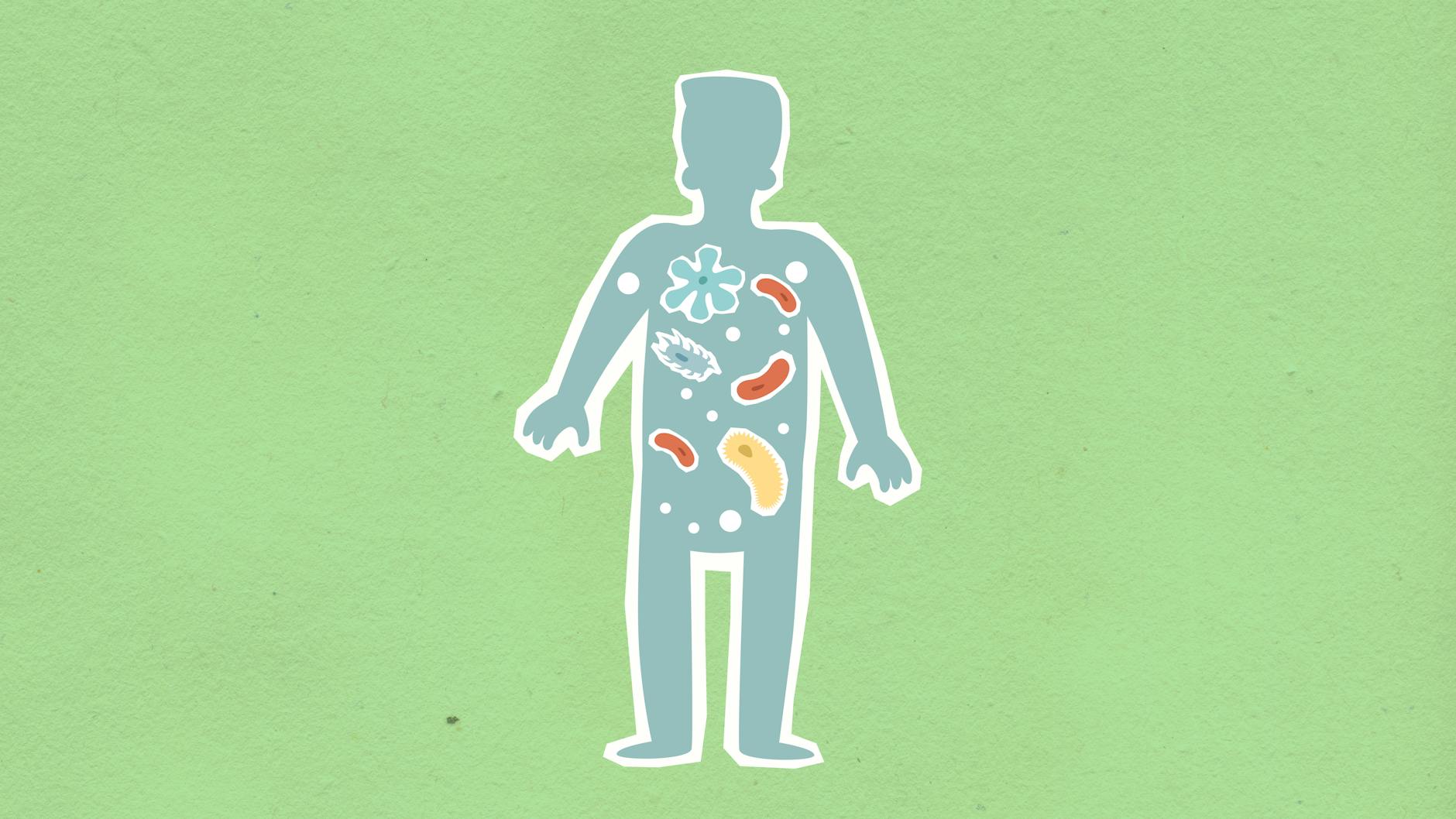
When most people think about gut health, they picture yogurt, kombucha, or a probiotic capsule. Functional mushrooms rarely come up in that conversation, but the science suggests they probably should. Research over the past decade has revealed that the polysaccharides found in edible and medicinal mushrooms act as powerful prebiotics: compounds that selectively nourish beneficial gut bacteria, helping to shape a healthier, more resilient microbiome.
What Makes Mushrooms Relevant to Gut Health?
The gut microbiome is the vast community of bacteria, fungi, and other microorganisms living in your digestive tract. A diverse, balanced microbiome is associated with better digestion, stronger immune function, lower systemic inflammation, and even improved mood. What those microbes eat directly influences how well they thrive.
Functional mushrooms are exceptionally rich in complex polysaccharides, particularly beta-glucans, which the human body cannot fully digest on its own. Instead of being absorbed in the small intestine, these fibers pass largely intact into the colon, where gut bacteria ferment them. That fermentation process produces short-chain fatty acids (SCFAs) like butyrate, propionate, and acetate, which are critical energy sources for colonocytes (the cells lining your colon) and have wide-ranging anti-inflammatory effects.
To understand exactly what beta-glucans are and why they are considered the most bioactive compounds in functional mushrooms, our overview of beta-glucans and their mechanisms is a useful starting point.
The Prebiotic Evidence: What Studies Show
A 2025 review published in the International Journal of Biological Macromolecules examined extraction methods, structural properties, and prebiotic potential of mushroom polysaccharides across multiple species. The authors concluded that polysaccharides from fungi consistently promoted the growth of beneficial genera including Lactobacillus, Bifidobacterium, and Akkermansia muciniphila, while reducing the relative abundance of potentially harmful bacteria.[1] Akkermansia in particular has attracted significant scientific attention for its role in maintaining the integrity of the gut lining.
A more recent 2026 study evaluated the microbiota effects of polysaccharides extracted from five different edible mushroom species under simulated gastrointestinal conditions. All five demonstrated meaningful prebiotic activity, increasing SCFA production and beneficially shifting microbial composition during in vitro fermentation. The results reinforced the idea that this prebiotic effect is not limited to one or two “special” species but appears to be a broadly shared property of edible fungi.[2]
Shiitake: A Well-Studied Gut Ally
Shiitake (Lentinula edodes) is one of the most extensively researched mushrooms in the context of gut health. Its primary polysaccharide, lentinan, along with high-molecular-weight beta-glucans, has been the subject of several fermentation studies.
A 2024 study simulated human digestion and colonic fermentation of a high-molecular-weight polysaccharide fraction from shiitake. The researchers found robust fermentation by gut microbiota, substantial SCFA production, and a notable increase in Bifidobacterium and Faecalibacterium prausnitzii populations. F. prausnitzii is widely regarded as an anti-inflammatory commensal organism whose abundance is often depleted in inflammatory bowel conditions.[3]
Lion’s Mane and Gut Inflammation
Beyond its well-known effects on cognitive function, Hericium erinaceus (Lion’s Mane) shows real promise for the gut. A 2026 study tested a beta-glucan-rich hot-water extract of Lion’s Mane in a model of acute colitis. The extract reduced key inflammatory markers, including TNF-alpha and IL-6, while improving gut barrier integrity. The researchers attributed these benefits partly to the modulation of the gut microbiome and partly to the direct anti-inflammatory properties of the beta-glucans.[4]
This dual action, prebiotic support plus direct anti-inflammatory activity, makes Lion’s Mane a particularly interesting candidate for those with gut inflammation concerns, though clinical trials in humans are still ongoing.
Turkey Tail: The Prebiotic Workhorse
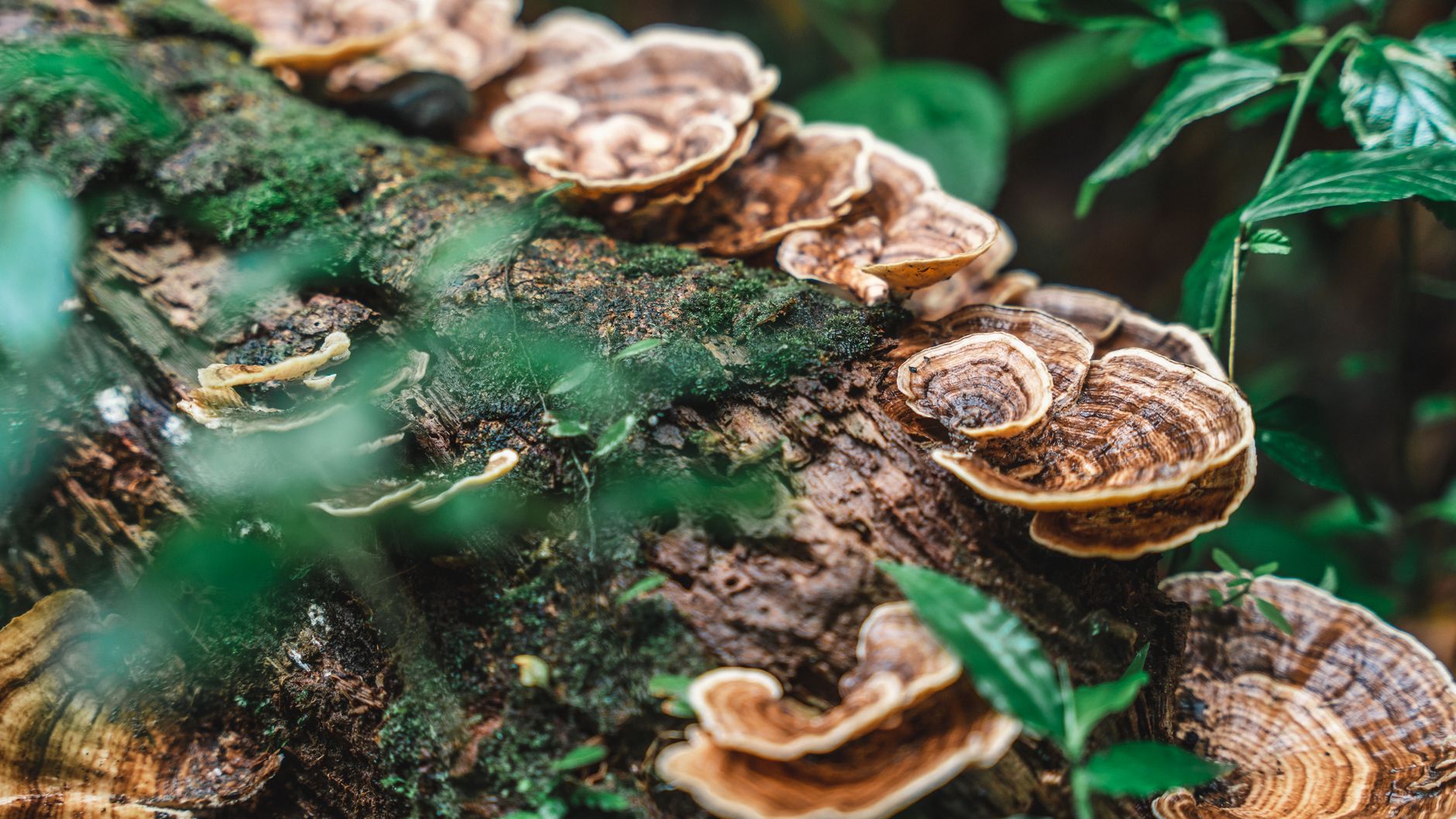
Turkey Tail (Trametes versicolor) deserves special mention. It is one of the most concentrated natural sources of polysaccharide-K (PSK) and polysaccharide-peptide (PSP), two compounds studied not only for immune support but also for gut microbiome modulation. Research in oncology settings has repeatedly shown that Turkey Tail consumption shifts the gut microbiome toward more favorable configurations, a finding that has expanded scientific interest in its prebiotic potential beyond the cancer context.
Chaga and Reishi: Supporting Evidence
Chaga (Inonotus obliquus) and Reishi (Ganoderma lucidum) both contain beta-glucans and other polysaccharides shown to influence gut bacteria in preclinical models. Reishi polysaccharides, in particular, have been associated with increases in Bacteroides and reductions in Firmicutes, a shift that some researchers associate with better metabolic and immune outcomes. While the human evidence here is thinner than for shiitake or Turkey Tail, the mechanistic case is biologically plausible and consistent across species.
Key Factors That Affect Prebiotic Activity
Not all mushroom supplements will deliver the same gut benefits. Several variables matter:
Extraction Method
Hot-water extraction preserves beta-glucans and polysaccharides well. Alcohol (ethanol) extraction favors triterpenoids and other compounds, but destroys much of the prebiotic fiber. A full-spectrum or dual-extract product will offer the broadest profile.
Fruiting Body vs Mycelium
Fruiting body products typically contain higher concentrations of the bioactive polysaccharides responsible for prebiotic activity. Mycelium-on-grain products often contain significant starch from the grain substrate, which dilutes the active fiber content. Check for beta-glucan percentage on the label or certificate of analysis.
Molecular Weight
The molecular weight of polysaccharides influences which bacterial populations respond to them. Emerging research suggests that different molecular weight fractions may selectively promote different beneficial species, meaning that a diverse mushroom stack may offer broader microbiome benefits than any single species alone.
Practical Takeaways
The gut microbiome research on functional mushrooms is still maturing; most of the strongest evidence comes from in vitro fermentation studies and animal models, with a smaller but growing body of human data. That said, the mechanistic picture is clear and consistent: mushroom polysaccharides are fermentable by human gut bacteria, they increase SCFA production, they preferentially feed beneficial species, and in some models they reduce gut inflammation.
For anyone already interested in mushroom supplementation for cognitive, immune, or energy benefits, the prebiotic effect on the gut is a meaningful secondary benefit to keep in mind. It is also a compelling reason to maintain consistency: the microbiome responds to sustained dietary inputs, not single doses.
References
- [1] Guo D, et al. Advanced insights into mushroom polysaccharides: Extraction methods, structure-activity, prebiotic properties, and health-promoting effects. Int J Biol Macromol. 2025. PMID 40132710
- [2] Xu C, et al. Physicochemical, structural, digestive stability, and microbiota effects of five edible mushroom polysaccharides. Int J Biol Macromol. 2026. PMID 42019840
- [3] Li JH, et al. Simulated human digestion and fermentation of a high-molecular weight polysaccharide from Lentinula edodes mushroom. Carbohydr. Polym. 2024. PMID 39174101
- [4] Yu H, et al. Beta-glucan-rich Hericium erinaceus hot-water extract ameliorates acute colitis by suppressing inflammation. Int J Biol Macromol. 2026. PMID 41819322
This article is for informational purposes only and does not constitute medical advice. Always consult a qualified healthcare provider before starting any supplement.