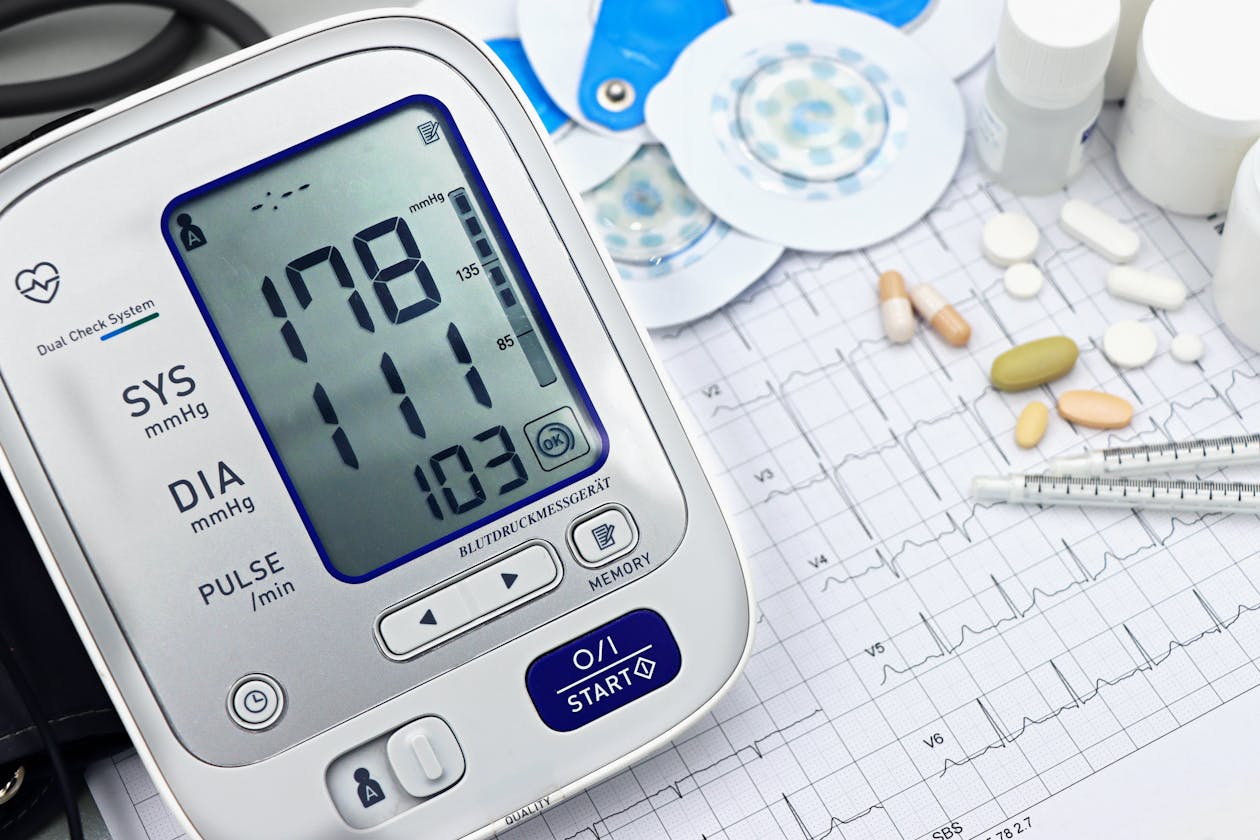
High blood pressure affects nearly half of American adults, yet many are searching for complementary, evidence-based approaches to support cardiovascular wellness. Reishi mushroom (Ganoderma lucidum) has attracted growing scientific interest in this area. While no supplement replaces proven lifestyle changes or prescribed medication, the research on reishi and blood pressure offers some genuinely interesting findings worth unpacking.
What Is Reishi and Why Might It Affect Blood Pressure?
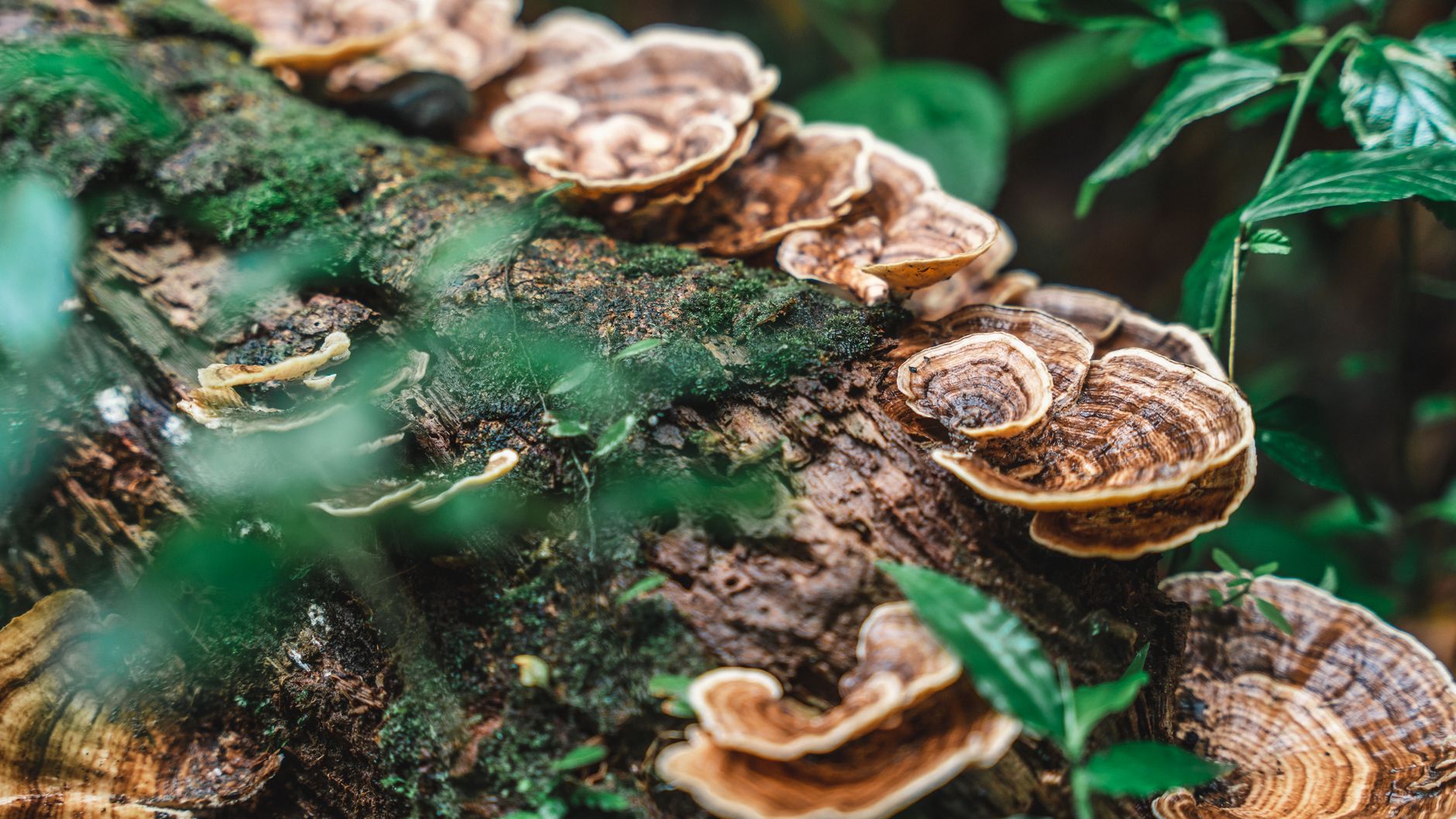
Reishi is a woody, shelf-like fungus used for centuries in East Asian traditional medicine. Modern researchers have isolated several bioactive compounds that may influence cardiovascular function:
- Triterpenes (ganoderic acids): These bitter compounds have demonstrated ACE-inhibiting properties in laboratory settings, meaning they may interfere with the angiotensin-converting enzyme pathway that raises blood pressure.
- Beta-glucans: Polysaccharides with well-documented effects on immune modulation and, to a lesser degree, lipid metabolism.
- Adenosine: A nucleoside found in reishi that has vasodilatory effects and may inhibit platelet aggregation.
- Sterols: Plant-derived compounds that share structural similarities with cholesterol and may influence its metabolism.
These compounds work through multiple overlapping mechanisms rather than a single pathway, which makes reishi pharmacologically complex but also potentially valuable as a multi-target cardiovascular support agent.
What the Human Research Actually Shows
The most cited human intervention trial was published in 2012 in the British Journal of Nutrition. Researchers examined the cardiometabolic effects of Ganoderma lucidum extract in a cross-over controlled study of 23 evaluable subjects with borderline elevations in blood pressure and/or cholesterol. The study found no significant changes in blood pressure, but observed improvements in insulin resistance and triglyceride levels in the Lingzhi group compared to placebo, suggesting modest cardiometabolic benefit, particularly in glycemic and lipid markers.[1]
A more comprehensive review published in the Cochrane Database of Systematic Reviews (2015) synthesized the available randomized controlled trial data on Ganoderma lucidum for cardiovascular risk factors. The authors concluded that while reishi showed some beneficial trends in cholesterol and blood pressure parameters, the quality and size of existing trials limited firm conclusions. They called for larger, more rigorously designed studies before clinical recommendations could be made.[2]
Animal and Mechanistic Evidence
Preclinical data provides a more granular picture of how reishi may exert hypotensive effects. A 2018 study in Phytomedicine investigated the hypotensive and neurometabolic effects of intragastric Ganoderma lucidum administration in hypertensive rat models. Animals receiving reishi showed statistically significant reductions in systolic blood pressure compared to controls, alongside shifts in neurometabolic markers associated with stress response and autonomic regulation.[3] While animal models do not translate directly to human outcomes, the mechanisms identified offer plausible pathways for the effects observed in human trials.
A 2019 review chapter focused on the protective effects of Ganoderma on the cardiovascular system summarized the cumulative mechanistic evidence: ganoderic acids inhibit ACE activity, beta-glucans modulate inflammation associated with arterial stiffness, and adenosine components support vasodilation and reduced platelet clumping.[4] Together, these actions suggest a plausible, multi-pathway cardiovascular benefit rather than a single isolated effect.
Reishi as Part of a Broader Cardiovascular Strategy
One of the more nuanced aspects of the reishi research is that its cardiovascular effects rarely appear in isolation. In many studies, blood pressure improvements coincide with reductions in LDL cholesterol, inflammatory markers like CRP, and oxidative stress. This makes reishi less of a targeted antihypertensive and more of a broad-spectrum cardiovascular support agent.
This also means reishi is likely most useful as part of a comprehensive approach: alongside a heart-healthy diet, regular aerobic exercise, stress reduction, and, when appropriate, physician-prescribed medications. The evidence does not support using reishi as a standalone replacement for conventional hypertension treatment.
Reishi is also one of the more deeply studied mushrooms for immune health; if you are exploring its broader health applications, our overview of Reishi for Immune Support covers that evidence in detail.
Extraction Method and Bioavailability Matter
Not all reishi supplements are created equal. The triterpenes responsible for much of the cardiovascular interest are fat-soluble compounds that require a dual-extraction process (typically hot water followed by alcohol extraction) to be properly concentrated in a supplement. A product that uses only hot water extraction will be richer in beta-glucans but may contain minimal ganoderic acids.
When evaluating a reishi supplement for cardiovascular support, look for:
- A dual-extraction product specifying both polysaccharide and triterpene content
- A certificate of analysis (COA) from a third-party lab
- Fruiting body or clearly specified extract source rather than mycelium-on-grain
What About Interactions With Blood Pressure Medications?
This is an important caution: because reishi may have mild blood pressure-lowering effects through ACE inhibition and vasodilation, anyone taking antihypertensive medications should consult their physician before adding a reishi supplement. The combination could theoretically cause additive hypotensive effects, particularly with ACE inhibitors or calcium channel blockers. This is not a contraindication but a genuine reason to involve your healthcare provider in the decision.
The Bottom Line
The research on reishi and blood pressure is genuinely promising, but still developing. Human trials show modest positive trends in cardiovascular risk markers; animal models point to credible mechanistic pathways including ACE inhibition, vasodilation, and anti-inflammatory action. The 2015 Cochrane review remains the most rigorous synthesis of the data and appropriately calls for more robust clinical trials before firm recommendations can be made.
What the evidence does support is this: reishi appears to be a safe, multi-mechanism supplement with meaningful cardiovascular interest, particularly when used as part of a broader lifestyle approach and when properly extracted for bioactive compound content. For anyone with hypertension or cardiovascular concerns, this is a conversation worth having with a qualified healthcare provider.
References
- [1] Chu TT, et al. Study of potential cardioprotective effects of Ganoderma lucidum (Lingzhi): results of a controlled human intervention trial. Br J Nutr. 2012. PMID 21801467
- [2] Klupp NL, et al. Ganoderma lucidum mushroom for the treatment of cardiovascular risk factors. Cochrane Database Syst Rev. 2015. PMID 25686270
- [3] Shevelev OB, et al. Hypotensive and neurometabolic effects of intragastric Reishi (Ganoderma lucidum) administration in hypertensive ISIAH rats. Phytomedicine. 2018. PMID 29519314
- [4] Batra P, Sharma AK. Protective Effect of Ganoderma (Lingzhi) on Cardiovascular System. In: Advances in Experimental Medicine and Biology. 2019. PMID 31777019
This article is for informational purposes only and does not constitute medical advice. Always consult a qualified healthcare provider before starting any supplement.