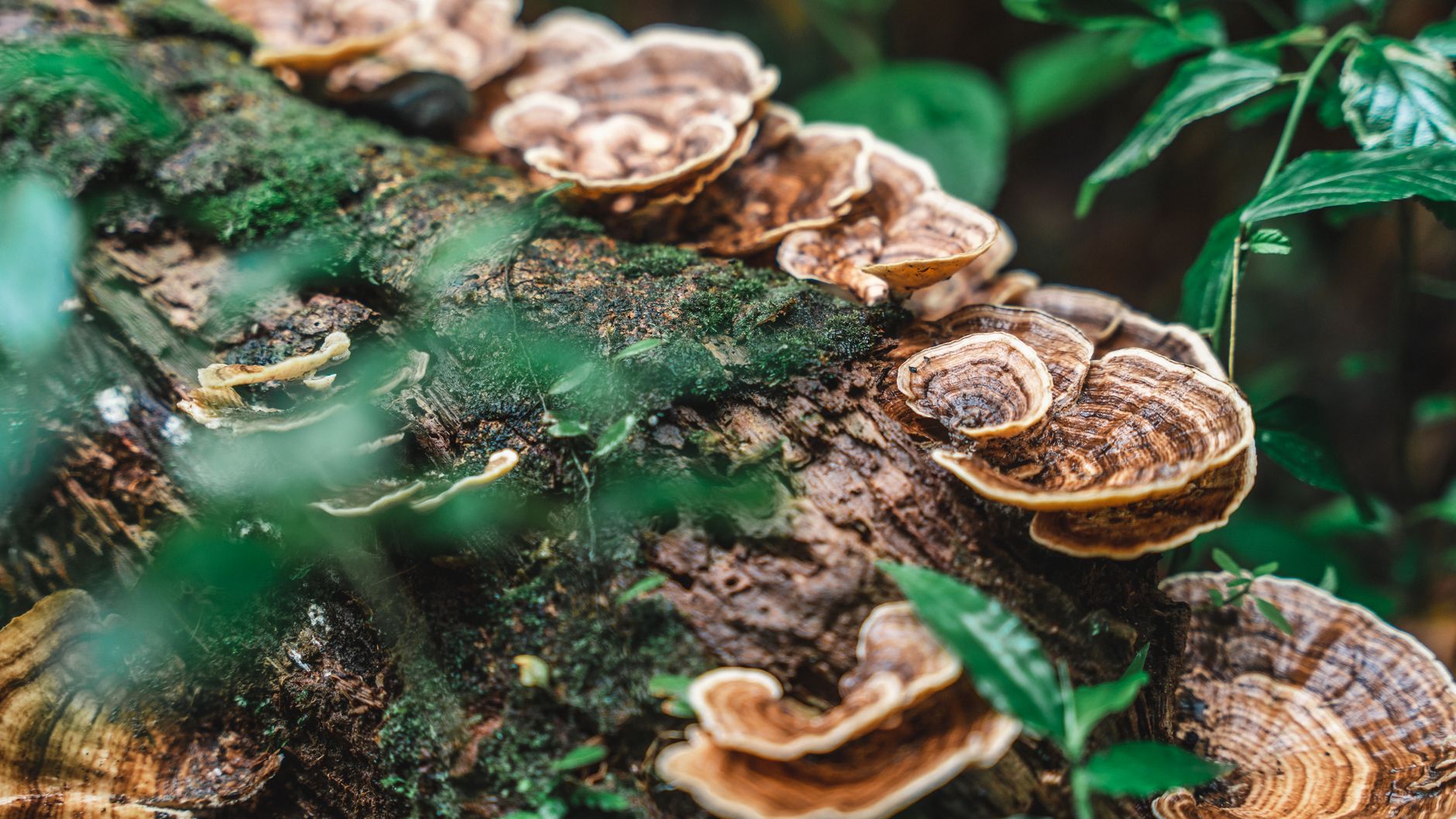
Turkey tail mushroom (Trametes versicolor, also called Coriolus versicolor) has attracted serious scientific attention in recent years, particularly for its immune-modulating properties. One of the more unexpected areas of inquiry: its potential role in supporting the body’s response to human papillomavirus (HPV). This article reviews the clinical evidence to date, explains what the research does and does not show, and helps you understand where turkey tail might fit in a broader conversation about HPV management.
What Is HPV and Why Does It Matter?
Human papillomavirus is the most common sexually transmitted infection worldwide. Most HPV infections clear on their own without causing symptoms; however, certain high-risk strains are responsible for the majority of cervical cancers, as well as cancers of the oropharynx, anus, penis, vulva, and vagina. Current interventions include vaccination (which is prophylactic, not therapeutic), routine screening via Pap smear and HPV testing, and watchful waiting for low-grade lesions that often resolve spontaneously.
The immune system plays a central role in whether an HPV infection clears or persists. This is precisely where researchers have turned their attention to immunomodulatory compounds, including polysaccharopeptide (PSP) and polysaccharide-K (PSK) derived from turkey tail mushroom.
The Active Compounds: PSP and PSK
Turkey tail is best known for two bioactive compounds: PSP and PSK (also marketed as Krestin in Japan). Both are protein-bound polysaccharides with well-documented immunostimulatory effects. They appear to activate natural killer (NK) cells, macrophages, and dendritic cells, while also upregulating cytokine production pathways that support antiviral defense.
The hypothesis underlying turkey tail’s potential application to HPV is straightforward: if the immune system is better equipped to recognize and clear abnormal cells, it may be more effective at resolving persistent HPV infections and associated cervical lesions. Several clinical studies have now tested this idea directly.
Clinical Evidence: What the Studies Show
Vaginal Gel Formulations and Cervical HPV
A significant body of work has investigated Coriolus versicolor-based topical preparations, particularly vaginal gels, for women with HPV-related cervical changes. In the PALOMA study, a prospective clinical trial published in 2021, researchers evaluated a Coriolus versicolor-based vaginal gel in women with HPV-dependent cervical lesions. The study found that participants using the gel showed meaningful rates of HPV clearance and regression of low-grade cervical changes compared to baseline, with a favorable safety profile.[1]
A separate retrospective observational study, also published in 2021, examined women with high-risk HPV cervical infections who used a Coriolus versicolor-based vaginal gel. Researchers found that a notable proportion of participants demonstrated HPV clearance or lesion regression over the observation period, suggesting the gel may support the body’s immune-mediated response to persistent infection.[2]
More recently, a 2026 narrative review synthesized the growing body of clinical evidence on Coriolus versicolor-based vaginal gel formulations, concluding that evidence supports a potential role for these preparations as adjunctive management options in HPV-related cervical disease, though the authors noted the need for larger randomized controlled trials.[3]
Oral HPV and Medicinal Mushrooms
A preliminary clinical trial published in 2014 examined the effect of both Trametes versicolor and Ganoderma lucidum (reishi) on oral HPV infection. The researchers reported that subjects receiving the mushroom preparations showed reductions in oral HPV detection compared to controls, offering early-stage evidence that immune-modulating mushrooms might influence HPV viral load in mucosal tissues beyond the cervix.[4]
While this study was small and preliminary, it broadened the research conversation from cervical to oral HPV, a growing concern given the rise of HPV-associated oropharyngeal cancers.
Important Caveats: What the Research Cannot Yet Confirm
Before drawing firm conclusions, several limitations of the current evidence deserve emphasis:
- Study size: Most trials to date have been relatively small, and some lack randomized controlled design. Larger, blinded, placebo-controlled trials are needed before any definitive clinical guidance can be issued.
- Mechanism not fully established: While the immunostimulatory properties of PSP and PSK are well-documented in vitro and in animal models, the precise mechanism by which turkey tail influences HPV clearance in humans remains under investigation.
- Not a replacement for standard care: Turkey tail should not be considered a substitute for HPV vaccination, regular cervical screening, or medical follow-up of cervical lesions. These remain the standard of care.
- Formulation matters: The clinical studies discussed here primarily used standardized topical formulations or well-characterized oral extracts. The potency and composition of consumer mushroom supplements varies widely; for more on evaluating quality, see our guide to Turkey Tail and Cancer Support research.
Turkey Tail’s Broader Immune Profile
Understanding the HPV research is easier in the context of turkey tail’s broader immunological profile. The mushroom has arguably the strongest clinical immune-support evidence of any functional fungus, particularly in oncology: PSK has been an approved adjuvant cancer therapy in Japan for decades, and multiple meta-analyses have evaluated its role alongside conventional treatments for colorectal and gastric cancers.
The PSP and PSK compounds appear to function as biological response modifiers, meaning they don’t simply stimulate the immune system indiscriminately, but appear to help calibrate and direct immune responses. This nuanced activity may explain why they are of interest in viral clearance scenarios, where an overzealous immune response can cause its own problems.
Who Might Consider Turkey Tail Supplements?
Based on the existing evidence, turkey tail is most likely to be of interest as a complementary consideration (not a replacement for medical care) for individuals who:
- Have been diagnosed with a low-grade HPV-related cervical change and are under watchful waiting protocols
- Are interested in general immune support from a well-researched functional mushroom
- Are already receiving conventional treatment and want to explore adjunctive options with their healthcare provider
Anyone with an active HPV diagnosis or abnormal cervical findings should work closely with their gynecologist or primary care provider. Supplement decisions, including turkey tail, should be made in consultation with a qualified clinician who understands your full health picture.
References
- [1] Serrano L, et al. Efficacy of a Coriolus versicolor-Based Vaginal Gel in Women With Human Papillomavirus-Dependent Cervical Lesions: The PALOMA Study. PubMed 33746195 (2021)
- [2] Criscuolo AA, et al. Therapeutic Efficacy of a Coriolus versicolor-Based Vaginal Gel in Women with Cervical Uterine High-Risk HPV Infection: A Retrospective Observational Study. PubMed 33367986 (2021)
- [3] Sánchez Díaz E, et al. Clinical evidence on a Coriolus versicolor-based vaginal gel for HPV-related cervical disease: a narrative review. PubMed 41797457 (2026)
- [4] Donatini B. Control of oral human papillomavirus (HPV) by medicinal mushrooms, Trametes versicolor and Ganoderma lucidum: a preliminary clinical trial. PubMed 25271984 (2014)
This article is for informational purposes only and does not constitute medical advice. Always consult a qualified healthcare provider before starting any supplement.