
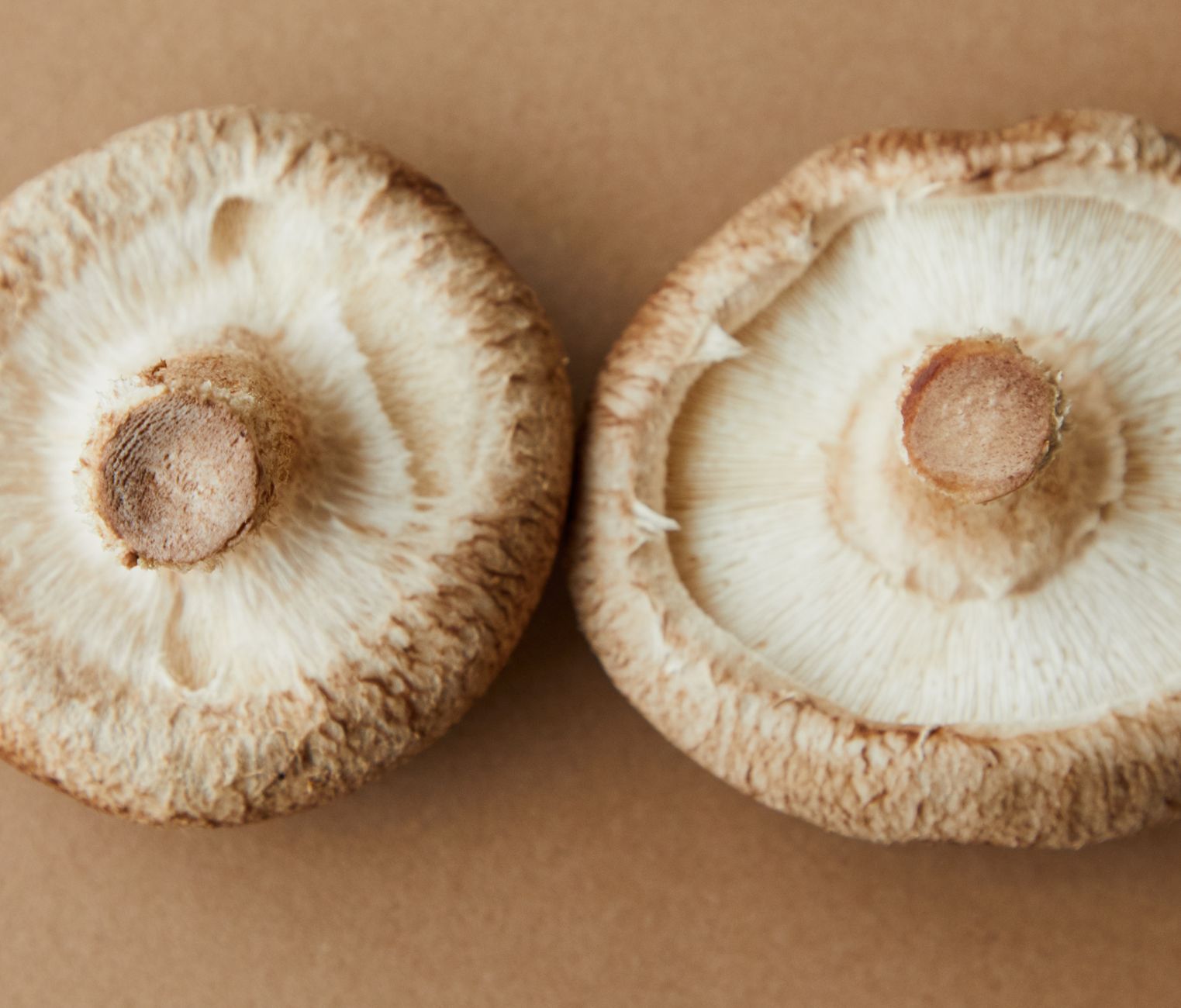
Lentinula edodes, known throughout the world as the shiitake mushroom, ranks among the most commercially cultivated fungi on earth. Its deep, savory flavor has made it a staple in East Asian cuisine for centuries, but its reputation extends well beyond the kitchen. Traditional practitioners across Japan, China, and Korea long attributed medicinal properties to shiitake, and modern researchers have been systematically evaluating these claims. What the evidence shows is a profile that, while not without limitations, is substantive enough to merit careful attention.
What Makes Shiitake Biologically Interesting
The primary bioactive compounds in shiitake are its polysaccharides, particularly lentinan, a beta-1,3/1,6-glucan extracted from the fruiting body and mycelium of Lentinula edodes. Beta-glucans are a class of soluble dietary fibers that interact with pattern recognition receptors on immune cells, primarily through dectin-1 binding, triggering downstream immune activation. Lentinan has been studied more extensively than almost any other mushroom-derived beta-glucan, and it holds a formal drug status in Japan, where it has been used as an adjunct in cancer treatment protocols since the 1980s.
Beyond lentinan, shiitake contains eritadenine, a purine compound with potential effects on cholesterol metabolism; ergothioneine, a sulfur-containing amino acid with antioxidant properties; ergosterol, a vitamin D precursor; and various phenolic compounds. Together these constituents create a bioactive profile that spans immune function, cardiovascular health, and antioxidant defense.
Lentinan and Immune Modulation
A double-blind, crossover, placebo-controlled trial conducted in Norway investigated the effect of an orally administered beta-glucan extract from Lentinus edodes mycelium (Lentinex) in healthy elderly subjects. Forty-two participants were randomized to receive either the extract or placebo for six weeks, with a washout period before crossing over. The trial found that supplementation was associated with a statistically significant increase in circulating B-cell counts compared to placebo. Natural killer cell counts increased in both groups, though the between-group difference was not statistically significant. Safety parameters including liver and kidney function remained unaffected. The authors concluded that oral shiitake beta-glucan was safe and produced measurable immunological changes in this population.[1]
Laboratory research has explored more granular immune mechanisms. A study examining a selenium-enriched polysaccharide fraction from L. edodes mycelium on human peripheral blood mononuclear cells found that the fraction demonstrated selective immunomodulatory effects, including inhibition of T-cell proliferation and reduction of TNF-alpha production. The authors noted this profile as atypical for mushroom-derived polysaccharides, which are more commonly associated with immune stimulation, and suggested this specificity may have relevance in contexts requiring immune regulation rather than activation.[2] Taken together, these findings suggest lentinan may exert context-dependent immune effects rather than blanket stimulation.
Cardiovascular Bioactive Compounds
Shiitake contains several compounds with putative cardiovascular relevance. Eritadenine, sometimes called lentinacin, has attracted attention for its potential to interfere with cholesterol biosynthesis. Research examining sequential extractions from Lentinula edodes fruiting bodies identified fractions containing eritadenine, ergosterol, beta-glucans, and phenolic compounds with measurable inhibitory activity against HMG-CoA reductase, the enzyme targeted by statin medications, and against angiotensin-converting enzyme (ACE), relevant to blood pressure regulation. The water-soluble fractions also demonstrated antioxidant activity in ABTS and DPPH radical scavenging assays.[3]
These findings are biochemical rather than clinical. A randomized, controlled, double-blind clinical trial involving 52 hypercholesterolemic adults tested a beta-glucan-enriched extract from shiitake mushrooms over eight weeks. While the extract did not produce statistically significant changes in total cholesterol or other lipid parameters compared to placebo, it was safe and well-tolerated. Notably, the intervention produced differential modulation of the gut microbiota compared to placebo, with several microbial genera showing positive or negative correlations with cholesterol metabolism biomarkers. The authors interpreted these findings as suggesting a possible relationship between the extract, gut microbiota composition, and cholesterol metabolism that requires further investigation.[4]
This trial illustrates an important point about translating preclinical bioactivity data to clinical outcomes: enzyme inhibition demonstrated in laboratory settings does not reliably predict the same effects following oral consumption, digestion, and metabolism in free-living humans.
Nutritional Profile and Broader Contributions
Shiitake is nutritionally significant as a food independent of its bioactive compounds. It is a source of B vitamins including riboflavin, niacin, and pantothenic acid, along with minerals including copper, selenium, zinc, and potassium. Its protein content is relatively high for a fungus, and it provides dietary fiber including beta-glucans and chitin. When exposed to ultraviolet light, shiitake accumulates meaningful amounts of vitamin D2 via ergosterol conversion, a property shared with other edible mushrooms.
Ergothioneine, present in meaningful concentrations in shiitake, has been identified as a potentially important dietary antioxidant. Humans lack the enzymatic capacity to synthesize ergothioneine independently and must obtain it from dietary sources, of which fungi are the primary whole-food contributor. Research on ergothioneine is early-stage but has generated interest regarding its potential cytoprotective properties in tissues exposed to oxidative stress.
Safety Considerations
Shiitake is generally well-tolerated when consumed as a food. Supplement forms using concentrated extracts have similarly shown favorable safety profiles in clinical testing. One notable adverse reaction associated specifically with raw or undercooked shiitake consumption is flagellate dermatitis, a skin condition characterized by linear, whip-like eruptions. This reaction has been attributed to lentinan and occurs primarily with inadequately cooked mushroom. The reaction does not appear to occur with properly cooked shiitake or with standardized oral extracts. A safety assessment examining two Lentinula edodes strains in both in vitro cell models and animal toxicology studies found no observable adverse effects at tested doses, supporting the general safety profile for supplement use.[5]
Individuals taking immunosuppressant medications should exercise caution and consult a healthcare provider before using shiitake extracts, given the compound’s immunomodulatory properties.
Shiitake in the Context of Functional Mushroom Research
Shiitake occupies a distinctive position in the functional mushroom landscape because it is simultaneously one of the most widely consumed culinary mushrooms and one of the most extensively studied medicinal fungi. Its research history is substantial, though much of the strongest pharmacological evidence comes from studies using isolated, injectable lentinan rather than oral whole mushroom or extract forms. The oral bioavailability of lentinan and its downstream effects in the human gut represent areas where evidence is still accumulating.
For those interested in how shiitake compares to other immune-supportive fungi, our overview of Maitake mushroom and what research says about blood sugar and immunity covers another well-studied species with overlapping and distinct mechanistic profiles.
Summary
Shiitake mushroom contains a range of bioactive compounds, of which lentinan, eritadenine, and ergothioneine are the most studied. Clinical research suggests that oral shiitake beta-glucan may support certain aspects of immune function, including B-cell activity, in healthy older adults. Cardiovascular bioactives including eritadenine show enzyme-inhibitory activity in laboratory settings, though clinical trials have not yet confirmed significant lipid-lowering effects in humans. The gut microbiota modulating properties of shiitake beta-glucan represent an area of growing research interest. Shiitake is nutritionally rich and generally safe, with the notable exception of flagellate dermatitis associated with raw consumption. As with all functional mushroom research, the evidence base continues to develop, and most therapeutic applications require further human clinical validation.
References
- [1] Gaullier JM, et al. Supplementation with a soluble beta-glucan exported from Shiitake medicinal mushroom, Lentinus edodes (Berk.) singer mycelium: a crossover, placebo-controlled study in healthy elderly. Int J Med Mushrooms. 2011;13(4):319-26. PMID: 22164761
- [2] Kaleta B, et al. Selective Biological Effects of Selenium-Enriched Polysaccharide (Se-Le-30) Isolated from Lentinula edodes Mycelium on Human Immune Cells. Biomolecules. 2021;11(12):1777. PMID: 34944419
- [3] Morales D, et al. Extraction of bioactive compounds against cardiovascular diseases from Lentinula edodes using a sequential extraction method. Biotechnol Prog. 2018;34(3):746-755. PMID: 29388355
- [4] Morales D, et al. Modulation of human intestinal microbiota in a clinical trial by consumption of a beta-D-glucan-enriched extract obtained from Lentinula edodes. Eur J Nutr. 2021;60(6):3249-3265. PMID: 33580297
- [5] Makkar S, et al. Safety assessment and in vitro cytotoxicity profiling of fruiting bodies from Lentinula edodes (shiitake) strains in HeLa and MCF-7 cell lines. Sci Rep. 2025;15(1):43968. PMID: 41360865
Disclaimer: This article is for informational purposes only and does not constitute medical advice. Shiitake mushroom supplements have not been evaluated by the FDA to diagnose, treat, cure, or prevent any disease. Always consult a qualified healthcare provider before starting any new supplement regimen, particularly if you take medications or have an existing health condition.