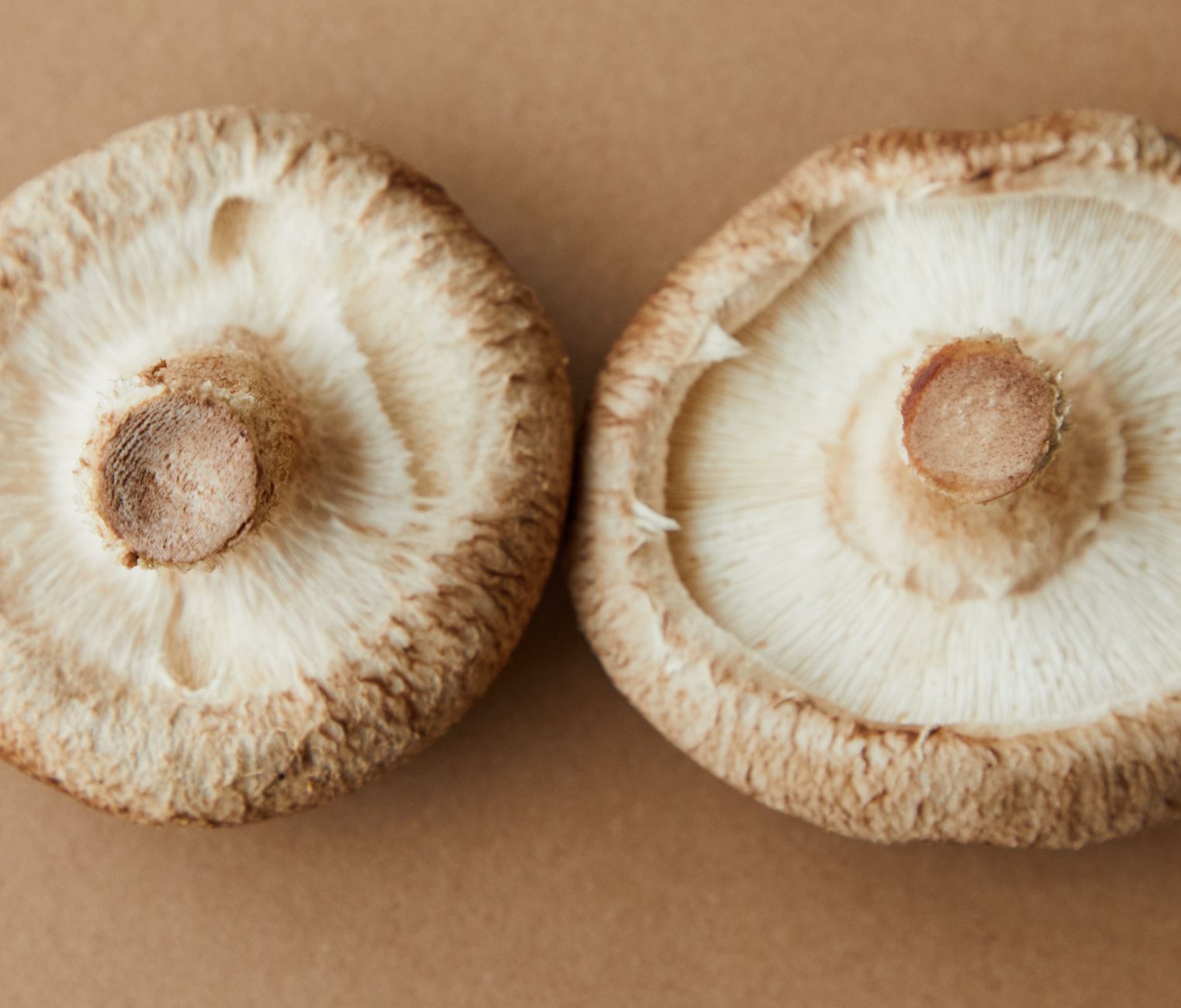
Shiitake (Lentinula edodes) is one of the most widely consumed mushrooms in the world, prized for its umami flavor in East Asian cuisine for centuries. Yet beyond the kitchen, it has drawn steady scientific interest because of a distinctive set of bioactive compounds, most notably a beta-glucan polysaccharide called lentinan. Research suggests these compounds may support immune regulation, cardiovascular health, and potentially cognitive function, making shiitake one of the more clinically examined edible mushrooms available today.
What Makes Shiitake Distinctive
Lentinula edodes contains several notable bioactive constituents that distinguish it from common culinary mushrooms:
- Lentinan: A beta-(1,3/1,6)-glucan that has been studied extensively for its immunomodulatory effects and is used as an adjunct cancer therapy in Japan and China.
- Eritadenine: A unique purine alkaloid found in shiitake fruiting bodies that may influence cholesterol metabolism via inhibition of 3-hydroxy-3-methylglutaryl coenzyme A (HMG-CoA) reductase.
- Lenthionine: A sulfur compound responsible for much of shiitake’s aroma that also shows antioxidant and antithrombotic properties in laboratory models.
- Ergosterol: The dietary precursor to vitamin D2, produced in elevated amounts when the mushroom is exposed to UV light.
- Phenolic compounds and proteins: Including eritadenine-related peptides that have been analyzed for their angiotensin-converting enzyme (ACE) inhibitory potential.
Immune Modulation: The Lentinan Research Base
Lentinan is the compound most associated with shiitake’s immune-related effects. It interacts with innate immune receptors, including Toll-like receptors and Dectin-1, triggering the activation of macrophages, natural killer cells, and T-lymphocytes. These interactions may support a more balanced immune response rather than simply stimulating activity.
A 2026 scoping review published in European Journal of Microbiology and Immunology examined preclinical and clinical evidence for lentinan’s effects across gastrointestinal pathologies, including colitis, chemotherapy-induced intestinal injury, and colorectal carcinogenesis. The review found that lentinan may support intestinal epithelial barrier integrity, regulate immune signaling, and modulate gut microbiota composition. Clinically, lentinan appeared to enhance the effectiveness of certain chemotherapy regimens, reduce treatment-related adverse effects, and improve quality of life indicators in some patients, though the authors emphasize that effects were dependent on molecular weight, dose, and route of administration and that further research is needed.[1]
A separate laboratory study in International Journal of Molecular Sciences (2024) investigated lentinan’s effects in a cyclophosphamide-induced immunosuppression model in mice. Administration of the purified lentinan polysaccharide was associated with normalization of immune organ indices, restoration of cytokine levels (IL-2, IL-6, IFN-gamma, IgG), repair of intestinal tight-junction proteins (Occludin, ZO-1), and a shift toward a more balanced gut microbiota. The study authors concluded that lentinan demonstrated the ability to reverse cyclophosphamide-induced immunosuppression and modulate gut microbiota toward a healthier balance, though these findings were in animal models and further human trials are needed.[2]
Cardiovascular Bioactives: Eritadenine and ACE Inhibition
Shiitake’s cardiovascular research history is largely tied to eritadenine, which was identified in the 1960s as a compound capable of lowering plasma cholesterol in animal models. More recent extraction studies have revisited these mechanisms. A 2018 study in Biotechnology Progress applied a sequential extraction method to Lentinula edodes fruiting bodies and identified fractions containing compounds with measurable inhibitory activity against both HMG-CoA reductase (the target of statin medications) and angiotensin-I converting enzyme, a key player in blood pressure regulation. The water-soluble fractions also demonstrated antioxidant activity via ABTS and DPPH radical scavenging assays.[3]
These findings are preliminary; much of the cardiovascular research comes from in vitro and rodent models rather than well-powered human trials. The extent to which dietary or supplemental intake of shiitake translates to meaningful cardiovascular effects in humans remains an active area of inquiry.
Cognitive Function and Gut-Brain Axis Research
A more recent line of investigation has focused on shiitake-derived vesicle-like nanoparticles (S-VLNs), naturally occurring nano-scale structures that can be extracted from fresh shiitake mushrooms. A 2025 study in Nutrients administered oral S-VLNs to aged mice over nine months and observed significant improvements in cognitive function alongside measurable shifts in gut microbiota composition and fecal metabolome. Notably, S-VLNs appeared to reduce levels of kynurenic acid, a tryptophan-related metabolite that has been associated with cognitive impairment. The authors proposed that these effects were mediated through the gut-brain axis rather than direct brain activity, as the nanoparticles did not appear to cross into brain tissue. This research represents an early but intriguing avenue for understanding how shiitake components may interact with age-related cognitive changes, though no human trials have yet validated these findings.[4]
Gut Health and Microbiota Effects
Shiitake contains both beta-glucans and dietary fiber fractions that may function as prebiotics, selectively supporting beneficial gut bacteria. The lentinan research cited above provides additional evidence that this mushroom’s polysaccharides can influence microbiota composition, including increasing the relative abundance of certain bacteria associated with reduced tumor promotion. This overlaps with broader research on functional mushrooms and gut health; readers interested in comparing multiple species may find the overview at Best Mushrooms for Gut Health useful as a reference point.
Nutritional Profile
From a conventional nutritional standpoint, shiitake is among the more nutrient-dense culinary mushrooms. Dried shiitake provides meaningful amounts of B vitamins (including B2, B3, B5, and B6), copper, selenium, zinc, and manganese. When dried in sunlight or exposed to UV light, ergosterol converts to vitamin D2, making shiitake one of the few plant-based sources of dietary vitamin D. The protein content is modest but includes a range of essential amino acids relative to most mushrooms.
Forms and Practical Considerations
Shiitake is available in several forms: fresh or dried culinary mushroom, powdered extracts standardized to beta-glucan content, and intravenous lentinan formulations used clinically in Asia. Dried shiitake retains most of its polysaccharide content and is commonly used in traditional preparations. Supplement products vary considerably in their extraction method and the portion of the mushroom used (mycelium vs. fruiting body), which can affect the concentration of active compounds.
Studies indicate that cooking shiitake does not significantly degrade its beta-glucan content, which may explain the mushroom’s enduring place as both a food and a functional ingredient.
Safety and Tolerability
Shiitake is generally well tolerated at culinary amounts. A small proportion of individuals may develop a skin condition called flagellate dermatitis following consumption of raw or undercooked shiitake, attributed to lentinan. This resolves on its own and is avoided by thorough cooking. Purified lentinan administered intravenously in clinical settings has been associated with mild adverse effects in some studies, primarily GI-related. Individuals on immunosuppressant medications or anticoagulants should consult a healthcare provider before taking concentrated shiitake extracts, as theoretical interactions may exist.
Summary
Shiitake is among the most extensively researched edible mushrooms, with a body of evidence that extends well beyond its culinary value. Its primary bioactive compound, lentinan, shows consistent immunomodulatory effects in preclinical and early clinical research, with particular interest in gastrointestinal health, gut microbiota balance, and adjunct cancer care. Eritadenine and related compounds offer a plausible basis for cardiovascular effects, and newer nanoparticle research opens questions about cognitive applications. As with most functional fungi, the translation from laboratory findings to clear dietary recommendations requires ongoing human clinical research.
References
- Scholz JS et al. Therapeutic effects of Lentinan in gastrointestinal inflammation and carcinogenesis. Eur J Microbiol Immunol. 2026. PMID: 42201770
- Jin X et al. Extraction and Identification of Polysaccharide from Lentinus edodes and Its Effect on Immunosuppression and Intestinal Barrier Injury. Int J Mol Sci. 2024. PMID: 39596497
- Morales D et al. Extraction of bioactive compounds against cardiovascular diseases from Lentinula edodes. Biotechnol Prog. 2018. PMID: 29388355
- Li X et al. Shiitake Mushroom-Derived Vesicle-like Nanoparticles Improve Cognitive Function and Reshape Gut Microbiota. Nutrients. 2025. PMID: 40944290
Disclaimer: This article is for informational purposes only and does not constitute medical advice. The compounds and research discussed have not been evaluated by the FDA and are not intended to diagnose, treat, cure, or prevent any disease. Consult a qualified healthcare provider before beginning any new supplement regimen.