Enoki mushrooms (Flammulina velutipes) are among the most widely consumed edible fungi in East Asia, valued both as a culinary ingredient and, increasingly, as a subject of nutritional and pharmacological research. Unlike more established functional mushrooms such as reishi or chaga, enoki has received comparatively less mainstream attention in Western wellness circles. However, a growing body of laboratory and preclinical work points to several mechanisms through which its bioactive compounds may support health.
What Is Enoki? Taxonomy and Traditional Context
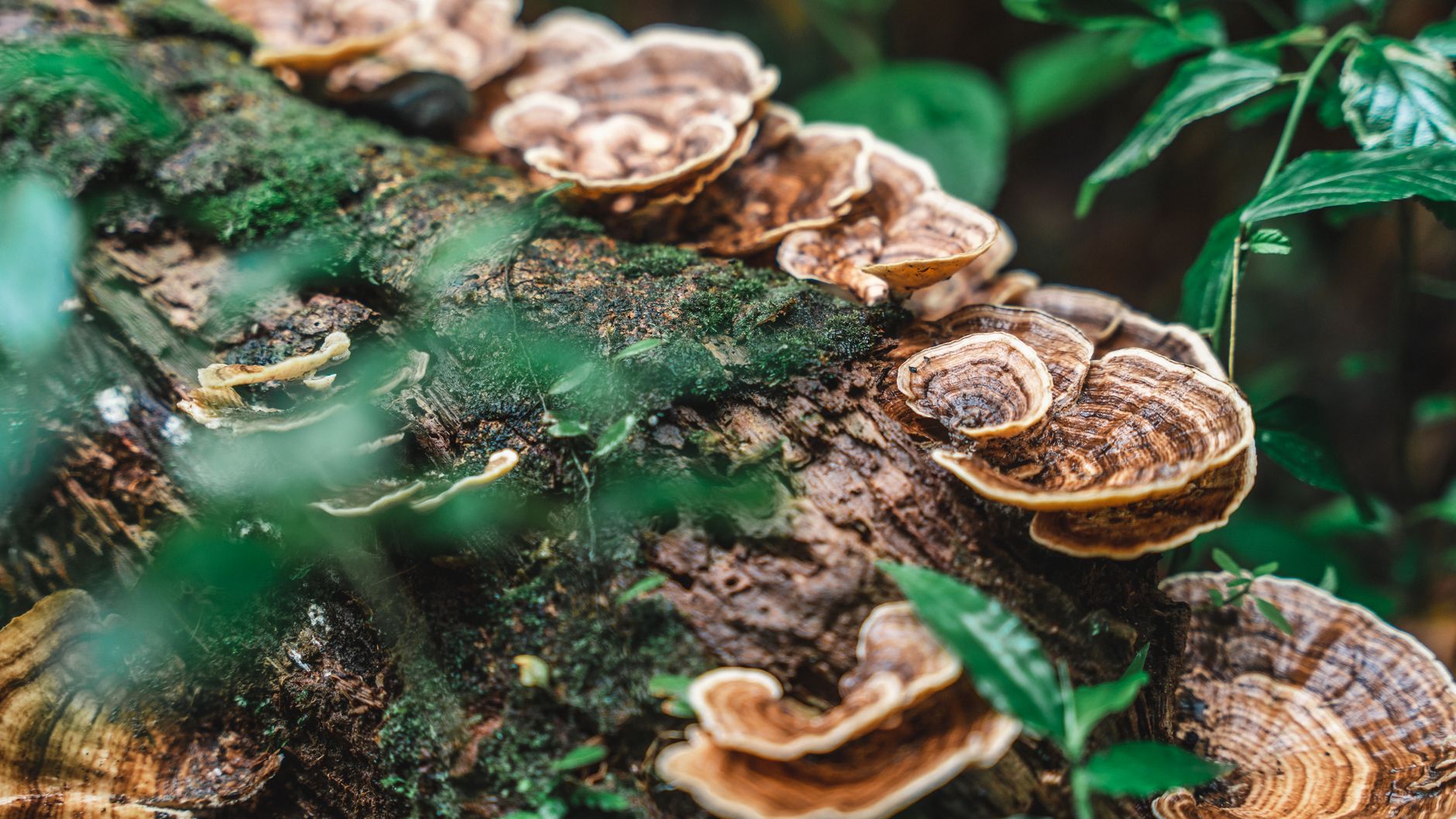
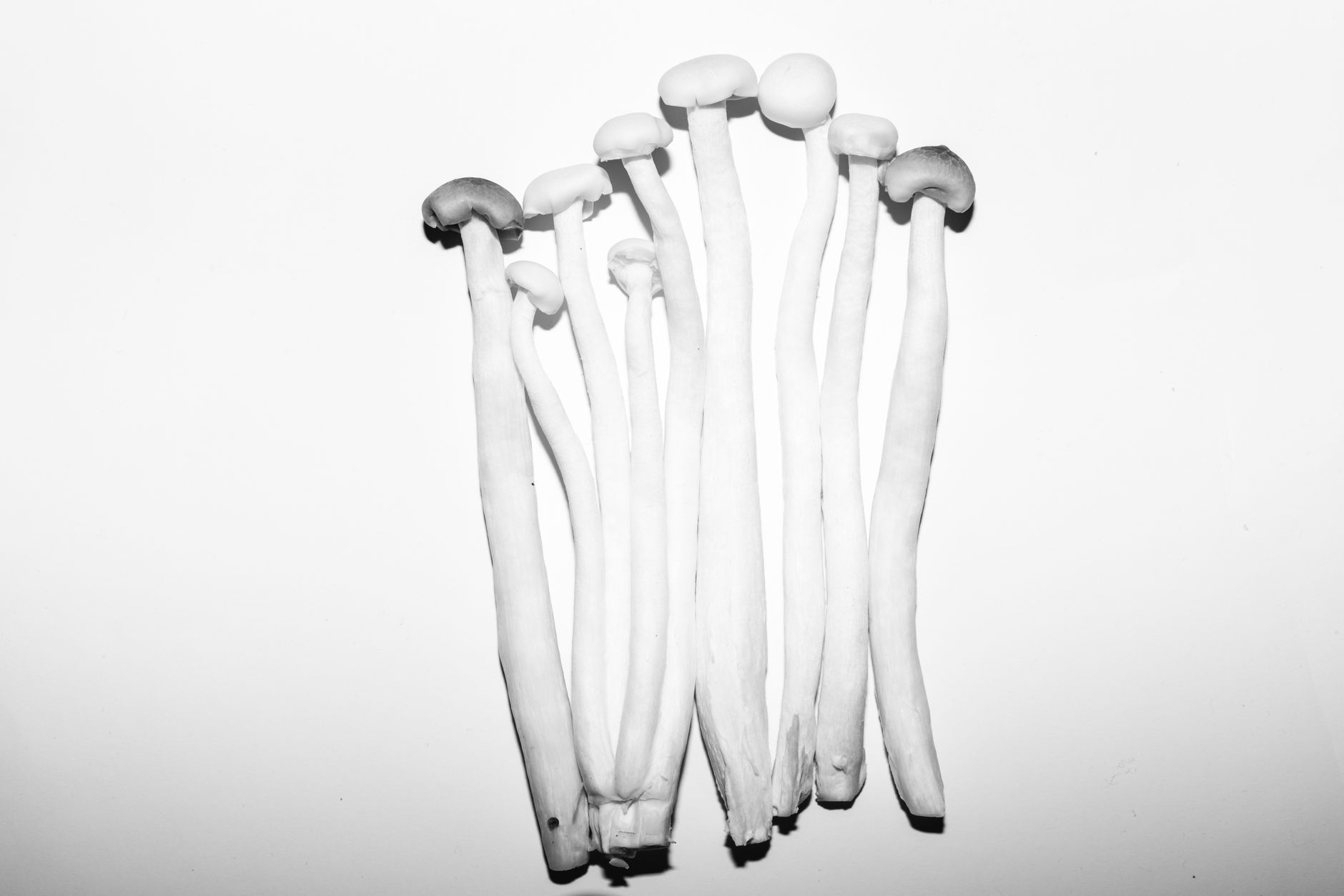
Flammulina velutipes, commonly called enoki or enokitake, belongs to the family Physalacriaceae. In its wild form, it grows on dead hardwood during cooler months, which accounts for its older European name “winter mushroom.” The cultivated variety sold in most grocery stores features distinctive long, thin stems and small white caps, a result of growing in low-light, high-CO2 conditions. The wild form is darker and shorter-stemmed.
In traditional East Asian medicine, enoki has long been considered a tonic food. Modern research has focused primarily on its polysaccharide content, particularly a class of beta-glucans and heteropolysaccharides collectively referred to as Flammulina velutipes polysaccharides (FVPs).
Nutritional Profile
Enoki mushrooms are low in calories and provide a modest but meaningful array of nutrients. They are a source of B vitamins, including niacin and pantothenic acid, as well as potassium, phosphorus, and dietary fiber. Like most edible fungi, they contain all nine essential amino acids in varying amounts, along with ergothioneine, a sulfur-containing amino acid with antioxidant properties that humans cannot synthesize independently.
Their fiber content, which includes both soluble and insoluble fractions, contributes to gut bulk and may support the growth of beneficial gut bacteria, a point discussed further below.
Immunomodulatory Properties: What the Research Suggests
The most extensively studied area of enoki research concerns its polysaccharides and their effects on immune function. A 2024 review published in International Journal of Biological Macromolecules systematically examined the extraction, structural characterization, and pharmacological activity of FVPs, concluding that they demonstrate multiple physiological activities including immunomodulatory, anti-inflammatory, and antioxidant properties, with potential clinical applications.[1]
A 2025 study in the same journal investigated the specific molecular mechanisms behind FVP’s immune effects, finding that one polysaccharide fraction modulated NF-kB and MAPK signaling pathways in macrophage and spleen cell models, suggesting a role in regulating both innate and adaptive immune responses.[2]
Earlier research identified a novel polysaccharide (FVPA1) isolated from enoki fruiting bodies that was shown in vitro to enhance natural killer (NK) cell activity against K562 tumor cells, a commonly used model for assessing cytotoxic immune response.[3] While this finding is preliminary and based on cell culture work, it adds to the understanding of how enoki polysaccharides may interact with immune surveillance mechanisms. It is important to note that in vitro results do not directly translate to human outcomes.
Gut Microbiota and Intestinal Barrier Support
A 2022 study using proteomics and intestinal flora analysis found that FVP supplementation in immunosuppressed mice increased spleen and thymus indices, improved cytokine profiles (raising IL-2 and IL-4 while reducing IL-6 and TNF-alpha), and enhanced antioxidant enzyme activity in the liver. The researchers also observed increased gut microbial diversity and higher concentrations of short-chain fatty acids (SCFAs), compounds produced by fermentation of dietary fiber that are associated with mucosal integrity and systemic immune regulation.[4]
These findings are consistent with the broader research on mushroom polysaccharides as prebiotic substrates. If you are exploring how different fungi may support the gut-immune axis, our overview of oyster mushrooms and their health properties covers similar mechanisms in a related species.
Antioxidant Activity
Both the polysaccharide and phenolic fractions of enoki have demonstrated free-radical scavenging activity in laboratory models. Ergothioneine, present in most edible mushrooms including enoki, is of particular scientific interest because it accumulates in tissues under oxidative stress. Human and animal cells possess a dedicated transporter protein (OCTN1) for ergothioneine uptake, suggesting an evolutionary role for this compound in managing cellular oxidative load. Research into the specific ergothioneine content of F. velutipes is ongoing.
Enoki as a Supplement vs. as a Food
While enoki supplements do exist, the majority of the relevant research has been conducted using isolated polysaccharide extracts rather than whole dried mushroom or food-grade preparations. The extraction method, temperature, and solvent used substantially affect the yield, molecular weight distribution, and biological activity of the resulting polysaccharides. Hot water extraction followed by ethanol precipitation is the most widely used method in the published literature.
As a food, enoki contributes fiber, micronutrients, and bioactive compounds at levels that, while lower per serving than concentrated extracts, occur within a matrix that may support overall dietary diversity. The culinary preparation method (raw, blanched, or cooked) may affect the bioavailability of heat-sensitive compounds.
Safety Considerations
Commercially cultivated enoki mushrooms have a strong safety record as a food. However, raw enoki from certain origins has been associated with Listeria monocytogenes contamination in food safety recalls, underscoring the importance of thorough cooking. This is a food safety concern, not a toxicological one intrinsic to the mushroom itself.
Individuals with mushroom allergies or those taking immunosuppressant medications should consult a healthcare provider before using enoki in concentrated supplement form, as with any functional mushroom product. Research into drug interactions specific to enoki is limited compared to more studied species such as reishi or turkey tail.
Summary
Enoki (Flammulina velutipes) is a well-studied edible mushroom whose polysaccharide fractions have shown immunomodulatory, antioxidant, and gut-supportive effects in preclinical and laboratory research. While human clinical trials remain limited, the mechanistic data are consistent with patterns observed in other beta-glucan-rich fungi. Its nutritional profile also makes it a useful food in a varied diet. As with all functional mushrooms, the current evidence supports cautious interest rather than definitive clinical conclusions.
References
- 1. Ye S, et al. Research progress and future development potential of Flammulina velutipes polysaccharides. Int J Biol Macromol. 2024. PMID: 38599436
- 2. Wang Q, et al. Flammulina velutipes polysaccharide exerts immunomodulatory function involving RSAD2. Int J Biol Macromol. 2025. PMID: 40210026
- 3. Jia W, et al. Structural Characteristics of FVPA1 from Flammulina velutipes capable of enhancing NK cell activity. Int J Med Mushrooms. 2017. PMID: 29199563
- 4. Liang Q, et al. The Effect of Flammulina velutipes Polysaccharide on Immunization Analyzed by Intestinal Flora and Proteomics. Front Nutr. 2022. PMID: 35155543
Disclaimer: This article is for informational purposes only and does not constitute medical advice. The statements on this page have not been evaluated by the Food and Drug Administration. Functional mushroom products are not intended to diagnose, treat, cure, or prevent any disease. Consult a qualified healthcare professional before starting any new supplement regimen.