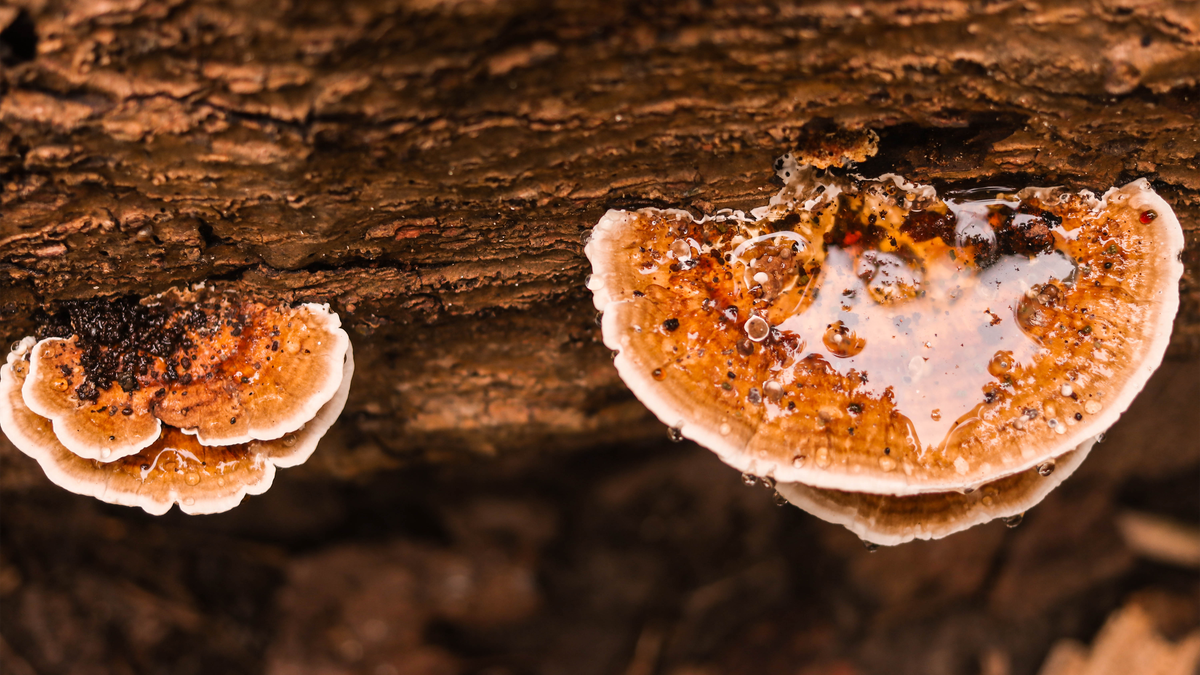
Reishi (Ganoderma lucidum) is one of the most extensively studied functional mushrooms in traditional and contemporary research. When choosing a reishi supplement, consumers encounter a choice that is rarely explained clearly: spore powder or fruiting body extract. These two products originate from different parts of the fungus, contain different compound profiles, and may offer different biological effects. Understanding the distinction may help consumers make more informed supplement decisions.
What Are Reishi Spores?
Reishi spores are the reproductive cells released from the underside of the mature fruiting body. Each spore is encased in a tough outer shell called the sporoderm, which is composed largely of cellulose and sporopollenin. Because this shell resists digestion, commercially sold spore products are typically processed through a technique called sporoderm disruption or “cell wall breaking,” which fractures the outer shell to improve compound accessibility.
Spore powder is notably rich in triterpenoids, including ganoderic acids, as well as polysaccharides, ergosterol, and fatty acids. A 2026 comparative study published in Foods analyzed sporoderm-broken spore powders from nine producing regions in China and found meaningful variation in triterpenoid content, total polysaccharides, antioxidant activity, and enzyme inhibitory capacity across samples, indicating that geographic origin and processing method both influence final product quality.[1]
A separate 2026 study in International Journal of Molecular Sciences specifically examined how sporoderm disruption alters polysaccharide structure in reishi spores. Researchers found that disrupting the sporoderm reshaped the physicochemical characteristics of the extracted polysaccharides and enhanced their cytoprotective activity via SIRT1/AMPK signaling pathways, suggesting that processing method may meaningfully affect biological performance.[2]
What Is the Reishi Fruiting Body?
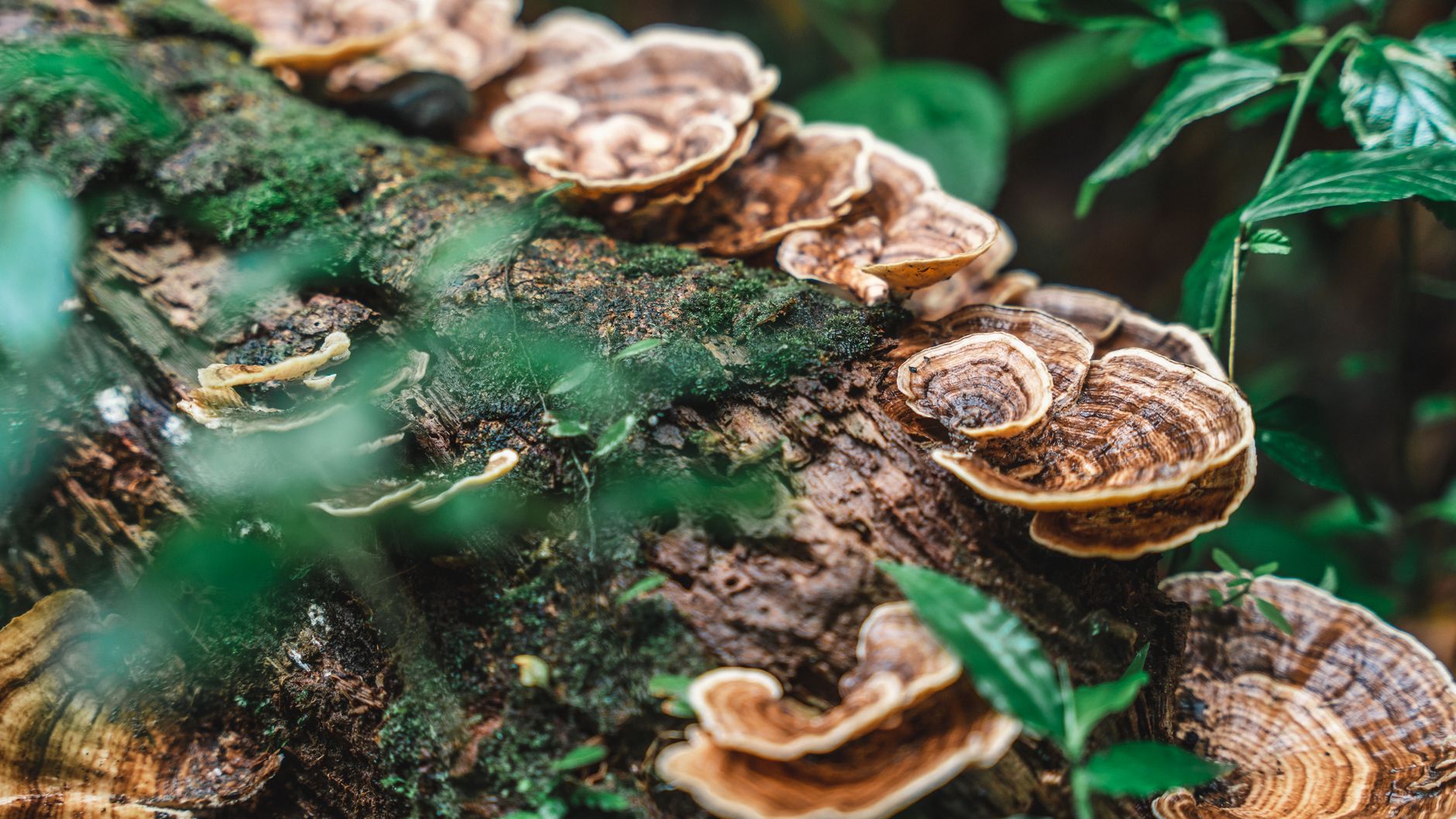
The fruiting body is the visible, shelf-like structure of the reishi mushroom. It is the part with the longest history of use in traditional Chinese medicine, where it has been referenced for over 2,000 years under the name ling zhi. Fruiting body extracts are standardized primarily by their beta-glucan polysaccharide content, though they also contain triterpenoids, sterols, and other bioactive compounds.
Hot water extraction is the most common method used to produce fruiting body supplements, yielding water-soluble polysaccharides. Dual-extraction methods use both water and alcohol to capture triterpenoids as well. The resulting extract is typically standardized to a percentage of beta-glucans and, in some cases, total triterpenoids.
Comparing the Compound Profiles
Both spore powder and fruiting body extract contain polysaccharides and triterpenoids, but their relative proportions differ. Spores are understood to carry a higher lipid content compared to the fruiting body, largely attributed to their fatty acid composition. The fruiting body, by contrast, tends to offer a broader polysaccharide profile and a longer track record of use in clinical and preclinical research.
Polysaccharides and Immune Modulation
Beta-glucan polysaccharides from reishi have been studied for their capacity to modulate immune function. A 2023 study published in International Journal of Biological Macromolecules examined the anti-inflammatory and gut microbiota effects of reishi beta-d-glucans at different molecular weights in an ulcerative colitis model. Researchers found that the polysaccharides may support intestinal barrier integrity and modulate the microbiome, with molecular weight influencing the extent of these effects.[3]
Triterpenoids and Ganoderic Acids
Ganoderic acids are triterpenoids specific to Ganoderma species and are found in both the fruiting body and spores. Research on ganoderic acid A has explored its potential in contexts including anti-inflammatory signaling and cytotoxic effects in preclinical cancer models. While these findings come from laboratory settings and should not be interpreted as clinical evidence of disease treatment, they illustrate why triterpenoid content is considered a meaningful quality marker for reishi supplements.
What Sporoderm Disruption Actually Changes
Because intact spores have very low digestibility, whole spore powder without cell wall breaking is considered far less bioavailable than the disrupted form. Research suggests that the process of breaking the sporoderm not only increases accessibility of polysaccharides and triterpenoids but may also structurally alter the polysaccharides themselves, potentially changing their biological activity.
This means that when comparing “reishi spore powder” products, the processing method matters considerably. Consumers evaluating spore products should look for confirmation that cell wall disruption has been applied and, ideally, independent verification of polysaccharide and triterpenoid concentrations.
Fruiting Body vs Spores: What Guides the Choice?
There is no definitive clinical evidence that one form is universally superior to the other. Each carries a different compound emphasis:
- Fruiting body extracts have a more established research base, particularly for polysaccharide-mediated immune effects.
- Sporoderm-broken spore powder research is growing, with recent studies noting meaningful antioxidant activity and cytoprotective effects.
- Some supplement formulations combine both forms in an effort to provide a broader compound spectrum.
The most important practical considerations include: whether spore products have been sporoderm-broken, whether fruiting body products use dual extraction for full-spectrum compounds, and whether either product provides third-party testing for beta-glucan content. For a broader overview of how to evaluate supplement labeling and compound markers, see our guide on how to read a mushroom supplement label.
Practical Supplement Considerations
When selecting a reishi supplement, the following factors are relevant regardless of whether spore or fruiting body is chosen:
- Look for stated beta-glucan content as a percentage (typically 20-40% is considered meaningful in fruiting body extracts).
- Confirm the extraction method is disclosed (hot water, ethanol, or dual).
- For spore products, confirm sporoderm disruption has been applied.
- Third-party testing for heavy metals and microbial contamination adds an additional quality indicator.
As with most functional mushroom supplements, individual responses may vary, and none of these products have been approved to treat, cure, or prevent any disease.
References
- 1. Li J, et al. Comparative Analysis of Physicochemical Properties, Antioxidant and Enzyme Inhibitory Activities of Sporoderm-Broken Ganoderma lucidum Spore Powders from Different Regions in China. Foods. 2026;15(9):1579. PMID: 42121522
- 2. Long Z, et al. Sporoderm Disruption Reshapes the Chemical Characteristics and Enhances the Mitochondrial Protective Activity of Ganoderma lucidum Spore Polysaccharides via SIRT1/AMPK Signaling. Int J Mol Sci. 2026;27(11):4741. PMID: 42278270
- 3. Liu L, et al. Anti-inflammatory and intestinal microbiota modulation properties of Ganoderma lucidum beta-d-glucans with different molecular weight in an ulcerative colitis model. Int J Biol Macromol. 2023;251:126351. PMID: 37597635
Disclaimer: This content is for informational purposes only and does not constitute medical advice. These statements have not been evaluated by the Food and Drug Administration. Mushroom supplements are not intended to diagnose, treat, cure, or prevent any disease. Consult a qualified healthcare provider before beginning any new supplement regimen.