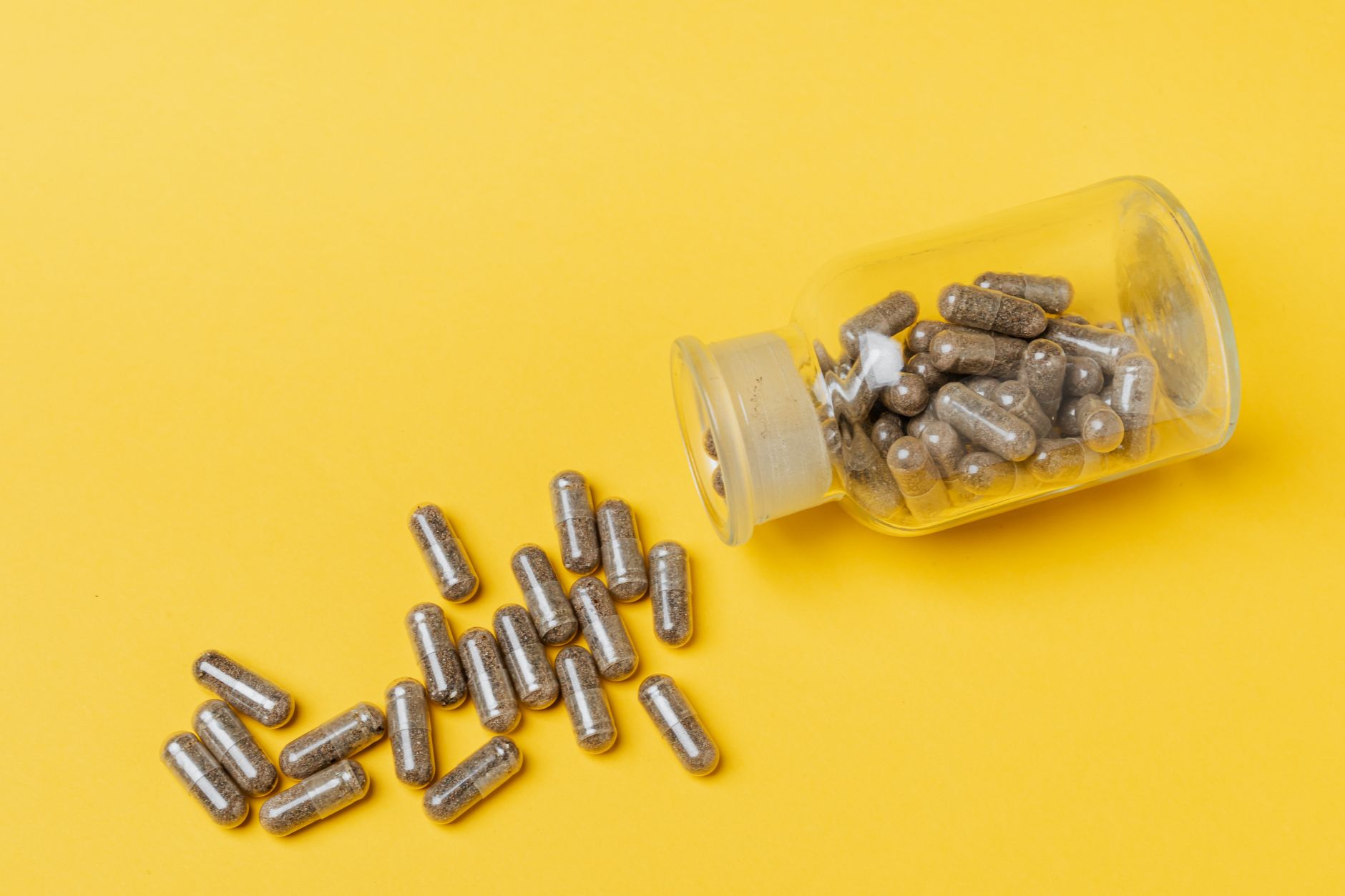
When you pick up a functional mushroom supplement, one of the first decisions you encounter is often invisible: does this product come from the fruiting body, the mycelium, or some combination of both? The distinction matters more than many product labels let on, and understanding it may help you evaluate what you are actually buying.
The Basic Biology: Two Distinct Structures
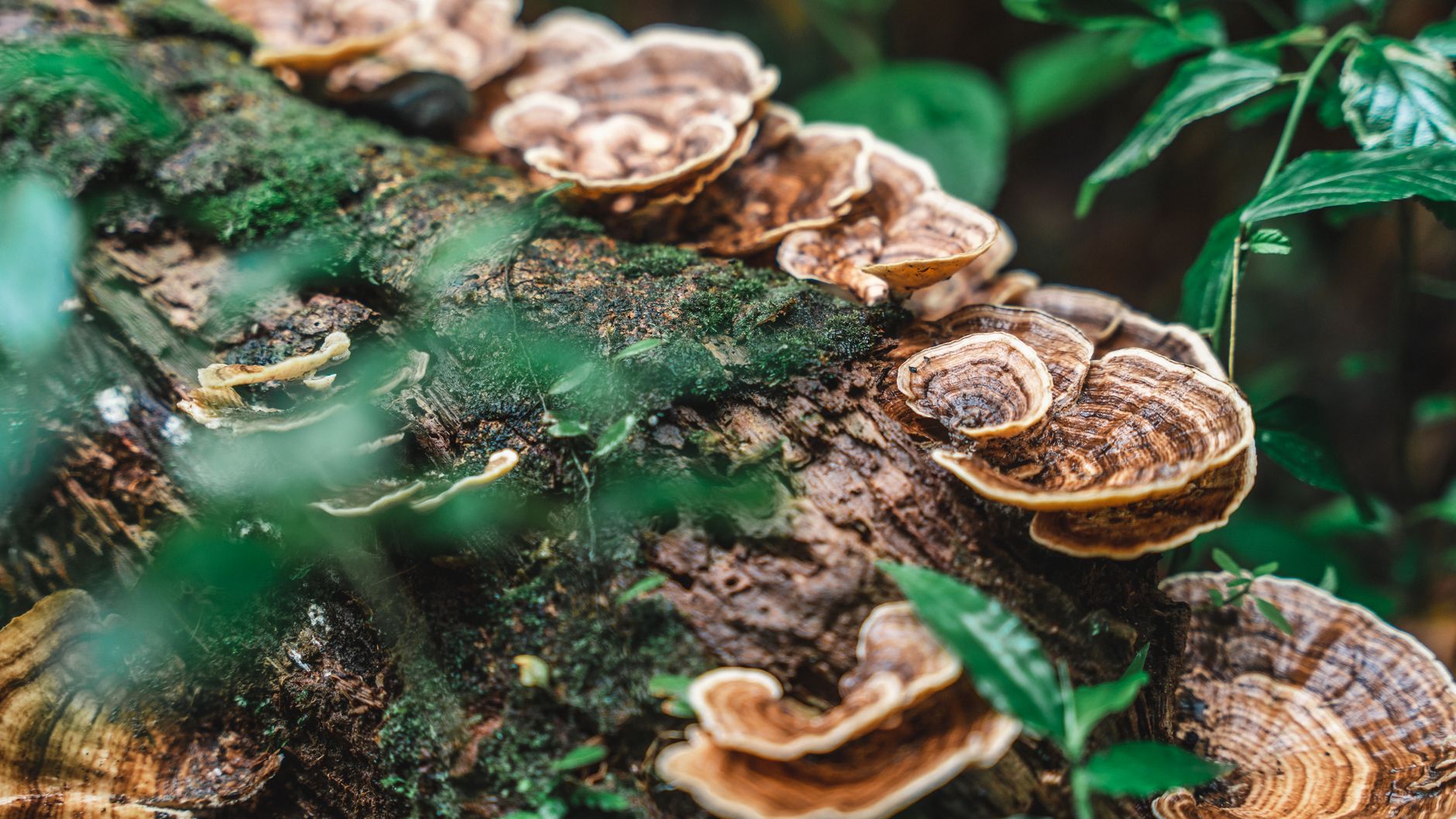
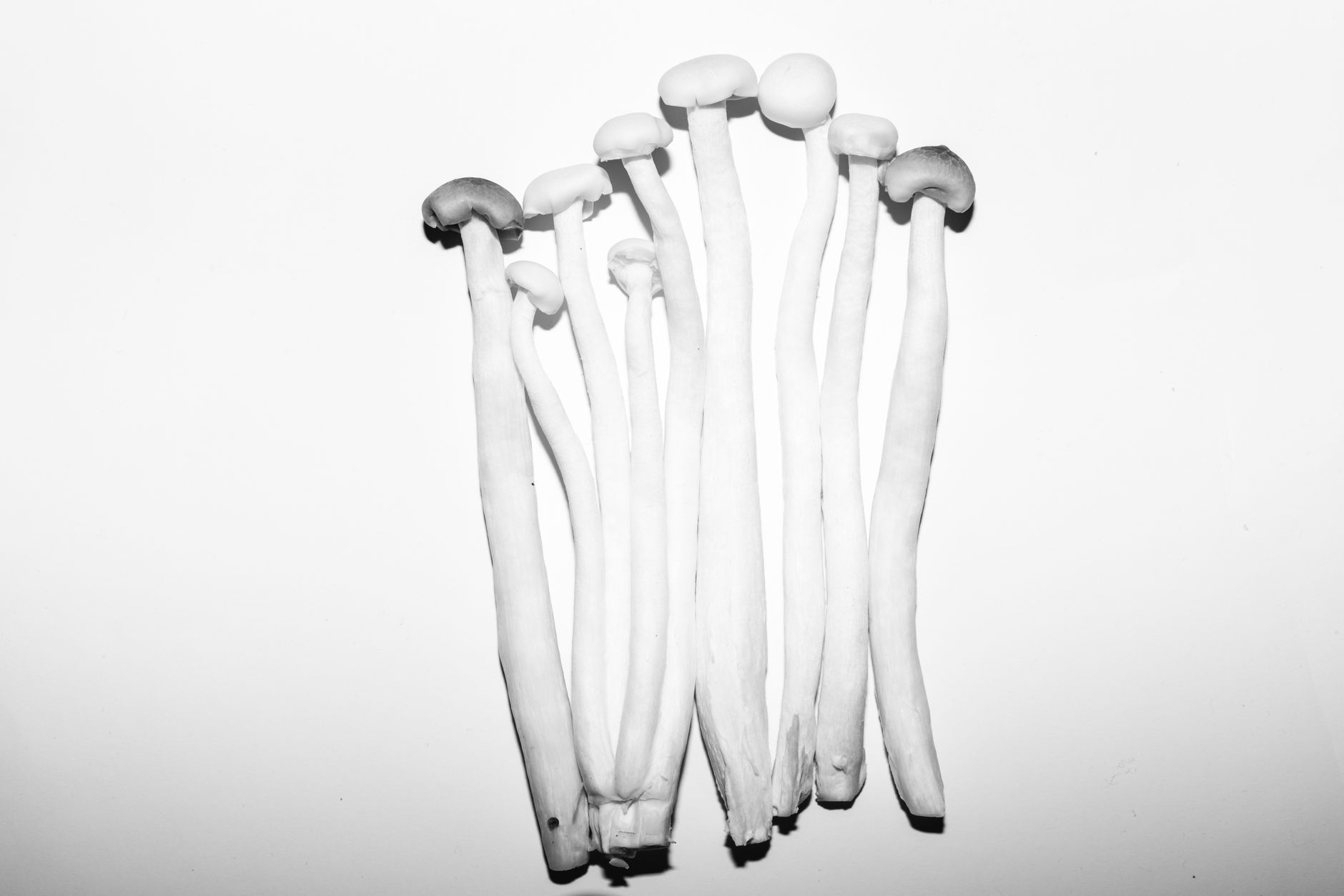
A mushroom, in the biological sense, is the visible reproductive structure — what most people picture when they think of a mushroom cap and stem. This is the fruiting body. It is the culmination of the organism’s growth cycle, designed to disperse spores.
The mycelium is the network of thread-like filaments (hyphae) that comprise the main body of the fungal organism. It grows through soil, wood, or substrate, breaking down organic material and absorbing nutrients. Mycelium is the vegetative stage of the fungus — persistent, expansive, and metabolically active in its own right.
Both structures contain bioactive compounds, but their chemical profiles differ in meaningful ways. Research suggests these differences have practical implications for supplement formulation and potency.
Bioactive Compound Distribution
Beta-Glucans and Polysaccharides
Beta-glucans — the primary immunomodulatory polysaccharides in medicinal mushrooms — are present in both fruiting bodies and mycelium, though their structural characteristics and concentrations can vary by species and growth method.
A 2020 study published in International Journal of Biological Macromolecules compared polysaccharides isolated from the fruiting body and mycelium of Coprinus comatus. While there were slight structural differences between the two preparations, both demonstrated dose-dependent prebiotic effects on Lactobacillus and Bifidobacterium proliferation in vitro, with no statistically significant difference between the groups (P > 0.05).[1] The authors concluded that mycelium-derived polysaccharides may serve as an equivalent source in certain functional applications.
A comprehensive 2019 review in Critical Reviews in Food Science and Nutrition examined polysaccharides from Hericium erinaceus (Lion’s Mane) across fruiting body, mycelium, and culture broth sources. The review found that polysaccharides from all three sources possessed immunomodulating, antioxidant, and neuroprotective properties, but noted structural differences in molecular weight and glycosidic linkage patterns depending on the source tissue.[2]
Secondary Metabolites: Where the Sources Diverge
The distinction between fruiting body and mycelium becomes more pronounced when examining secondary metabolites. For Lion’s Mane specifically, this is a clinically relevant difference.
Hericenones (compounds associated with nerve growth factor stimulation) are found predominantly in the fruiting body. Erinacines (a separate class of neuroactive diterpenoids) are found in the mycelium. A 2015 review in the Journal of Agricultural and Food Chemistry mapped the chemistry of H. erinaceus fruit bodies and mycelia in detail, identifying approximately 70 characterized bioactive secondary metabolites across both structures — noting that these two compound classes are structurally distinct and arise from different biosynthetic pathways within each tissue type.[3]
This means a fruiting body extract and a mycelium extract of Lion’s Mane are not chemically interchangeable. They may both offer neuroprotective potential, but through partially different mechanisms and compound profiles.
The Myceliated Grain Problem
Most commercial mycelium-based supplements in the United States are produced through a process called solid-state fermentation, in which fungal mycelium is grown on a grain substrate (typically oats, rice, or brown rice). When the product is harvested and dried, the grain substrate is included in the final powder — it cannot be fully separated from the mycelium.
This matters because grain contains alpha-glucans (starch), not beta-glucans. When a supplement label reports total polysaccharide content, that figure may reflect a mix of biologically active beta-glucans and inert dietary starch. Some analyses of commercially available myceliated grain products have found that a significant portion of reported polysaccharide content consists of alpha-glucans from the substrate rather than fungal beta-glucans.
Fruiting body extracts produced through hot water extraction do not carry this confounding variable, as the fruiting body is harvested separately from any growth substrate. This is one reason why beta-glucan content as a distinct measurement is often considered a more informative label specification than total polysaccharides alone. For guidance on interpreting these labels, see our overview on how to read a mushroom supplement label.
Chemical Composition Across Species: A Broader View
A 2014 study published in International Journal of Medicinal Mushrooms analyzed the proximate composition and bioactive compound content of fruit bodies and mycelia from 15 medicinal mushroom strains across 12 species. The researchers found that while both structures contained proteins, carbohydrates, fatty acids, and bioactive compounds including ergothioneine, GABA, and cordycepin, the specific profiles varied considerably between species and between tissue types within the same species.[4] This underscores the difficulty of making blanket claims that one form is universally superior to the other — the answer is species-dependent.
What This Means in Practice
For General Immune Support
For beta-glucan-mediated immune support, fruiting body hot water extracts have the most established research behind them. The beta-glucans in fruiting body extracts are well-characterized structurally, and the bulk of human clinical research on mushroom immunomodulation has used fruiting body preparations.
For Lion’s Mane Neuroprotection
The picture is more nuanced. Research on erinacines — the neuroactive compounds unique to mycelium — suggests mycelium extracts may have distinct value for neurological applications that fruiting body extracts do not replicate in the same way. Erinacine A in particular has been the subject of multiple preclinical studies examining nerve growth factor induction. Some researchers suggest a combination product may offer a broader compound profile than either source alone.
Quality Markers to Look For
Regardless of which source a supplement uses, the most informative quality indicator is a stated and verified beta-glucan percentage (not total polysaccharides alone). Reputable manufacturers typically provide third-party testing that distinguishes beta-glucans from alpha-glucans. The extraction method also matters: hot water extraction is the standard for releasing water-soluble polysaccharides, while an additional alcohol extraction step is necessary to capture fat-soluble compounds such as triterpenes in species like Reishi.
Summary
Fruiting body and mycelium are chemically distinct tissues that contain overlapping but not identical sets of bioactive compounds. For most species, fruiting body extracts offer well-characterized beta-glucan content and a cleaner substrate profile. Mycelium may provide unique secondary metabolites in certain species, most notably erinacines in Lion’s Mane. Neither form is inherently superior across all contexts — the species, extraction method, and intended use all factor into an informed evaluation.
References
- Sun M, et al. Comparison of the structures and prebiotic-like effects in vitro of polysaccharides from Coprinus comatus fruit body and mycelium. Int J Biol Macromol. 2020;165(Pt B):2621-2629. [1]
- Wang XY, et al. Recent developments in Hericium erinaceus polysaccharides: extraction, purification, structural characteristics and biological activities. Crit Rev Food Sci Nutr. 2019;59(sup1):S96-S115. [2]
- Friedman M. Chemistry, Nutrition, and Health-Promoting Properties of Hericium erinaceus (Lion’s Mane) Mushroom Fruiting Bodies and Mycelia and Their Bioactive Compounds. J Agric Food Chem. 2015;63(32):7108-7123. [3]
- Cohen N, et al. Chemical composition and nutritional and medicinal value of fruit bodies and submerged cultured mycelia of culinary-medicinal higher Basidiomycetes mushrooms. Int J Med Mushrooms. 2014;16(3):273-291. [4]
Disclaimer: This article is for informational purposes only and does not constitute medical advice. Functional mushroom supplements have not been evaluated by the FDA and are not intended to diagnose, treat, cure, or prevent any disease. Consult a qualified healthcare provider before starting any new supplement.