If you’ve spent any time researching mushroom supplements, you’ve probably seen the term “beta-glucans” on labels and in marketing copy. But what actually are they ; and why do they matter so much?
What Beta-Glucans Are
Beta-glucans (β-glucans) are a type of polysaccharide ; a complex carbohydrate ; found in the cell walls of fungi, oats, barley, and certain yeasts. In mushrooms specifically, they’re the primary bioactive compounds responsible for most of the immune-modulating effects that have made functional mushrooms the subject of serious scientific attention.[2]
Not all beta-glucans are the same. The ones found in mushrooms ; particularly (1,3)/(1,6)-β-D-glucans ; have a specific molecular structure that allows them to interact directly with immune receptors in the human body, most notably Dectin-1 receptors on macrophages, dendritic cells, and neutrophils.
How Beta-Glucans Work in the Body
When beta-glucans bind to Dectin-1 and other pattern recognition receptors, they essentially activate the immune system’s surveillance mode ; priming immune cells to identify and respond to threats more efficiently. This isn’t the same as “boosting” immunity in a blunt sense; it’s more nuanced than that. Research suggests beta-glucans act as biological response modifiers ; helping the immune system calibrate rather than simply amplifying it.
A 2014 review published in the Journal of Hematology & Oncology described beta-glucans as “potent immune-activating agents” with potential applications in both immune support and as adjuncts in cancer care research ; noting their ability to enhance the activity of natural killer (NK) cells.
Which Mushrooms Are Highest in Beta-Glucans
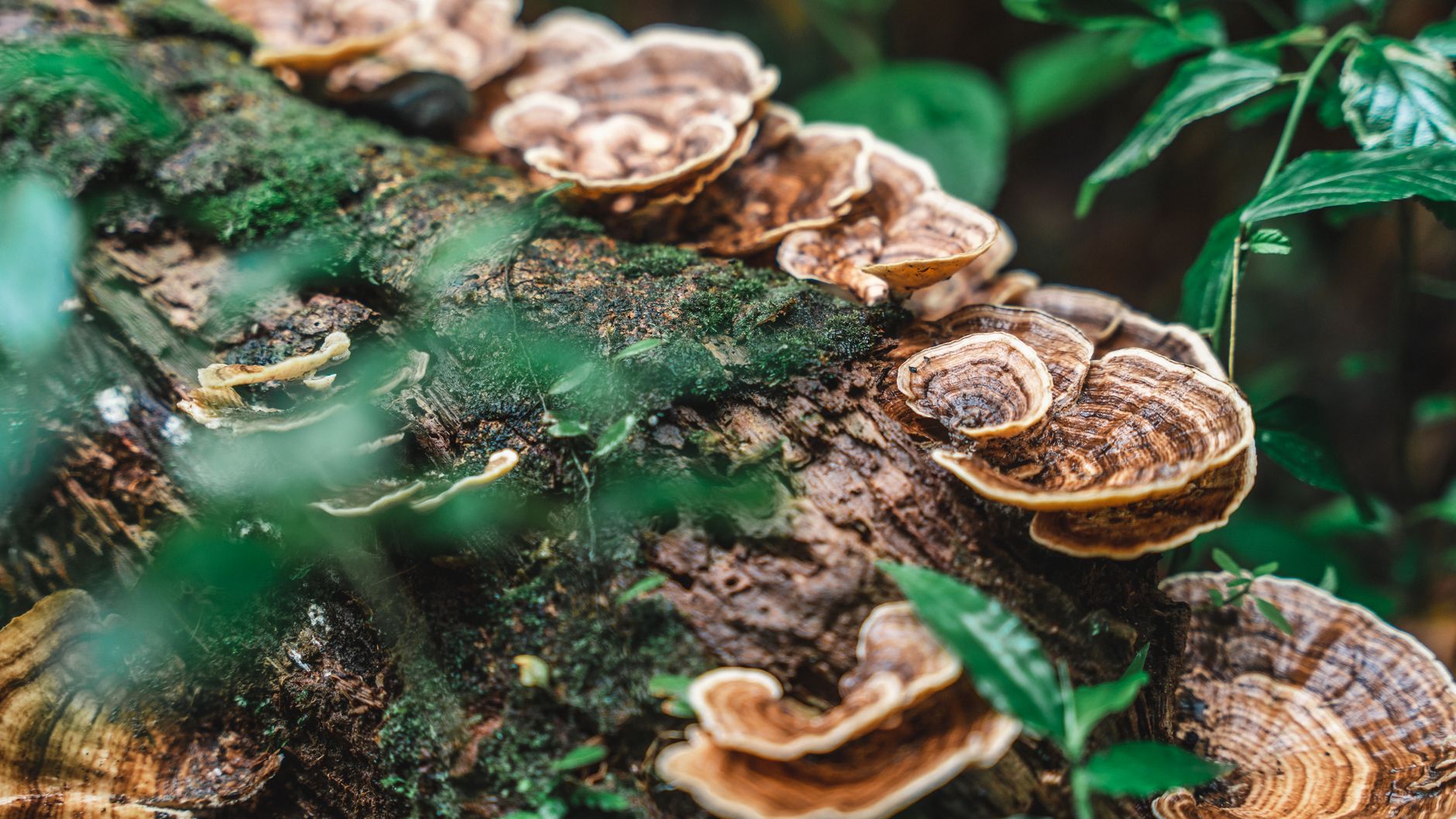
Turkey Tail (Trametes versicolor)
Turkey Tail is among the highest beta-glucan content of any medicinal mushroom. Home to PSK (polysaccharide-K) and PSP, two beta-glucan compounds that have been studied extensively in the context of immune support and cancer adjunct therapy in Japan and China.
Chaga (Inonotus obliquus)
Chaga is rich in beta-glucans alongside betulinic acid and melanin. Well-studied for antioxidant and immune-modulating properties.
Reishi (Ganoderma lucidum)
Reishi contains significant beta-glucan content alongside its distinctive triterpenes. Often used for immune regulation and stress response.
Lion’s Mane (Hericium erinaceus)
Lion’s Mane’s Beta-glucan content is present but lower than Turkey Tail or Chaga. Lion’s Mane is primarily valued for its unique hericenones and erinacines rather than immune effects.
Reading Beta-Glucan Content on Labels
Quality mushroom supplements will state their beta-glucan percentage. Look for:
- 20–40%+ beta-glucans for a quality fruiting body extract
- Low alpha-glucan content (alpha-glucans are starches from grain substrate ; they’re filler)
- Third-party lab verification of beta-glucan content where possible
If a supplement doesn’t list beta-glucan content at all, that’s usually a sign the manufacturer doesn’t want you to know what’s actually in it.[2]
References
- [1] Liu Y et al.. Lentinan attenuates tau phosphorylation and memory deficits in hTau-overexpressing mice. PMID: 42025718
- [2] Wang X et al.. Two low molecular weight polysaccharides isolated from the edible fungus Sarcodon aspratus with immunomodulatory activity. PMID: 41943383
- [3] Chen S et al.. Lentinan inhibits breast cancer cell growth through the dual downregulation of the PI3K and MAPK pathways. PMID: 41819333
This article is for informational purposes only and does not constitute medical advice. Always consult a qualified healthcare provider before starting any supplement.