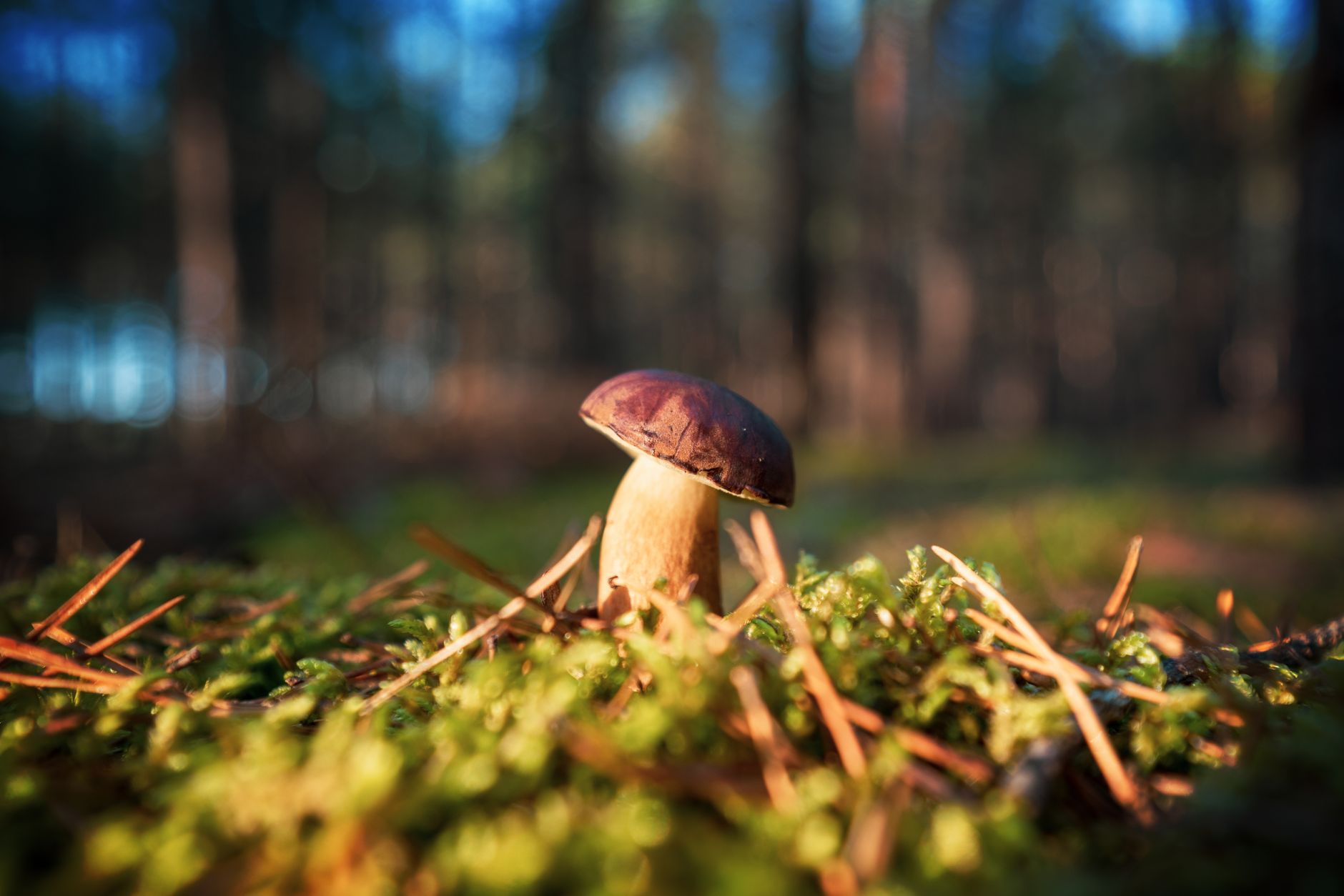
Elevated LDL cholesterol and high triglycerides are established risk factors for cardiovascular disease, and dietary approaches to managing lipid profiles continue to attract scientific attention. Several functional mushrooms contain bioactive compounds, including beta-glucans, polysaccharides, and sterols, that research suggests may influence lipid metabolism. This article reviews the current evidence across a range of species.
Why Lipid Management Matters
Dyslipidemia, characterized by elevated total cholesterol, high LDL, elevated triglycerides, or low HDL, is a primary driver of cardiovascular risk. While pharmaceutical interventions such as statins are well established, there is growing interest in whether dietary compounds, including certain functional mushrooms, may offer complementary support. Research suggests that the beta-glucans and polysaccharides found in edible fungi may interact with cholesterol absorption, bile acid synthesis, and hepatic lipid processing.
Shiitake and Triglyceride Levels
Shiitake (Lentinus edodes) contains eritadenine, a compound that studies indicate may influence cholesterol metabolism by affecting S-adenosylmethionine-dependent methyltransferase activity. A randomized, double-blind, placebo-controlled clinical trial examined the effects of shiitake-based supplement bars in individuals with borderline-high cholesterol. Participants in the intervention group showed a statistically significant 10% reduction in triglycerides after 66 days of consumption, and the researchers also noted improvements in oxidative stress markers including increased reduced glutathione and reduced lipid peroxidation.[1] These findings suggest shiitake may offer adjunctive value in supporting healthy lipid profiles, though further large-scale human trials are needed.
Oyster Mushroom (Pleurotus ostreatus) and Lipid Profiles
Oyster mushroom is one of the most researched edible fungi for cardiovascular-related endpoints. It contains lovastatin (mevinolin) in small quantities, along with beta-glucans and dietary fiber, which may collectively contribute to cholesterol-modulating activity.
A three-month nutritional intervention in a rural Mexican community found that participants consuming approximately 1 kg of Pleurotus ostreatus per week alongside a healthy diet showed reductions in total cholesterol, triglycerides, glucose, and visceral fat compared to a diet-only control group.[2] An animal study further demonstrated that both oyster mushroom and white button mushroom (Agaricus bisporus) extracts reduced total cholesterol, triglycerides, and LDL while improving HDL levels in hypercholesterolemic rats, with the 200 mg/kg dose showing a 15% reduction in total cholesterol and a 22% improvement in HDL.[3]
For a broader look at this species, see our overview of oyster mushroom health properties.
Maitake (Grifola frondosa) and Cholesterol Pathways
Maitake mushroom contains a diverse range of polysaccharides, including its distinctive D-fraction beta-glucan, that have been studied for both immune and metabolic effects. Research in hamsters fed a high-fat, high-cholesterol diet found that Grifola frondosa fruiting body preparations reduced serum triglycerides and cholesterol, with evidence suggesting the mechanism may involve upregulation of cholesterol-7alpha-hydroxylase, an enzyme central to bile acid synthesis and cholesterol clearance.[4] The polysaccharide fractions also demonstrated antioxidant activity and reduced LDL oxidation, which may be relevant to atherosclerotic risk beyond simple lipid numbers.
Reishi (Ganoderma lucidum) and Dyslipidemia
Reishi is among the most widely studied functional mushrooms, and several investigations have examined its potential effects on lipid metabolism. An experimental study using a fructose-induced metabolic syndrome model in rats found that administration of G. lucidum mycelium water extract over 14 days led to reductions in triglycerides (44.8%), total cholesterol (21.3%), and LDL (28.4%), alongside an increase in HDL (21.5%) compared to the metabolic syndrome control group.[5] The effects appeared dose-dependent on duration, with longer administration associated with greater improvements. As with most reishi research, these findings come from preclinical models, and direct extrapolation to human outcomes requires caution.
Proposed Mechanisms
Researchers have proposed several mechanisms by which functional mushrooms may influence cholesterol levels:
- Beta-glucan fiber: Soluble beta-glucans may increase bile acid excretion, prompting the liver to convert more cholesterol into bile acids, which reduces circulating LDL.
- Statin-like compounds: Some species, particularly oyster mushroom, contain naturally occurring lovastatin in small amounts, though concentrations vary considerably by species and preparation method.
- Antioxidant activity: By reducing oxidative stress, mushroom polyphenols and polysaccharides may help limit LDL oxidation, a key step in plaque formation.
- Gut microbiota modulation: Emerging research suggests that prebiotic effects of mushroom polysaccharides may indirectly influence cholesterol metabolism through changes in bile acid metabolism driven by the gut microbiome.
Important Limitations
Several caveats apply to this body of research. Most studies are conducted in animal models or small clinical trials, and effect sizes in human studies tend to be modest. The cholesterol-modulating effects of mushrooms are unlikely to be equivalent to pharmaceutical interventions, and functional mushrooms should not be used as a substitute for evidence-based lipid management strategies. Preparation methods, extraction solvents, dosage, and species variation all influence bioactivity and make comparisons across studies difficult.
Individuals taking lipid-lowering medications, particularly statins, should consult a healthcare provider before adding mushroom supplements, as interactions are possible.
Summary
Research suggests that several functional mushrooms, including shiitake, oyster mushroom, maitake, and reishi, may support healthy lipid profiles through beta-glucan fiber, antioxidant activity, and other proposed mechanisms. Current evidence is largely preclinical, with a smaller number of human trials showing modest but encouraging results. Further well-designed clinical research is needed to establish effective parameters and confirm applicability to diverse populations.
References
- 1. Spim SRV et al. Effects of Shiitake Culinary-Medicinal Mushroom, Lentinus edodes (Agaricomycetes), Bars on Lipid and Antioxidant Profiles in Individuals with Borderline High Cholesterol: A Double-Blind Randomized Clinical Trial. Int J Med Mushrooms. 2021;23(7):1-12. PMID: 34375514
- 2. Gonzalez-Bonilla A et al. Dietary Supplementation with Oyster Culinary-Medicinal Mushroom, Pleurotus ostreatus (Agaricomycetes), Reduces Visceral Fat and Hyperlipidemia in Inhabitants of a Rural Community in Mexico. Int J Med Mushrooms. 2022;24(9):49-61. PMID: 36004709
- 3. Iqbal T et al. Exploring Therapeutic Potential of Pleurotus ostreatus and Agaricus bisporus Mushrooms against Hyperlipidemia and Oxidative Stress Using Animal Model. Foods. 2024;13(5):709. PMID: 38472823
- 4. Wu WT et al. Polysaccharides of Grifola frondosa ameliorate oxidative stress and hypercholesterolaemia in hamsters fed a high-fat, high-cholesterol diet. J Pharm Pharmacol. 2022;74(9):1296-1306. PMID: 35567773
- 5. Petryn TS et al. Effect of the Lingzi or Reishi Medicinal Mushroom Ganoderma lucidum (Agaricomycetes) on Hyperglycemia and Dyslipidemia with Experimental Metabolic Syndrome. Int J Med Mushrooms. 2023;25(5):17-30. PMID: 37183916
Disclaimer: This article is for informational purposes only and does not constitute medical advice. Functional mushrooms are not intended to diagnose, treat, cure, or prevent any disease. Consult a qualified healthcare professional before making changes to your diet or supplement routine, particularly if you have an existing medical condition or take medications.