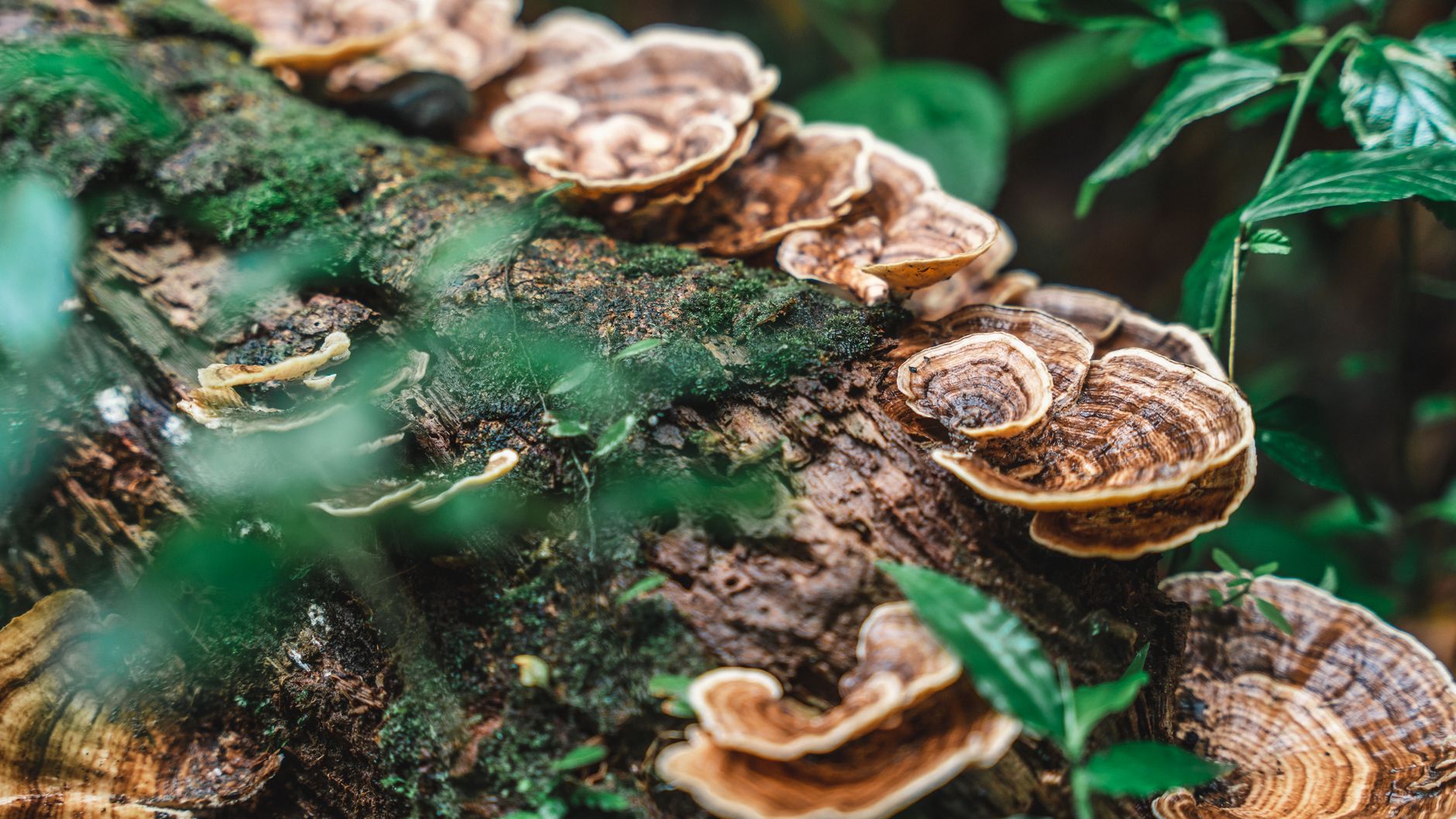
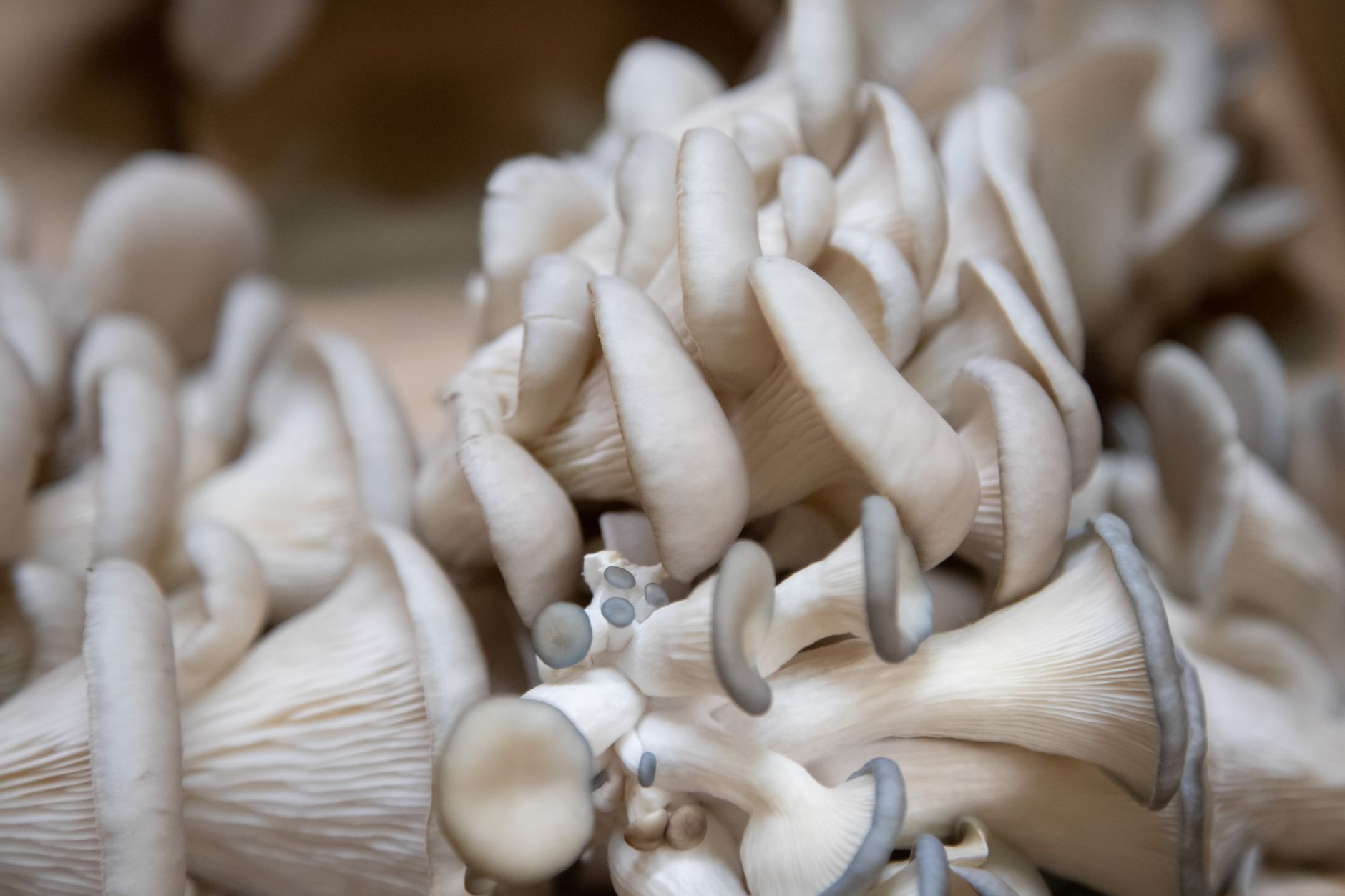
Pleurotus ostreatus, commonly known as the oyster mushroom, is among the world’s most widely cultivated edible fungi. Found growing on dead or dying hardwood trees across temperate regions, it has served as both a dietary staple and a subject of traditional medicine practice for centuries in East Asian cultures. In recent decades, modern research has examined its bioactive compound profile more closely, and findings suggest this familiar kitchen ingredient carries a range of properties relevant to immune function, lipid metabolism, and inflammatory regulation that extend well beyond its nutritional value.
Bioactive Compounds in Pleurotus ostreatus
The oyster mushroom’s health-relevant properties arise from a diverse array of compounds, including:
- Beta-glucans (pleuran) — The primary immunomodulatory fraction, pleuran is a beta-1,3/1,6-D-glucan found in the cell walls of the fruiting body. It has been the focus of several human clinical investigations.
- Lovastatin — A naturally occurring statin compound identified in measurable concentrations in certain Pleurotus strains. Lovastatin inhibits the HMG-CoA reductase enzyme involved in cholesterol biosynthesis.
- Ergothioneine — A sulfur-containing amino acid with antioxidant activity that resists standard cellular detoxification pathways. Pleurotus species are among the richer dietary sources.
- Phenolic compounds and flavonoids — Secondary metabolites with in vitro antioxidant and anti-inflammatory properties.
- Lectins and fungal immunomodulatory proteins (FIPs) — Protein fractions with reported effects on immune cell activity in experimental models.
A 2026 review in World Journal of Microbiology and Biotechnology summarizing the nutritional and bioactive profile of Pleurotus species confirmed that oyster mushrooms contain approximately 20 to 30 percent protein by dry weight, significant dietary fiber, and an array of these bioactive compounds, and concluded that their immunomodulatory and anti-inflammatory activities are supported by a growing research base.[1]
Immune Function: Clinical Evidence for Pleuran
Among functional mushrooms studied for immune support, oyster mushroom stands out for the extent of human clinical data on its beta-glucan fraction. Pleuran, the beta-1,3/1,6-glucan derived from P. ostreatus, has been administered in human studies assessing immune cell populations and clinical outcomes in several disease contexts.
A study published in Immunotherapy in 2022 examined the effect of oral pleuran supplementation on immune parameters in 195 patients with endocrine-dependent breast cancer in clinical and imaging remission. Researchers measured antitumor cellular immunity using flow cytometry. After 12 months, the pleuran group showed a statistically significant increase in the absolute number of CD3+, CD4+, CD8+ T lymphocytes, and CD19+ B lymphocytes compared with controls, whereas the control group showed decline in these populations. The authors suggested that pleuran may support immune rehabilitation of cellular antitumor immunity in this patient population, though the study was observational in design and larger randomized trials are needed to confirm these findings.[2]
A separate observational study published in Open Access Macedonian Journal of Medical Sciences investigated pleuran supplementation in 32 patients with chronic obstructive pulmonary disease (COPD) over a three-month period. Participants receiving a combination supplement containing pleuran experienced a significantly lower mean number of bacterial exacerbations and shorter mean exacerbation duration compared with a control group receiving vitamin C and zinc without pleuran. No adverse effects were reported during the study period. The authors noted the need for larger, randomized controlled trials to characterize the effect more precisely.[3]
In a broader review of mushroom compounds and immunity published in the Journal of Autoimmunity, researchers highlighted that a placebo-controlled study in athletes treated with beta-glucan from Pleurotus ostreatus provided evidence for immunomodulatory effects in a healthy population, while noting that standardization of mushroom strains, growing conditions, extraction methods, and storage all influence study outcomes and comparability.[4]
Cholesterol and Lipid Metabolism
The presence of lovastatin in oyster mushrooms has prompted investigation into their potential effects on lipid metabolism. Lovastatin is a well-characterized inhibitor of HMG-CoA reductase, the rate-limiting enzyme in cholesterol biosynthesis, and is used as a pharmaceutical agent in its purified form. Naturally occurring lovastatin concentrations in Pleurotus mushrooms are substantially lower than pharmaceutical doses, and the available evidence does not support oyster mushroom consumption as a substitute for prescribed lipid-lowering therapy.
A 2009 review in Nutrition Reviews examined beta-glucans from higher fungi, including pleuran from Pleurotus species, and noted that these polysaccharides may participate in physiological processes related to fat metabolism, including reductions in total blood cholesterol. The review identified both the immunostimulatory and the lipid-modifying properties of pleuran as areas with meaningful supporting evidence, while acknowledging the need for further controlled human research to establish clinical relevance.[5]
It is worth noting that the lovastatin content of commercial oyster mushroom products varies considerably by strain and cultivation method, and it is not typically measured or disclosed on supplement labels. Beta-glucan content is the more consistent and well-characterized bioactive marker for evaluating supplement quality in this species.
Antioxidant and Anti-inflammatory Properties
In vitro and preclinical research indicates that P. ostreatus extracts demonstrate antioxidant activity attributable to phenolic compounds, flavonoids, and ergothioneine. Ergothioneine in particular has attracted scientific attention as a stable, diet-derived antioxidant that accumulates in tissues exposed to oxidative stress. Mushrooms, including oyster mushrooms, are among the primary dietary sources of ergothioneine in omnivorous diets.
Anti-inflammatory effects have been documented in cell culture and animal models, with proposed mechanisms involving modulation of NF-kB signaling pathways, reduction of pro-inflammatory cytokines including TNF-alpha and IL-6, and inhibition of cyclooxygenase enzymes. These findings support the plausibility of anti-inflammatory effects in vivo, though clinical trials specifically examining inflammatory outcomes in humans are limited.
Nutritional Profile
Setting aside its pharmacologically active compounds, oyster mushroom’s basic nutritional composition is notable. It contains all essential amino acids, making it one of the more nutritionally complete plant-available protein sources. It is a meaningful source of B vitamins including riboflavin (B2), niacin (B3), and pantothenic acid (B5), as well as copper, potassium, and phosphorus. Like most fungi, it contains ergosterol, a precursor to vitamin D2 upon UV exposure.
Its dietary fiber content, including both soluble and insoluble fractions, contributes to the prebiotic-like properties observed in some gut microbiome studies. Oyster mushroom polysaccharides have been noted alongside other functional mushroom species for their potential to modulate colonic microbiota composition, which may carry secondary immune and metabolic implications.
Topical Applications: Pleuran and Skin
Beyond oral supplementation, pleuran has been studied for topical application. A study published in the Journal of Dermatological Treatment evaluated a beta-glucan-based cream containing pleuran in 105 patients with mild-to-moderate atopic dermatitis. The multicentre open split-body study reported significant improvements in objective eczema severity scores (EASI) and subjective pruritus scores on the pleuran-treated side compared with the untreated side, with the preparation well tolerated across participants. The authors described it as a potentially useful supportive therapy for atopic dermatitis, pending further confirmatory research.[6]
Supplement Forms and Quality Considerations
Oyster mushroom is available commercially in dried powder, extract, and encapsulated forms. As with other functional mushroom supplements, the primary quality indicator is beta-glucan content, which varies substantially between products depending on whether the source material is the fruiting body or mycelium grown on grain, and whether hot-water extraction was used to isolate soluble polysaccharides.
Pleuran, as a named and studied fraction, has a more defined compound profile than general “oyster mushroom extract” designations. Products standardized to a specific pleuran or beta-glucan percentage from fruiting body hot-water extraction are likely to more closely resemble the material used in published research. For a detailed breakdown of how to interpret beta-glucan and polysaccharide content claims on supplement labels, see our guide at How to Read a Mushroom Supplement Label: Beta-Glucans, Polysaccharides Explained.
Safety and Considerations
Oyster mushroom consumed as food has an excellent safety profile across centuries of culinary use. Pleuran in supplement form has been used in clinical studies without reported significant adverse effects. Individuals with autoimmune conditions or who take immunosuppressive medications should consult a healthcare provider before using oyster mushroom extracts, given the evidence for immune cell activation. Anyone with a known sensitivity to fungi should exercise appropriate caution.
References
- [1] Chaudhary A, et al. Pleurotus species: nutritional powerhouses and biotechnological assets in sustainable fungal research. World J Microbiol Biotechnol. 2026;42(3):126. PMID: 41803491
- [2] Spacek J, et al. Immunomodulation with beta-glucan from Pleurotus ostreatus in patients with endocrine-dependent breast cancer. Immunotherapy. 2022;14(1):31-40. PMID: 34784798
- [3] Minov J, et al. Effects of Pleuran (beta-glucan from Pleurotus ostreatus) Supplementation on Incidence and Duration of COPD Exacerbations. Open Access Maced J Med Sci. 2017;5(7):893-898. PMID: 29362614
- [4] Motta F, Gershwin ME, Selmi C. Mushrooms and immunity. J Autoimmun. 2021;117:102576. PMID: 33276307
- [5] Rop O, Mlcek J, Jurikova T. Beta-glucans in higher fungi and their health effects. Nutr Rev. 2009;67(11):624-31. PMID: 19906249
- [6] Jesenak M, et al. Beta-glucan-based cream (containing pleuran isolated from Pleurotus ostreatus) in supportive treatment of mild-to-moderate atopic dermatitis. J Dermatolog Treat. 2016;27(4):351-4. PMID: 26654776
Disclaimer: This article is for informational purposes only and does not constitute medical advice. Functional mushrooms are not intended to diagnose, treat, cure, or prevent any disease. Always consult a qualified healthcare professional before starting any new supplement, particularly if you have an existing medical condition or take prescription medications.