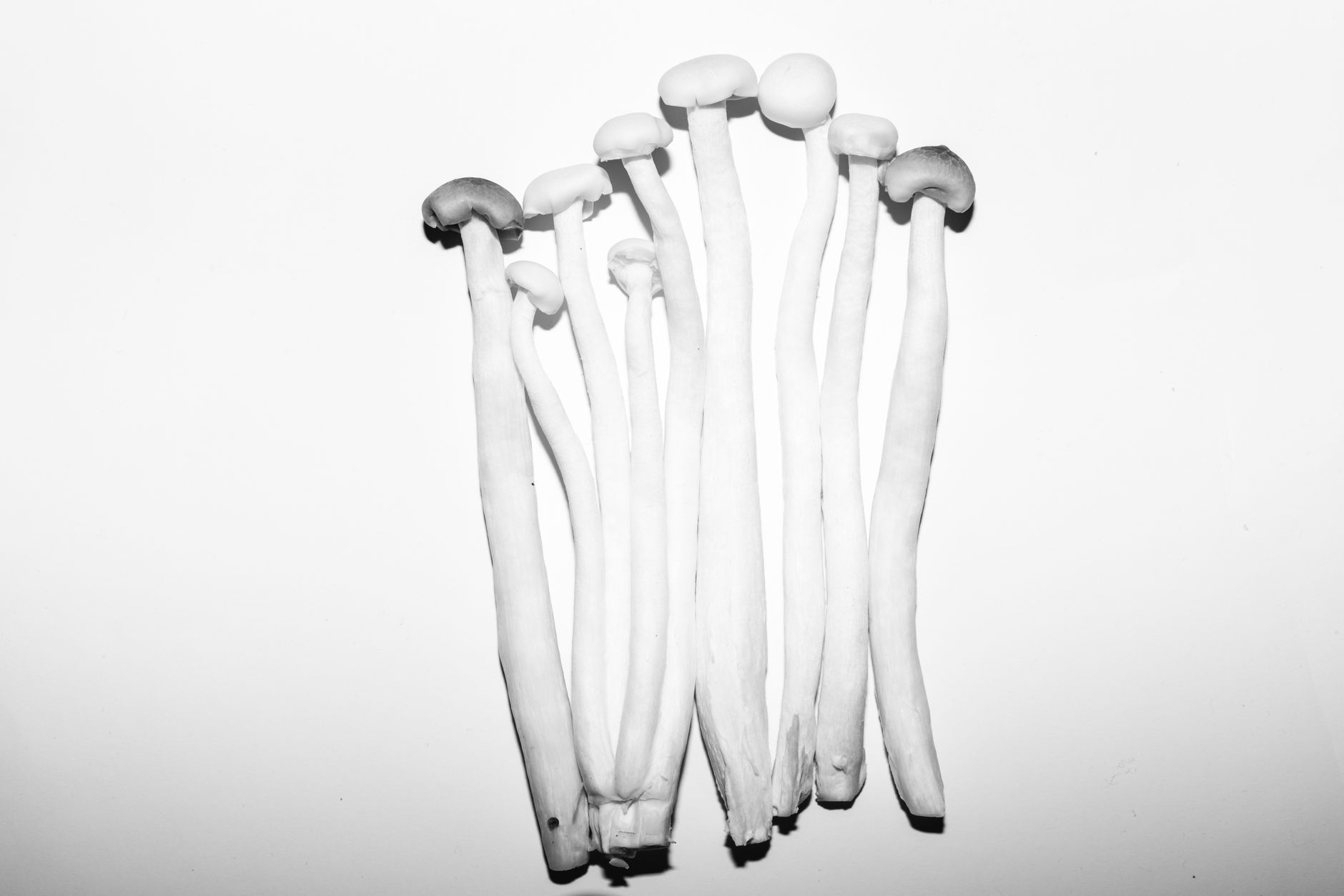
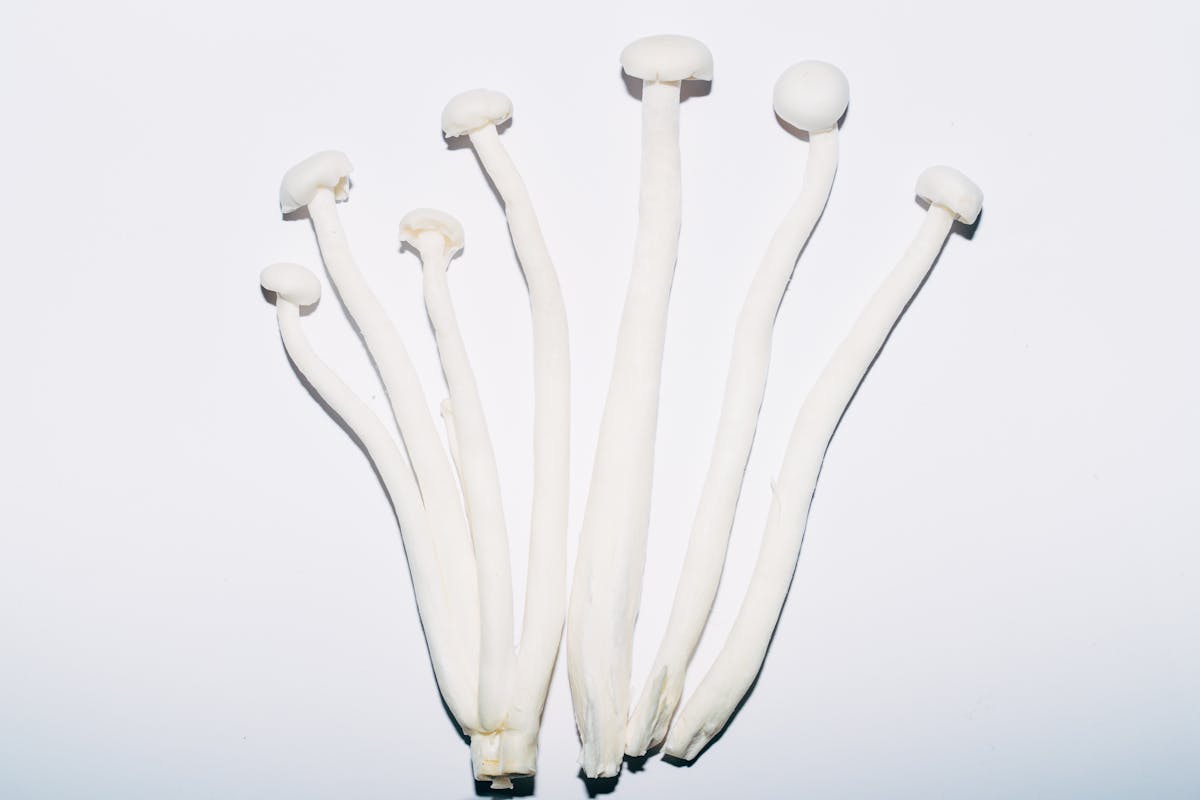
Enoki mushrooms (Flammulina velutipes) are among the most recognizable fungi in East Asian cuisine: long, slender white stems topped with tiny caps, sold in tight clusters at markets from Tokyo to Seoul. But beyond their culinary appeal, enoki have attracted significant scientific interest for their bioactive compounds and potential health applications. This article explores what traditional medicine has long claimed about enoki and what modern research is beginning to confirm.
A Mushroom with Deep Roots in Traditional Medicine
Enoki mushrooms have been cultivated in East Asia for over a thousand years. In traditional Chinese medicine, Flammulina velutipes was used to support digestive health, calm the liver, and bolster vitality. Japanese folk medicine similarly prized enoki as a tonic food, commonly consumed in hot pot dishes and soups during winter months. The mushroom was considered particularly beneficial for the elderly and those recovering from illness.
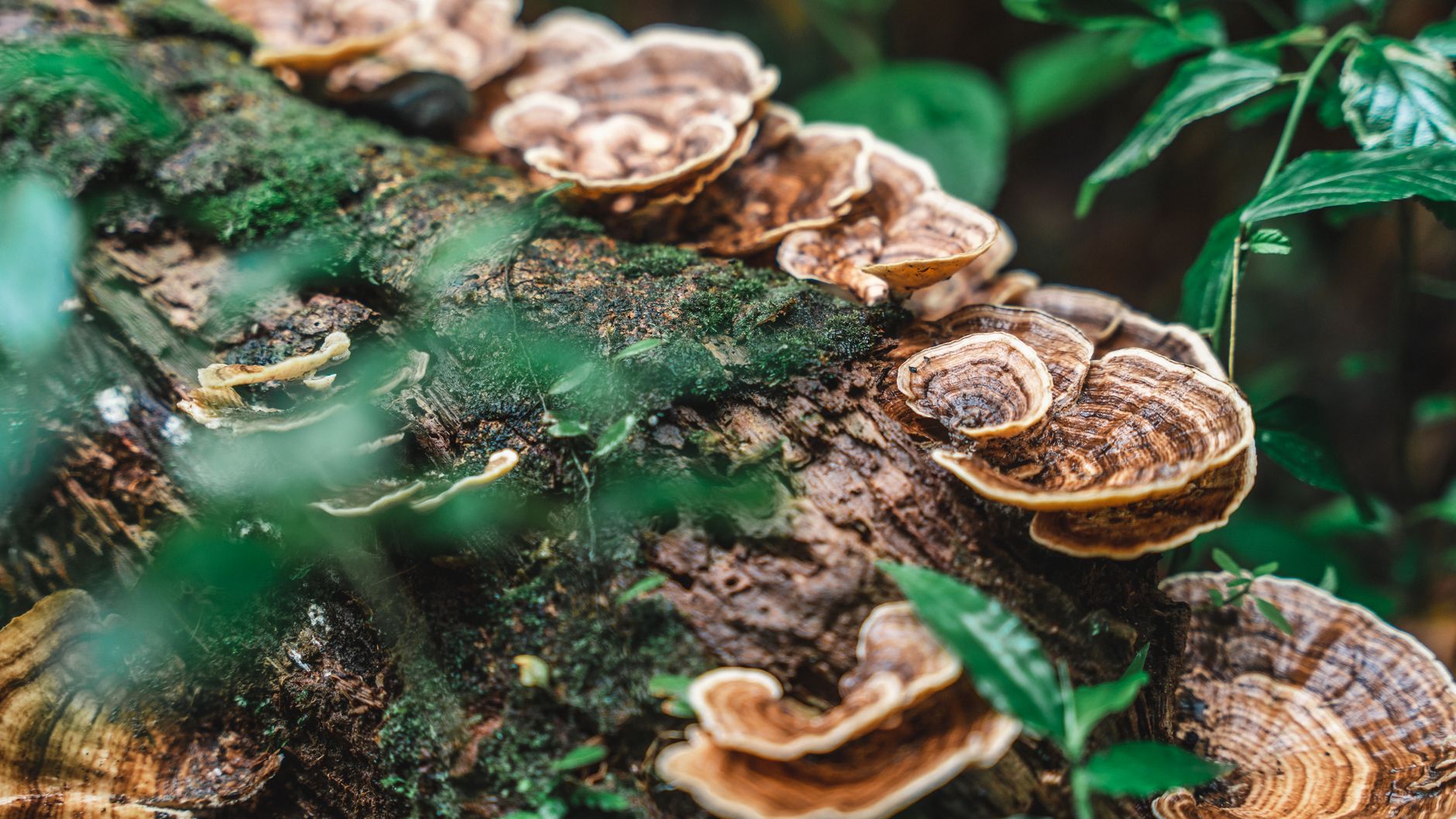
Wild enoki are quite different from their farmed counterparts. Grown outdoors on dead elm and other hardwood trees in autumn and winter, wild specimens are darker brown with shorter, broader caps. The white, elongated enoki sold commercially are grown in low-light, high-carbon-dioxide conditions, which explains their pale color and unique form. Both varieties share the same core set of bioactive compounds, though concentrations can vary.
Key Bioactive Compounds
Research has identified several classes of compounds in enoki mushrooms that may underlie their health effects:
Polysaccharides and Beta-Glucans
The most studied bioactives in enoki are its polysaccharides, particularly beta-glucan fractions. These complex carbohydrates are found in the cell walls of the mushroom and have been a focus of research for their immune-modulating and antitumor properties. A 2024 review published in a peer-reviewed journal outlined how Flammulina velutipes polysaccharides are extracted, purified, and studied for their structural features and bioactive mechanisms, noting their potential in food science and nutraceutical applications.[1]
FVE Protein: An Immunomodulatory Agent
One of the more intriguing discoveries in enoki research is a lectin-like protein called FVE. A 2010 study demonstrated that oral administration of the FVE protein activated both innate and adaptive immune responses in animal models and induced antitumor activity, suggesting that the whole mushroom may deliver immunological benefits through protein-based pathways in addition to polysaccharides.[2]
Flammulinol and Other Terpenoids
Enoki also contains sesquiterpene compounds, including flammulinol, which researchers are studying for their anti-inflammatory and potential antimicrobial properties. These terpenoids contribute to both the mushroom’s aroma profile and its broader bioactive signature.
Immune Support: What the Research Shows
The immune-supporting potential of enoki polysaccharides has been examined in multiple preclinical studies. A 2021 comprehensive review analyzed the extraction, purification, and molecular mechanisms of Flammulina velutipes polysaccharides, concluding that specific fractions demonstrated meaningful immunomodulatory activity in laboratory settings, including the ability to activate macrophages and promote cytokine production.[3]
A 2018 study examined polysaccharides from the stipe (stem base) of Flammulina velutipes and found effects on the growth of macrophage and tumor cell lines, adding to the body of evidence that enoki compounds can interact meaningfully with immune system cells.[4] Importantly, the majority of this research has been conducted in cell cultures or animal models; human clinical trials remain limited, and results should not be extrapolated directly to therapeutic use.
Nutritional Profile
From a straightforward nutritional standpoint, enoki mushrooms are low in calories and high in several micronutrients. A typical serving provides:
- B vitamins including niacin and riboflavin, which support energy metabolism
- Potassium and phosphorus for electrolyte balance and bone health
- Dietary fiber, including prebiotic fractions that may support gut microbiome diversity
- Trace amounts of copper and zinc, both important for immune function
The protein content of enoki is modest but notable for a plant-based food, and the amino acid profile includes several essential amino acids. This makes enoki a useful dietary addition for those on vegetarian or vegan diets looking to diversify their nutrient sources.
Gut Health and Prebiotic Potential
Emerging research suggests enoki polysaccharides may act as prebiotics, selectively feeding beneficial bacteria in the gut. The fiber fractions in enoki appear to resist digestion in the upper gastrointestinal tract and reach the colon where they can be fermented by gut microbes. This aligns with the broader interest in mushrooms as gut-health foods, a topic covered in our article on how functional mushrooms support the gut microbiome.
Culinary Integration vs. Supplement Form
Unlike some functional mushrooms that are primarily consumed as powders or extracts, enoki mushrooms are widely eaten as whole food. They are commonly found in hot pots, ramen, stir-fries, and salads throughout East Asia and are increasingly available in Western supermarkets. Eating the whole mushroom provides the full complement of bioactive compounds in their natural ratios, including the fiber matrix that may support gut health.
For those interested in supplement form, enoki extracts are available in capsule and powder formats, though quality and standardization vary considerably between manufacturers. As with any functional mushroom supplement, look for products that specify the beta-glucan content and extraction method on the label. Whole fruiting body extracts are generally preferred over mycelium-on-grain products, which may contain more filler starch than active compounds.
Safety Considerations
Enoki mushrooms are generally considered safe for healthy adults when consumed as food. However, raw enoki has been associated with Listeria monocytogenes contamination in several food safety incidents, which is why cooking is strongly recommended. From a supplement standpoint, high-dose enoki extracts have not been extensively studied for long-term safety in humans, and individuals who are pregnant, immunocompromised, or taking medications should consult a healthcare provider before adding concentrated mushroom extracts to their routine.
The Research Gap
Despite promising preclinical findings, human clinical trials on enoki mushrooms specifically remain sparse compared to better-studied species like lion’s mane, reishi, or turkey tail. Most of the immune and antitumor data comes from in vitro and rodent studies, which, while scientifically meaningful, cannot be directly translated to clinical recommendations. The field is evolving: as interest in functional mushrooms grows, enoki is likely to attract more rigorous human trials in the coming years.
References
- [1] Cai M, et al. Research progress and future development potential of Flammulina velutipes polysaccharides in the preparation process, structure, and bioactivity. Int J Biol Macromol. 2024. PMID: 38599436
- [2] Lin JY, Chou TB. Oral administration of an Enoki mushroom protein FVE activates innate and adaptive immunity and induces anti-tumor activity against murine hepatocellular carcinoma. Int Immunopharmacol. 2010. PMID: 19909827
- [3] Chen G, et al. Advances in the extraction, purification, structural-property relationships and bioactive molecular mechanism of Flammulina velutipes polysaccharides. Carbohydr Polym. 2021. PMID: 33278442
- [4] Fan L, et al. Effects of polysaccharides from the base of Flammulina velutipes stipe on growth of murine RAW264.7, B16F10 and L929 cells. Int J Biol Macromol. 2018. PMID: 29042281
This article is for informational purposes only and does not constitute medical advice. Always consult a qualified healthcare provider before starting any supplement.