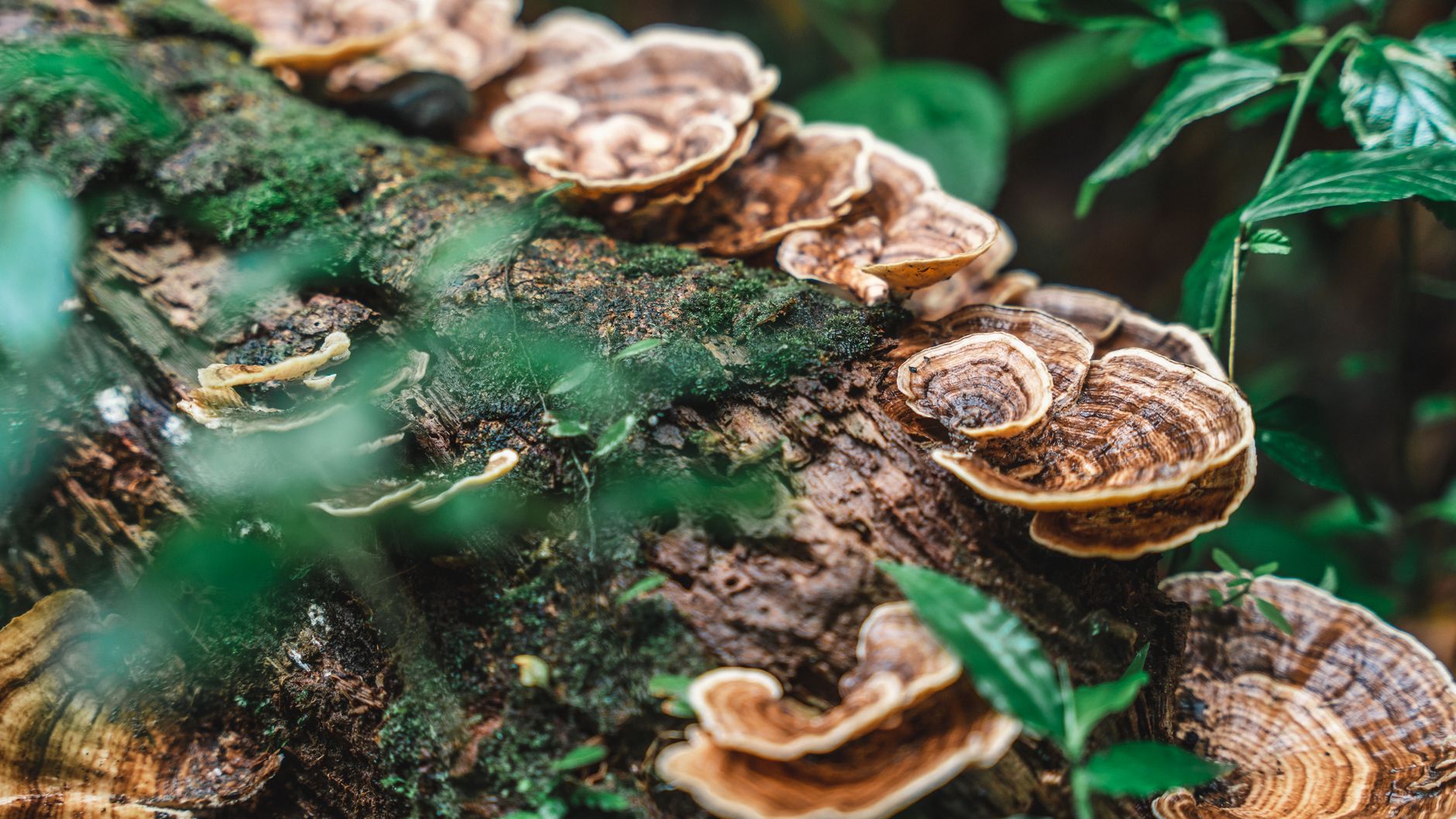
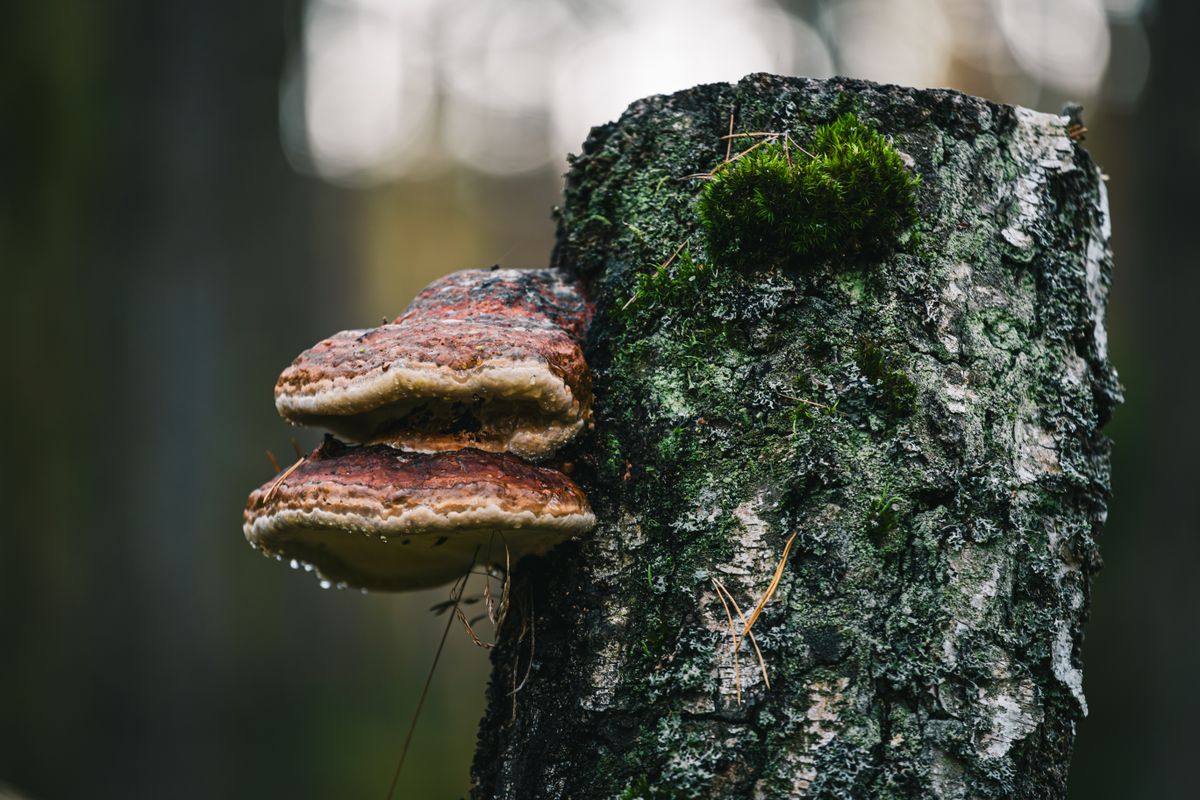
Antrodia camphorata, also known as Niu-Chang-Chih in traditional Taiwanese medicine, is a bracket fungus that grows exclusively on the inner heartwood of Cinnamomum kanehirai Hayata, an endangered native camphor tree found only in Taiwan. Its extreme habitat specificity and limited natural supply have made it one of the rarest and most expensive functional mushrooms in the world. Over the past two decades, a growing body of laboratory and preclinical research has examined its bioactive compounds, and interest in this species has expanded considerably within the scientific community.
What Makes Antrodia Camphorata Unique
Unlike most functional mushrooms that are widely cultivated, wild Antrodia camphorata is exceptionally difficult to obtain. Its dependence on a single, endangered host tree means that natural specimens are strictly regulated in Taiwan, and most commercial preparations today use mycelium cultivated via solid-state fermentation or submerged liquid fermentation. Research suggests the bioactive compound profiles may differ depending on the cultivation method and substrate, which is an important consideration when reviewing study findings.
The mushroom contains several classes of compounds that researchers have identified as potentially significant, including triterpenoids (particularly antroquinonol and related ubiquinone derivatives), polysaccharides, maleic and succinic acid derivatives, and sterols such as ergostatrien-3beta-ol. Each compound class has been examined in separate lines of research, though most studies to date remain preclinical.
Anti-Inflammatory and Immune-Related Research
One of the more extensively studied properties of Antrodia camphorata involves its polysaccharide fraction. A 2025 review published in the Journal of the Chinese Medical Association examined both sulfated and non-sulfated polysaccharides derived from this species and noted that both types demonstrated immunomodulatory and anti-inflammatory activity in laboratory models.[1] The review noted that the non-sulfated polysaccharides appeared particularly active in models of brain and liver inflammation, while the sulfated fraction showed activity in macrophage-mediated immune responses. These are in vitro and animal model findings, and extrapolation to human outcomes would require clinical trial evidence.
Antroquinonol: A Compound of Interest
Antroquinonol is a tetrahydro ubiquinone derivative found predominantly in the mycelium of Antrodia camphorata. A review published in Chemico-Biological Interactions summarized laboratory evidence suggesting this compound may possess free radical scavenging, hepatoprotective, antidiabetic, and antimicrobial properties, among others.[2] The same review noted that a phase II clinical trial was initiated in the United States and Taiwan to investigate its potential use in lung cancer patients, underscoring the degree to which this compound has attracted serious pharmacological attention. As of the review’s publication, those trials were ongoing and results were pending in the peer-reviewed literature.
Neuroprotective Properties in Preclinical Models
A 2022 study published in the Journal of Food Biochemistry investigated solid-state-cultured mycelium of Antrodia camphorata in a cell model of Parkinson’s disease using 6-hydroxydopamine-induced toxicity in PC12 cells.[3] The researchers found that mycelium extracts reduced cell toxicity, inhibited cell apoptosis, and appeared to preserve markers associated with dopaminergic neurons, including tyrosine hydroxylase and dopamine transporter levels. The study identified 11 compounds in the extract, including phenolic acid derivatives, ubiquinone derivatives, and a triterpenoid. The authors concluded that this fungus may warrant further investigation as a candidate for neuroprotective applications, though they emphasized that the work was conducted entirely in a cell-based model rather than in living organisms.
Emerging Research on Specific Bioactive Sterols
More recent research published in the European Journal of Pharmacology in 2026 examined ergostatrien-3beta-ol (designated EK100), a natural sterol isolated from Antrodia camphorata, in breast cancer cell models.[4] The study found that this compound inhibited migration and a form of treatment resistance in cancer cells, and identified a potential mechanistic pathway involving microRNA regulation. While the findings are preliminary and restricted to laboratory and animal models, they illustrate the breadth of bioactive constituents being identified in this species and the range of biological pathways researchers are exploring.
Traditional Use Context
In Taiwan, Antrodia camphorata has been used in traditional medicine for conditions including liver disease, fatigue, abdominal pain, and hangover recovery. Its hepatoprotective reputation in folk medicine has driven much of the early laboratory research, and some studies have supported the hypothesis that certain compounds in the fungus may influence liver enzyme activity in animal models. However, no large-scale clinical trials in humans have confirmed these traditional uses to the standard required for medical claims.
How It Compares to Other Rare Functional Mushrooms
Antrodia camphorata occupies a similar niche to other geographically restricted medicinal fungi. If you are interested in exploring the category of rare functional species with limited natural distribution, the article on Agarikon mushroom covers another example of a species with a restricted range and emerging preclinical research profile. Like Antrodia, Agarikon is primarily studied in laboratory settings with limited human clinical data available.
Availability and Supplement Considerations
Because wild Antrodia camphorata is legally protected in Taiwan and extremely scarce, virtually all commercial products use cultivated mycelium. Supplement forms include capsules, tablets, and concentrated extracts. The research noted above was primarily conducted on specific extracts or isolated compounds under controlled laboratory conditions, which may not directly correspond to the bioactive content of commercially available products. Consumers should look for products that disclose cultivation method, extraction process, and third-party testing for identity and purity.
Given its rarity and cost, adulteration and mislabeling are reported concerns in the marketplace. A certificate of analysis from a reputable independent laboratory can help verify that a product contains the declared species and has been screened for contaminants.
Summary
Antrodia camphorata is a functionally complex and bioactively rich species that has generated meaningful scientific interest, particularly in Taiwan where it holds cultural and traditional significance. Research to date indicates that its polysaccharide and triterpenoid fractions may support anti-inflammatory, hepatoprotective, and neuroprotective effects in laboratory models. Clinical evidence in humans remains limited, and most findings should be interpreted as preliminary. For individuals interested in functional mushrooms with a distinctive research history, this species represents an area of active and expanding scientific inquiry.
References
- 1. Lin ZH, et al. Anti-inflammatory and anticancer effects of polysaccharides from Antrodia cinnamomea: A review. J Chin Med Assoc. 2025;88(1):1-11. PMID: 39467830
- 2. Angamuthu V, et al. Pharmacological activities of antroquinonol – Mini review. Chem Biol Interact. 2019;297:8-15. PMID: 30343039
- 3. Zou XG, et al. Solid-state-cultured mycelium of Antrodia camphorata exerts potential neuroprotective activities against 6-hydroxydopamine-induced toxicity in PC12 cells. J Food Biochem. 2022;46(8):e14208. PMID: 35467031
- 4. Rengamanar H, et al. Ergostatrien-3beta-ol suppresses breast cancer anoikis resistance and metastasis by targeting the miR-93-5p/leupaxin axis. Eur J Pharmacol. 2026;1029:179022. PMID: 42191085
Disclaimer: The information in this article is for educational purposes only and does not constitute medical advice. Antrodia camphorata supplements are not approved by the FDA for the diagnosis, treatment, cure, or prevention of any disease. Consult a qualified healthcare provider before adding any new supplement to your routine.