Walk into any supplement store and you’ll see shelves lined with mushroom products. Some are labeled “full-spectrum,” others “extract,” and many don’t explain the difference at all. For consumers trying to make an educated choice, this gap in clarity matters: the form of a mushroom supplement can significantly influence whether you actually absorb the bioactive compounds your body needs.
This article breaks down the science behind both forms, looks at what the research says, and helps you figure out which option makes more sense depending on your goals.
What Is a Full-Spectrum Mushroom Supplement?
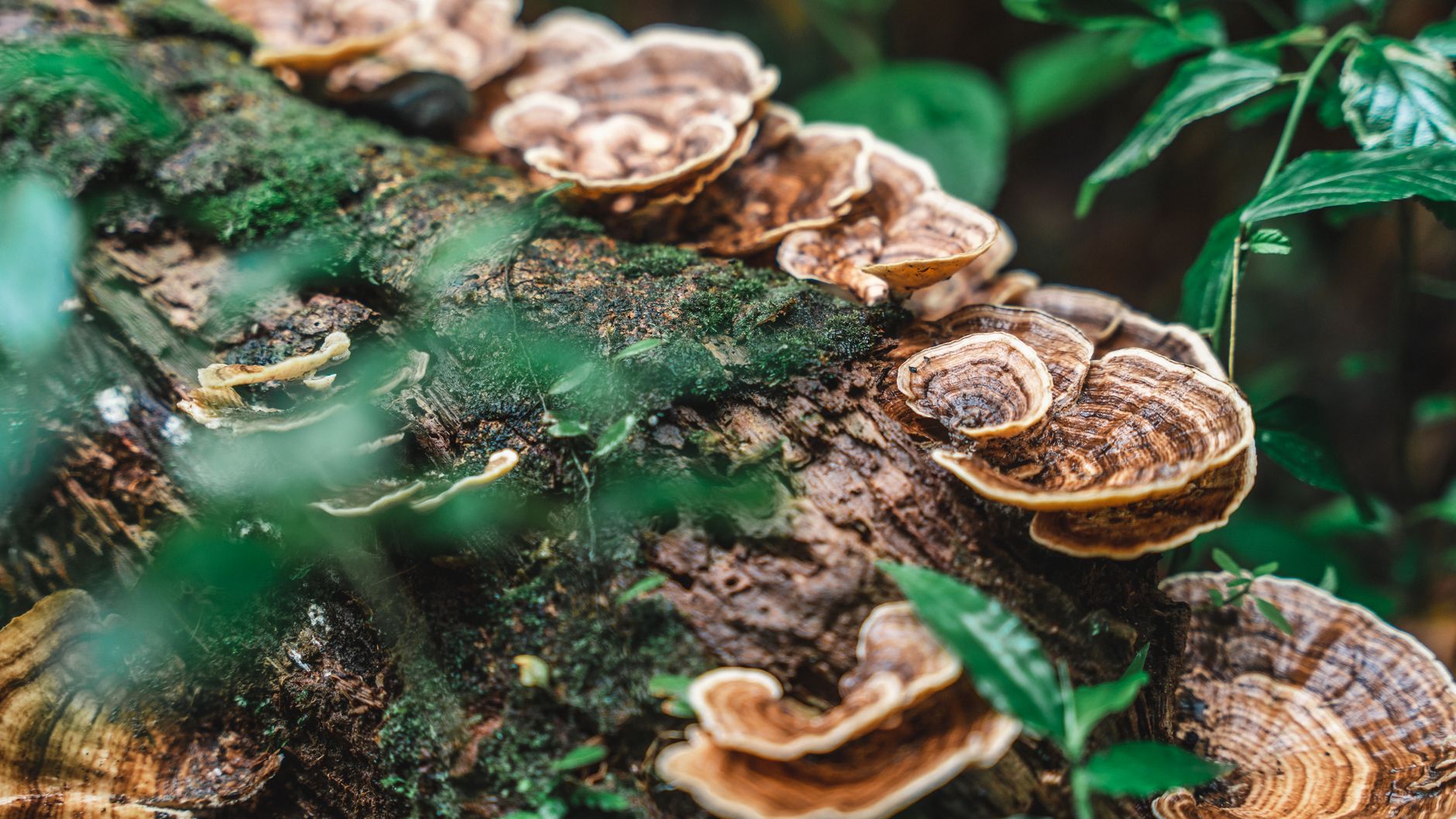
Full-spectrum mushroom supplements are made from the whole fruiting body or mycelium of the mushroom, dried and powdered with minimal processing. The idea is to preserve every compound present in the mushroom: beta-glucans, triterpenes, polysaccharides, amino acids, enzymes, and hundreds of other phytochemicals that exist together in their natural ratios.
Proponents of full-spectrum products argue that these compounds work synergistically. In other words, isolating one active ingredient may not capture the full effect you’d get from the whole mushroom. This concept is sometimes called the “entourage effect” and is commonly discussed in plant medicine research.
However, there is a critical limitation: many of the beneficial compounds in mushrooms are locked inside chitin, the tough structural material that makes up fungal cell walls. The human digestive system lacks the enzyme chitinase in meaningful quantities, which means raw or minimally processed mushroom powder may pass through largely undigested. [1]
What Is a Mushroom Extract?
Mushroom extracts go through an additional processing step: hot water extraction, alcohol extraction, or a dual-extraction method that combines both. This process breaks down the chitin and releases the bioactive compounds in a more bioavailable form.
Hot water extraction is particularly effective at releasing beta-glucans, the immunomodulatory polysaccharides that have the most robust body of clinical research behind them. Alcohol extraction is better suited for fat-soluble compounds like triterpenes, which are central to Reishi’s adaptogenic and anti-inflammatory profile.
Dual extracts attempt to capture both. This is why high-quality Reishi supplements typically use dual extraction: Reishi contains both significant beta-glucan content and a dense concentration of triterpenes, and single-method extraction would leave one category behind.
What the Research Actually Shows
Most clinical and preclinical research on functional mushrooms has been conducted using extracts rather than raw whole-mushroom powders. This is worth noting when evaluating product claims: if a company points to a study on Lion’s Mane and nerve growth factor (NGF) stimulation, that study was almost certainly conducted using a standardized extract.
A study published in Phytotherapy Research examined Lion’s Mane extract and its effects on cognitive function in older adults with mild cognitive impairment. Participants in the study used a specific extract preparation over a 16-week period and showed statistically significant improvements in cognitive function scores compared to the placebo group. [2]
Similarly, research on Turkey Tail mushroom’s immunomodulatory properties has consistently used polysaccharopeptide (PSP) and polysaccharide-K (PSK) fractions, both of which are extracted and concentrated forms rather than whole dried powder.
This pattern in the literature suggests that for evidence-based supplementation, extract products more closely mirror the conditions under which positive outcomes were observed.
Beta-Glucan Percentage: The Number That Actually Matters
One of the clearest ways to evaluate a mushroom supplement is to look at the beta-glucan percentage listed on the label. A high-quality extract is typically standardized to a specific beta-glucan content, often in the range of 20 to 40 percent. This standardization tells you something meaningful about potency and consistency.
Full-spectrum powders, by contrast, rarely list beta-glucan percentages because they vary batch to batch and the bioavailability question hasn’t been resolved. Some full-spectrum products include a lab certificate, but the total polysaccharide figure (which is often listed instead) can include starches and other non-therapeutic sugars that inflate the number without adding functional value.
If you are comparing two products and one lists a verified beta-glucan percentage while the other only lists total polysaccharides, the standardized extract is almost always the more transparent and reliable choice.
Is There Any Case for Full-Spectrum?
Yes, but it is narrower than marketing language often implies. Full-spectrum products may retain compounds that get stripped out during extraction, and some researchers believe these minor compounds could have synergistic effects not yet identified in clinical research. This is a reasonable hypothesis, but it remains largely theoretical at this point.
There is also a cost argument: full-spectrum powders are generally less expensive to produce, which can make them a reasonable entry-level option for someone experimenting with functional mushrooms for the first time. They may also be preferable in culinary applications, where taste and texture matter alongside bioactivity.
For specific use cases like culinary blending, smoothie additions, or general wellness maintenance without a specific therapeutic target, full-spectrum products are a perfectly valid option.
The Mycelium Problem
An important distinction that cuts across both full-spectrum and extract products is whether the supplement is made from the fruiting body or from mycelium grown on grain. Many products sold in the United States are mycelium-on-grain products, meaning the mycelium was grown on a grain substrate (typically oats or rice) and then dried and processed without separating the fungal material from the grain.
This matters because mycelium-on-grain products can contain substantial amounts of grain starch, which dilutes the actual mushroom content. Independent lab analyses have found that some popular products contain more grain starch than fungal beta-glucans. This applies to both full-spectrum and extract claims: a “full-spectrum mycelium extract” from grain substrate may be significantly less potent than a fruiting-body extract standardized to a known beta-glucan percentage.
For a deeper look at how to evaluate what is actually in your mushroom supplement, see our guide on how to read a mushroom supplement label.
Practical Takeaway
For most people with a specific health goal, a dual-extracted or hot-water-extracted product made from the fruiting body, standardized to a verified beta-glucan percentage, is the stronger scientific choice. The research base for functional mushrooms largely rests on extract preparations, and bioavailability is genuinely superior when chitin has been broken down through extraction.
Full-spectrum products are not without value, but they work best when sourced from reputable suppliers with third-party testing and clear labeling. In either case, scrutinizing the label before you buy is the most important step you can take.
This article is for informational purposes only and does not constitute medical advice.
References
This article is for informational purposes only and does not constitute medical advice. Always consult a qualified healthcare provider before starting any supplement.