Can Lion’s Mane Help With ADHD? What the Research Says
Attention-deficit/hyperactivity disorder affects an estimated 366 million adults worldwide, yet pharmaceutical options remain limited and come with significant side effects for many people. Against that backdrop, functional mushrooms have attracted growing scientific curiosity. Lion’s Mane (Hericium erinaceus) in particular has emerged as one of the most studied nootropic fungi, largely because of its well-documented effects on nerve growth factor (NGF) synthesis. But does the ADHD connection hold up under scientific scrutiny?
This article breaks down what the current research says, where the evidence is strong, where it is still preliminary, and what to realistically expect if you are exploring Lion’s Mane as a complement to ADHD management strategies.
What Is ADHD, and Why Is NGF Relevant?
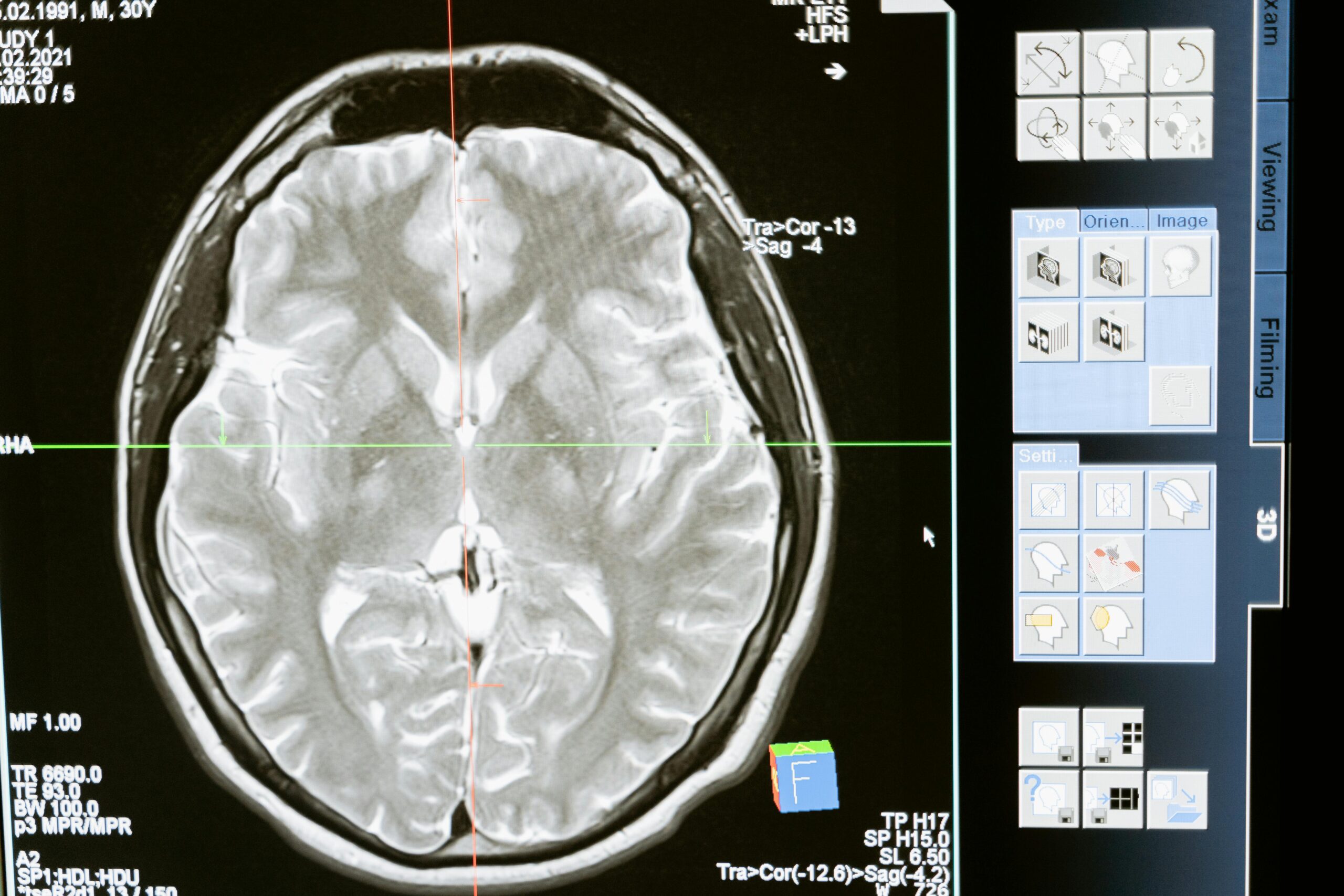
ADHD is characterized by dysregulation in dopaminergic and noradrenergic pathways in the prefrontal cortex, a region responsible for working memory, impulse control, and sustained attention. While the dominant pharmaceutical approach targets dopamine reuptake, researchers have increasingly asked whether promoting neuronal health itself could address some of the underlying structural features of ADHD.
This is where nerve growth factor (NGF) enters the picture. NGF is a signaling protein that supports the survival, growth, and maintenance of neurons, including cholinergic neurons that play a direct role in attention and learning. Low NGF levels have been associated with cognitive impairment in several conditions.[1]
Lion’s Mane contains two families of compounds, hericenones and erinacines, that have been shown to cross the blood-brain barrier and stimulate NGF synthesis in the brain.[2] This mechanism provides the biological plausibility for cognitive and attentional benefits, though direct ADHD research is still in early stages.
What the Clinical Evidence Shows
Cognitive Performance and Focus
A randomized, double-blind, placebo-controlled trial published in Biomedical Research found that adults over 50 who consumed Lion’s Mane extract over a 16-week period showed significantly improved cognitive function scores compared to placebo, with scores declining again after supplementation stopped.[3]
A 2025 study involving healthy young adults found that a single dose of Lion’s Mane extract led to modest but measurable improvements in speed of performance on cognitive tasks, including attention-based assessments.[4] While this is not an ADHD population, the findings suggest relevance to attention function more broadly.
Anxiety and Emotional Dysregulation
Emotional dysregulation is increasingly recognized as a core feature of ADHD, not just a comorbidity. A placebo-controlled study in women found that Lion’s Mane supplementation over four weeks significantly reduced anxiety and depression scores.[5] If replicated in broader populations, this could be meaningful given how often emotional regulation challenges accompany inattentive-type ADHD.
Neurogenesis and Structural Brain Support
ADHD is associated with differences in cortical thickness and delayed cortical maturation. Animal research has demonstrated that erinacines, the bioactive diterpenes unique to Lion’s Mane mycelium, can promote hippocampal neurogenesis and support myelin production.[6] Whether these structural effects translate meaningfully to ADHD symptoms in humans remains an open question requiring dedicated clinical trials.
Lion’s Mane vs. Stimulant Medications: A Realistic Comparison
It is important to be honest here. Stimulant medications like amphetamine salts and methylphenidate have decades of clinical data and produce rapid, measurable symptom relief in a majority of people with ADHD. Lion’s Mane is not a replacement for prescription therapy in diagnosed cases.
What Lion’s Mane may offer is a complementary role: supporting the underlying neural environment, reducing anxiety that can worsen attentional symptoms, and providing neuroprotective effects over time. As we explored in our article on what Lion’s Mane actually does to your brain, the mushroom works through mechanisms that are fundamentally different from stimulant drugs, with a notably different safety profile.
For individuals who experience significant side effects from stimulants, or who are exploring non-pharmaceutical strategies for mild attentional challenges, Lion’s Mane represents one of the more evidence-supported natural options available. If you are wondering about timelines, our breakdown of how Lion’s Mane enhances memory and focus covers what to expect in the first weeks of use.
By the Numbers
- 366 million adults worldwide estimated to have ADHD[7]
- 16 weeks was the supplementation period in the landmark Lion’s Mane cognitive trial showing significant improvement[3]
- 2 unique compound families (hericenones and erinacines) that stimulate NGF synthesis[2]
- 60%+ of adults with ADHD also experience significant anxiety or mood dysregulation, making Lion’s Mane’s anxiolytic findings relevant[5]
- 4 weeks was the minimum timeframe for mood-related benefits in controlled studies
What to Look For in a Lion’s Mane Supplement
Not all Lion’s Mane products are created equal. For ADHD-related goals, you want a supplement that specifies its extraction method and beta-glucan content. Fruiting body extracts tend to be richer in hericenones, while mycelial extracts contain erinacines. Some research suggests erinacines may be particularly potent for NGF stimulation.
Look for products that have been third-party tested for heavy metals and adulterants, and be cautious of proprietary blends that don’t disclose the actual Lion’s Mane content per serving. For a full guide to evaluating mushroom supplement labels, see our article on how to read a mushroom supplement label.
Those managing hormonal health alongside cognitive performance may also find relevant perspective at Modern Men’s Health, which covers the intersection of hormonal balance, brain function, and supplementation strategies.
Key Takeaways
- Lion’s Mane stimulates NGF synthesis through hericenones and erinacines, supporting neuronal health relevant to attention and cognition
- Clinical trials show cognitive improvements in aging adults and healthy young adults, but dedicated ADHD-population studies are still lacking
- Lion’s Mane shows anxiolytic effects that may be relevant given the high co-occurrence of anxiety in ADHD
- It is not a replacement for prescribed ADHD treatments but may serve as a complementary support tool
- Fruiting body extracts with disclosed beta-glucan content are preferred for cognitive applications
- Benefits appear to require consistent use over several weeks, not immediate effects
Sources
- https://pubmed.ncbi.nlm.nih.gov/20170684/ ; NGF, cholinergic neurons, and cognitive function
- https://pubmed.ncbi.nlm.nih.gov/29951133/ ; Neurohealth properties of Hericium erinaceus mycelia enriched with erinacines
- https://pubmed.ncbi.nlm.nih.gov/18844328/ ; Randomized trial: Lion’s Mane and cognitive function in older adults
- https://pubmed.ncbi.nlm.nih.gov/40276537/ ; Acute effects of standardised Hericium erinaceus extract on cognition in healthy younger adults
- https://pubmed.ncbi.nlm.nih.gov/20834180/ ; Lion’s Mane reduces anxiety and depression in women
- https://pubmed.ncbi.nlm.nih.gov/27350344/ ; Erinacines promote hippocampal neurogenesis
- https://pubmed.ncbi.nlm.nih.gov/38388701/ ; Global prevalence of ADHD in adults
This article is for informational purposes only and does not constitute medical advice. Consult a qualified healthcare provider before making any changes to your health regimen.
References
- 1. https://pubmed.ncbi.nlm.nih.gov/20170684/
- 2. https://pubmed.ncbi.nlm.nih.gov/29951133/
- 3. https://pubmed.ncbi.nlm.nih.gov/18844328/
- 4. https://pubmed.ncbi.nlm.nih.gov/40276537/
- 5. https://pubmed.ncbi.nlm.nih.gov/20834180/
- 6. https://pubmed.ncbi.nlm.nih.gov/27350344/
- 7. https://pubmed.ncbi.nlm.nih.gov/38388701/
This article is for informational purposes only and does not constitute medical advice. Always consult a qualified healthcare provider before starting any supplement.