Psilocybin and Neuroplasticity: How It Rewires the Brain
For decades, psychiatry’s dominant model of treating depression, anxiety, and trauma focused primarily on correcting chemical imbalances, adjusting serotonin or dopamine levels to normalize mood. Psilocybin research is challenging that framework not by replacing neurochemistry, but by introducing a different concept entirely: the idea that certain mental health conditions may be disorders of rigid, entrenched neural patterns, and that psilocybin may work by disrupting those patterns and allowing the brain to form new connections.
This is the neuroplasticity hypothesis, and it is backed by some of the most compelling neuroscience to emerge from psychiatric research in the past two decades.
Understanding Neuroplasticity
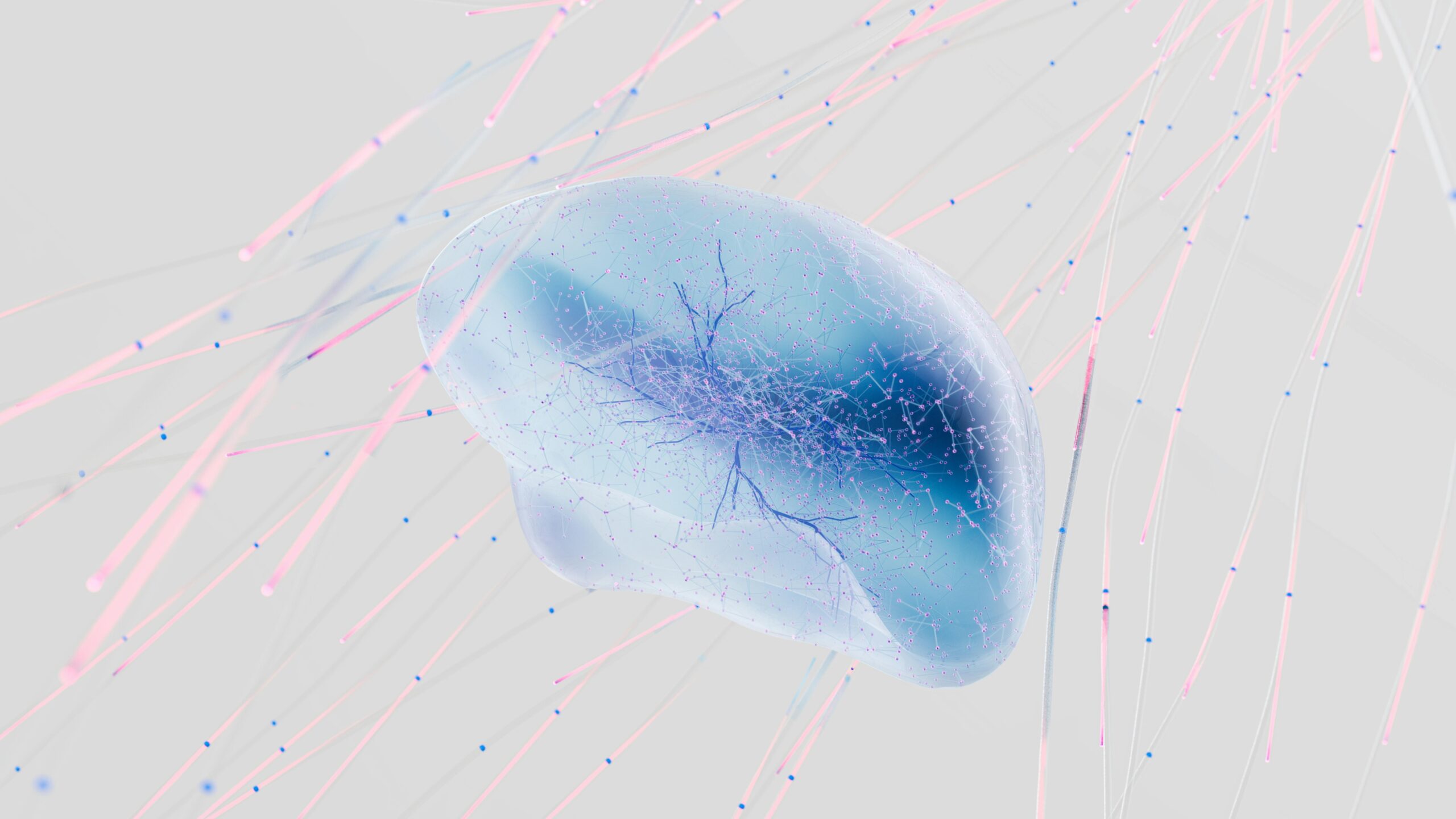
Neuroplasticity refers to the brain’s ability to reorganize itself by forming new neural connections throughout life. For much of the twentieth century, the dominant view held that the adult brain was largely fixed in structure. Research over the past 30 years has overturned that assumption entirely, demonstrating that experience, learning, and certain interventions can reshape neural architecture at multiple levels.
In conditions like treatment-resistant depression, obsessive-compulsive disorder, and PTSD, researchers have observed hyper-connectivity within specific brain networks, particularly the default mode network (DMN), at the expense of flexible, adaptive thinking. The DMN is the network active during self-referential thought, rumination, and mind-wandering. When it becomes too dominant and too rigid, the result can be the stuck, looping quality characteristic of depression and anxiety.
What Psilocybin Does to the Brain
Default Mode Network Disruption
One of the most replicated findings in psilocybin neuroimaging research is the acute disorganization of the default mode network during the psychedelic experience. A landmark study using precision longitudinal fMRI found that a single dose of psilocybin massively disrupts functional connectivity across the brain, with the strongest effects in the default mode network, which is linked to our sense of space, time, and self. Psilocybin-driven connectivity changes were strongly correlated with the subjective psychedelic experience and caused persistent reductions in hippocampal-default mode network connectivity lasting for weeks, which researchers have proposed as a possible neuroanatomical correlate of the compound’s neuroplastic and therapeutic effects.[1]
Critically, the disruption appears to be temporary but consequential. After the acute experience, many participants show increased cross-network connectivity, meaning brain regions that rarely communicate begin talking to each other. Researchers have described this as a “brain reset” effect, though the precise mechanisms remain under investigation.
Synaptogenesis: New Synaptic Connections
Beyond network-level changes, emerging research has examined psilocybin’s effects at the synaptic level. A study found that a single dose of psilocybin in pigs produced increases in synaptic density (measurable in the hippocampus within 24 hours and in both hippocampus and prefrontal cortex at 7 days) while simultaneously reducing 5-HT2A receptor density, suggesting that psilocybin-induced neuroplasticity may involve both structural synaptogenesis and receptor-level recalibration.[2] Parallel animal research has found that psilocybin produces rapid and sustained increases in synapse density in the prefrontal cortex, measurable within 24 hours and persisting for at least a month, with accompanying improvements in stress-related behavioral measures.
5-HT2A Receptor Agonism: The Starting Mechanism
Psilocybin is converted in the body to psilocin, which acts as an agonist at serotonin 5-HT2A receptors. These receptors are densely concentrated in cortical pyramidal neurons, and their activation appears to trigger the downstream cascade of effects on network connectivity, BDNF expression, and synaptogenesis. Neuroimaging research has directly demonstrated that psilocybin’s cerebral blood flow effects are mediated through 5-HT2A receptor activation, with ketanserin (a 5-HT2A blocker) abolishing these effects.[3] Understanding this pathway has helped researchers identify other compounds that may share some of psilocybin’s neuroplastic properties without the full psychedelic effect, a key area of pharmaceutical development.
The Clinical Translation
The neuroplasticity findings help explain the clinical outcomes that have drawn such intense scientific attention. In treatment-resistant depression trials at Johns Hopkins, NYU, and Imperial College London, psilocybin-assisted therapy has produced response rates substantially higher than those seen with conventional antidepressants. A randomized clinical trial found that one or two administrations of psilocybin with psychological support produced antidepressant effects in patients with major depressive disorder, with the primary outcome assessments completed at four weeks post-treatment showing sustained reductions in depression scores.[4]
The hypothesis is that the neuroplastic window opened by psilocybin, enhanced connectivity, increased synaptic density, reduced DMN rigidity, allows psychological insights gained during the experience or in subsequent therapy to take root more durably. This is why the therapeutic model emphasizes the combination of the compound with structured psychological support, not the compound alone.
For a broader overview of psilocybin’s mechanisms and history, see our article on what psilocybin is and how it works. And for the latest clinical depression findings, our piece on what clinical trials are showing about psilocybin and depression in 2026 covers the current state of the evidence.
Neuroplasticity Beyond Depression
Researchers are now investigating whether psilocybin’s neuroplastic effects have relevance beyond mood disorders. Preliminary and ongoing trial data suggest potential applications in:
- PTSD: Where rigid fear memory consolidation may benefit from a period of increased synaptic malleability
- Addiction: Where entrenched behavioral patterns and cue-response loops may be disrupted by the same network-level reset observed in depression
- OCD: Where hyperactivation of corticostriatal loops may be temporarily relieved, with sustained therapeutic benefit reported in pilot trials
- Anorexia: Where rigidity of self-perception and thought patterns around food may respond to increased cognitive flexibility
None of these applications should be interpreted as established treatments. All remain in various stages of clinical investigation, and psilocybin is a Schedule I controlled substance in most jurisdictions.
By the Numbers
- 24 hours — the timeframe within which increased hippocampal synapse density was measurable after a single psilocybin administration in pig research; prefrontal cortex increases were significant at 7 days[2]
- 1 month — duration that synaptic changes persisted in parallel animal studies
- 71% — response rate (≥50% reduction in depression score) observed in psilocybin-assisted therapy for major depressive disorder in the Johns Hopkins randomized clinical trial[4]
Important Caveats
The science is compelling, but several important limitations apply:
- Most neuroplasticity findings are from animal models; direct human synaptic data remains limited
- Psilocybin carries real psychological risks, particularly for individuals with personal or family history of psychosis
- Outside of clinical trial contexts, access to safe, supervised psilocybin therapy is limited in most jurisdictions
- The “neuroplastic window” hypothesis, while supported by mounting evidence, has not been definitively established as the primary mechanism of therapeutic benefit
References
- [1] Siegel et al. Psilocybin desynchronizes the human brain. Nature, 2024.
- [2] Raval et al. A Single Dose of Psilocybin Increases Synaptic Density and Decreases 5-HT2A Receptor Density in the Pig Brain. Int J Mol Sci, 2021.
- [3] Larsen et al. Acute psilocybin and ketanserin effects on cerebral blood flow: 5-HT2AR neuromodulation in healthy humans. J Cereb Blood Flow Metab, 2025.
- [4] Davis et al. Effects of Psilocybin-Assisted Therapy on Major Depressive Disorder: A Randomized Clinical Trial. JAMA Psychiatry, 2021.
Medical disclaimer: This article is for informational purposes only and does not constitute medical advice. Psilocybin is a controlled substance in most jurisdictions. Consult a qualified healthcare provider before considering any psychedelic-assisted intervention.