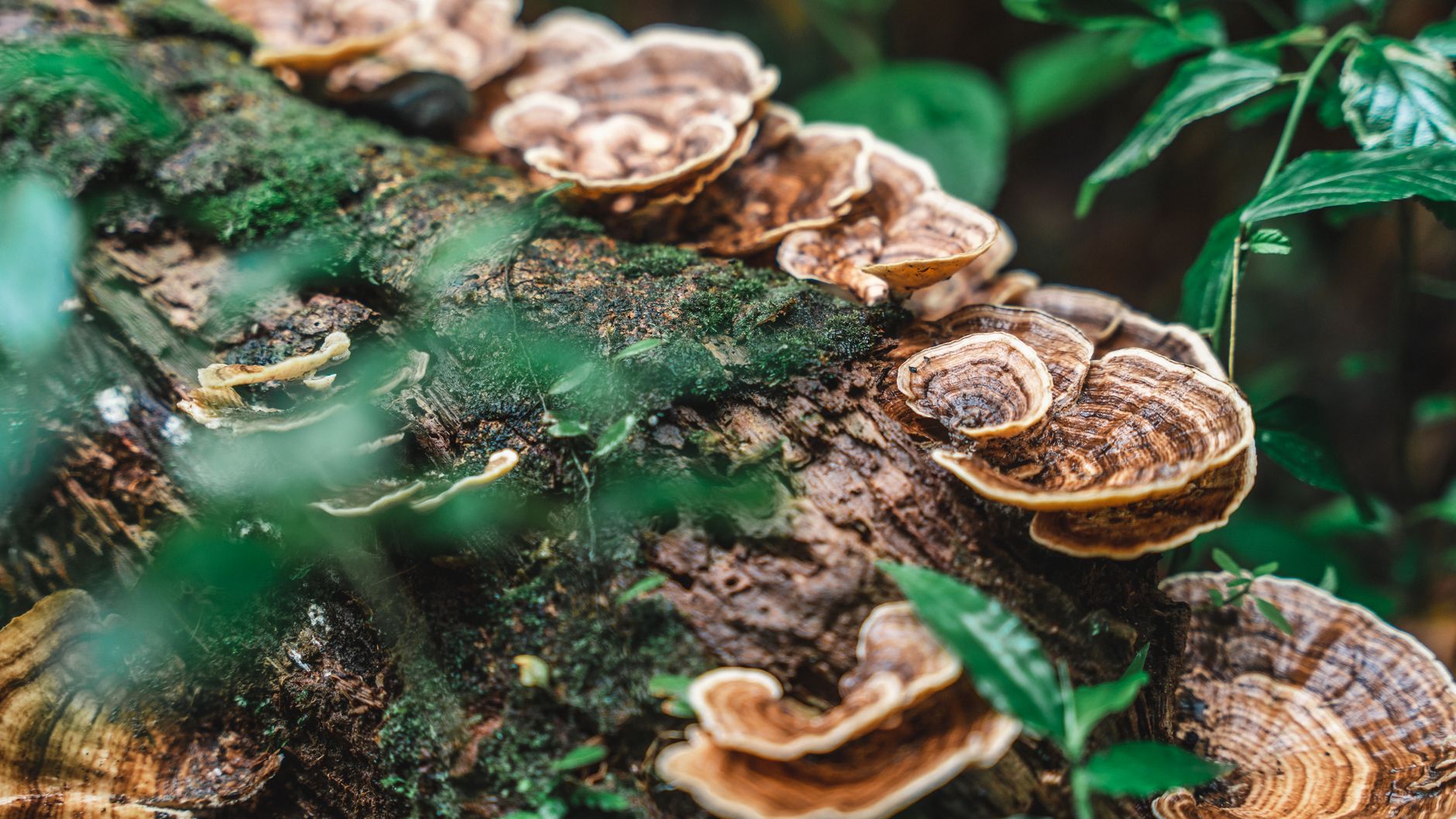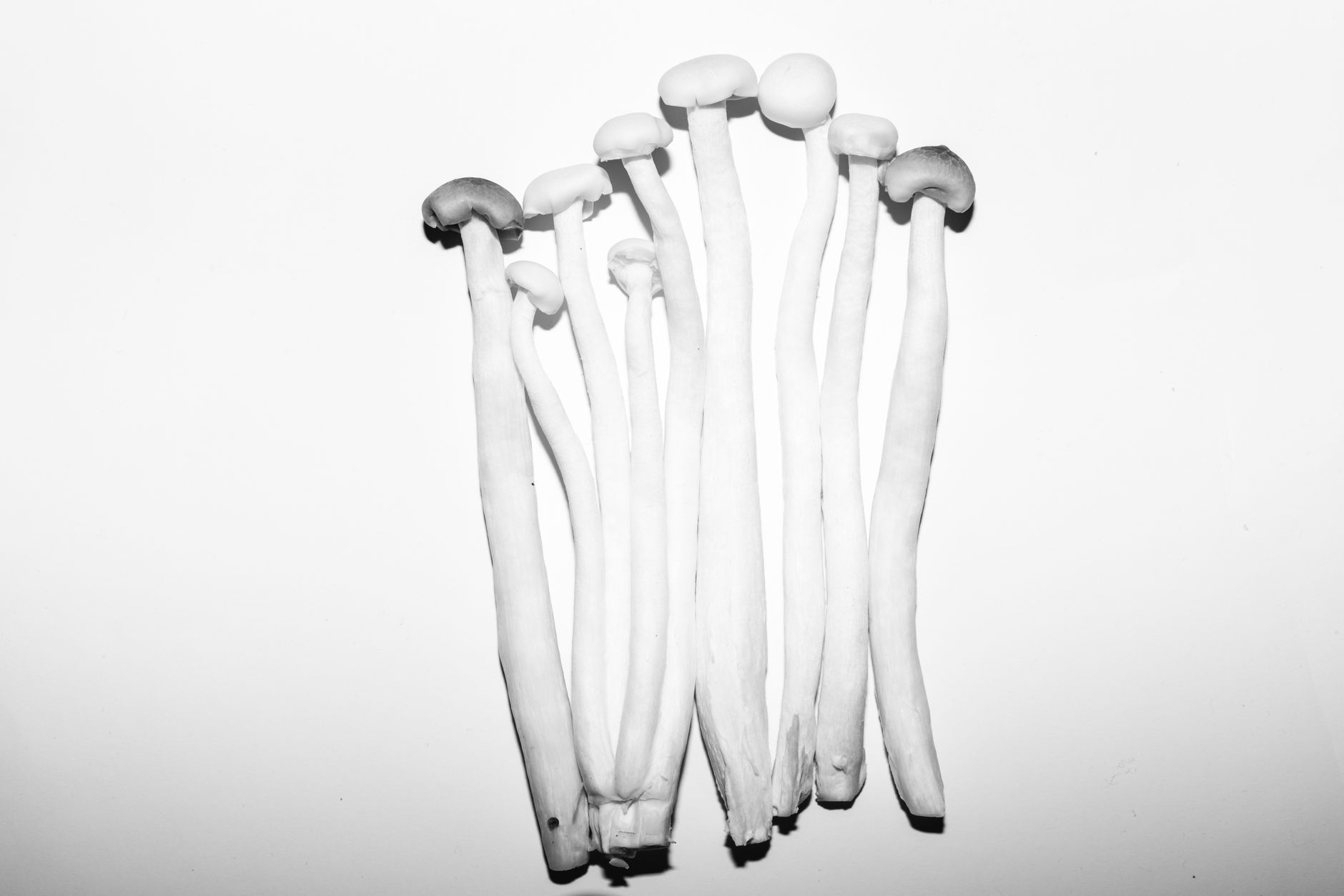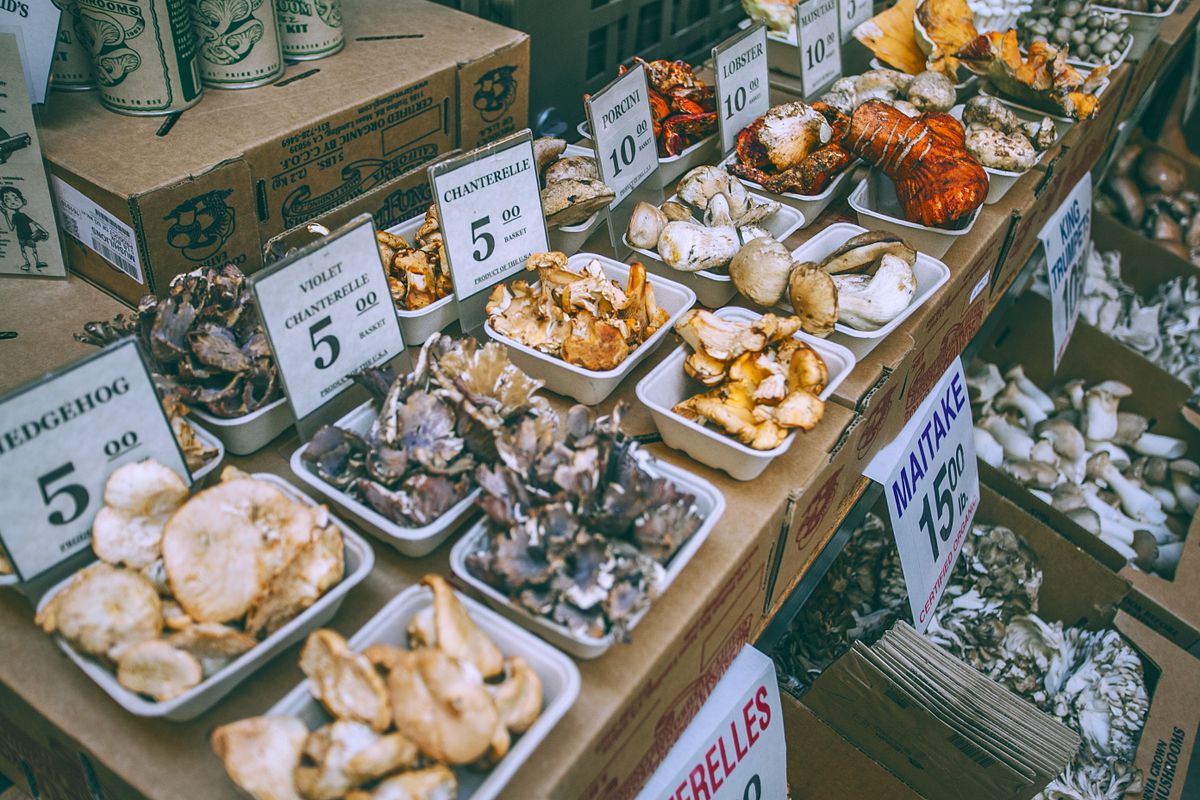
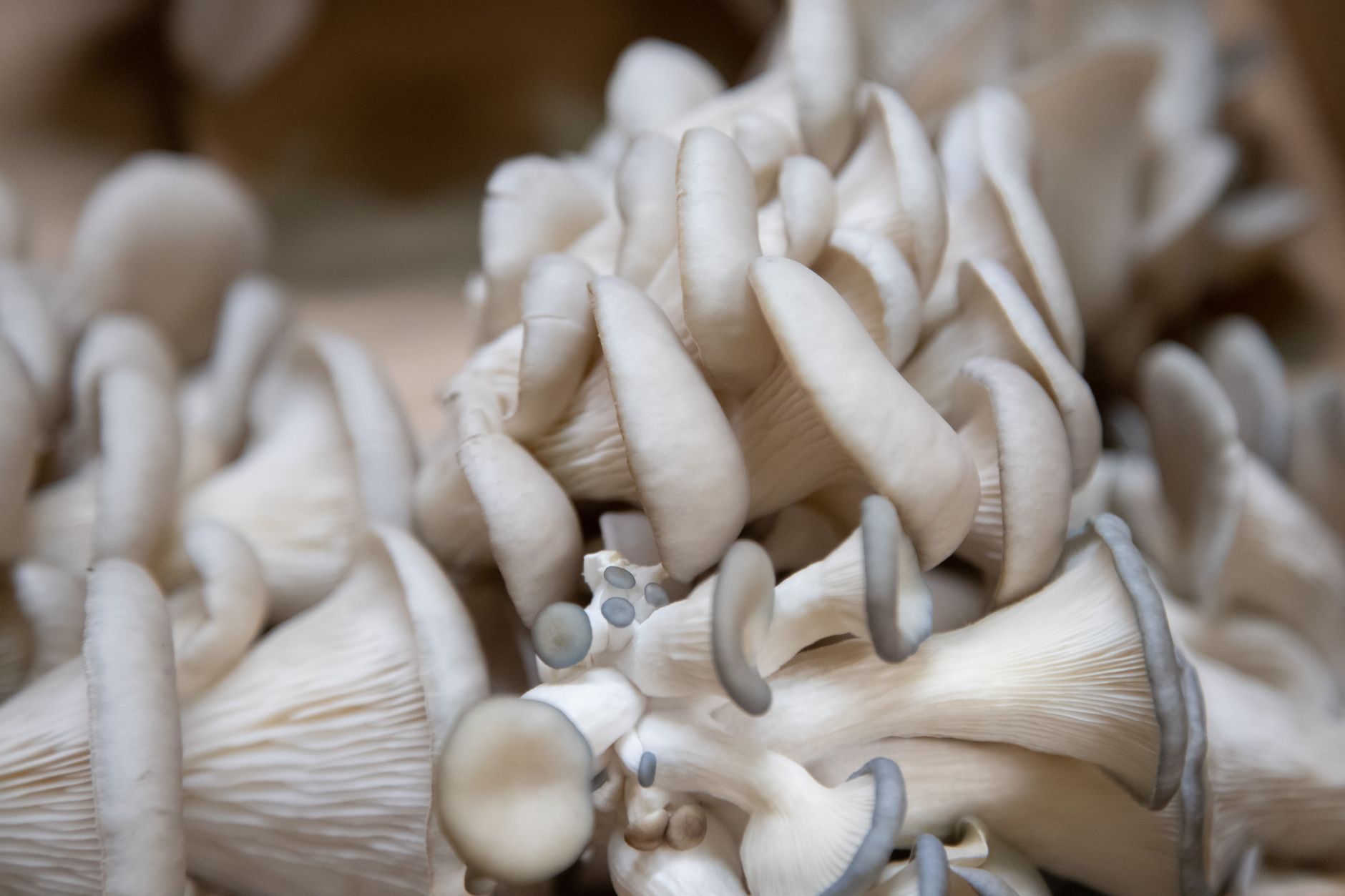
The oyster mushroom (Pleurotus ostreatus) is one of the most widely cultivated edible fungi in the world. Prized for its mild flavor and delicate texture, it has long been a fixture in Asian and European cuisines. Beyond its culinary role, a growing body of research suggests that oyster mushroom may carry meaningful health properties, including anti-inflammatory, antioxidant, and lipid-modulating effects. This article reviews what the science currently shows.
Nutritional and Bioactive Composition
Oyster mushrooms offer a notable nutritional profile relative to their caloric content. They are a reasonable source of B vitamins (including riboflavin, niacin, and pantothenic acid), dietary fiber, and ergothioneine, a naturally occurring antioxidant amino acid. Their cell walls are particularly rich in beta-glucans, a class of polysaccharides that have received significant attention in immunological research.
Studies analyzing the fruiting body of P. ostreatus have reported beta-glucan concentrations ranging from roughly 30% to over 40% of dry weight, depending on extraction method and strain.[1] Beta-glucans are recognized as biological response modifiers: they may interact with pattern-recognition receptors on immune cells, helping to modulate the body’s inflammatory signaling pathways.
Anti-Inflammatory Properties
One of the more studied aspects of oyster mushroom is its potential to modulate inflammatory pathways. A cell culture and in vivo study found that an oyster mushroom concentrate suppressed LPS-induced secretion of several pro-inflammatory cytokines, including TNF-alpha, IL-6, and IL-12, in murine macrophages. The concentrate also inhibited the DNA-binding activity of NF-kB and AP-1, two transcription factors central to inflammatory gene expression.[2]
These findings suggest that oyster mushroom extracts may carry anti-inflammatory activity, though it is important to note that most mechanistic research has been conducted in cell or animal models. Controlled human trials examining inflammatory markers in response to oyster mushroom consumption remain limited.
A separate study examining five Pleurotus species found that P. ostreatus demonstrated notable NF-kB inhibition activity and contained the highest beta-glucan concentration among the species tested.[3] This aligns with the broader hypothesis that beta-glucan content may partially account for the mushroom’s immunomodulatory effects.
Cardiovascular and Metabolic Research
Oyster mushroom has also been examined in the context of cholesterol and blood sugar regulation. Preclinical studies using hypercholesterolemic animal models have reported reductions in total cholesterol, LDL, and triglycerides following supplementation with P. ostreatus extracts, with some studies also observing improvements in HDL levels.[4]
At the human level, a randomized controlled trial found that adults consuming a Mediterranean-style diet supplemented with oyster and white button mushrooms showed a statistically significant reduction in fasting serum glucose compared to the control group, though other cardiometabolic markers did not differ significantly between groups.[5] This suggests oyster mushrooms may contribute modest glucose-regulating effects when included as part of a balanced dietary pattern, though larger and longer-duration trials are needed.
Antioxidant Activity
Oxidative stress is implicated in a range of chronic health conditions, and several studies have evaluated the antioxidant potential of oyster mushroom compounds. Research indicates that water-based extracts of P. ostreatus exhibit the most potent radical-scavenging activity relative to other extraction methods tested, likely due to the high solubility of polyphenols and polysaccharides in aqueous conditions.[1]
The presence of ergothioneine, a compound that accumulates selectively in tissues subject to oxidative stress, may also contribute to oyster mushroom’s antioxidant profile. Research suggests ergothioneine functions as a cellular protectant, and mushrooms remain one of the richest dietary sources of this compound.
How Oyster Mushroom Compares to Other Functional Mushrooms
Oyster mushroom differs from species like reishi, chaga, and lion’s mane in one important respect: it is both a widely consumed food and a subject of health research. This means its bioactive compounds are more readily obtained through ordinary dietary inclusion rather than requiring concentrated supplementation. That said, the extract concentrations used in most studies are considerably higher than those achieved through typical culinary consumption, so supplemental forms may be necessary to replicate research-level effects.
For those interested in functional mushrooms more broadly, reviewing what research shows about maitake and blood sugar offers useful context for comparing metabolic effects across species.
Supplement Forms and What to Look For
Oyster mushroom is available in whole dried form, powder, and capsule supplements. When evaluating a supplement, it is worth looking for products that specify beta-glucan content and whether extraction from the fruiting body was used, since most of the supporting research focuses on fruiting body compounds. As with any functional mushroom product, third-party testing for heavy metals and contaminants is a relevant quality marker.
Safety and Considerations
Oyster mushroom is generally considered safe when consumed as food. Allergic reactions have been reported in some individuals, particularly with occupational or inhalational exposure during cultivation. Those with known mushroom sensitivities should exercise caution. As with any supplement, individuals with underlying health conditions or those taking medications should consult a healthcare provider before starting regular use of concentrated extracts.
Summary
Oyster mushroom occupies an interesting position at the intersection of food and functional ingredient. Research suggests it may support anti-inflammatory pathways, contribute antioxidant activity, and play a modest role in glucose and lipid regulation. The majority of evidence comes from preclinical models, and human clinical data, while emerging, remains limited. Ongoing research will help clarify the extent to which these properties translate to meaningful outcomes in human populations.
References
- 1. Brazkova M, et al. Bioactive Metabolites from the Fruiting Body and Mycelia of Newly-Isolated Oyster Mushroom. Foods. 2022;11(24):3983. PMID: 36553726
- 2. Jedinak A, et al. Anti-inflammatory activity of edible oyster mushroom is mediated through the inhibition of NF-kB and AP-1 signaling. Nutr J. 2011;10:52. PMID: 21575254
- 3. Stastny J, et al. Antioxidant and Anti-Inflammatory Activity of Five Medicinal Mushrooms of the Genus Pleurotus. Antioxidants (Basel). 2022;11(8):1569. PMID: 36009288
- 4. Iqbal T, et al. Exploring Therapeutic Potential of Pleurotus ostreatus and Agaricus bisporus Mushrooms against Hyperlipidemia and Oxidative Stress. Foods. 2024;13(5):709. PMID: 38472823
- 5. Uffelman CN, et al. Consuming Mushrooms When Adopting a Healthy Mediterranean-Style Dietary Pattern Does Not Influence Short-Term Changes of Most Cardiometabolic Disease Risk Factors. J Nutr. 2024;154(2):574-582. PMID: 38135005
Disclaimer: The information on this page is for educational purposes only and is not intended as medical advice. Consult a qualified healthcare provider before using any supplement to address a health condition.