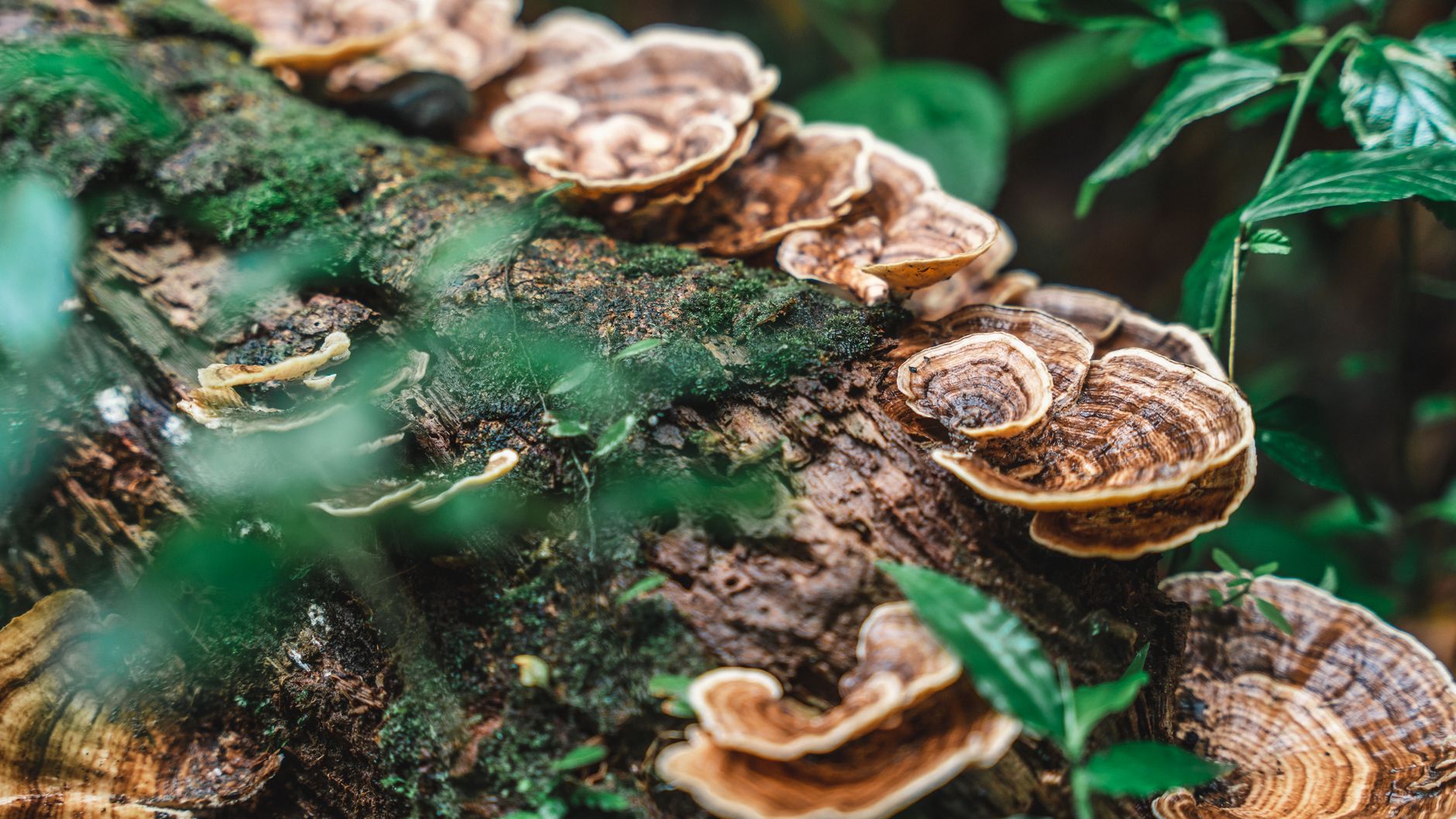
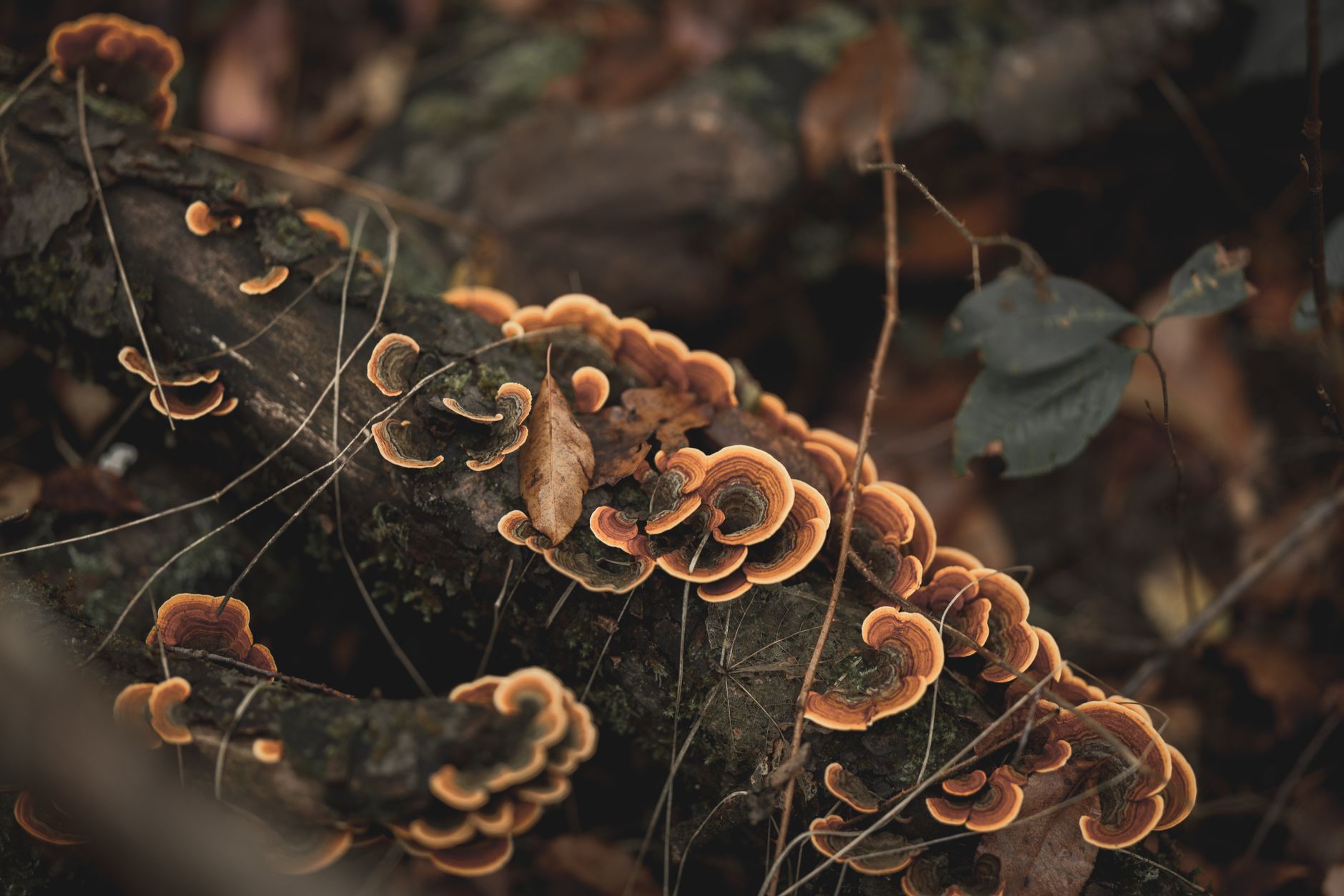
Turkey tail mushroom (Trametes versicolor, also known as Coriolus versicolor) is one of the most studied medicinal fungi in the world. Unlike many other functional mushrooms that remain largely in preclinical territory, turkey tail has been the subject of decades of human clinical research, particularly in the context of oncology support. Its two principal bioactive polysaccharide extracts, PSK (polysaccharide-K, or Krestin) and PSP (polysaccharopeptide), have been examined as adjunctive agents alongside conventional cancer treatments including chemotherapy and radiotherapy.
This article provides an overview of the existing evidence on turkey tail and oncology support, with attention to what the research actually demonstrates and where significant gaps remain.
PSK and PSP: The Active Compounds Behind the Research
Turkey tail’s role in cancer-related research centers on two protein-bound polysaccharides extracted from the fungus. PSK, derived from the CM-101 strain, was developed and commercialized primarily in Japan under the trade name Krestin and has been approved there as an adjuvant treatment in cancer since the 1980s. PSP, derived from the COV-1 strain, is primarily associated with Chinese research and commercial products.
Both compounds are classified as biological response modifiers. Research suggests they may act on innate and adaptive immune pathways, potentially increasing natural killer (NK) cell activity, stimulating cytokine expression, and modulating T-cell responses. A comprehensive review published in Anticancer Research noted that several randomized clinical trials indicated PSK may have potential as an adjuvant cancer therapy agent, with studies examining its use alongside treatment for gastric, esophageal, colorectal, breast, and lung cancers.[1]
What Clinical Research Has Examined
The most rigorous evaluation of turkey tail in oncology support comes from a 2022 Cochrane systematic review that examined seven randomized controlled trials involving 1,569 participants with colorectal cancer. The review assessed whether adjunctive Coriolus versicolor extract (primarily PSK) could reduce adverse effects from chemotherapy or radiotherapy or affect survival outcomes.
The Cochrane authors found very low-certainty evidence regarding the effect of adjunctive PSK on specific adverse events such as neutropenia, nausea, diarrhea, oral mucositis, and fatigue. The evidence did not allow firm conclusions about whether treatment-related adverse effects were meaningfully reduced. However, the review also identified low-certainty evidence of a small effect on overall survival at five years, with a risk ratio of 1.08 (95% CI 1.01 to 1.15) across three studies involving 1,094 participants, translating to a number needed to benefit of approximately 16. The authors were careful to note that the certainty of this evidence was low, and that the chemotherapy regimens used in those older studies do not reflect current standard-of-care practices.[2]
This distinction matters. The bulk of PSK clinical research was conducted in Japan in the 1980s and 1990s using fluoropyrimidine-based regimens. Contemporary oncology increasingly uses combination therapies, targeted agents, and immunotherapies, and it is not established how PSK interacts with these newer treatment protocols.
Mechanisms Under Investigation
A detailed review published in Biomedicines examined the proposed mechanisms through which Trametes versicolor polysaccharides may exert effects in cancer biology. The review described direct cytotoxic effects on cancer cell lines in vitro, immunostimulatory activities in animal models, and early clinical data. The proposed mechanisms include modulation of NK cell and lymphocyte-activated killer (LAK) cell activity, inhibition of metalloproteinase enzymes potentially involved in metastasis, antioxidant capacity, and induction of cancer cell differentiation in leukemic cell lines.[3]
It is important to contextualize these findings appropriately. In vitro results, even when compelling, do not reliably predict clinical outcomes in humans. Animal model data provides mechanistic clues but is subject to interspecies variability. Human clinical data for turkey tail remains more substantial than for most functional mushrooms, but the studies are largely older, conducted in specific oncology populations, and carry limitations in design and certainty ratings.
Turkey Tail as Adjunctive Support
The framing of turkey tail in clinical research is specifically as an adjunct to conventional cancer treatment, not as a standalone intervention. PSK in Japan has been prescribed alongside chemotherapy, not as a replacement for it. This distinction is critical for accurate interpretation of the literature.
Research suggests that turkey tail may support immune function during treatment, a period when chemotherapy and radiation can suppress immune response. However, immunostimulatory compounds also raise theoretical questions about potential interactions with certain immunotherapies or immune checkpoint inhibitors, an area that has not been adequately studied.
Those currently undergoing cancer treatment should consult their oncologist before incorporating any mushroom supplement, including turkey tail, into their regimen. Drug and treatment interactions in oncology can be clinically significant, and individual cases vary widely.
Turkey Tail Beyond Oncology
While turkey tail’s oncology-adjacent research profile is its most distinguished feature, the mushroom has also been studied for other applications. Its beta-glucan and polysaccharide content positions it as a prebiotic candidate, and studies have examined potential effects on gut microbiota composition. Research also suggests anti-inflammatory and antioxidant properties associated with phenolic compounds present in the fruiting body.
For a broader look at how turkey tail compares to other immune-supportive mushrooms, including Chaga, see our comparison: Chaga vs Turkey Tail: Head-to-Head Comparison for Immune Support.
What the Evidence Does Not Support
It is worth stating plainly what the current research does not support. There is no established clinical evidence that turkey tail can treat, cure, or prevent cancer in humans. PSK’s approval in Japan as an adjuvant agent is specific to use alongside surgery and chemotherapy in defined cancer populations, and does not generalize to the general supplement market. The mechanisms identified in laboratory settings have not been consistently demonstrated to translate into clinical benefit under the conditions studied.
The Cochrane review’s conclusions reflect the honest state of the evidence: interesting signals, methodologically limited trials, and insufficient certainty to make strong claims in either direction. Further well-designed trials using contemporary treatment regimens and standardized turkey tail preparations are needed.
Supplement Considerations
If considering a turkey tail supplement outside of a clinical context, product quality is a primary concern. Standardization for beta-glucan content, use of the fruiting body versus mycelium, and third-party testing for adulterants and heavy metals are all relevant factors. PSK and PSP concentrations in commercial supplements vary significantly and are rarely disclosed in a way that allows meaningful comparison with clinical study doses.
For guidance on interpreting mushroom supplement labels and understanding bioactive concentrations, see our overview of how to read a mushroom supplement label.
Summary
Turkey tail (Trametes versicolor) carries one of the strongest clinical research profiles among functional mushrooms, specifically in the context of adjunctive oncology support. PSK and PSP, its primary polysaccharide extracts, have been evaluated in multiple randomized controlled trials. The Cochrane evidence review identified low-certainty signals for modest survival benefit in colorectal cancer populations, alongside uncertainty about adverse event reduction. Mechanistic research suggests immune modulation, potential antimetastatic activity, and antioxidant properties, though the translation of these findings to general health contexts remains under study.
As with all functional mushroom research, interpreting this evidence requires holding the promising signals and the methodological limitations simultaneously. Turkey tail is not a cancer treatment. It is a well-studied functional mushroom whose most significant research has occurred in adjunctive oncology settings, and whose broader health applications are still being defined.
References
- 1. Fisher M, Yang LX. Anticancer effects and mechanisms of polysaccharide-K (PSK): implications of cancer immunotherapy. Anticancer Res. 2002;22(3):1737-54. PMID: 12168863
- 2. Pilkington K, et al. Coriolus (Trametes) versicolor mushroom to reduce adverse effects from chemotherapy or radiotherapy in people with colorectal cancer. Cochrane Database Syst Rev. 2022;11:CD012053. PMID: 36445793
- 3. Habtemariam S. Trametes versicolor (Synn. Coriolus versicolor) Polysaccharides in Cancer Therapy: Targets and Efficacy. Biomedicines. 2020;8(5):135. PMID: 32466253
Disclaimer: This article is for informational purposes only and does not constitute medical advice. Functional mushroom supplements are not intended to diagnose, treat, cure, or prevent any disease. Always consult a qualified healthcare provider before beginning any supplement, especially if you are undergoing cancer treatment or taking prescription medications.