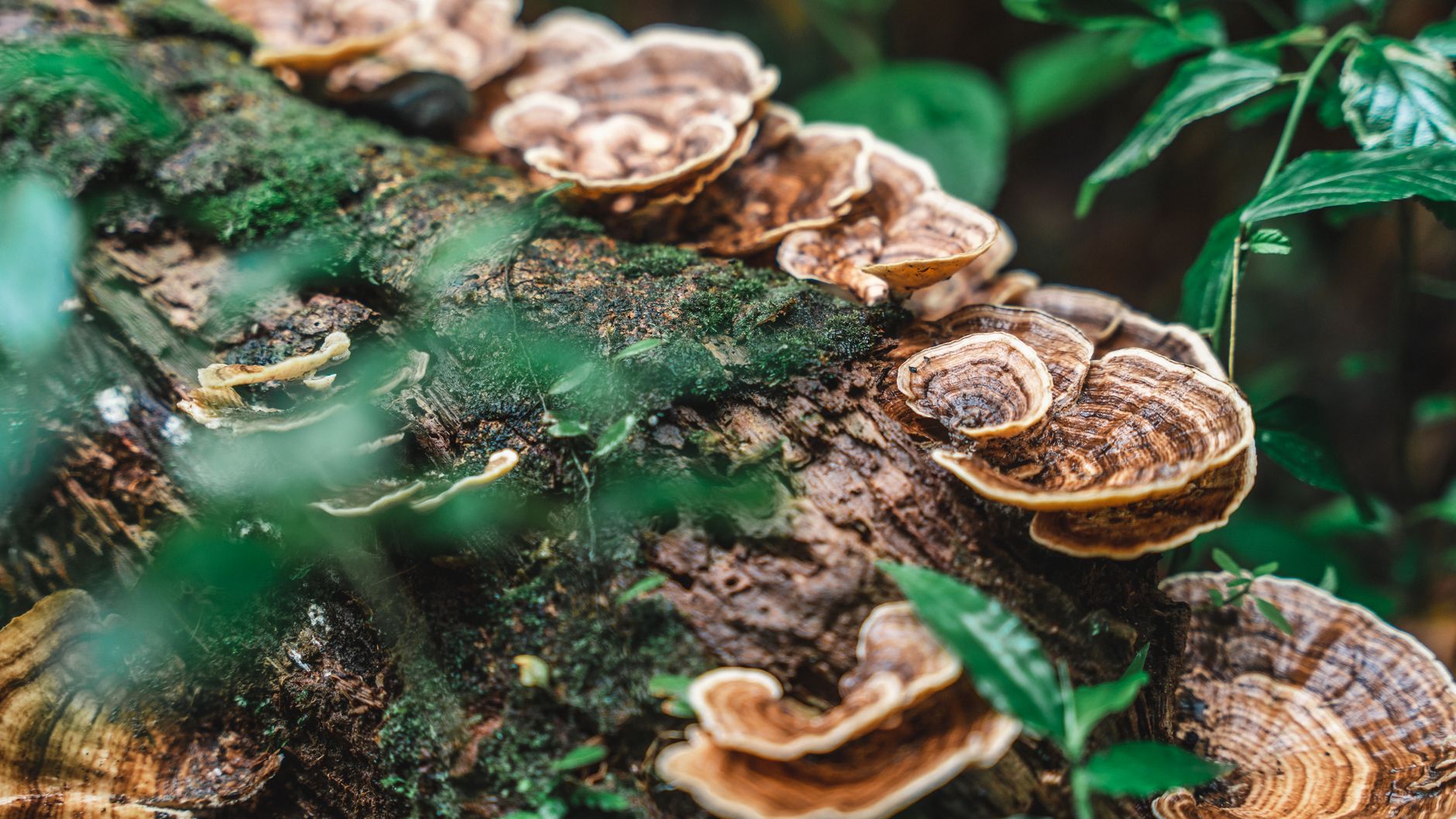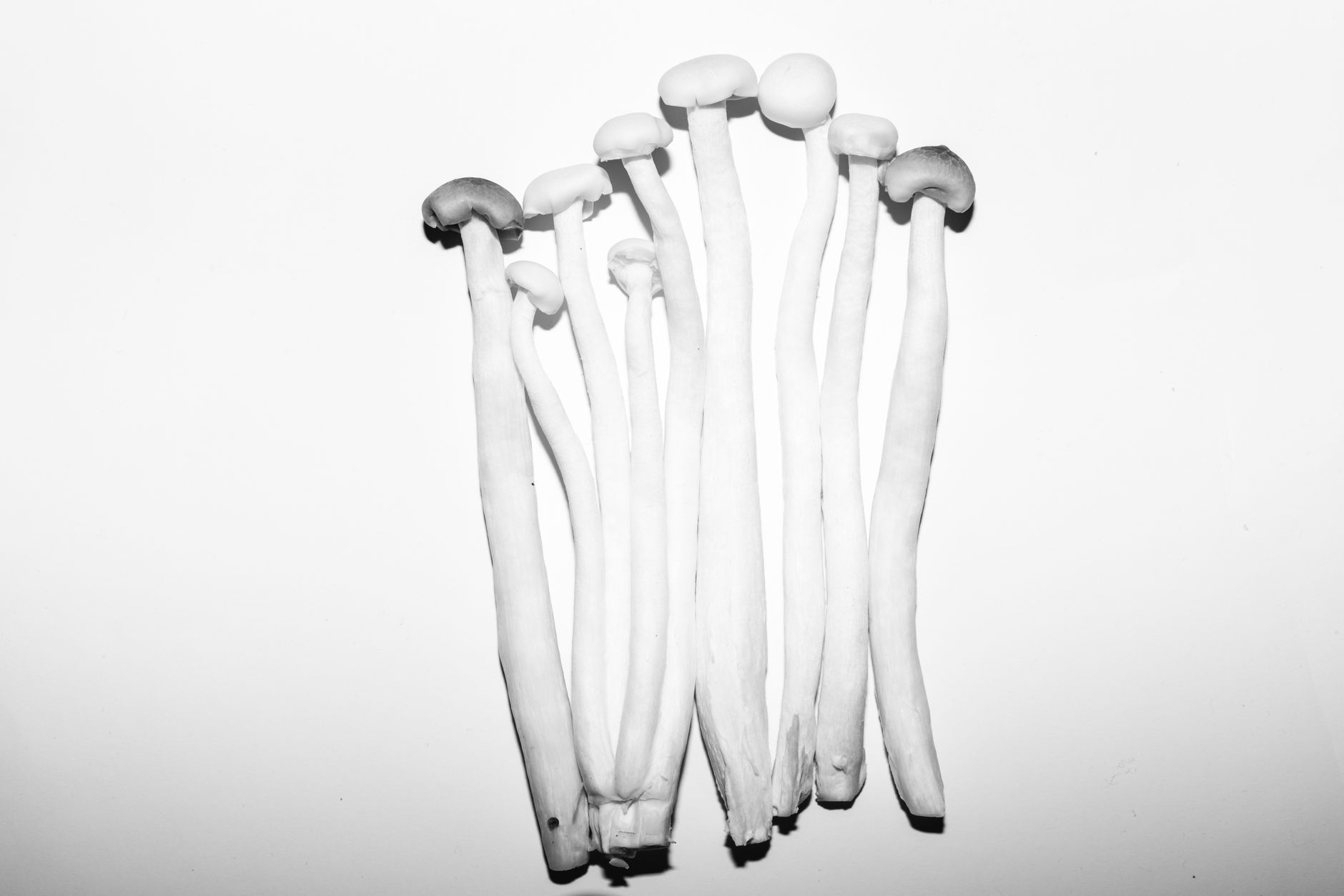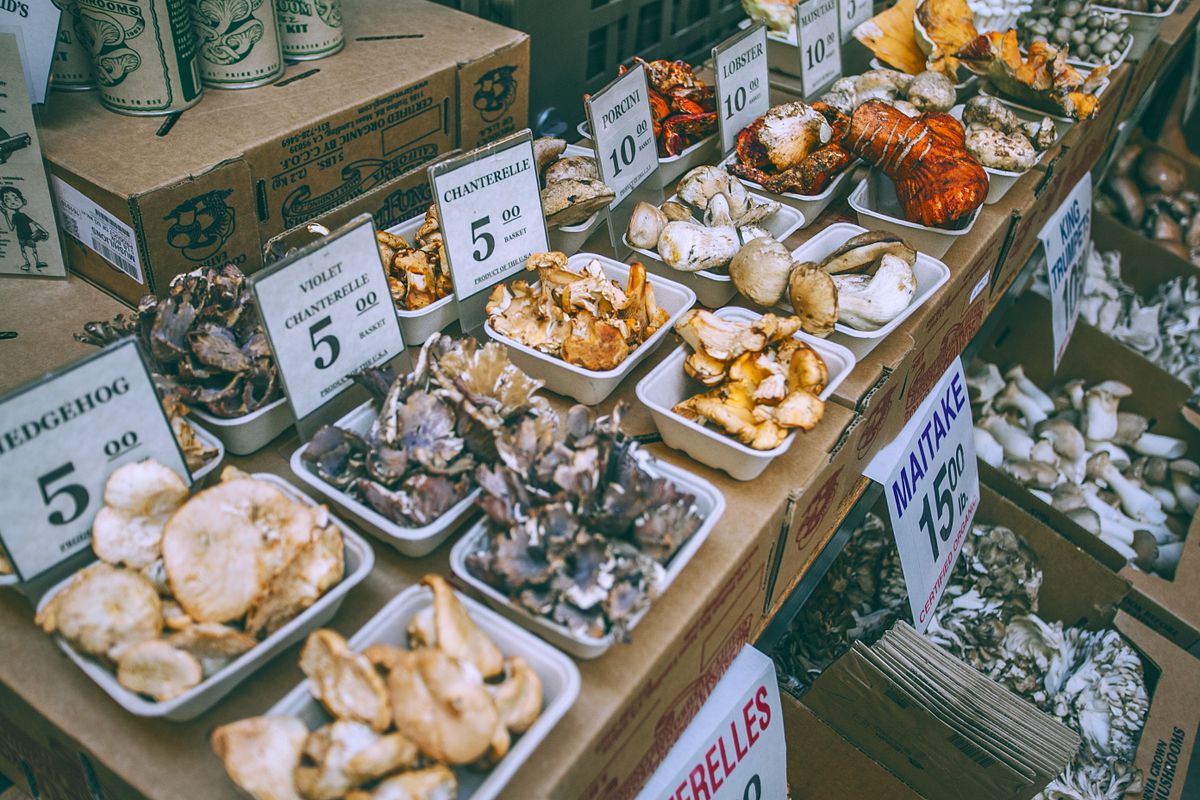
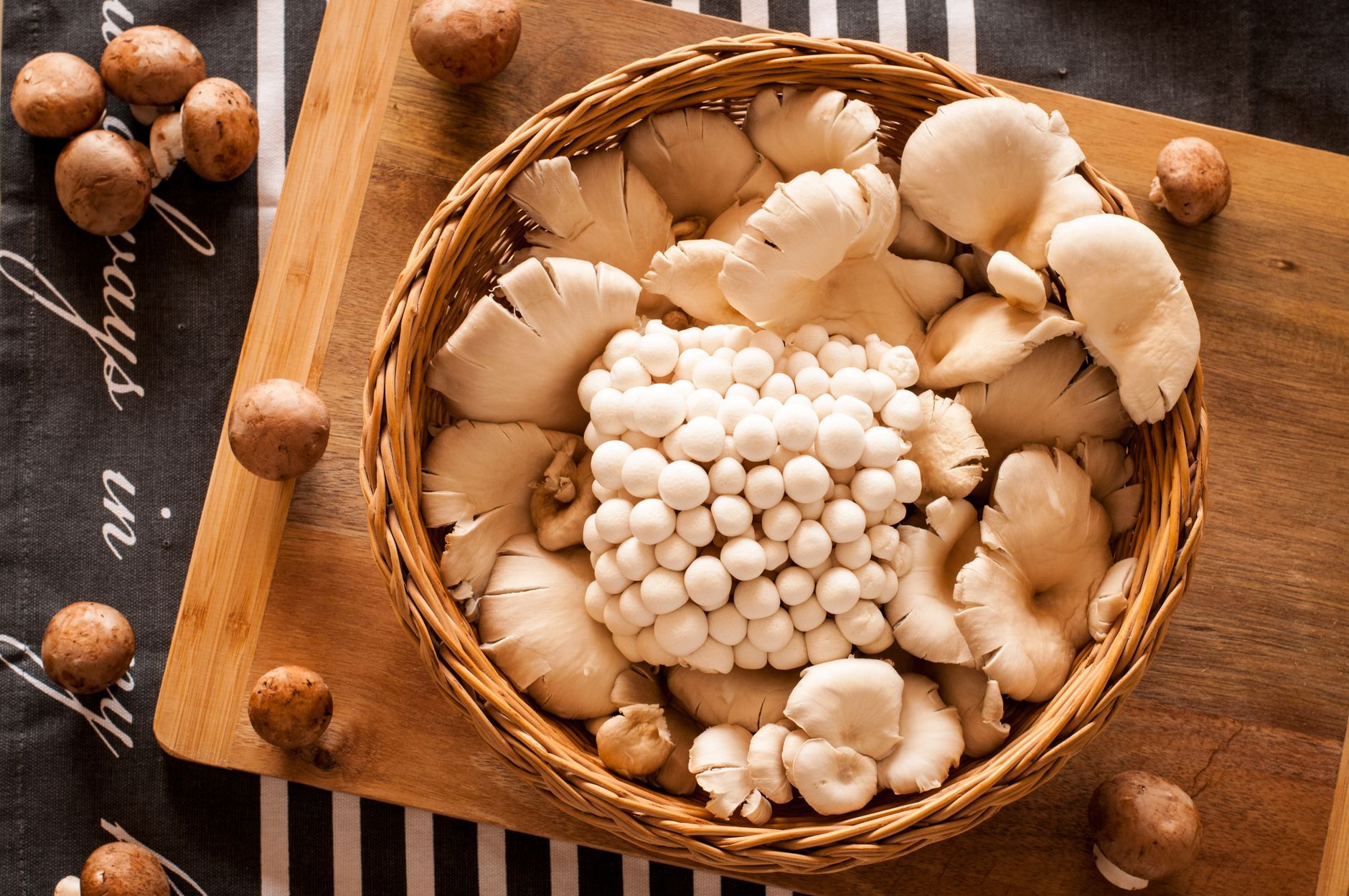
Pleurotus ostreatus, commonly known as the oyster mushroom, ranks among the most commercially cultivated edible fungi worldwide. Its mild flavor and fleshy texture have made it a fixture in kitchens across Asia, Europe, and increasingly the rest of the world. What is less commonly known is that oyster mushroom contains a suite of bioactive compounds with properties that researchers have been studying systematically for several decades. The evidence base, though not as large as that surrounding some other functional mushrooms, includes human clinical data supporting specific immune-relevant effects.
What Oyster Mushroom Contains
The nutritional and biochemical profile of Pleurotus ostreatus is notable relative to many other edible fungi. The mushroom is a meaningful source of dietary protein, containing all essential amino acids, as well as B vitamins including niacin, riboflavin, and pantothenic acid. It provides dietary fiber, minerals including potassium, phosphorus, and selenium, and ergosterol, the precursor to vitamin D2 upon UV exposure.
From a functional standpoint, the most studied constituent is pleuran, a beta-1,3/1,6-D-glucan extracted from the fruiting body and mycelium of P. ostreatus. Pleuran is a water-insoluble polysaccharide that binds to dectin-1 and complement receptors on innate immune cells, triggering downstream signaling involved in immune activation and regulation. Alongside pleuran, oyster mushroom contains phenolic antioxidant compounds, ergothioneine, and small amounts of lovastatin, a naturally occurring statin compound that has drawn interest in the context of cardiovascular health.
Pleuran and Immune Function: What Human Studies Show
The most clinically relevant human research on oyster mushroom centers on pleuran’s immunomodulatory properties, particularly its effects on natural killer (NK) cell activity and respiratory infection outcomes.
A double-blind pilot study enrolled 20 elite athletes and randomized them to receive either pleuran (Imunoglukan, 100 mg daily) or placebo for two months. Researchers focused on the suppression of immune function that typically follows high-intensity exercise, a well-documented phenomenon in athletes undergoing intensive training. At the end of the supplementation period, participants in both groups performed a 20-minute intensive exercise bout. Venous blood was collected before, immediately after, and one hour after exercise. In the placebo group, natural killer cell activity (NKCA) decreased by 28% during the recovery period following exercise (p < 0.01). In the pleuran group, no significant reduction in NKCA was observed. NK cell counts showed a similar pattern of protection in the supplemented group. The researchers concluded that pleuran supplementation from P. ostreatus may play a role in modulating exercise-induced changes in NK cell activity in intensively training athletes.[1]
A separate observational study examined pleuran’s effects in a respiratory disease context. Thirty-two patients with severe COPD (Group D) received pleuran 100 mg combined with vitamin C and zinc once daily for three months alongside standard COPD treatment, while an age- and sex-matched control group of the same size received standard treatment with vitamin C and zinc but without pleuran. Over the study period, the mean number of bacterial exacerbations was significantly lower in the pleuran group (0.7 vs. 1.0, p = 0.0218), and the mean duration of exacerbations was shorter in the pleuran group (6.7 days vs. 7.4 days, p = 0.0118). No adverse effects were reported. The authors noted that these findings suggest pleuran may reduce both the frequency and duration of bacterial exacerbations in COPD, while calling for larger randomized trials to confirm the findings.[2]
Beta-Glucan Mechanisms: The Broader Picture
Pleuran belongs to the broader class of beta-1,3/1,6-glucans found across several medicinal and edible fungi. A 2009 review in Nutrition Reviews summarized the evidence on beta-glucans from higher fungi, noting that pleuran from Pleurotus species and lentinan from shiitake have demonstrated the most marked immunostimulatory and anticarcinogenic activity in the literature. The reviewers also noted that beta-glucans may participate in physiological processes related to fat metabolism, and that their application has been associated with reductions in total blood cholesterol in some experimental models, though the authors noted that the clinical relevance of this effect requires further study in humans.[3]
A comprehensive 2021 review of mushrooms and immunity published in the Journal of Autoimmunity summarized data across multiple fungal species and immune cell types, noting that glucans and specific proteins account for the majority of biological effects, particularly in terms of immunomodulatory outcomes. The review specifically referenced a placebo-controlled study of athletes treated with beta-glucan from Pleurotus ostreatus as an example of human-level evidence in this space, and noted that variables such as mushroom strain, growing conditions, part of mushroom used, and extraction method all influence study outcomes and should be considered when interpreting any single trial.[4]
Cardiovascular Bioactives in Oyster Mushroom
Pleurotus ostreatus contains naturally occurring lovastatin, a compound in the statin drug class that inhibits HMG-CoA reductase, the rate-limiting enzyme in cholesterol biosynthesis. The presence of lovastatin in oyster mushroom has been documented across multiple studies, and its concentrations vary by species, growing substrate, and preparation method. While the quantity of lovastatin present in typical culinary servings of cooked oyster mushroom is generally modest compared to pharmaceutical statin doses, its presence adds an interesting dimension to the mushroom’s cardiovascular bioactive profile.
Beyond lovastatin, oyster mushroom contains phenolic compounds including gallic acid and protocatechuic acid, which have demonstrated antioxidant activity in laboratory assays. Ergothioneine, a sulfur-containing amino acid found almost exclusively in fungi, is also present in measurable amounts. Research on ergothioneine has explored its potential cytoprotective properties in tissues exposed to oxidative stress, though clinical evidence remains in early stages.
Nutritional Contributions Worth Noting
Oyster mushroom is a low-calorie food with a relatively high protein content for a fungus, and research has found its proteins to be highly digestible. Its amino acid profile includes leucine, lysine, and threonine at concentrations that compare favorably to many plant protein sources. For individuals following plant-based diets, oyster mushroom may represent a useful source of several nutrients that are otherwise difficult to obtain from whole foods, including ergothioneine, B vitamins, and conditionally vitamin D2 if UV-treated during or after cultivation.
Species Variation Within the Pleurotus Genus
The oyster mushroom category encompasses several distinct species beyond P. ostreatus, including Pleurotus eryngii (king oyster), Pleurotus pulmonarius (phoenix oyster), and Pleurotus citrinopileatus (golden oyster). These species share a general bioactive profile but differ in specific compound concentrations and secondary metabolite content. Research on antiplatelet activity, for example, has found that P. eryngii extracts demonstrate particularly notable platelet aggregation inhibition in vitro, a property with potential relevance in cardiovascular contexts, though clinical implications have not been established. Species labeling in supplements is often imprecise, and consumers purchasing oyster mushroom products should note that the evidence base varies considerably by species.
Safety and Tolerability
Oyster mushroom has a long history of safe consumption as a food across multiple cultures. Clinical studies involving pleuran supplementation in humans have not reported significant adverse effects. Pleurotus species are generally well-tolerated, and allergic reactions are rare, though occupational asthma has been reported in commercial mushroom farm workers with heavy inhalational exposure to spores, a context distinct from dietary consumption.
Individuals taking anticoagulant or antiplatelet medications should be aware of the antiplatelet activity demonstrated in vitro for certain Pleurotus species, and should discuss the use of concentrated oyster mushroom extracts with their healthcare provider. For a broader discussion of how functional mushroom extracts may interact with common medications, our overview of mushroom supplements and drug interactions provides relevant context.
Where the Evidence Stands
Pleurotus ostreatus occupies an interesting position in the functional mushroom landscape. Unlike some species that are primarily consumed as supplements, oyster mushroom is among the most widely eaten culinary fungi in the world, which means its bioactive compounds are routinely consumed at food-level amounts by large populations. The clinical research, while limited in volume, includes human trials demonstrating measurable immune effects from pleuran supplementation. The lovastatin and phenolic compound content adds potential cardiovascular relevance, though the clinical significance of these compounds at typical dietary intake levels remains to be established in controlled trials.
As with most functional mushrooms, the existing research suggests areas of biological interest that warrant continued clinical investigation. The combination of a strong nutritional profile, historical culinary use, and specific human-level immunological data distinguishes oyster mushroom from many other species where the evidence base is more exclusively preclinical.
References
- [1] Bobovčák M, et al. Effect of Pleuran (beta-glucan from Pleurotus ostreatus) supplementation on cellular immune response after intensive exercise in elite athletes. Appl Physiol Nutr Metab. 2010;35(6):755-62. PMID: 21164546
- [2] Minov J, et al. Effects of Pleuran (Beta-Glucan from Pleurotus Ostreatus) Supplementation on Incidence and Duration of COPD Exacerbations. Open Access Maced J Med Sci. 2017;5(7):893-898. PMID: 29362614
- [3] Rop O, et al. Beta-glucans in higher fungi and their health effects. Nutr Rev. 2009;67(11):624-31. PMID: 19906249
- [4] Motta F, Gershwin ME, Selmi C. Mushrooms and immunity. J Autoimmun. 2021;117:102576. PMID: 33276307
Disclaimer: This article is for informational purposes only and does not constitute medical advice. Oyster mushroom supplements have not been evaluated by the FDA to diagnose, treat, cure, or prevent any disease. Always consult a qualified healthcare provider before starting any new supplement regimen, particularly if you take medications or have an existing health condition.