Two Species, One Name: Understanding the Distinction
If you have browsed mushroom supplements, you have likely seen the word “Cordyceps” used without further explanation. In practice, the term covers two very different organisms: Cordyceps militaris and Ophiocordyceps sinensis (historically grouped under the same genus but reclassified in 2007). Each has a distinct origin, chemical profile, and research base. Understanding the differences may help consumers make more informed choices about the supplements they select.
Origins and Availability
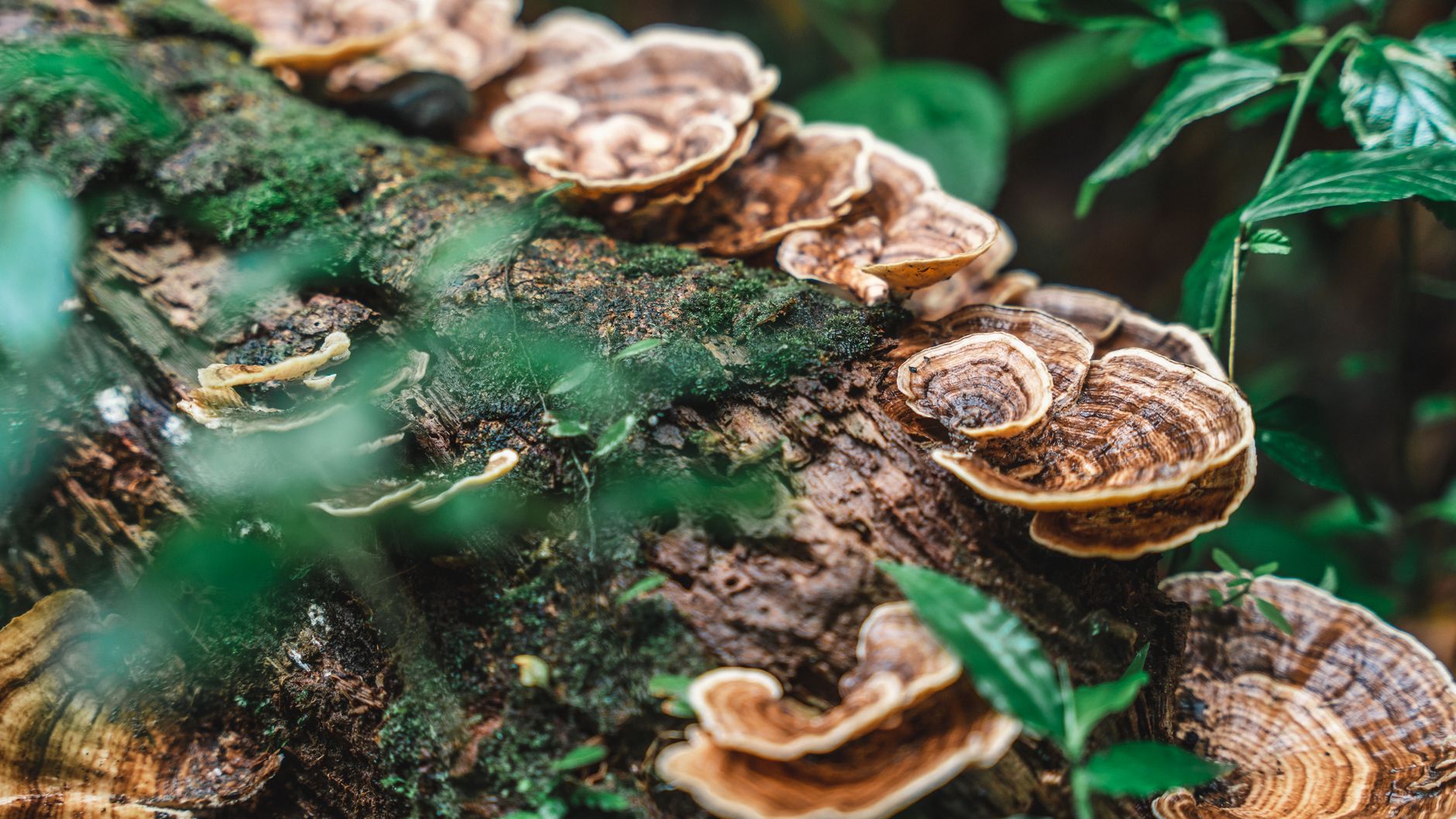
Ophiocordyceps sinensis is the species most associated with traditional Tibetan and Chinese medicine. It grows at high altitudes in the Himalayas, parasitizing moth larvae before emerging from the caterpillar body as a fruiting stalk. Because wild harvesting is labor-intensive and the fungus commands prices exceeding those of gold by weight, truly authentic O. sinensis is rare and expensive. Most of what is sold commercially as “Cordyceps sinensis” is either a mycelium-based culture grown on grain substrates or a blended product of uncertain provenance.
Cordyceps militaris, by contrast, can be cultivated reliably on liquid or solid growth media. Controlled cultivation allows for consistent production, standardization of bioactive constituents, and significantly lower cost. For these practical reasons, C. militaris has become the dominant species in commercially available Cordyceps supplements.
Key Bioactive Compounds
Cordycepin and Adenosine
Cordycepin (3′-deoxyadenosine) is a nucleoside analogue that has attracted considerable research interest. It is found in meaningful concentrations in C. militaris and is considered one of its signature bioactive compounds. Research on cordycepin has explored its potential effects across inflammation, oxidative stress, and neurological pathways. One 2026 study in Neurochemistry International found that cordycepin attenuated aluminum-induced neurodevelopmental toxicity in zebrafish embryos by modulating inflammatory responses and Wnt signaling pathways, suggesting possible neuroprotective activity.[1]
O. sinensis also contains adenosine derivatives and polysaccharides, but its cordycepin content is generally lower or undetectable in many commercial preparations. The presence and concentration of these compounds in O. sinensis products depends heavily on the cultivation method and substrate used.
Polysaccharides
Both species contain beta-glucan polysaccharides, which are associated with immunomodulatory activity. The structural differences between the polysaccharides of the two species are an active area of research. Network pharmacology analyses suggest that while the two fungi share overlapping molecular targets, their downstream pathway profiles differ. A 2026 comparative analysis published in Fitoterapia found that C. militaris displayed a more concentrated regulatory signature centered on AMPK-related signaling, while O. sinensis was more closely associated with upstream pathways including PI3K-Akt and insulin signaling, indicating potentially complementary but distinct mechanisms of action.[2]
What the Research Shows for Each Species
Cordyceps militaris: Exercise and Recovery
Human clinical research on C. militaris has focused largely on exercise performance and post-exercise recovery. A 2026 narrative review published in Nutrients identified five human intervention studies involving 321 participants between the ages of 16 and 35. Supplementation protocols ranged from one to sixteen weeks, with daily doses administered as isolated fungal material or as part of multi-ingredient formulations. Several studies reported improvements in aerobic capacity markers such as VO2max, time to exhaustion, and peripheral oxygen saturation. Some studies also reported changes in post-exercise inflammatory markers including creatine kinase and white blood cell counts. The review concluded that while some results were encouraging, the overall evidence remained limited by small sample sizes, heterogeneous protocols, and insufficient standardization of preparations.[3]
Ophiocordyceps sinensis: Reproductive and Hormonal Research
Research on cultured O. sinensis has explored different territory, including reproductive health and kidney function. A 2026 study published in the Journal of Agricultural and Food Chemistry found that cultured O. sinensis may support sperm quality in animal models of oligoasthenozoospermia by enhancing testosterone production through activation of SF-1-mediated steroid hormone biosynthesis. The authors identified improvements in hormone levels, testicular oxidative stress markers, and sperm-related cell apoptosis parameters. These findings are consistent with O. sinensis‘s traditional use in addressing male reproductive health.[4]
Supplement Quality: What to Look For
Because both species are sold under interchangeable or ambiguous labeling, several quality indicators are worth examining before purchasing:
- Species specification: Look for the full Latin name (Cordyceps militaris or Ophiocordyceps sinensis) rather than a generic “Cordyceps” label.
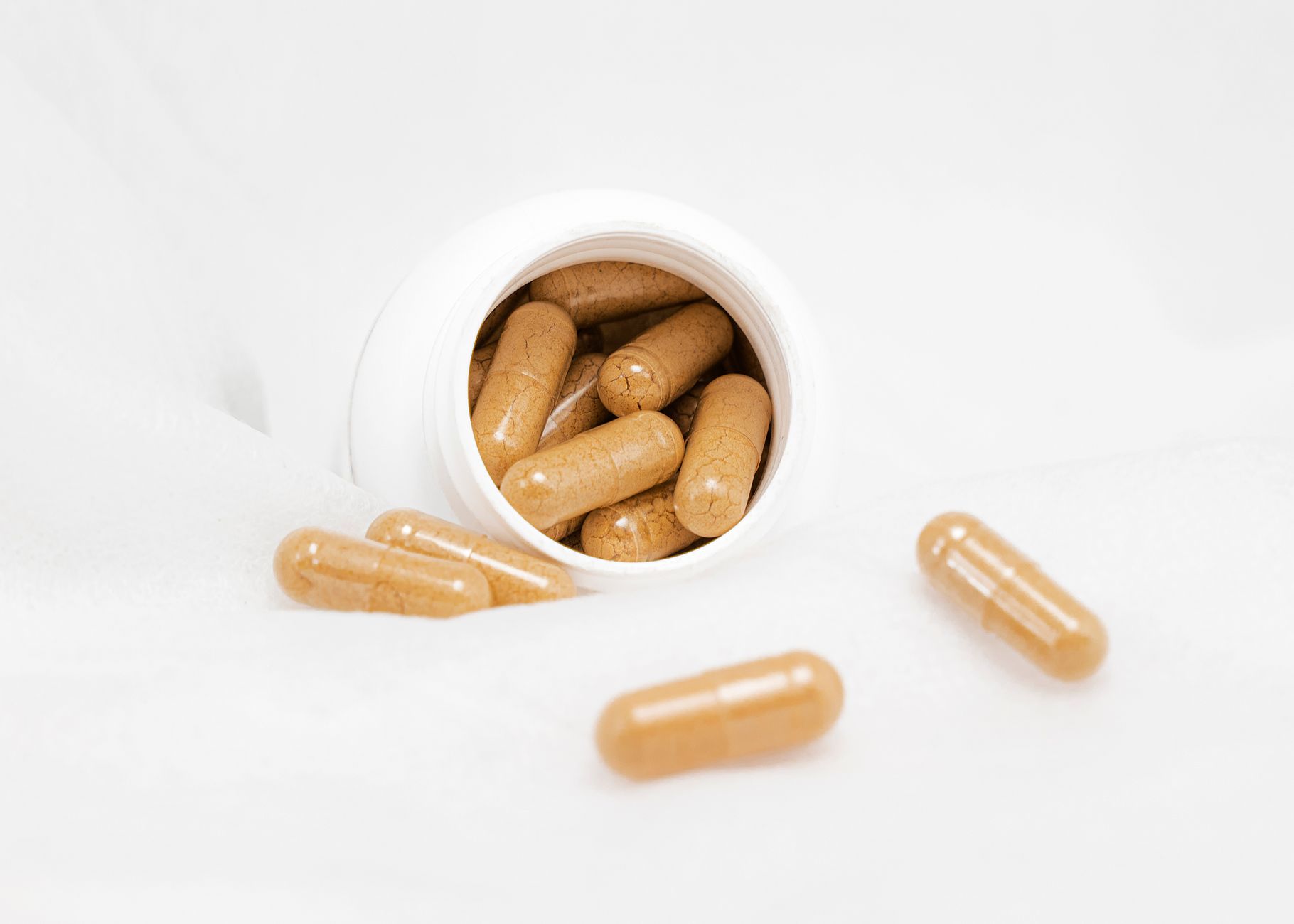
- Fruiting body vs. mycelium: Fruiting body extracts typically contain higher concentrations of bioactive compounds. Mycelium grown on grain substrates may include significant grain starch content that dilutes active constituents.
- Cordycepin content: For C. militaris products in particular, the presence of a quantified cordycepin figure suggests a higher quality extract.
- Beta-glucan percentage: A disclosed beta-glucan percentage is a useful marker of overall extract potency for either species.
For a broader guide to reading supplement labels and understanding what beta-glucan percentages actually mean, see the SafeShrooms guide on Cordyceps and Lung Health: What the Research Shows About Respiratory Function.
Are They Interchangeable?
Based on current evidence, C. militaris and O. sinensis should not be treated as equivalent products. Their bioactive compound profiles differ in meaningful ways, the research supporting each has explored largely different health applications, and the supply chain realities of O. sinensis introduce significant quality and authenticity concerns. That does not make one uniformly superior to the other. Rather, the choice may depend on the intended use case and on whether a given product has been adequately characterized and tested.
Both species remain areas of active investigation, and the broader review literature on Cordyceps-derived compounds suggests that ongoing research into their anti-inflammatory, metabolic, and neurological properties is likely to yield more nuanced clinical data in the coming years.[5]
References
- [1] Hu H, et al. Cordycepin alleviates aluminium chloride-induced neurodevelopmental toxicity in zebrafish embryos by modulating inflammation and Wnt signaling. Neurochem Int. 2026. PMID: 42314834
- [2] Shi H, et al. Comparative computational analysis of the hypolipidaemic potential of Cordyceps militaris and Ophiocordyceps sinensis, with in vivo validation of cordycepin. Fitoterapia. 2026;192:107272. PMID: 42114627
- [3] Jedrejko M, et al. Current Evidence of Ergogenic and Post-Exercise Recovery Effects of Dietary Supplementation with Cordyceps militaris in Humans. Nutrients. 2026;18(5):781. PMID: 41829950
- [4] Huang B, et al. Cultured Cordyceps Sinensis Ameliorates Oligoasthenozoospermia by Enhancing Testosterone Production via Activation of SF-1-mediated Steroid Hormone Biosynthesis. J Agric Food Chem. 2026. PMID: 42333663
- [5] Kanubaddi KR, et al. Astragalus and Cordyceps Derivatives in the Treatment of Aging-Related Chronic Diseases and Neurodegenerative Disorders. Int J Mol Sci. 2026;27(12):5273. PMID: 42353002
Disclaimer: This article is for informational purposes only and does not constitute medical advice. Consult a qualified healthcare provider before beginning any supplement regimen. Statements in this article have not been evaluated by the Food and Drug Administration. These products are not intended to diagnose, treat, cure, or prevent any disease.