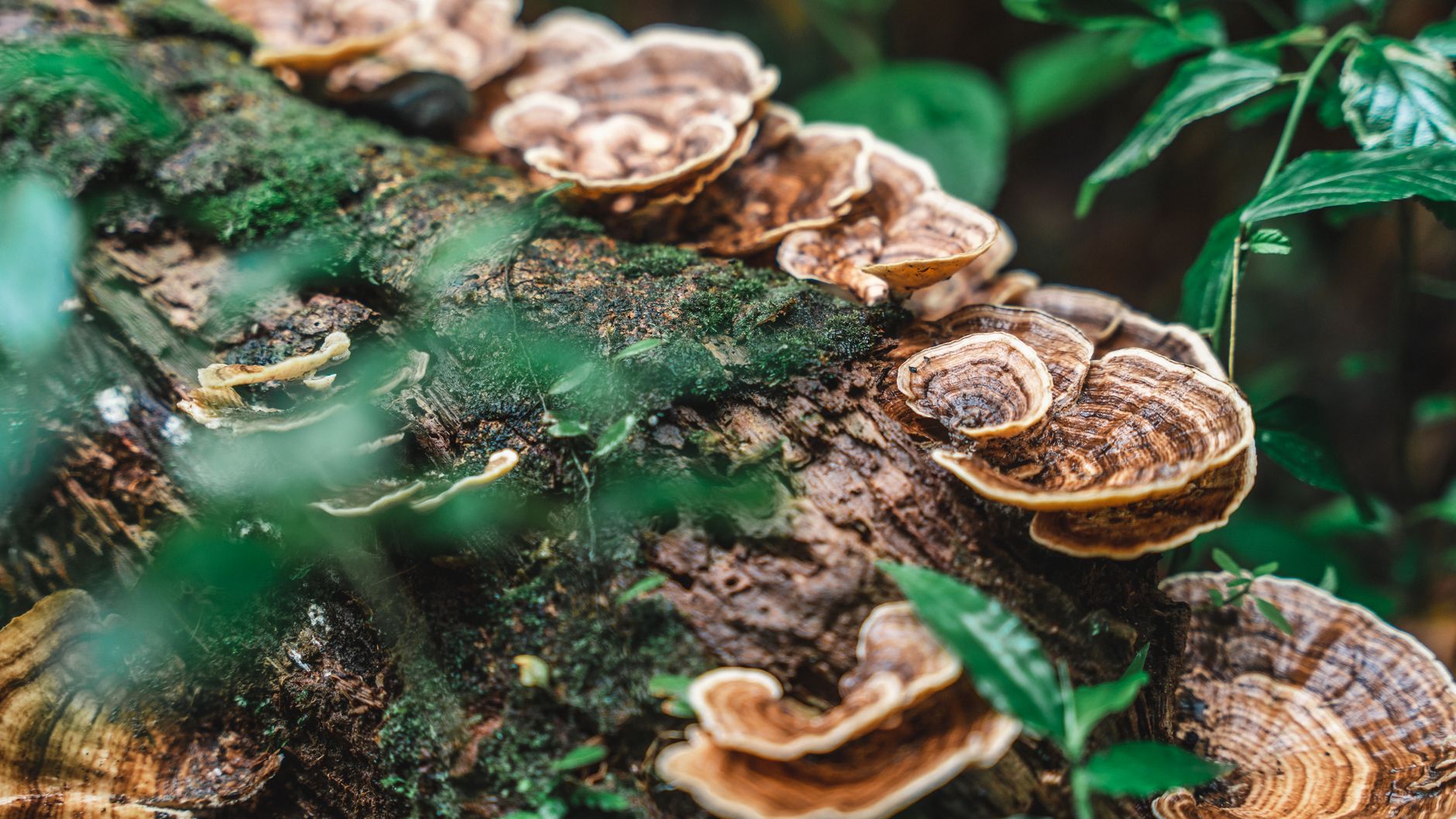

Enoki mushrooms (Flammulina velutipes) are among the most widely consumed edible fungi in East Asia, appearing frequently in soups, hot pots, and fermented preparations. While their culinary presence is well established, a growing body of preclinical research has begun examining the bioactive compounds in enoki and what they may mean for human health. This overview summarizes what the current literature suggests, with an emphasis on areas where evidence is emerging rather than conclusive.
What Makes Enoki Mushrooms Biologically Interesting?
Enoki mushrooms contain several classes of compounds that researchers have linked to potential biological activity. These include beta-glucan polysaccharides, polyphenols, ergothioneine, and various glycoproteins. The fruiting body is relatively low in calories while providing meaningful amounts of dietary fiber, B vitamins, and minerals including potassium and selenium.
The polysaccharide fraction of Flammulina velutipes has received particular research attention. Beta-glucans, a type of soluble fiber found in the cell walls of fungi, are known to interact with immune receptors in the gastrointestinal tract. Preclinical studies on F. velutipes polysaccharides have examined their potential effects on intestinal microbiota composition, lipid metabolism, and immune system signaling, though most of this work has been conducted in animal models or cell-based systems.
Immune Modulation: What Preclinical Research Shows
Research on Flammulina velutipes polysaccharides (FVP) has suggested possible immunomodulatory effects in animal studies. One investigation published in the International Journal of Biological Macromolecules reported that FVP treatment in mice appeared to regulate colonic microbiota composition and influence T-cell receptor gene fragment usage, suggesting an effect on the immune repertoire.[1] These findings are preliminary and were observed under controlled laboratory conditions, so their relevance to human immune function is not yet established.
A broader review published in Critical Reviews in Immunology documented that polysaccharides and protein-bound complexes from several Basidiomycetes fungi, including Flammulina velutipes, have been studied for their antitumor and immune-modulating properties. The review noted that various beta-glucan-based agents derived from fungi have been investigated as adjunct therapies in countries including Japan and China, though clinical evidence in humans remains limited for enoki specifically.[2]
Antioxidant and Anti-Inflammatory Properties
The polyphenol content of enoki mushrooms has been examined for antioxidant and anti-inflammatory activity. Research published in Molecules characterized fermented F. velutipes polyphenols and reported higher antioxidant and anti-inflammatory activity compared to non-fermented extracts in cell culture models. The fermented preparation appeared to inhibit production of nitric oxide and reactive oxygen species in macrophage cells, and reduced inflammatory markers at the cellular level.[3] These are in vitro findings, meaning they were observed outside of living organisms, and do not directly translate to measurable effects in people taking enoki supplements.
Enoki is also one of the richer fungal sources of ergothioneine, an amino acid derivative with notable antioxidant properties. Ergothioneine has a dedicated transporter in mammalian cells, and research suggests it accumulates in tissues exposed to oxidative stress. Studies on ergothioneine-enriched F. velutipes extracts have examined their potential as food-grade antioxidants, though this research has focused more on food preservation applications than human health endpoints.[4]
Lipid Metabolism and Gut Microbiota
One of the more recent and mechanistically detailed lines of enoki research involves its potential effects on lipid metabolism. A 2025 study published in Foods isolated a novel heteropolysaccharide (FVPB1) from F. velutipes fruiting bodies and examined its effects in high-fat diet-induced mice. The study reported that FVPB1 supplementation was associated with reduced lipid accumulation, changes in hepatic cholesterol metabolism enzymes, and modulation of gut microbiota composition. Specifically, FVPB1 appeared to influence the expression of enzymes involved in bile acid synthesis and cholesterol transport, while also altering the structural composition of intestinal microbiota in treated animals.[5]
This type of research connects enoki’s fiber content to a broader conversation about how dietary polysaccharides interact with the gut microbiome. For more context on how functional mushrooms may influence gut microbial communities, see our overview of the best mushrooms for gut health.
Nutritional Profile at a Glance
Beyond its bioactive compounds, enoki offers a reasonable nutritional profile for a low-calorie food. A 100-gram serving of raw enoki mushrooms provides roughly 37 calories, approximately 2.7 grams of protein, 7 grams of carbohydrate (of which about 2.7 grams is fiber), and small amounts of fat. Enoki is a source of niacin (vitamin B3), pantothenic acid (B5), and riboflavin (B2). Like other fungi grown under UV light, enoki may also contribute small amounts of vitamin D, though this depends on cultivation conditions.
The high water content of fresh enoki (approximately 89%) means that dried or powdered forms used in supplements will have a significantly different nutritional density than the whole mushroom consumed in food.
Supplement Forms and What to Consider
Enoki is available in fresh, dried, and powdered forms, as well as in multi-mushroom supplement blends. When evaluating enoki supplements, the same quality markers that apply to other functional mushroom products are relevant: beta-glucan percentage (rather than total polysaccharides), whether the product uses fruiting body or myceliated grain, and whether a certificate of analysis from a third-party lab is available.
Because most enoki health research has used extracted polysaccharide fractions rather than whole dried mushroom, it is not clear whether commercially available supplements deliver the same compounds at comparable concentrations. This is a common limitation across the functional mushroom supplement category.
Safety Considerations
Fresh enoki mushrooms have a long history of safe consumption in Asian cuisine. Cooked enoki is considered well-tolerated in most people. Raw enoki has been associated with rare cases of foodborne illness due to Listeria monocytogenes contamination in commercial fresh products, which is a food safety concern distinct from the mushroom’s inherent properties.
As with any supplement, individuals taking immunosuppressive medications or those with known mushroom allergies should consult a healthcare provider before adding enoki extract to their routine. Research on interactions with specific medications is limited.
Summary
Enoki mushrooms are a well-established culinary ingredient with an emerging profile in functional food and supplement research. Preclinical studies indicate that F. velutipes polysaccharides may support immune modulation, antioxidant activity, and lipid metabolism in animal models, but human clinical trials on enoki specifically are limited. The mushroom’s nutritional content, particularly its fiber, ergothioneine, and B vitamins, gives it a reasonable basis for inclusion in a varied diet. For those considering enoki in supplement form, the evidence base is preliminary and should be weighed accordingly.
References
- [1] Hao Y, et al. The biological regulatory activities of Flammulina velutipes polysaccharide in mice intestinal microbiota, immune repertoire and heart transcriptome. Int J Biol Macromol. 2021;185:582-591. PMID: 34216660
- [2] Wasser SP, Weis AL. Therapeutic effects of substances occurring in higher Basidiomycetes mushrooms: a modern perspective. Crit Rev Immunol. 1999;19(1):65-96. PMID: 9987601
- [3] Ma S, Zhang H, Xu J. Characterization, Antioxidant and Anti-Inflammation Capacities of Fermented Flammulina velutipes Polyphenols. Molecules. 2021;26(20):6205. PMID: 34684784
- [4] Tao Y, et al. Effects of ergothioneine-enriched mushroom extract on oxidative stability, volatile compounds and sensory quality of emulsified sausage. Anim Biosci. 2021;34(10):1695-1704. PMID: 33705628
- [5] Jia W, et al. Structural Characterization of Polysaccharide from Flammulina velutipes and Its Impact on Hyperlipidemia Through Modulation of Hepatic Cholesterol Metabolism and Gut Microbiota. Foods. 2025;14(19):3452. PMID: 41097621
Disclaimer: This article is for informational purposes only and does not constitute medical advice. The research cited reflects preclinical or early-stage findings and does not establish that enoki mushrooms or their extracts prevent, treat, or cure any disease. Consult a qualified healthcare professional before making changes to your diet or supplement regimen.