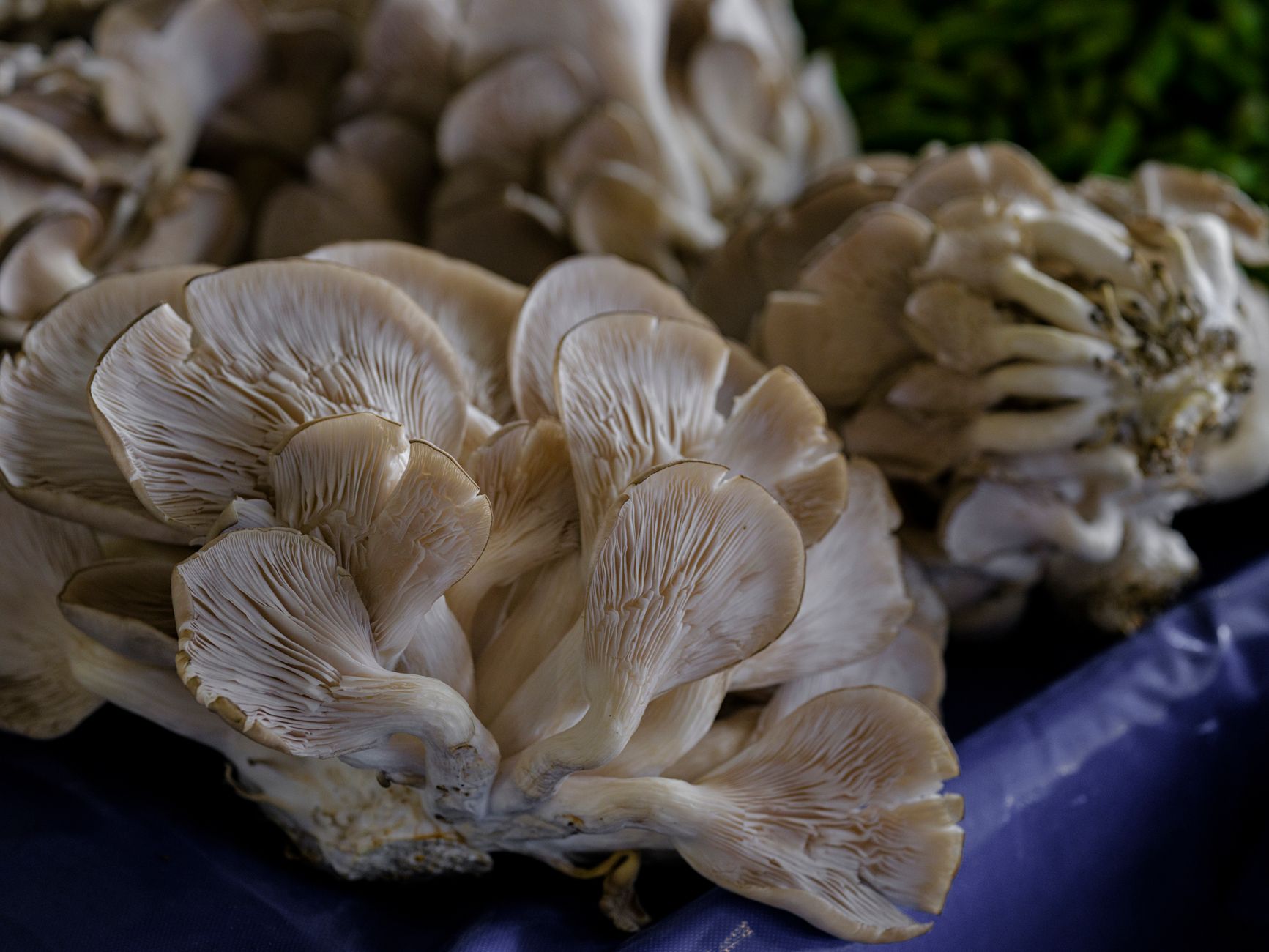
Pleurotus ostreatus, commonly known as the oyster mushroom, is among the most widely cultivated edible fungi in the world. While it has long been valued as a culinary ingredient, a growing body of research is beginning to characterize its biological activity in more rigorous terms. Studies suggest that compounds found in oyster mushrooms may support immune regulation, lipid metabolism, and antioxidant defense, making it a subject of increasing scientific interest beyond the kitchen.
Botanical Profile and Key Bioactive Compounds
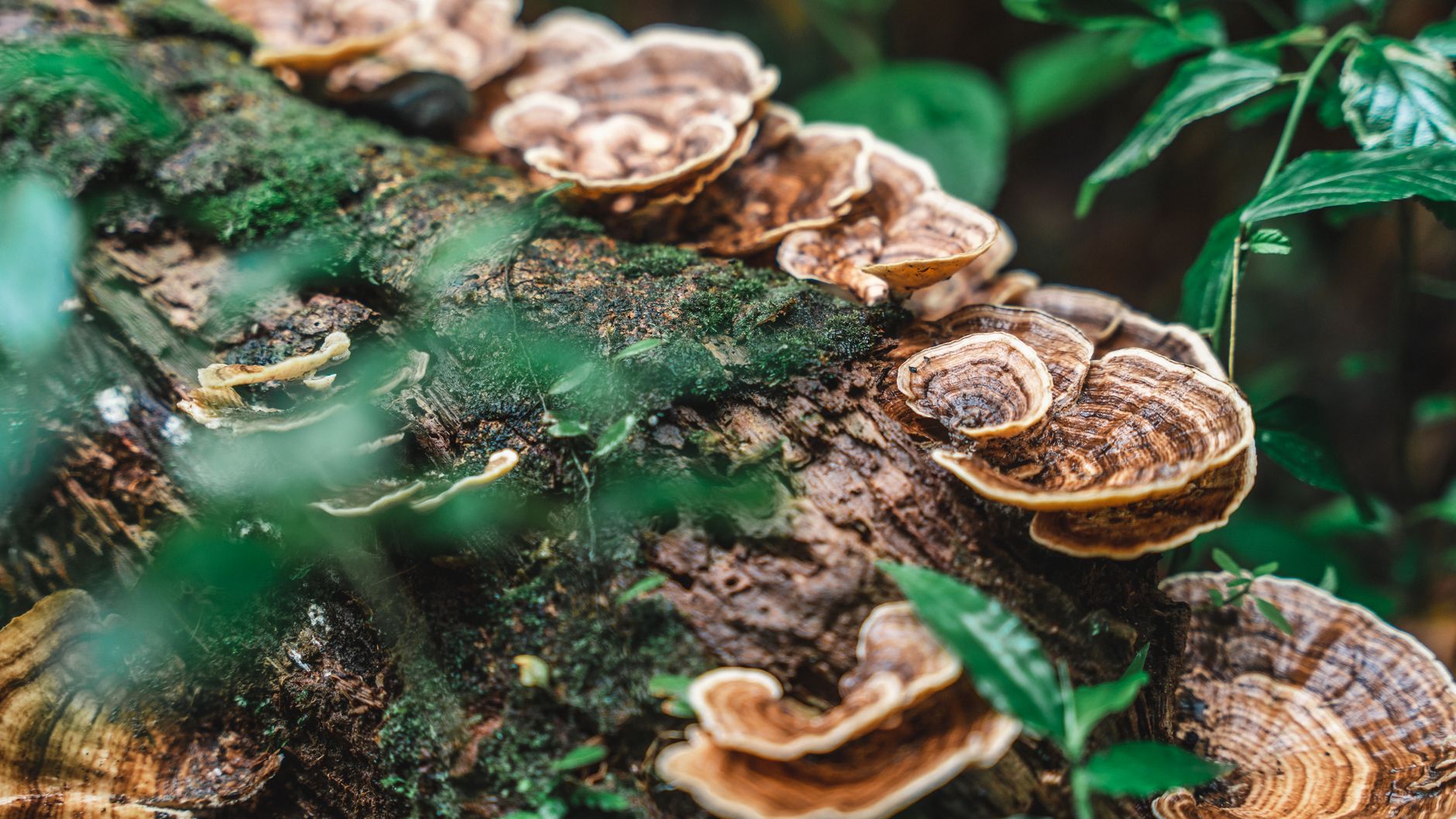
Oyster mushrooms belong to the genus Pleurotus, a group that includes several closely related species such as P. pulmonarius, P. eryngii, and P. cornucopiae. The mushroom’s characteristic fan-shaped fruiting body grows on decaying hardwood and is cultivated commercially across Asia, Europe, and North America.
The bioactive profile of oyster mushrooms is notably diverse. Key compounds include:
- Beta-(1,3/1,6)-D-glucans (pleuran): Branched polysaccharides that interact with immune receptors, particularly dectin-1 on macrophages and other innate immune cells.
- Ergothioneine: A sulfur-containing amino acid with antioxidant properties that accumulates in mushroom tissue and is not synthesized by humans.
- Lovastatin: A naturally occurring compound in Pleurotus species that belongs to the same chemical class as pharmaceutical cholesterol-lowering agents.
- Polyphenols and flavonoids: Secondary metabolites that contribute to the mushroom’s overall antioxidant activity.
- Ergosterol: A sterol precursor that converts to vitamin D2 upon ultraviolet light exposure.
Immune Support: What the Research Shows
The most studied aspect of oyster mushroom biology relates to its beta-glucan content, specifically the polysaccharide fraction known as pleuran. Pleuran is an insoluble beta-(1,3/1,6)-glucan that has been investigated in multiple controlled trials for its effects on immune function.
A double-blind, placebo-controlled, randomized, multicenter trial examined the effects of pleuran supplementation in 175 children with a history of recurrent respiratory tract infections. The active group showed a statistically significant reduction in the frequency of respiratory infections over a 12-month period, with 36% of children in the pleuran group experiencing no infections during the study, compared to 21% in the placebo group. The intervention also produced measurable changes in both humoral and cellular immune markers.[1]
A separate randomized controlled trial investigated pleuran supplementation in athletes undergoing heavy physical training, a population known to experience transient immune suppression. Supplementation over three months was associated with a significant reduction in upper respiratory tract infection symptoms and an increase in circulating natural killer (NK) cell counts. Phagocytic activity, which declined in the placebo group over the same period, remained stable in the pleuran group.[2]
A larger-scale international study extended these findings across 1,030 children from seven countries, reporting a significant reduction in the total number of respiratory tract infections during a six-month observation window that included three months of pleuran supplementation and three months of follow-up. All respiratory infection subtypes showed reductions in both frequency and duration, and the safety profile was reported as favorable.[3]
These findings are consistent with the broader mechanistic understanding of beta-glucan activity. By binding to pattern recognition receptors on monocytes, macrophages, and dendritic cells, pleuran-type glucans may prime innate immune responses without triggering excessive inflammation.
Cardiovascular and Lipid-Related Research
Research on Pleurotus mushrooms has also examined their potential relevance to cardiovascular risk factors. A review published in the Journal of Integrative Medicine summarized the bioactive compounds in Pleurotus species with proposed activity related to blood pressure, lipid profiles, and inflammatory markers. The authors noted that regular consumption of Pleurotus species or isolated fractions may be associated with antihyperlipidemic, antiatherogenic, and anticholesterolemic effects, based on both preclinical and preliminary human data.[4]
The presence of naturally occurring lovastatin in Pleurotus ostreatus has attracted particular attention. However, concentrations vary considerably by cultivation method and preparation, and the clinical significance of dietary exposure at typical intake levels remains unclear. Human trials specifically isolating this effect are limited, and no conclusions about therapeutic equivalence to pharmaceutical statins can be drawn from available evidence.
Antioxidant Properties
Oyster mushrooms contain several compounds with antioxidant activity, including ergothioneine, polyphenols, and selenium. Ergothioneine, in particular, has attracted growing research interest due to its unusual stability and its accumulation in metabolically active human tissues. Studies indicate that mushrooms are among the primary dietary sources of this compound, and Pleurotus species contain measurable concentrations.
Antioxidant activity in oyster mushrooms has been assessed using in vitro assays including DPPH and ABTS radical scavenging methods, with results suggesting meaningful free radical neutralization capacity relative to other edible fungi. Whether these in vitro findings translate proportionally to in vivo outcomes in humans requires further controlled research.
Nutritional Profile
Beyond bioactive compounds, oyster mushrooms offer a favorable general nutritional profile. They are low in calories, provide dietary fiber, and contain all essential amino acids, making them a protein-complete food. Key micronutrients include B vitamins (riboflavin, niacin, pantothenic acid), potassium, phosphorus, and copper. Their prebiotic fiber content, including beta-glucans and chitin, may also contribute to gut microbiome diversity, a topic explored in more depth in research on mushrooms and gut health.
Safety and Considerations
Oyster mushrooms are generally recognized as safe for consumption in culinary contexts. Adverse reactions are rare, though occupational exposure to spores in high-concentration cultivation environments has been associated with respiratory sensitization in some workers. Individuals with known mushroom allergies should exercise appropriate caution.
For those considering concentrated supplement forms rather than whole mushroom consumption, attention to beta-glucan standardization, extraction method (hot water vs. alcohol), and third-party testing is advisable. As with any supplement, those managing chronic conditions or taking medications should consult a qualified healthcare provider before use.
Summary
Oyster mushrooms occupy an unusual position among functional fungi: they are simultaneously a mainstream culinary ingredient and a subject of substantive immunological research. The evidence base for their beta-glucan fraction, specifically pleuran, is more developed than for many other functional mushrooms, with multiple randomized controlled trials supporting an association with immune modulation and reduced respiratory infection frequency. Research on their lipid-related and antioxidant properties is earlier-stage but consistent with their known bioactive composition. As interest in food-based health strategies continues to grow, oyster mushrooms represent a practical and scientifically grounded addition to that conversation.
References
- Jesenak M, et al. Immunomodulatory effect of pleuran (beta-glucan from Pleurotus ostreatus) in children with recurrent respiratory tract infections. Int Immunopharmacol. 2013. PMID: 23261366
- Bergendiova K, et al. Pleuran (beta-glucan from Pleurotus ostreatus) supplementation, cellular immune response and respiratory tract infections in athletes. Eur J Appl Physiol. 2011. PMID: 21249381
- Rennerova Z, et al. Beta-(1,3/1,6)-D-glucan from Pleurotus ostreatus in the prevention of recurrent respiratory tract infections. Front Pediatr. 2022. PMID: 36324817
- Dos Reis EE, et al. Effects of bioactive compounds from Pleurotus mushrooms on COVID-19 risk factors associated with the cardiovascular system. J Integr Med. 2022. PMID: 35879221
Disclaimer: This article is intended for informational purposes only and does not constitute medical advice. The statements on this page have not been evaluated by the Food and Drug Administration. Mushroom supplements are not intended to diagnose, treat, cure, or prevent any disease. Consult a qualified healthcare provider before starting any new supplement regimen.