Shiitake mushrooms (Lentinula edodes) have been cultivated in East Asia for over a thousand years, prized both as a culinary ingredient and as a traditional remedy. Today, modern research is examining what ancient practitioners may have intuited: shiitake contains bioactive compounds that appear to influence cholesterol metabolism and immune function in measurable ways. Among the most studied of these compounds is AHCC (Active Hexose Correlated Compound), a proprietary extract derived primarily from shiitake mycelia.
This article explores the science behind shiitake and cholesterol, what AHCC is and how it differs from the whole mushroom, and what the current research actually supports.
What Makes Shiitake Unique Among Culinary Mushrooms
Shiitake is more than a flavorful culinary ingredient. It contains a distinct profile of bioactive compounds that set it apart from other commonly eaten fungi. Three in particular have attracted scientific attention:
- Eritadenine: A water-soluble compound unique to shiitake. Research suggests it may inhibit an enzyme involved in converting dietary fat into cholesterol in the body, influencing how the liver processes lipids.[1]
- Beta-glucans: Polysaccharides found throughout the fungal cell wall. Beta-glucans are known to support immune signaling and have been associated with reductions in LDL cholesterol in various food sources, including oats and mushrooms.[2]
- Lentinan: A specific beta-1,3/1,6-glucan found in shiitake that has been extensively studied for its immunomodulatory effects, particularly in Japan where it has been used as an adjunct in oncology settings.
A 2016 study published in the Journal of Agricultural and Food Chemistry isolated water-soluble compounds from Lentinula edodes and demonstrated their ability to influence HMG-CoA reductase activity and alter the expression of genes involved in cholesterol regulation.[1] HMG-CoA reductase is the same enzyme targeted by statin medications, making this a particularly relevant finding.
Shiitake and Cholesterol: What Human Research Shows
Animal studies on shiitake and lipid metabolism have been promising for years, but human clinical evidence has been slower to accumulate. A 2021 study published in the International Journal of Medicinal Mushrooms examined the effects of shiitake culinary-medicinal mushroom bars on lipid and glucose profiles in human participants. Researchers found notable changes in lipid markers among those who consumed the shiitake bars over the study period, supporting the idea that regular dietary intake of shiitake may contribute to cardiovascular health.[3]
A 2019 animal study in the Journal of Dietary Supplements also assessed how shiitake intake affected serum lipids in rats fed high-oil and high-fat diets, adding to the mechanistic picture of how shiitake compounds interact with lipid metabolism.[4]
It is worth noting that the evidence is still developing. The studies available tend to be small or use animal models. Shiitake is not a replacement for proven cholesterol-lowering interventions, and anyone with elevated cholesterol should discuss options with their physician.
What Is AHCC?
AHCC stands for Active Hexose Correlated Compound. It is a patented, standardized extract produced by culturing and enzymatically processing the mycelia of Lentinula edodes (and sometimes other Basidiomycota species). The process breaks down the fungal cell wall, concentrating alpha-glucans rather than beta-glucans. This is a meaningful distinction: most functional mushroom extracts are standardized for beta-glucan content, but AHCC is primarily composed of short-chain alpha-glucans, which are thought to be more readily absorbed.
AHCC is manufactured by Amino Up Co., Ltd. in Japan and has been the subject of over 30 human clinical trials. Most of this research has focused on immune support rather than cholesterol, making AHCC a somewhat separate conversation from the lipid-lowering discussion above.
AHCC and Immune Function
The immune research on AHCC is the most clinically developed area of shiitake extract science. A 2022 study in Integrative Cancer Therapies examined AHCC supplementation for preventing recurrence of hepatocellular carcinoma after curative surgery, finding encouraging results in certain patient subgroups.[5]
A 2019 study published in Nutrients explored how AHCC influenced T regulatory and dendritic cell phenotypes in subjects taking it alongside a probiotic and an antibiotic, illustrating the compound’s capacity to modulate immune cell populations.[6]
These immune findings have generated interest in AHCC for a range of applications: post-surgical recovery, adjunct support during chemotherapy, and general immune resilience. It is important to understand that AHCC supplements are not whole shiitake mushroom extracts: they are a specific, proprietary product with its own dosing research and quality standards.
Whole Mushroom vs. AHCC Supplement: Key Differences
If you are shopping for shiitake-based products, distinguishing between whole mushroom extracts and AHCC is essential:
- Whole shiitake powder or extract: Contains the full spectrum of compounds including eritadenine, beta-glucans, lentinan, and various polyphenols. More relevant for dietary cholesterol support and general wellness.
- AHCC: A processed mycelium extract standardized for alpha-glucan content. More studied for immune applications. Typically more expensive. Look for products that specify “AHCC” and list the manufacturer (Amino Up).
- Lentinan: A purified polysaccharide fraction that has been used intravenously in Japan in clinical oncology contexts. Not the same as taking an oral shiitake supplement.
For more detail on how to evaluate functional mushroom supplement labels, see our guide on beta-glucans and what they mean on a supplement label.
How to Incorporate Shiitake Into Your Routine
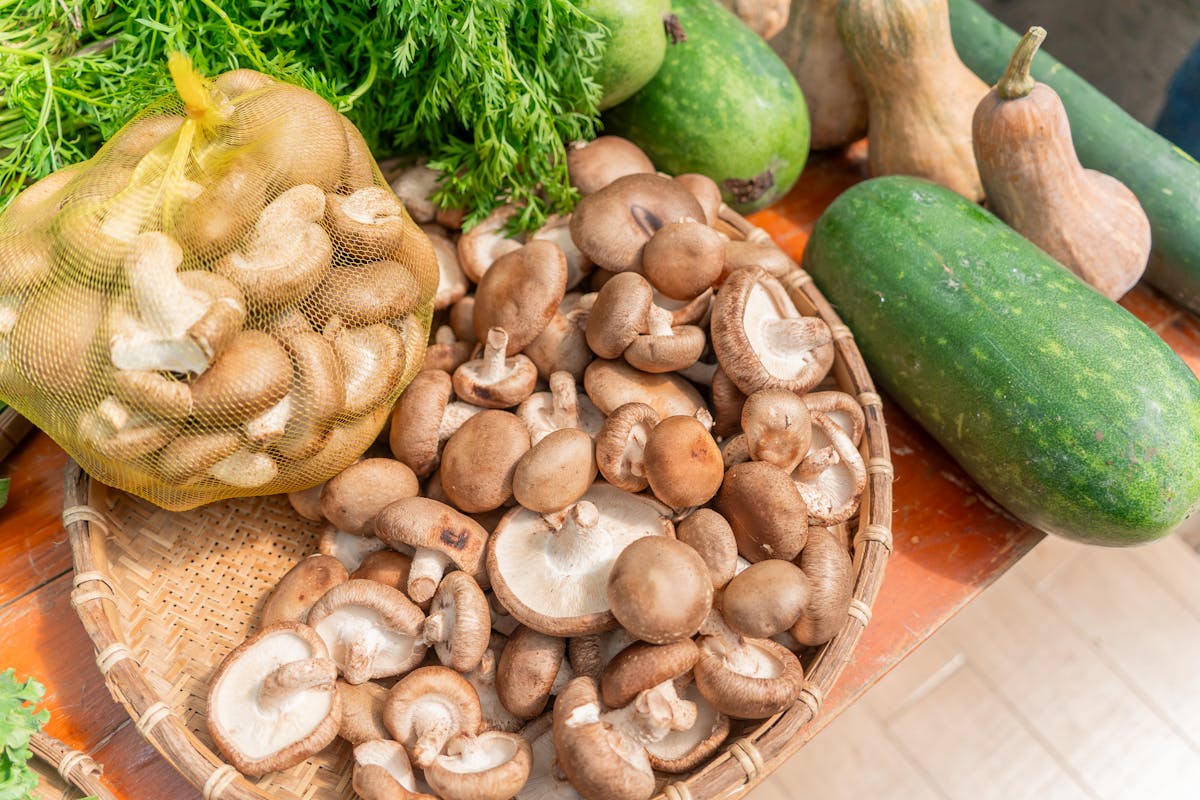
One of the easiest and most evidence-aligned ways to benefit from shiitake is simply to eat more of it. Fresh and dried shiitake are widely available and integrate naturally into soups, stir-fries, grain bowls, and broths. Cooking does not appear to destroy eritadenine, and regular dietary intake is how most of the traditional use has been accumulated.
If you prefer supplements, look for products that specify Lentinula edodes fruiting body extract with a stated beta-glucan percentage. A 2021 study used a food-form shiitake bar as the vehicle for supplementation; the broader research literature does not yet point to a single standardized dosing protocol proven in large human trials.
The Bottom Line
Shiitake mushrooms occupy an interesting space in functional nutrition: they are one of the few culinary fungi with a credible body of research behind specific bioactive compounds and measurable effects on cholesterol pathways. Eritadenine, beta-glucans, and lentinan each contribute to a multi-mechanism picture that has attracted serious scientific attention.
AHCC, while derived from shiitake, represents a distinct supplement category with its own research base: one focused more on immune support than on lipids. Understanding the difference helps you match the right product to the right goal.
As with any supplement, the evidence remains preliminary compared to pharmaceutical interventions. Shiitake is not a statin. But as part of a diet rich in whole foods and functional ingredients, it may offer meaningful support for both cardiovascular and immune health.
References
- [1] Cholesterol-lowering activity of water-soluble compounds from Lentinula edodes. PubMed 26877235
- [2] Rop O, et al. Beta-glucans in higher fungi and their health effects. Nutr Rev. 2009. PubMed 19906249
- [3] Shiitake culinary-medicinal mushroom bars on lipid and glucose profiles. Int J Med Mushrooms. 2021. PubMed 34375514
- [4] Effects of shiitake intake on serum lipids in rats fed high-fat diets. J Diet Suppl. 2019. PubMed 29701491
- [5] Preventing recurrence of hepatocellular carcinoma with AHCC after surgery. Integr Cancer Ther. 2022. PubMed 35075934
- [6] Modulation of T regulatory and dendritic cell phenotypes following AHCC ingestion. Nutrients. 2019. PubMed 31618905
This article is for informational purposes only and does not constitute medical advice. Always consult a qualified healthcare provider before starting any supplement.