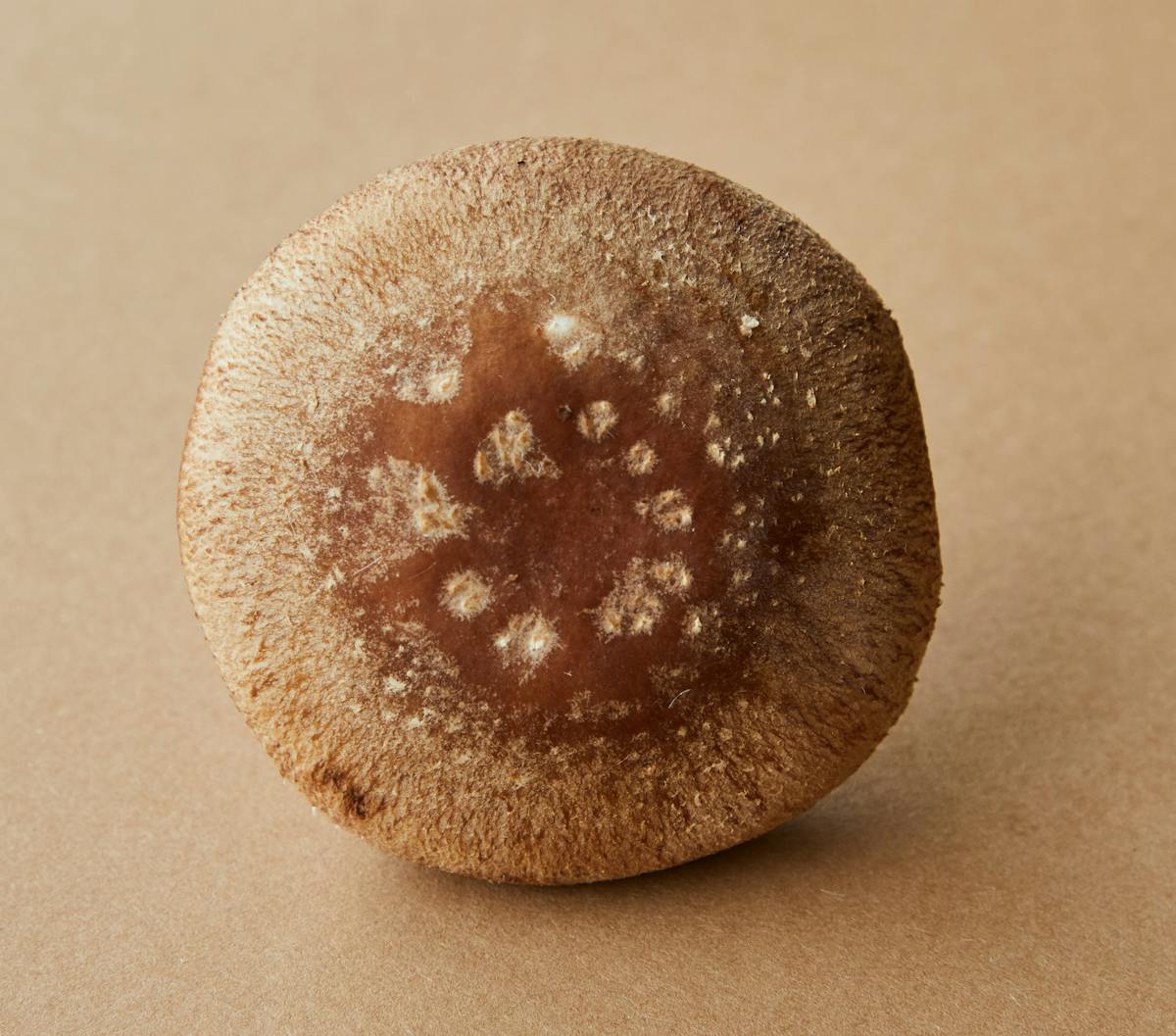
Shiitake (Lentinula edodes) is one of the most widely consumed mushrooms in the world, valued for centuries in East Asian culinary and traditional medicine traditions. In recent decades, laboratory and clinical researchers have turned increased attention to its bioactive compounds, examining whether the properties long attributed to shiitake hold up under controlled investigation. The evidence so far suggests that shiitake may support immune function, cardiovascular markers, and gut microbiota composition, making it a meaningful subject for those interested in functional nutrition.
Key Bioactive Compounds in Shiitake
Much of the research on shiitake centers on a handful of well-characterized compounds. Lentinan is a beta-(1,3)-glucan polysaccharide that has attracted the most scientific attention. Eritadenine is a unique compound thought to influence cholesterol metabolism. Shiitake also contains ergosterol, the precursor to vitamin D2, as well as phenolic antioxidants and the sulfur-containing compound lenthionine, which contributes to its characteristic aroma and may carry antimicrobial properties.
These compounds are not uniformly present across all preparations. Fresh mushrooms, dried powder, and hot-water extracts yield different concentrations of lentinan and other polysaccharides, which is an important consideration when interpreting study results. For a detailed look at how to evaluate these components on product labels, see the SafeShrooms guide to beta-glucan and polysaccharide content on supplement labels.
Immune Function: What Human Studies Show
One of the most frequently cited studies on shiitake and immunity is a randomized dietary intervention conducted at the University of Florida. Fifty-two healthy adults aged 21 to 41 consumed either 5 or 10 grams of whole dried shiitake daily for four weeks. At the end of the intervention period, participants showed significantly increased ex vivo proliferation of gamma-delta T cells and natural killer T (NK-T) cells compared to baseline. Researchers also noted increased secretory immunoglobulin A (sIgA) in saliva, which suggests improved mucosal immune activity, alongside a reduction in C-reactive protein, a marker of systemic inflammation.[1]
This study is notable for using whole, dried mushrooms rather than isolated extracts, providing a closer approximation of dietary exposure. The finding that immune cell proliferation increased at both dose levels suggests a broad effect rather than one dependent on very high intake, though researchers noted the changes were more pronounced at the higher amount used in the study.
Lentinan and Gastrointestinal Health
Lentinan, the principal beta-glucan in shiitake, has been studied extensively in preclinical models and has a longer clinical history in Japan, where it has been used as an adjunct in certain oncology settings. A 2026 scoping review published in the European Journal of Microbiology and Immunology summarized evidence from both preclinical and clinical studies on lentinan’s effects in the gastrointestinal tract. Reviewers found that lentinan may support intestinal epithelial barrier integrity, modulate immune signaling, and influence gut microbiota composition. In clinical settings, lentinan administration was associated with reduced treatment-related adverse events and improved quality of life in some patient populations, though the authors noted these outcomes depended on factors including lentinan’s molecular weight, dose, and route of administration.[2]
It is important to distinguish between intravenous lentinan, used in clinical oncology contexts, and oral consumption of shiitake mushrooms or supplements. The mechanisms and effective concentrations differ substantially between these routes, and research findings from one context do not automatically translate to the other.
Cardiovascular and Cholesterol-Related Compounds
Shiitake contains eritadenine, a compound that studies indicate may inhibit HMG-CoA reductase, the same enzyme targeted by statin medications. A sequential extraction study identified water-soluble fractions from Lentinula edodes that demonstrated the ability to inhibit both HMG-CoA reductase and angiotensin-converting enzyme (ACE) in laboratory conditions, suggesting potential cardiovascular-relevant bioactivity.[3]
A separate clinical trial using a beta-glucan-enriched extract from shiitake in adults with mild hypercholesterolemia found that while the extract favorably modulated gut microbiota composition over eight weeks, no statistically significant differences in lipid parameters were observed compared to placebo. The researchers noted that the microbiota changes, including increased relative abundance of certain beneficial bacterial genera, may represent a distinct mechanism of action worth exploring in future studies.[4]
Gut Microbiota Modulation
The microbiota findings from the above trial are consistent with the known prebiotic properties of beta-glucans broadly. The indigestible fiber components in shiitake serve as a substrate for fermentation by gut bacteria. Research suggests that polysaccharide-rich mushroom extracts may selectively support the growth of beneficial bacterial populations, though the clinical significance of these microbiota shifts and their downstream health effects remain active areas of investigation.
Nutritional Profile Worth Noting
Beyond its bioactive compounds, shiitake offers a notable nutritional profile for a fungus. It contains B vitamins including B2, B3, B5, and B6, as well as trace minerals such as copper, selenium, and zinc. The ergosterol content converts to vitamin D2 when mushrooms are exposed to UV light, either during sun-drying or through deliberate UV treatment during production. This makes properly prepared shiitake one of few non-animal food sources of vitamin D, relevant for those with limited sun exposure.
Considerations for Supplementation
Shiitake is generally regarded as safe when consumed as food in standard culinary amounts. Some individuals have reported a condition called shiitake dermatitis, a flagellate erythema (linear skin rash) that may occur after consuming raw or undercooked shiitake. This reaction is attributed to lentinan and appears to resolve with avoidance. Thoroughly cooked shiitake is rarely associated with this response.
Supplement products typically use hot-water extracts standardized for beta-glucan content. As with all functional mushroom supplements, quality and extraction method vary considerably across products. Those taking immunosuppressive medications should consult a healthcare provider before adding shiitake extracts, given the potential for immunomodulatory effects.
Summary
Shiitake is among the more research-supported functional mushrooms, with human clinical data on immune modulation and microbiota effects, laboratory evidence for cardiovascular-relevant compounds, and a strong nutritional foundation. Research suggests that regular dietary consumption may support immune cell activity and gut health in healthy adults. Its primary bioactive, lentinan, has an established clinical record in some medical contexts, though direct translation to consumer supplements requires careful interpretation. As with most functional mushrooms, the quality of available evidence varies by application, and more rigorous human trials are needed to establish definitive recommendations.
References
- Dai X, et al. Consuming Lentinula edodes (Shiitake) Mushrooms Daily Improves Human Immunity: A Randomized Dietary Intervention in Healthy Young Adults. J Am Coll Nutr. 2015;34(6):478-487. PMID: 25866155
- Scholz JS, et al. Therapeutic effects of Lentinan in gastrointestinal inflammation and carcinogenesis – A scoping review. Eur J Microbiol Immunol. 2026. PMID: 42201770
- Morales D, et al. Extraction of bioactive compounds against cardiovascular diseases from Lentinula edodes using a sequential extraction method. Biotechnol Prog. 2018;34(3):746-755. PMID: 29388355
- Morales D, et al. Modulation of human intestinal microbiota in a clinical trial by consumption of a beta-D-glucan-enriched extract obtained from Lentinula edodes. Eur J Nutr. 2021;60(6):3249-3265. PMID: 33580297
Disclaimer: This article is for informational purposes only and does not constitute medical advice. The statements in this article have not been evaluated by the Food and Drug Administration. Functional mushrooms and mushroom supplements are not intended to diagnose, treat, cure, or prevent any disease. Consult a qualified healthcare provider before beginning any new supplement regimen.