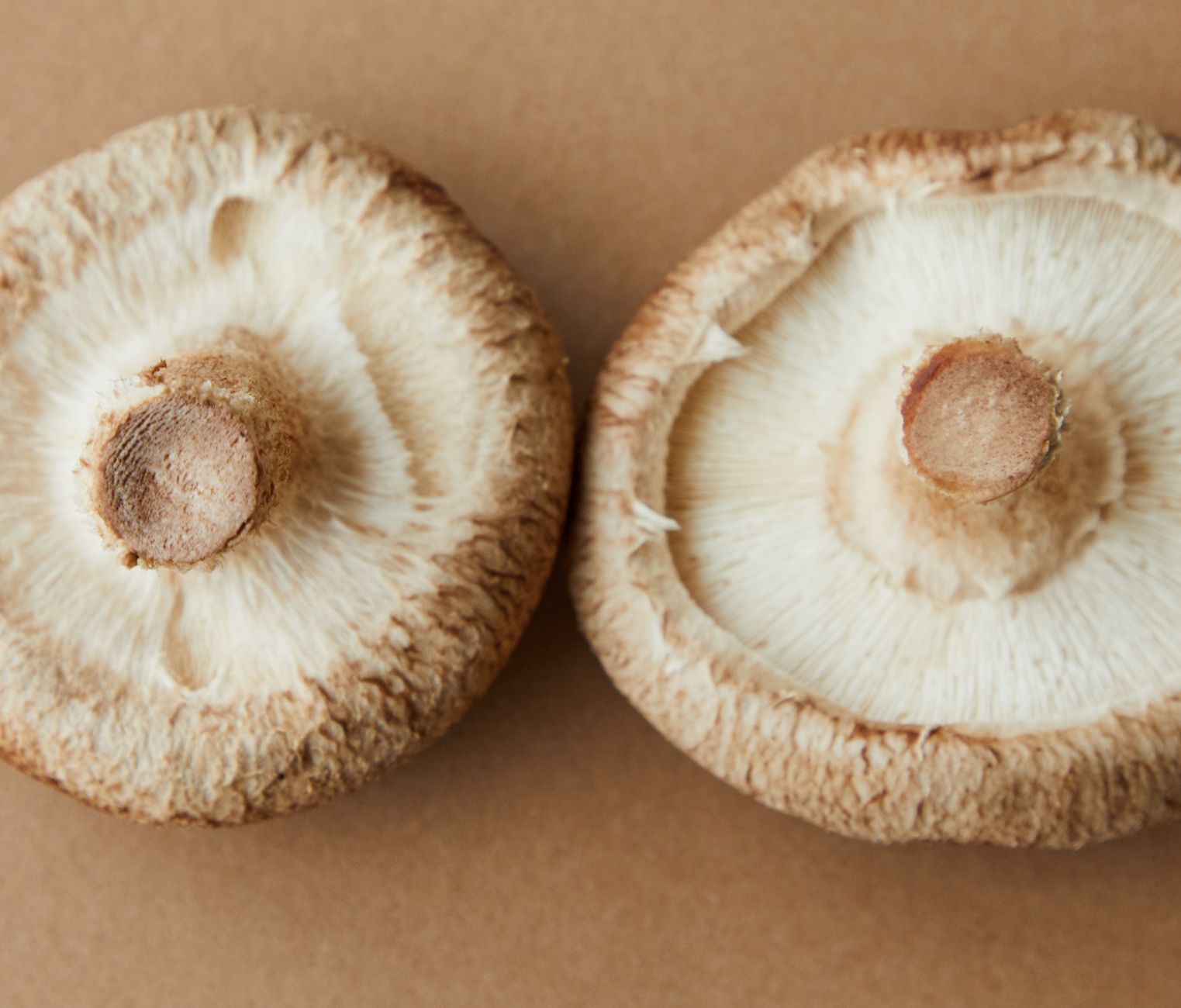
Shiitake (Lentinula edodes) is one of the most widely consumed mushrooms in the world, yet its role extends well beyond culinary tradition. Decades of scientific inquiry have examined the bioactive compounds in this species, revealing a range of properties that may support immune function, cardiovascular health, and metabolic balance. This article summarizes the current evidence and situates shiitake within the broader field of functional mushroom research.
What Makes Shiitake Functionally Distinct
Shiitake’s bioactivity is attributed to several key constituents. Lentinan, a high-molecular-weight beta-(1,3)-glucan, is the most studied of these compounds. Eritadenine, a water-soluble adenosine analog, has attracted interest for its potential role in lipid metabolism. The mushroom also contains polysaccharide-protein complexes, sterols, and a range of B vitamins, all of which may contribute to its health-relevant effects.
Immune Modulation: The Lentinan Story
Lentinan is classified as a biological response modifier, a compound that does not directly attack pathogens but rather adjusts the activity of the host immune system. In preclinical models, lentinan has been shown to stimulate macrophage activation, increase natural killer (NK) cell activity, and promote the secretion of cytokines including IL-2 and IFN-gamma. These effects suggest it may help prime innate immune defenses without overstimulating the system.
A 2024 study published in International Journal of Molecular Sciences found that lentinan extracted from Lentinus edodes mitigated cyclophosphamide-induced immunosuppression in animal models, restoring serum levels of IL-6, IL-2, IFN-gamma, and IgG toward normal ranges. The same extract was associated with improvements in intestinal barrier integrity and normalization of gut microbiota composition, suggesting broader systemic effects beyond immune cell signaling.[1]
A 2026 scoping review in European Journal of Microbiology and Immunology evaluated both preclinical and clinical data on lentinan’s effects in gastrointestinal pathologies. The review found evidence for protective effects in colitis models, chemotherapy-related intestinal injury, and colorectal carcinogenesis, partly through modulation of epithelial barrier function and intestinal microbiota composition. The authors noted that lentinan appeared to enhance the effectiveness of certain chemotherapy protocols and reduce treatment-related adverse events in clinical settings, though they cautioned that the observed effects depended heavily on molecular weight, dosage, and route of administration.[2]
Cardiovascular and Lipid Effects
Eritadenine, a compound found almost exclusively in shiitake among common dietary mushrooms, has been studied for potential hypocholesterolemic effects. Research indicates it may influence methionine metabolism and interfere with HMG-CoA reductase activity, the same enzymatic pathway targeted by statin drugs. A study investigating water-soluble extracts from Lentinula edodes found that they modulated the transcriptional profile of genes involved in cholesterol metabolism in hepatocyte models, producing effects that the researchers described as resembling simvastatin in some respects, though at substantially different magnitudes and through indirect mechanisms. The authors noted that no statins were detectable in the extract, and further dose-dependent work was recommended before conclusions about clinical applicability could be drawn.[3]
A rodent study published in the Journal of Dietary Supplements examined the effects of shiitake supplementation on serum lipid profiles across different high-fat dietary conditions. Animals receiving shiitake showed lower serum triglyceride and total cholesterol levels compared to controls, with the magnitude of effect varying depending on the type of dietary fat provided. These animal-model findings cannot be directly extrapolated to human outcomes, but they support continued investigation into shiitake’s metabolic properties.[4]
Antiviral Research
Emerging research has begun to characterize antiviral compounds in shiitake. A 2024 study published in Viruses identified a novel lectin called Shictin from shiitake-derived vesicle-like nanoparticles (exosomes). In laboratory assays, Shictin demonstrated activity against the SARS-CoV-2 Omicron variant by binding glycans on the virus surface and interfering with cellular entry. The researchers noted this as an early-stage finding in cell-based models, and no clinical conclusions were drawn, but the identification of this lectin adds to the growing library of bioactive shiitake constituents under investigation.[5]
Gut Health and Prebiotic Potential
Polysaccharides in shiitake, including lentinan and related beta-glucans, may function as prebiotics by selectively feeding beneficial bacteria in the gut. In the immunosuppression study cited above, lentinan supplementation was associated with normalization of the Firmicutes-to-Bacteroidetes ratio and increased abundance of bacteria associated with anti-tumor activity, such as Alistipes. These microbiome-level effects are an active area of research, particularly given the emerging evidence connecting gut microbial composition to immune regulation and systemic inflammation.
For a broader look at how functional mushrooms, including shiitake, may interact synergistically to support immune health, see our overview: Turkey Tail Mushroom: What the Research Shows About PSK, PSP, and Immune Health.
Nutritional Profile
Beyond its bioactive compounds, shiitake provides a meaningful nutritional contribution. Dried shiitake is a notable source of vitamin D2, particularly when sun-exposed during cultivation or drying. The mushroom also supplies B vitamins including B2, B3, B5, and B6, as well as dietary fiber, copper, selenium, and zinc. This combination of micronutrients and functional compounds makes shiitake one of the more nutritionally complete mushroom species in the human diet.
Safety and Considerations
Shiitake has an extensive history of dietary use and is generally regarded as safe. A small subset of individuals may develop shiitake dermatitis, a flagellate erythema triggered by ingestion of raw or undercooked shiitake, which is attributed to lentinan. This reaction does not occur with properly cooked mushrooms. Individuals on immunosuppressive therapies or anticoagulant medications may wish to consult a healthcare provider before beginning high-dose shiitake supplementation, as immune-modulating effects could, in principle, interact with these treatments.
Summary
Shiitake has earned its reputation as more than a kitchen staple. Its primary bioactive compounds, particularly lentinan and eritadenine, have been the subject of substantial research across immune modulation, lipid metabolism, gut health, and antiviral activity. While much of the mechanistic evidence remains at the preclinical stage, the clinical data on lentinan in oncology settings provides some of the strongest human-trial evidence available for any functional mushroom compound. The science continues to develop, and shiitake remains one of the most research-supported species in the functional mushroom category.
References
- [1] Jin X, et al. Extraction and Identification of Polysaccharide from Lentinus edodes and Its Effect on Immunosuppression and Intestinal Barrier Injury Induced by Cyclophosphamide. Int J Mol Sci. 2024;25(22):12432. PMID: 39596497
- [2] Scholz JS, Bereswill S, Heimesaat MM. Therapeutic effects of Lentinan in gastrointestinal inflammation and carcinogenesis. Eur J Microbiol Immunol (Bp). 2026. PMID: 42201770
- [3] Gil-Ramirez A, et al. Water-Soluble Compounds from Lentinula edodes Influencing the HMG-CoA Reductase Activity and the Expression of Genes Involved in Cholesterol Metabolism. J Agric Food Chem. 2016;64(9):1910-20. PMID: 26877235
- [4] Asada N, et al. Effects of Shiitake Intake on Serum Lipids in Rats Fed Different High-Oil or High-Fat Diets. J Diet Suppl. 2019;16(3):345-356. PMID: 29701491
- [5] Wiggins J, et al. Identification of a Novel Antiviral Lectin against SARS-CoV-2 Omicron Variant from Shiitake-Mushroom-Derived Vesicle-like Nanoparticles. Viruses. 2024;16(10):1546. PMID: 39459880
Disclaimer: The information on this page is for educational purposes only and does not constitute medical advice. Functional mushroom supplements are not intended to diagnose, treat, cure, or prevent any disease. Consult a qualified healthcare provider before beginning any new supplement regimen.