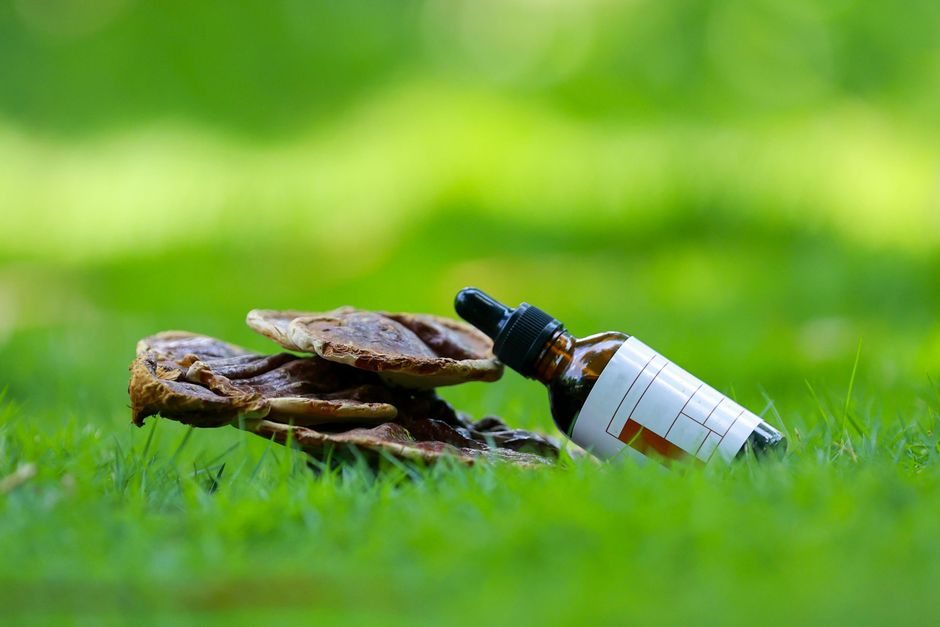
Ganoderma lucidum, commonly known as reishi or lingzhi, is one of the most extensively researched functional fungi in traditional East Asian medicine. What many consumers and supplement buyers may not realize is that reishi products derive from three biologically distinct sources: the fruiting body, mycelium, and spores, each with its own compound profile and extractable bioactives. The question of which source yields the most pharmacologically relevant extract is a legitimate one, and the research offers some useful distinctions, though a definitive clinical winner does not exist.
The Anatomy of a Reishi Mushroom: Three Sources, Three Profiles
Understanding the spores vs. fruiting body debate requires understanding where specific bioactive compounds accumulate. A 2025 review published in Natural Product Research summarized the pharmacology of Ganoderma lucidum across its major structural components: the basidiocarp (fruiting body), mycelia (the vegetative network), and spores, noting that all three contain bioactive compounds but with varying concentrations and compositions.[1]
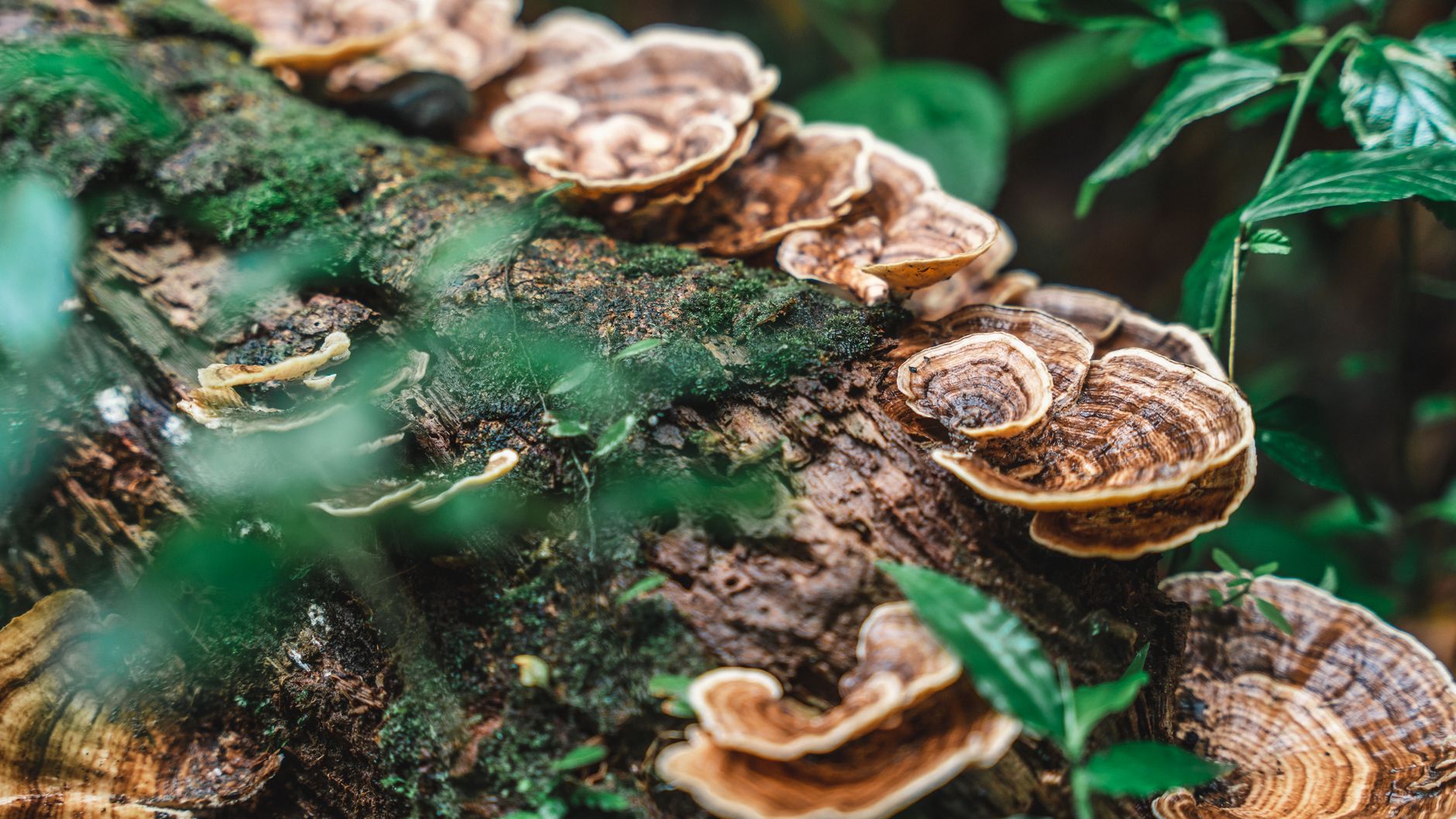
The fruiting body is the mushroom cap structure most people recognize. It is the primary source of polysaccharides, particularly beta-glucans (beta-1,3 and beta-1,6 linked), as well as a broad range of ganoderic acids (lanostane-type triterpenoids). The pileus (cap) and stipes (stem) differ in their specific compound ratios. Spores are microscopic germ cells released from the mature cap; they are encased in a resilient two-layer wall called the sporoderm, which severely limits bioavailability in intact form but encapsulates a concentrated triterpene and fatty acid content once the wall is broken. Mycelium, grown in liquid or solid culture, is often used in commercial supplement production because of its scalability, though its polysaccharide composition differs from fruiting-body-derived material.
Fruiting Body: Polysaccharide Concentration and Ganoderic Acid Distribution
Where Polysaccharides Accumulate
A study published in the International Journal of Medicinal Mushrooms examined the distribution of polysaccharides, phenolics, flavonoids, and individual ganoderic acids (GAs) across the pileus and stipes of Ganoderma lucidum fruiting bodies collected at different developmental stages.[2] The researchers found that the highest total polysaccharide content was concentrated in the pileus at the spore maturity stage. The stipes, meanwhile, showed the highest total phenolic and flavonoid content at the same stage, resulting in higher antioxidant activity.
Regarding ganoderic acids specifically, the pileus contained more total GA than the stipes. Ganoderic acid A and D levels peaked at fruiting body maturity, while ganoderic acids B, C2, and G were higher at the bud elongation stage. These findings suggest that harvest timing, not just part of the mushroom used, significantly affects the triterpenoid profile of any given fruiting body extract. Supplement products that specify fruiting body as their source should ideally indicate the maturity stage and the polysaccharide or triterpene content through standardized analysis rather than relying on source designation alone.[2]
Polysaccharides and Immune Modulation
The polysaccharide fraction of the reishi fruiting body, particularly its beta-glucans, is thought to be the primary driver of its immunomodulatory effects. Beta-glucans bind to pattern recognition receptors such as Dectin-1 on immune cells, potentially activating macrophage phagocytosis, natural killer cell cytotoxicity, and cytokine signaling cascades. These mechanisms are well established in preclinical systems. Human evidence for immunomodulatory effects from fruiting body polysaccharides exists, though high-quality randomized controlled trials are limited in scope and number.
Reishi Spores: The Sporoderm Problem and Why It Matters
Bioavailability of Intact vs. Broken-Wall Spores
The defining challenge with reishi spore supplementation is the sporoderm: a hard, chemically resistant bilayer wall encasing the spore. Research indicates that intact spores pass through the digestive tract largely undissolved, making their bioactive contents largely inaccessible. A study published in Natural Product Research examined methods for breaking the sporoderm through a combined chemical and physical approach involving ultrasonication and refrigeration, finding that treated spores showed porous wall structures confirmed by scanning electron microscopy, and that inner triterpenoids were released at measurably higher rates following sporoderm disruption.[3]
This is the basis for the commercial category of “broken-wall” or “broken-sporoderm” reishi spore products, which use mechanical milling, enzymatic digestion, supercritical CO2 extraction, or other processing methods to increase triterpene release. Consumers evaluating spore-based products should look for explicit indication that the sporoderm has been processed, as intact spore powders do not offer the same compound availability.
Spore Oil: A Triterpene-Rich Extract
Ganoderma lucidum spore oil (GLSO), extracted from broken-sporoderm spores using supercritical CO2 technology, represents one of the most studied spore-derived preparations. A comprehensive review published in Chinese Herbal Medicine (2024) described GLSO’s bioactive profile as comprising fatty acids (particularly oleic and linoleic acids), Ganoderma triterpenes, and sterols, with documented pharmacological properties including antitumor activity, neuroprotection, hepatoprotection, immunomodulation, and metabolic effects across preclinical models.[4]
The triterpene concentration in GLSO is notably higher than in standard fruiting body water extracts, which are optimized for polysaccharide rather than triterpene yield. This creates a meaningful distinction: if a consumer is specifically interested in the triterpenoid fraction of reishi (ganoderic acids and related lanostanoids), a broken-sporoderm spore oil product may deliver a more concentrated source than a hot-water fruiting body extract. Conversely, if the goal is polysaccharide-mediated immune modulation, the fruiting body remains the more direct source.
Comparing Biological Activity: Fruiting Body Extracts vs. Spore Oil
Antitumor Activity: Head-to-Head Preclinical Data
A study published in Oncology Letters directly compared the antitumor activity of self-prepared Ganoderma extracts (derived from fruiting body) with Ganoderma spores oil in both in vitro and in vivo models.[5] In vitro, Ganoderma fruiting body extracts showed lower IC50 values than spore oil across HL60, K562, and SGC-7901 cell lines, indicating greater potency at inhibiting cell proliferation per unit concentration. In the in vivo S180 and H22 mouse tumor models, the fruiting body extract at an intragastric dose of 4 g/kg/d achieved inhibitory rates of 39.1% and 44.6%, while spores oil at 1.2 g/kg/d produced inhibitory rates of 30.9% and 44.9%, respectively.
The researchers identified distinct mechanisms: the fruiting body extract inhibited topoisomerase I and II activities in both models, while spore oil additionally appeared to induce cell cycle arrest at the G1/S transition and reduce cyclin D1 levels in K562 cells. These mechanistic differences suggest that the two extract types may operate through partially complementary pathways rather than a simple dose-response comparison. It should be emphasized that all findings are from preclinical animal and cell models, and comparative clinical evidence in humans does not currently exist.[5]
Combined Formulations: Additive Potential
A 2026 study published in Scientific Reports evaluated a formulation called G2SO, which combined Ganoderma lucidum spore oil with aqueous extracts from the fruiting bodies of both G. lucidum and G. sinense in a 4T1 tumor-bearing mouse model and an immunomodulatory evaluation in ICR mice.[6] The combined preparation showed a 35.31% tumor inhibition rate in the tumor model and produced modest but statistically significant enhancements of innate immune function, including natural killer cell cytotoxicity and macrophage phagocytosis. Adaptive immunity indices were also increased.
The authors framed G2SO as a functional formulation designed to leverage the complementary bioactives of both spore oil (triterpene-dominant) and fruiting body extract (polysaccharide-dominant), and proposed that the combination may offer additive or synergistic effects. These findings remain preclinical, but the combination approach reflects a rationale supported by the distinct compound profiles of each source type.[6]
Practical Implications for Supplement Selection
What to Look For on Product Labels
The research supports a nuanced view of the spores vs. fruiting body question. Neither source is categorically superior; they differ in compound class emphasis. For those evaluating reishi supplements, several label markers are relevant:
- Fruiting body extracts: Look for standardized beta-glucan content (typically via hot water extraction) and independent lab verification. Polysaccharide percentages listed without confirmation of beta-glucan testing can include non-immune-relevant starches.
- Spore products: The label should specify “broken-wall” or “broken-sporoderm.” Intact spore powders offer limited bioavailability of the triterpenoid fraction. Spore oil should specify extraction method (supercritical CO2 is common).
- Mycelium-based products: Products grown on grain substrates may contain significant residual starch that inflates listed polysaccharide figures. Third-party beta-glucan verification is especially important for mycelium products.
For a broader overview of how to evaluate reishi’s effects on metabolic markers, see our article on Reishi Mushroom and Blood Sugar: What the Research Shows.
Who Might Benefit From Each Form
Research suggests that individuals specifically interested in immune modulation may find fruiting body extracts standardized to beta-glucan content the more directly studied option, given the larger body of immunological research on fruiting body polysaccharides. Those interested in the triterpenoid fraction for potential hepatoprotective, antioxidant, or cell-cycle-related effects may benefit from broken-sporoderm spore oil preparations. Combined formulations, while less well studied in clinical settings, represent a logical approach given the complementary chemistry of each source.
No specific dose guidance can be offered here, as optimal doses remain an area of active investigation and vary by extract type, standardization, and intended effect.
Summary
The fruiting body and spores of Ganoderma lucidum each contain clinically studied bioactive compounds, but their profiles differ in meaningful ways. Fruiting bodies are richer in polysaccharides and beta-glucans, which are the primary studied agents in immune modulation. Spores, when the sporoderm is mechanically or chemically broken, yield a triterpene and fatty acid-rich oil with distinct pharmacological properties, including cell cycle effects and hepatoprotection not well represented in water-extracted fruiting body preparations. Preclinical evidence suggests these two sources may exert complementary rather than identical effects, which has led to the development of combined formulations incorporating both spore oil and fruiting body extract. Clinical evidence comparing sources directly in human trials remains limited, and no definitive superiority has been established for either in well-powered randomized studies.
References
- Sarkar T, et al. Reishi Mushroom (Ganoderma lucidum): pharmacology of a potent healer in traditional Chinese medicine. Nat Prod Res. 2025 Jun 2. PMID: 40455062
- Ren X, et al. Comparative Studies on Bioactive Compounds, Ganoderic Acid Biosynthesis, and Antioxidant Activity of Pileus and Stipes of Lingzhi or Reishi Medicinal Mushroom, Ganoderma lucidum (Agaricomycetes) Fruiting Body at Different Growth Stages. Int J Med Mushrooms. 2020;22(2):133-144. PMID: 32479002
- Wang J, et al. Breaking the sporoderm of Ganoderma lucidum spores by combining chemical reaction with physical actuation. Nat Prod Res. 2017;31(20):2428-2434. PMID: 28385047
- Liu J, et al. Bioactive components, pharmacological properties and underlying mechanism of Ganoderma lucidum spore oil: A review. Chin Herb Med. 2024;16(3):375-391. PMID: 39072196
- Chen C, et al. Antitumor effects and mechanisms of Ganoderma extracts and spores oil. Oncol Lett. 2016;12(5):3571-3578. PMID: 27900038
- Wu-Chen RA, et al. Ganoderma lucidum spore oil with Ganoderma lucidum and Ganoderma sinense extracts (G2SO) shows antitumor and immunomodulatory effects in mice. Sci Rep. 2026;16(1):4751. PMID: 41491024
Disclaimer: This article is for informational purposes only and does not constitute medical advice. Reishi supplements are not approved by the FDA to diagnose, treat, cure, or prevent any disease. Consult a qualified healthcare provider before beginning any new supplement regimen, particularly if you have a pre-existing medical condition or take prescription medications.