Reishi mushroom (Ganoderma lucidum) has been called the “mushroom of immortality” in traditional Chinese medicine for over 2,000 years. That’s a bold claim — but the modern research is surprisingly supportive of many of reishi’s traditional uses. Here’s what the science actually shows, and where the hype outpaces the evidence.
What Is Reishi Mushroom?
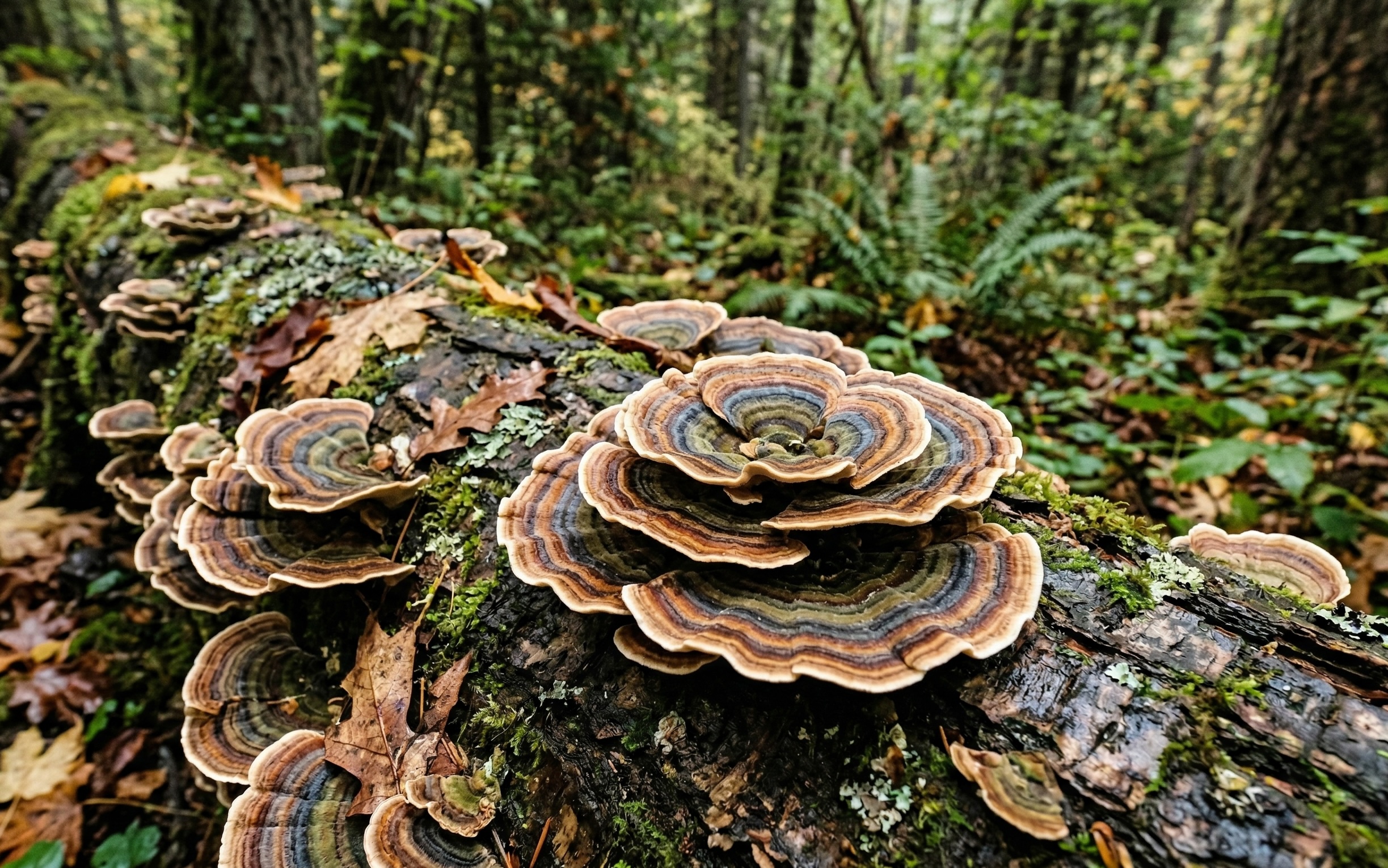
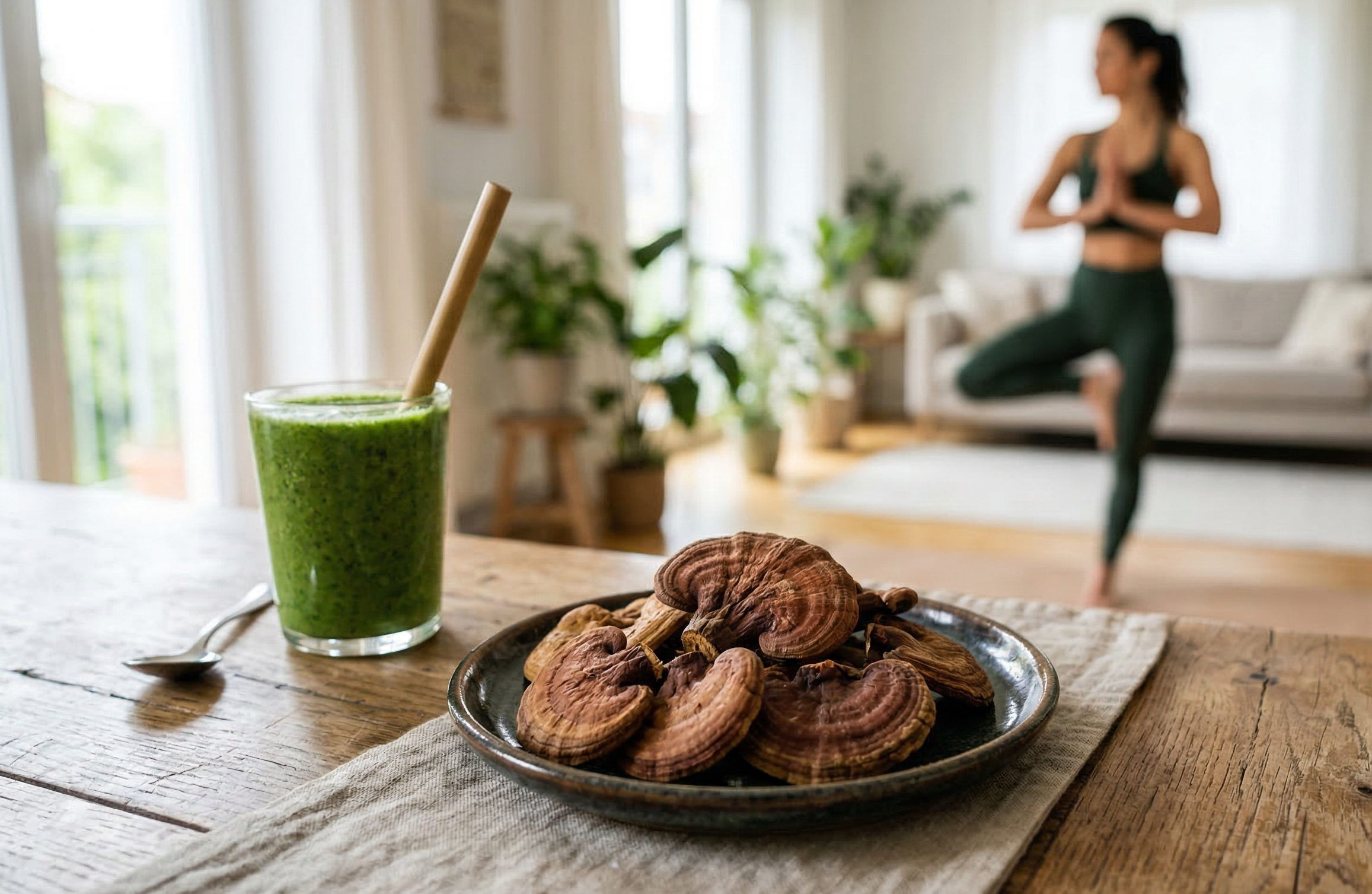
Reishi is a woody, shelf-like mushroom that grows on decaying hardwood trees across Asia, Europe, and North America. Unlike edible culinary mushrooms, it’s too bitter and tough to eat raw — it’s typically consumed as an extract, tincture, or powder. The active compounds responsible for its effects are primarily triterpenes (specifically ganoderic acids) and beta-glucans (polysaccharides).
According to the National Institutes of Health (NIH), Ganoderma lucidum contains over 400 different bioactive compounds, making it one of the most pharmacologically complex fungi studied.
SafeShrooms Take: The complexity of reishi’s compound profile is both its strength and the reason research is still evolving. Unlike a single-molecule drug, reishi works through multiple pathways simultaneously — which makes it harder to study but also means its effects tend to be broad and systemic rather than targeted at one specific function.
Reishi for Immune System Support
This is where the evidence is strongest. Multiple peer-reviewed studies have demonstrated reishi’s immunomodulatory effects — meaning it helps regulate immune function rather than simply stimulating or suppressing it.
A 2006 study published in the Journal of Ethnopharmacology found that reishi polysaccharides significantly enhanced natural killer (NK) cell activity — the immune cells responsible for identifying and destroying infected or cancerous cells.
A more recent 2019 meta-analysis in Frontiers in Pharmacology reviewed 23 clinical studies and concluded that reishi supplementation was associated with meaningful improvements in immune function markers.
SafeShrooms Take: “Immune support” is one of the most overused claims in the supplement industry — but reishi’s evidence here is genuinely robust compared to most. The beta-glucan research is particularly credible. If you’re looking for a functional mushroom with strong immune credentials, reishi is the right pick. Pair it with chaga for antioxidant support and turkey tail for gut-immune axis support for a comprehensive stack.
Reishi for Sleep and Stress
Reishi is classified as an adaptogen — a compound that helps the body maintain homeostasis under stress. Its ganoderic acid content has been shown to interact with the hypothalamic-pituitary-adrenal (HPA) axis, which governs the body’s cortisol stress response.
A study published in the Journal of Medicinal Food found that reishi supplementation reduced fatigue and improved quality of life in patients with chronic fatigue syndrome after 8 weeks.
On sleep specifically, reishi contains compounds that may promote GABA activity in the brain — the same pathway targeted by many sleep medications, but through a much gentler mechanism. A 2012 animal study found that reishi mycelium extract reduced sleep latency (time to fall asleep) and increased total sleep time.
SafeShrooms Take: The sleep research is promising but most robust studies are animal-based at this point. Anecdotally, reishi is one of the most consistently reported supplements for sleep quality improvement among our readers. We think the stress-cortisol pathway is likely the primary mechanism — when stress is lower, sleep improves naturally. See our dedicated guide: Reishi for Stress Relief and Sleep.
Reishi for Hormonal Balance
Reishi’s ganoderic acids have demonstrated anti-androgenic properties in research — meaning they may help modulate testosterone and DHT (dihydrotestosterone) levels. This has implications for hormonal balance in both men and women.
For women, reishi has been studied in the context of PCOS and estrogen balance. A study in Phytomedicine found that reishi extract inhibited 5-alpha reductase, an enzyme involved in converting testosterone to DHT.
SafeShrooms Take: The hormonal research is still early, but intriguing. If you’re interested in reishi for hormonal reasons, we’d recommend starting with a dual-extract product and consulting with a healthcare provider for context. See our related post: Reishi’s Role in Hormonal Balance.
Reishi and Cancer Research — Important Context
Reishi has been studied extensively in the context of cancer — particularly as an adjunct to conventional treatment. A Cochrane Review (2016) analyzed 5 randomized controlled trials involving cancer patients and found that reishi supplementation was associated with improved immune response and quality of life, though the authors noted the evidence wasn’t strong enough to recommend it as a first-line treatment.
SafeShrooms Take: This is important to state clearly — reishi is not a cancer treatment, and you should never use it in place of conventional medical care. The Cochrane Review data suggests potential benefit as a supportive supplement alongside treatment, but always work with your oncologist. What the research does show convincingly is that reishi is safe for most people and may meaningfully support quality of life.
Best Reishi Supplements — What to Look For
Quality matters enormously with reishi. Key things to verify:
- Fruiting body vs. mycelium: Fruiting body contains higher concentrations of ganoderic acids. Avoid products that only list “mycelium” without specifying fruiting body content.
- Dual extraction: Reishi needs both hot water extraction (for beta-glucans) AND alcohol extraction (for triterpenes/ganoderic acids). A single-extraction product misses half the active compounds.
- Third-party testing: Heavy metals (particularly arsenic) can accumulate in mushrooms. Reputable brands test and publish results.
Our top picks:
- Host Defense Reishi — Paul Stamets’ brand, excellent quality control, dual extract
- Real Mushrooms Reishi Extract — fruiting body, third-party tested, transparent about beta-glucan content
- Four Sigmatic Reishi Elixir — convenient format, lower dose but great for daily habit
How to Take Reishi for Best Results
- Dose: 1-2g of extract daily is the most studied range
- Timing: Evening is ideal given the calming, sleep-supportive effects
- Consistency: Adaptogens work cumulatively — give it 4-6 weeks
- Stack: Pairs well with lion’s mane for daytime focus and cordyceps for energy
Bottom Line
Reishi is one of the most comprehensively researched functional mushrooms — and its reputation largely holds up to scrutiny. The immune support and stress/sleep benefits are the best-evidenced. Hormonal and other effects are promising but need more human research. For most people looking to add a foundational adaptogenic mushroom to their routine, reishi is an excellent starting point.
Want to go deeper? Read our complete guides: Top 5 Functional Mushrooms · Functional Mushrooms in Traditional Medicine · What Are Functional Mushrooms?
SafeShrooms may earn a commission on purchases made through links on this page. All recommendations are based on independent research.