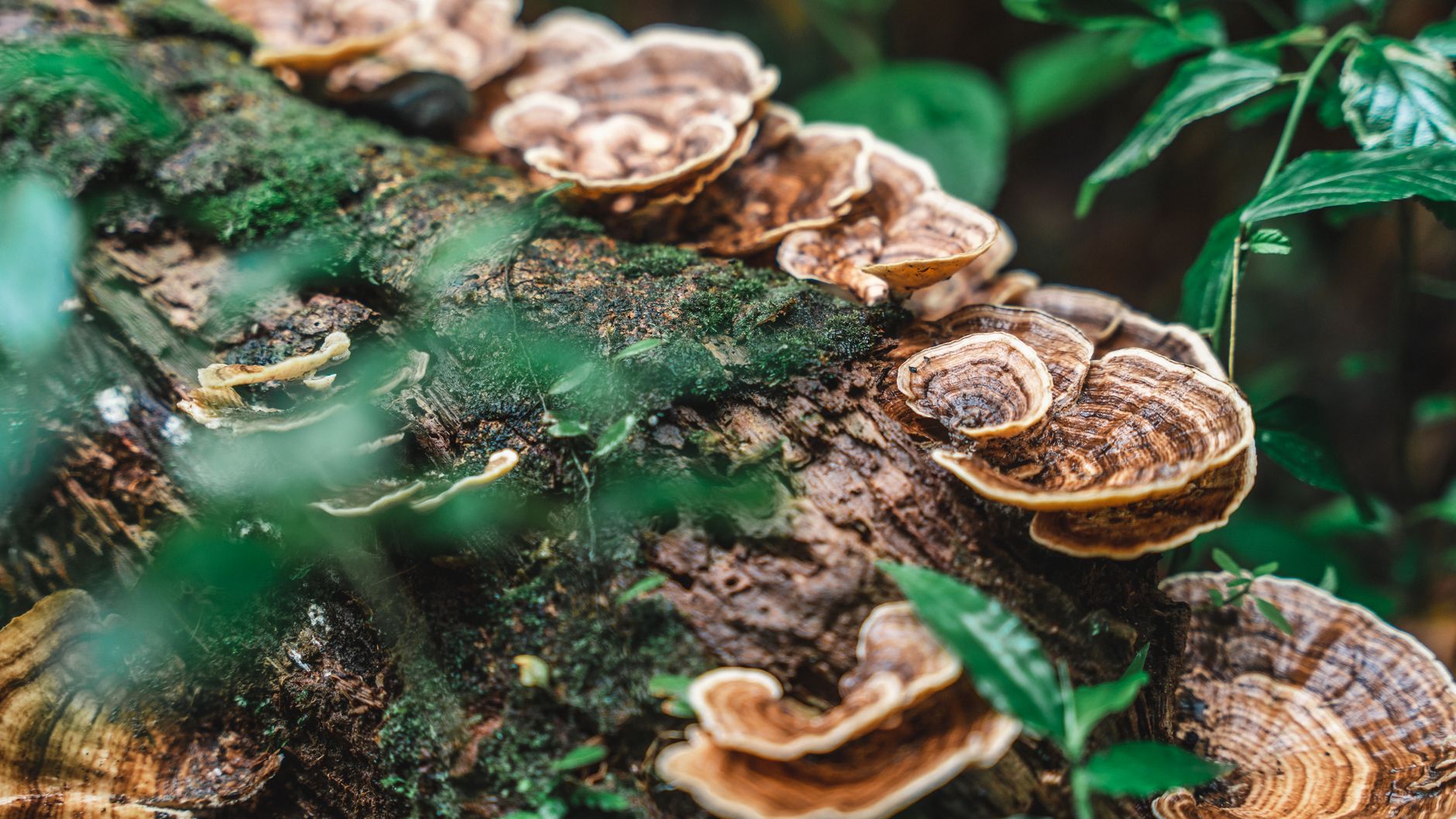
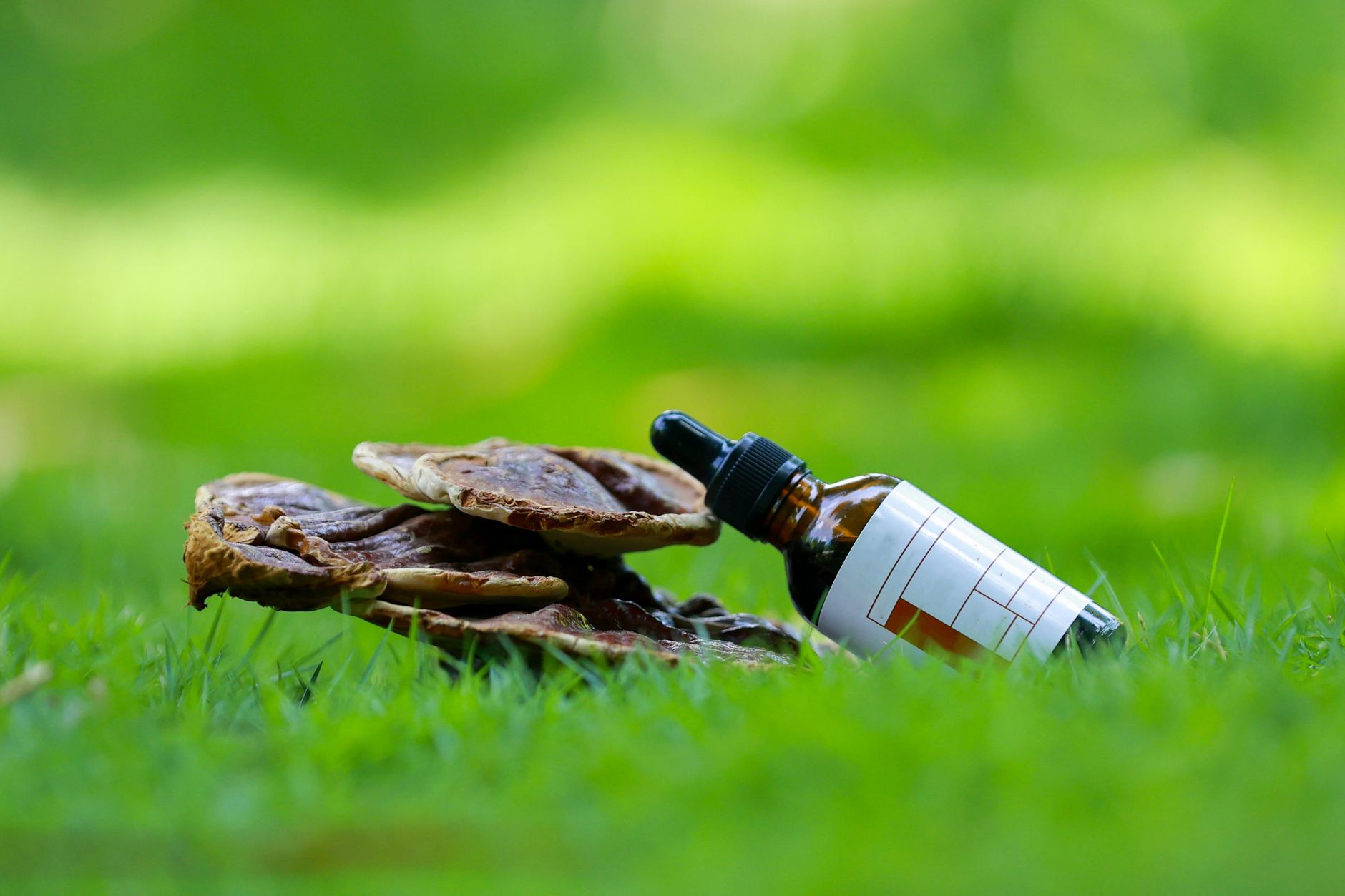
Ganoderma lucidum, commonly known as reishi, has been used in East Asian traditional medicine for centuries, often associated with longevity and organ health. Among the areas attracting modern scientific interest is its potential impact on liver function. Preclinical and early clinical data suggest that certain compounds within reishi may support liver health through antioxidant, anti-inflammatory, and metabolic mechanisms. This article reviews what the current research indicates and where the evidence remains preliminary.
Key Bioactive Compounds Relevant to Liver Health
Reishi contains two primary classes of bioactive compounds that have been studied in the context of liver function: polysaccharides (specifically beta-glucans) and triterpenoids (ganoderic acids).
Polysaccharides from Ganoderma lucidum are structurally complex carbohydrates that interact with immune receptors and may modulate inflammatory signaling pathways. In the context of liver health, research has examined their capacity to reduce oxidative stress and attenuate inflammation in hepatic tissue.
Triterpenoids, particularly the ganoderic acid family, are oxygenated lanostane-type compounds unique to Ganoderma species. Ganoderic acids A, B, C, and DM have each been studied for distinct pharmacological properties, with several studies focusing on their interaction with hepatic signaling proteins and inflammatory mediators.
Polysaccharides and Hepatic Inflammation Pathways
A 2025 review published in Molecules examined fungal polysaccharides as modulators of liver health across multiple disease models. The authors synthesized evidence from studies on alcohol-related liver disease, metabolic dysfunction-associated fatty liver disease (MAFLD), and toxin-induced liver injury. Polysaccharides isolated from Ganoderma lucidum, along with those from Lentinula edodes and Coriolus versicolor, were found to reduce oxidative stress markers and attenuate inflammatory signaling. Mechanistically, these effects were linked to regulation of the NF-kB pathway, Nrf2 activation, and suppression of the NLRP3 inflammasome. The review also noted that fungal polysaccharides appeared to lower serum biomarkers of liver injury, including ALT and AST, across several experimental models. The authors emphasized that clinical validation remains limited and further human trials are needed.[1]
Ganoderic Acid A and Inflammatory Liver Injury
Research published in Frontiers in Pharmacology in early 2026 investigated ganoderic acid A (GAA), a major triterpenoid constituent of reishi, in the context of sepsis-related liver injury. Using network pharmacology and transcriptomic analysis, the authors identified TNF-alpha as a primary candidate molecular target of GAA. Biophysical validation through surface plasmon resonance and molecular dynamics simulations confirmed direct binding between GAA and TNF-alpha. Functionally, this interaction was associated with inhibition of the TNF-alpha/NF-kB signaling axis and suppression of macrophage M1 polarization in both in vitro and in vivo experimental settings. The researchers concluded that GAA may exert hepatoprotective effects through this mechanism, though they noted the findings require further validation in clinical contexts.[2]
Metabolic Syndrome and Hepatoprotective Activity
A 2026 study published in Biomedicine and Pharmacotherapy investigated the effects of G. lucidum mycelium in a rat model of fructose-induced metabolic syndrome. The researchers evaluated liver function markers including ALT, AST, and gamma-glutamyltransferase (GGT), alongside oxidative stress indicators such as superoxide dismutase (SOD), catalase (CAT), and glutathione peroxidase (GPx) activity. Following administration of G. lucidum mycelium, the model showed attenuated oxidative liver damage and normalization of liver enzyme markers. The authors concluded that reishi may possess hepatoprotective properties in the context of metabolic dysfunction, contributing to reduced oxidative stress and improved liver function parameters. As with most preclinical work, the translation to human physiology requires direct clinical investigation.[3]
Triterpenoid Mechanisms: A Broader Picture
Beyond ganoderic acid A, a comprehensive review in the European Journal of Medicinal Chemistry examined the molecular mechanisms of multiple ganoderic acids. The authors noted that certain GLTs (Ganoderma lucidum triterpenoids) have been studied as supplemental therapies in combination with other treatments for hepatitis, with early research suggesting modulation of autophagy and apoptosis pathways in hepatic cell models. The review characterized this area of research as preliminary, with significant gaps remaining in understanding clinical efficacy and optimal extraction methods for these compounds.[4]
Reishi Extract Quality and Compound Concentrations
An important consideration when interpreting reishi liver research is the variability in extract types used across studies. Research has employed water extracts, ethanol extracts, dual-phase extracts, isolated polysaccharide fractions, and standardized spore powders. The specific compounds present and their concentrations differ considerably depending on extraction method, growing conditions, and the part of the mushroom used (mycelium, fruiting body, or spores). This variability makes direct comparison across studies challenging and complicates translation to commercially available supplements.
Beta-glucan content and triterpenoid concentration are the two metrics most relevant to liver-related research, yet many commercial products do not disclose these figures. Understanding how to evaluate supplement quality can help consumers make more informed decisions. For a practical guide to reading mushroom supplement labels, see our overview of Reishi and Heart Health: What the Research Shows About Cardiovascular Support, which covers related bioactive compound considerations.
Cautions and Interactions
While preclinical data on reishi and liver health is largely promising, several caveats apply. There are isolated reports of hepatotoxicity associated with reishi supplementation, though these have typically involved powdered whole-mushroom preparations rather than standardized extracts, and causality has not always been clearly established. Individuals with existing liver conditions, those taking immunosuppressive drugs, or those on anticoagulant medications should consult a qualified healthcare provider before using reishi supplements, as interactions may occur.
Reishi is generally considered low risk in healthy adults when used as a standardized extract, but the research on liver health specifically remains largely preclinical. Human trials are sparse, and the doses and extract types used in animal studies do not directly translate to supplementation guidance for humans.
Summary
Emerging research indicates that Ganoderma lucidum contains compounds with hepatoprotective potential, particularly its polysaccharides and ganoderic acid triterpenoids. Studies suggest these compounds may reduce oxidative liver damage, modulate inflammatory signaling via NF-kB and Nrf2 pathways, and attenuate liver enzyme elevations in metabolic disease models. However, the majority of this research is preclinical. Human clinical trials are limited in number and scope, and the field lacks standardized extract formulations that would allow definitive dosing guidance. Reishi remains a subject of active investigation for liver health applications, with the current evidence base best characterized as promising but not yet conclusive.
References
- [1] Szelenberger R, Wieckowska M. Fungal Polysaccharides as Modulators of Molecular Pathways in Liver Health. Molecules. 2025;30(22):4384. PMID: 41302443
- [2] Hu H, Chen Z, et al. Multi-omics integration identifies ganoderic acid A as a TNFalpha inhibitor for treating sepsis-related liver injury. Front Pharmacol. 2026;17:1754172. PMID: 41669686
- [3] Petryn T, Nagalievska M, et al. Therapeutic potential of the medicinal mushroom Ganoderma lucidum in metabolic syndrome: Antioxidant, hypoglycemic, and hepatoprotective activities. Biomed Pharmacother. 2026;196:119138. PMID: 41722365
- [4] Liang C, Tian D, et al. Review of the molecular mechanisms of Ganoderma lucidum triterpenoids: Ganoderic acids A, C2, D, F, DM, X and Y. Eur J Med Chem. 2019;174:130-141. PMID: 31035236
Disclaimer: This article is for informational purposes only and does not constitute medical advice. The research discussed is largely preclinical. Consult a qualified healthcare professional before using any mushroom supplement, particularly if you have a liver condition or take medications.