Functional mushrooms have moved from niche health stores into mainstream supplement aisles. As their use grows, so does the likelihood that people will take them alongside prescription medications, over-the-counter drugs, or other supplements. Understanding how mushroom-derived compounds may interact with conventional medicines is an important step before adding any new supplement to an existing regimen.
This article reviews what current research indicates about mushroom supplements and pharmacological interactions, with a focus on the mechanisms most likely to be clinically relevant.
Why Drug Interactions Matter With Herbal Supplements
Most drug interactions with herbal products occur through one of two main pathways: pharmacokinetic interactions, which affect how a drug is absorbed, distributed, metabolized, or excreted; and pharmacodynamic interactions, which occur when a supplement amplifies or diminishes the therapeutic or side-effect profile of a drug.
Cytochrome P450 (CYP) enzymes in the liver are central to pharmacokinetic interactions. Many pharmaceutical drugs rely on specific CYP isoforms for metabolic clearance. When a supplement inhibits or induces these enzymes, the effective concentration of a co-administered drug may rise or fall beyond intended therapeutic levels.
Reishi (Ganoderma lucidum) and CYP Enzyme Activity
Reishi is one of the most widely studied functional mushrooms, and its potential to influence CYP-mediated drug metabolism has received research attention. A study published in Biological and Pharmaceutical Bulletin examined how Ganoderma lucidum polysaccharide (GLPS) affected CYP2E1, CYP1A2, and CYP3A activity in rats. The researchers found that GLPS dose-dependently inhibited all three CYP enzyme activities in hepatic microsomes in vitro, suggesting that co-administration with drugs metabolized by these pathways may alter their pharmacokinetics.[1]
A more recent review in Pharmaceutics highlighted the relevance of this finding in oncology contexts. The authors noted that both Ganoderma lucidum and Coriolus versicolor (Turkey Tail) may influence the efficacy of EGFR-targeted tyrosine kinase inhibitors through interactions involving drug transporters and cytochrome P450 enzymes. This is a meaningful concern for cancer patients who frequently use medicinal mushrooms as adjuncts to chemotherapy.[2]
CYP3A4, the most abundant drug-metabolizing enzyme in humans, processes a broad range of medications including statins, calcium channel blockers, antivirals, and immunosuppressants. Any supplement with demonstrated CYP3A inhibitory activity warrants additional scrutiny in polypharmacy settings.
Antiplatelet and Anticoagulant Considerations
Several edible and functional mushroom species appear to influence platelet function, which is relevant for individuals taking anticoagulants such as warfarin or antiplatelet agents such as aspirin or clopidogrel.
A Nutrients study screened eight commonly consumed mushroom species for antiplatelet and anticoagulant activity in human blood in vitro. The findings indicated that extracts of wood ear mushroom (Auricularia auricularia-judae), oyster mushroom (Pleurotus eryngii), and reishi (Ganoderma lucidum) exhibited the most notable antiplatelet effects, with the reishi extract also showing cytotoxic effects on platelets at tested concentrations. Importantly, none of the extracts significantly altered conventional coagulation parameters such as prothrombin time, though the researchers cautioned that antiplatelet activity could still have additive effects in individuals already receiving anticoagulant therapy.[3]
For individuals taking blood-thinning medications, this research suggests a need for caution and consultation with a prescribing clinician before beginning mushroom supplement use.
Immunomodulatory Mushrooms and Immunosuppressant Drugs
Several functional mushrooms, including Turkey Tail, Reishi, and Shiitake, contain beta-glucans and polysaccharides that research suggests may upregulate aspects of immune activity. This creates a theoretical concern for individuals taking immunosuppressant medications, such as those prescribed following organ transplantation or for autoimmune conditions.
If an immune-stimulating compound counteracts the intended suppression of the immune system, it could increase the risk of organ rejection or autoimmune flare-ups. This remains an area where clinical evidence in humans is limited, but the mechanistic concern is well-founded based on preclinical studies. Individuals on calcineurin inhibitors such as tacrolimus or cyclosporine, or biologics targeting immune pathways, should discuss any functional mushroom supplementation with their specialist.
Turkey Tail (PSK) in Combination With Chemotherapy
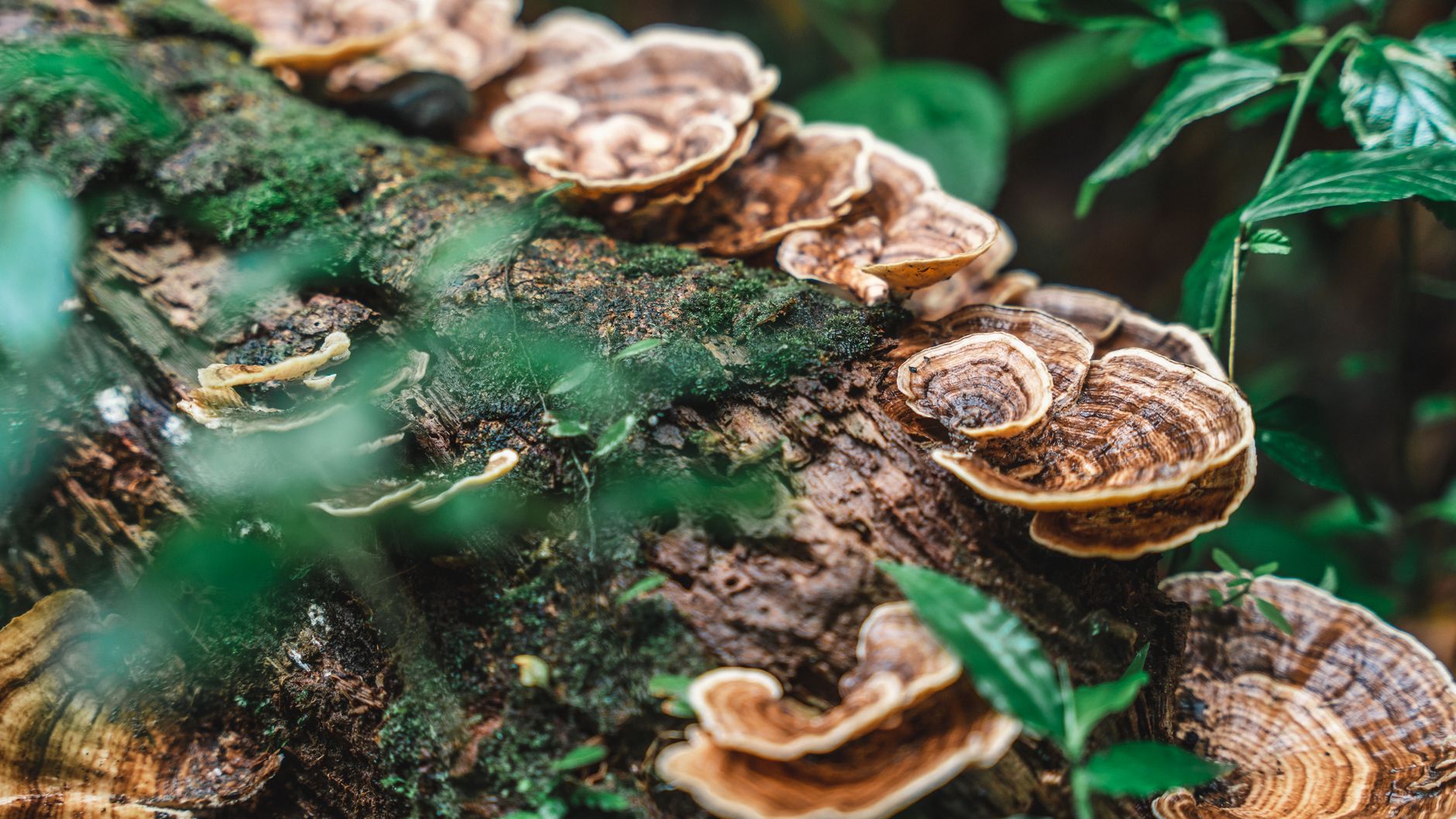
Turkey Tail’s bioactive fraction, polysaccharide-K (PSK), has been studied as an adjunct to cancer treatment in Japan for several decades. Research has explored whether PSK might enhance or interfere with standard chemotherapy agents.
A preclinical study found that combining PSK with docetaxel resulted in significantly greater tumor suppression than either treatment alone in a murine prostate cancer model. The combination also appeared to partially preserve white blood cell counts compared to docetaxel alone, suggesting PSK may have a supportive role in that specific context.[4]
While this is an encouraging signal, preclinical findings do not always translate directly to human outcomes. Anyone considering Turkey Tail or other mushroom supplements alongside active chemotherapy should consult with their oncologist, as the safety and interaction profile will depend on the specific treatment regimen and individual factors.
Practical Considerations Before Starting
The following general principles are relevant when evaluating whether to use mushroom supplements alongside conventional medications:
Disclose All Supplements to Your Provider
Many people do not mention supplement use to their doctors. Given the CYP enzyme interactions that research indicates are possible with reishi and potentially other species, full disclosure allows a clinician to flag any potential concerns with current prescriptions.
Be Especially Cautious With Narrow Therapeutic Index Drugs
Medications such as warfarin, digoxin, lithium, and certain anticonvulsants have a narrow range between therapeutic and toxic blood levels. Even modest changes in CYP-mediated metabolism can shift drug concentrations in clinically meaningful ways.
Extract Form and Concentration May Matter
Whole dried mushroom powder and concentrated extracts may have significantly different active compound profiles. The interaction data that exists is often based on isolated extracts used in laboratory settings, which may not directly reflect the doses found in commercial supplement products.
The Evidence Base Remains Primarily Preclinical
Most of the available research on mushroom-drug interactions comes from in vitro studies or animal models. Controlled human clinical trials examining pharmacokinetic interactions are limited. This does not mean the interactions cannot occur in humans; it means the full picture is not yet established.
For a broader look at how different mushroom species may influence immune health, our overview of Turkey Tail and gut microbiome research provides relevant background on how these compounds interact with biological systems.
Summary
Mushroom supplements are not inherently unsafe, and for many people with no complex medication regimens, the risk of significant drug interactions may be low. However, existing research indicates that compounds in reishi and other species may influence cytochrome P450 enzyme activity, platelet function, and immune signaling. Individuals taking anticoagulants, immunosuppressants, chemotherapy agents, or drugs with a narrow therapeutic index have the most reason for caution. Consulting a pharmacist or physician before starting any new supplement is the most practical step anyone can take to avoid unintended interactions.
References
- 1 Wang X, et al. Effects of Ganoderma lucidum polysaccharide on CYP2E1, CYP1A2 and CYP3A activities in BCG-immune hepatic injury in rats. Biol Pharm Bull. 2007. PMID: 17827724
- 2 Zhang H, et al. Recent Advances in the Use of Ganoderma lucidum and Coriolus versicolor Mushrooms to Enhance the Anticancer Efficacy of EGFR-Targeted Drugs in Lung Cancer. Pharmaceutics. 2025. PMID: 40733125
- 3 Poniedziałek B, et al. The Effect of Mushroom Extracts on Human Platelet and Blood Coagulation: In vitro Screening of Eight Edible Species. Nutrients. 2019. PMID: 31842490
- 4 Wenner CA, et al. Polysaccharide-K augments docetaxel-induced tumor suppression and antitumor immune response in an immunocompetent murine model of human prostate cancer. Int J Oncol. 2012. PMID: 22159900
Disclaimer: This article is for informational purposes only and does not constitute medical advice. Always consult a qualified healthcare professional before starting, stopping, or changing any supplement or medication regimen.