Maitake (Grifola frondosa) and shiitake (Lentinula edodes) are two of the most extensively studied functional mushrooms in contemporary nutritional science. Both have deep roots in East Asian culinary and traditional medicinal practice, and both are now available widely as dietary supplements. While they are often grouped together in the functional mushroom category, their bioactive profiles, primary research focuses, and practical applications differ in meaningful ways. Understanding those differences can help inform more deliberate choices about supplementation.
Background: Species and Traditional Use
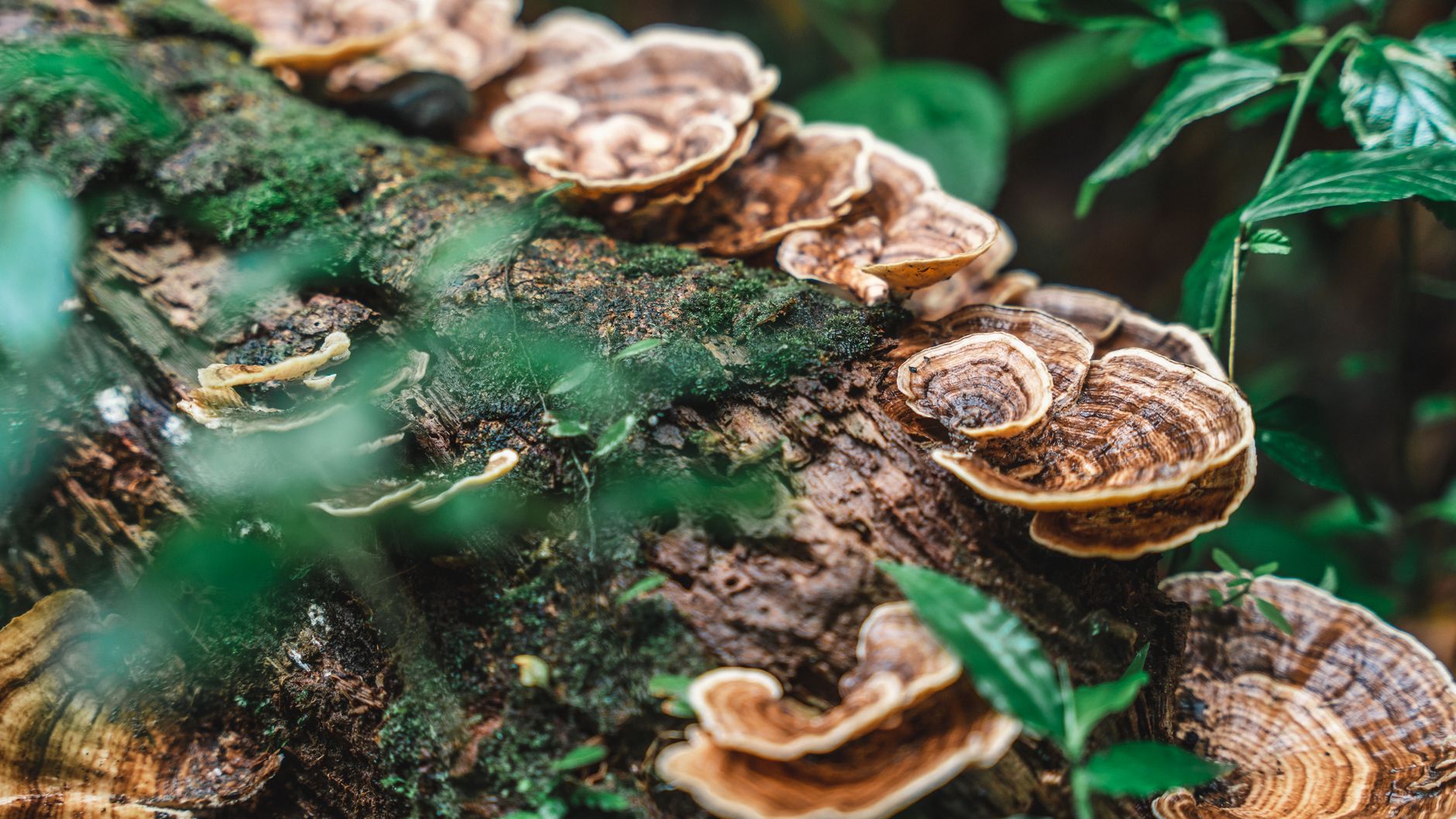
Maitake, whose name translates roughly as “dancing mushroom” in Japanese, grows in overlapping clusters at the base of oak, elm, and maple trees. It has been used in Japanese and Chinese traditional medicine primarily as an adaptogenic and immune-supportive food. Shiitake, derived from the Japanese words for “oak mushroom,” is one of the most widely cultivated mushrooms in the world, valued both as a food and as a source of medicinal compounds. In East Asian medicine, shiitake preparations have historically been associated with longevity, immune support, and cardiovascular health.
A 2026 review published in Molecules examined the bioactive compounds and therapeutic potential of several key medicinal mushrooms, including both Grifola frondosa and Lentinula edodes, noting that experimental and clinical studies indicate extracts from both species may support immune function, modulate inflammatory responses, and exhibit antioxidant properties.[1]
Key Bioactive Compounds: Where They Differ
Maitake: Beta-Glucans and D-Fraction
Maitake is particularly recognized for its beta-1,3/1,6-glucan content, a class of polysaccharides that interact with immune receptors, particularly dectin-1 receptors on macrophages and dendritic cells. A proprietary fraction known as D-Fraction has been the subject of the most rigorous maitake research, with studies examining its potential interactions with immune cell activity. Beyond immune modulation, maitake polysaccharides have also been investigated for their effects on inflammatory signaling and metabolic parameters.
A 2024 study published in the International Journal of Biological Macromolecules examined Grifola frondosa polysaccharides in a mouse model, finding that they reduced concentrations of pro-inflammatory cytokines including IL-1β, IL-6, and TNF-α, improved oxidative stress markers including superoxide dismutase and glutathione activity, and modulated inflammatory pathways.[2] While this research was conducted in an animal model and should not be extrapolated directly to human outcomes, it contributes to a growing body of evidence characterizing the anti-inflammatory potential of maitake polysaccharides.
Shiitake: Lentinan and AHCC
Shiitake’s most studied bioactive compound is lentinan, a beta-1,3-glucan that has been investigated extensively for its immunomodulatory properties. Lentinan is classified as a biological response modifier and has been evaluated as an adjunct in certain oncology protocols in Japan, where it is approved for specific clinical applications. Its mechanisms of action are thought to involve enhanced natural killer cell activity, macrophage activation, and cytokine regulation.
A 2026 scoping review published in the European Journal of Microbiology and Immunology summarized preclinical and clinical evidence for lentinan, noting its anti-inflammatory, antioxidant, and anti-tumor effects, particularly in the gastrointestinal tract. The review described lentinan’s ability to modulate intestinal epithelial barrier integrity, immune signaling, and microbiota composition, while noting that observed effects depend on molecular weight, dose, and route of administration.[3]
Shiitake is also the source of AHCC (Active Hexose Correlated Compound), a fermented extract derived from Lentinula edodes mycelium. A 2025 study published in Scientific Reports found that AHCC intake exhibited immunomodulatory activity by decreasing pro-inflammatory cytokines including IL-2, IL-6, IL-15, and IL-21, and that NF-κB activity was mitigated in treated subjects.[4]
Immune Support: A Shared Strength
Both maitake and shiitake are consistently associated with immune modulation in the research literature, though their mechanisms and primary areas of investigation differ. Maitake research has concentrated heavily on innate immune signaling and macrophage activation via beta-glucan receptor pathways. Shiitake research, particularly through the lens of lentinan and AHCC, has engaged both innate and adaptive immune mechanisms, with a more developed clinical evidence base in oncology-adjacent applications.
For individuals seeking general immune support from a functional mushroom, either species may offer relevant benefits, though it is worth noting that most high-quality evidence comes from concentrated extracts rather than whole dried mushroom preparations or typical supplement doses. Beta-glucan content varies significantly by growing method, part of the mushroom used, and extraction process. For a detailed explanation of how beta-glucan content translates to supplement quality, see our article on understanding beta-glucan versus polysaccharide content on labels.
Cardiovascular and Metabolic Research
Maitake has drawn attention in metabolic research, with studies examining its potential effects on blood glucose regulation and lipid parameters. Compounds in maitake, including its polysaccharides and alpha-glucosidase inhibiting fractions, have been investigated in the context of glucose metabolism, though human clinical data in this area remains limited and preliminary.
Shiitake contains eritadenine, a compound that has been studied for its potential effects on cholesterol metabolism. Eritadenine is thought to influence lipid processing through its action on homocysteine pathways, and several animal studies have investigated this mechanism. As with maitake metabolic research, the human clinical evidence base for eritadenine and cholesterol is still developing, and no definitive conclusions can be drawn from current data.
Nutritional Profile Comparison
Beyond their bioactive fractions, both mushrooms offer meaningful nutritional contributions. Shiitake is notably higher in certain B vitamins, particularly B2 (riboflavin) and B5 (pantothenic acid), and contains higher levels of copper and selenium relative to many other edible mushrooms. It also contains all eight essential amino acids, making it a relatively complete protein source for a plant-based food.
Maitake is a useful source of dietary fiber, vitamins D2 and B-vitamins, and minerals including potassium and magnesium. When exposed to sunlight or UV light, both shiitake and maitake can produce meaningful amounts of vitamin D2 (ergocalciferol) from ergosterol, making them one of the few plant-derived dietary sources of this nutrient.
Which Should You Choose?
The choice between maitake and shiitake is not necessarily an either-or decision, and the two are frequently combined in multi-mushroom supplement formulations. However, if the goal is to prioritize a specific outcome, the research profiles offer some directional guidance:
- Immune modulation with more clinical depth: Shiitake, particularly via standardized lentinan or AHCC preparations, has a more developed clinical literature.
- Anti-inflammatory and metabolic interests: Maitake polysaccharides have been more extensively examined in this context, particularly in preclinical models.
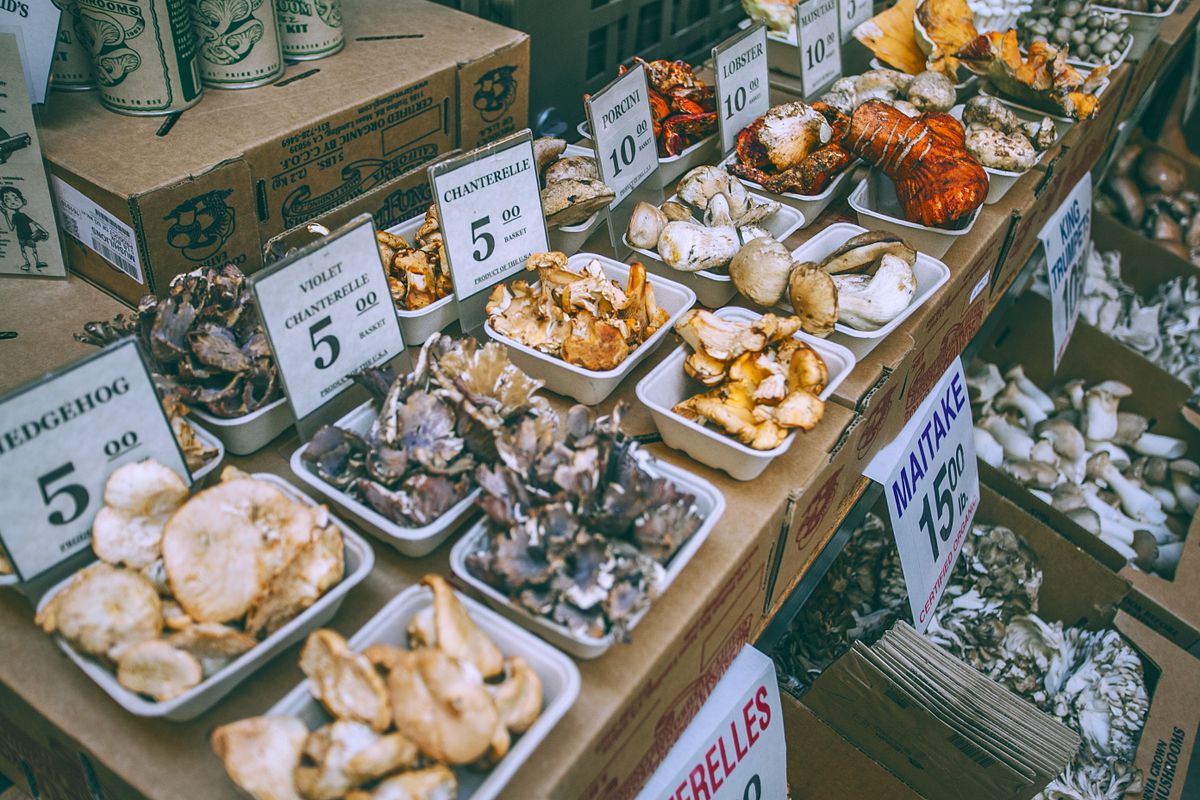
- Culinary use alongside supplementation: Both are widely available as fresh or dried food mushrooms and as powders or capsules. Shiitake is more readily available in grocery markets; maitake can be found at specialty stores and farmers markets seasonally.
As with any functional mushroom, consistent daily use over several weeks is typically the timeframe used in studies. Neither species is considered high-risk at culinary amounts, though concentrated supplements warrant the same caution applied to any bioactive compound, particularly for individuals on immunosuppressant medications or blood thinners. The relationship between functional mushroom supplementation and broader metabolic health, including aspects of testosterone and weight management, is an area of growing interest that researchers continue to examine.
References
- [1] Sadowska A, Włosek-Pawełas D, Car H. Medicinal Mushrooms and Their Bioactive Compounds: From Traditional Use to Therapeutic Potential. Molecules. 2026;31(10):1749. PMID: 42197308
- [2] Liu Q, Yao Q, Li C, et al. Bone protective effects of the polysaccharides from Grifola frondosa on ovariectomy-induced osteoporosis in mice via inhibiting PINK1/Parkin signaling, oxidative stress and inflammation. Int J Biol Macromol. 2024;270(Pt 2):132370. PMID: 38763253
- [3] Scholz JS, Bereswill S, Heimesaat MM. Therapeutic effects of Lentinan in gastrointestinal inflammation and carcinogenesis: A scoping review of evidence from preclinical and clinical studies. Eur J Microbiol Immunol (Bp). 2026. PMID: 42201770
- [4] Shahbazi R, Yasavoli-Sharahi H, Hebbo MJ, et al. Lentinula edodes cultured extract intake alleviates long-term immune deregulation induced by early-life gut microbiota dysbiosis. Sci Rep. 2025;16(1):3200. PMID: 41444353
This article is for informational purposes only and does not constitute medical advice. Always consult a qualified healthcare provider before starting any supplement.