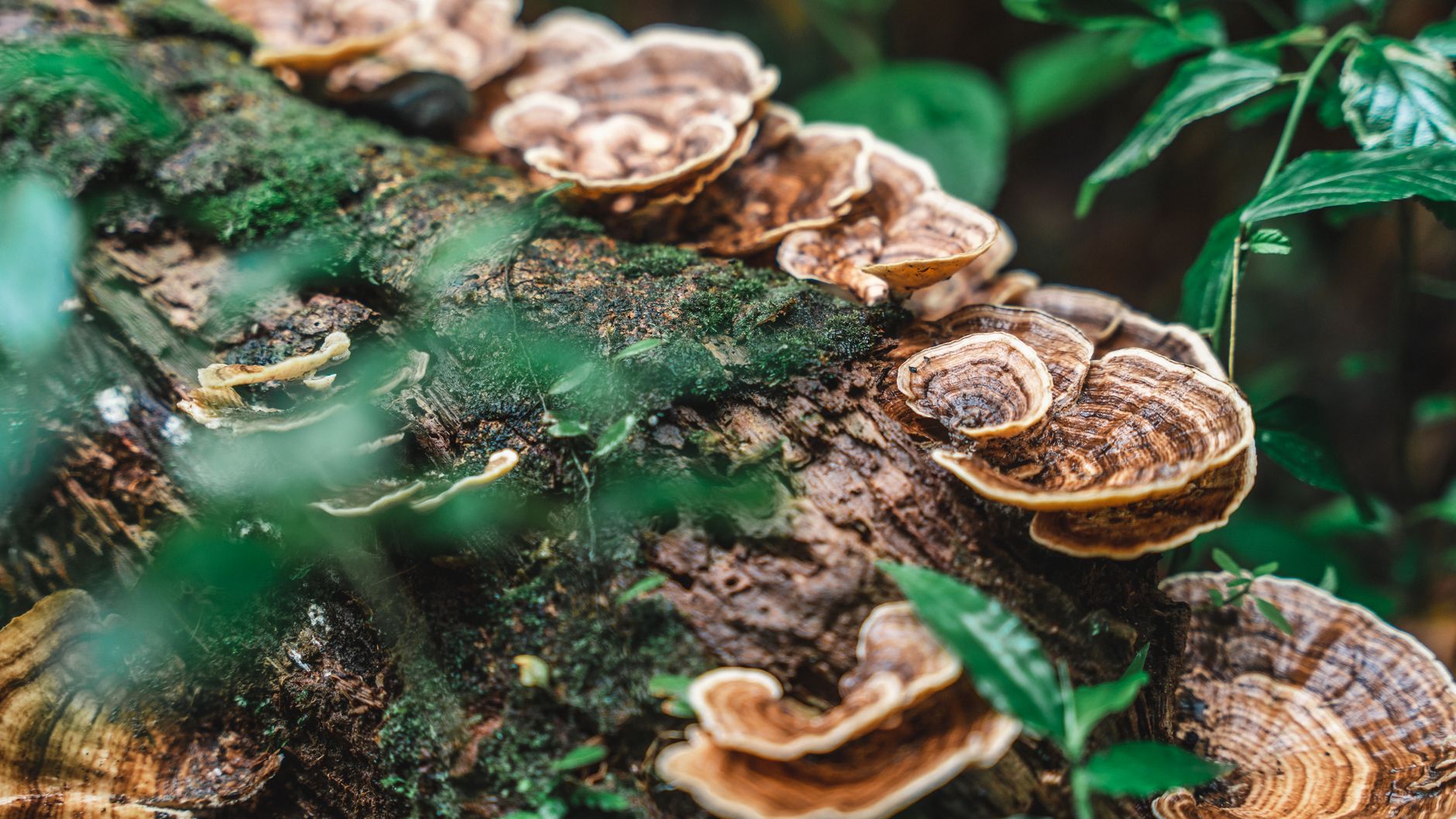

Maitake (Grifola frondosa), known in Japan as “hen of the woods” or “dancing mushroom,” is a large, fan-shaped fungus that grows at the base of oak, elm, and maple trees. Used for centuries in Japanese and Chinese traditional medicine, maitake has attracted considerable scientific attention in recent decades for its polysaccharide content and its potential effects on blood glucose regulation and immune function. While most evidence remains preclinical, the research base is substantive enough to merit a careful review.
Bioactive Compounds in Maitake
The primary bioactive constituents identified in maitake are polysaccharides, particularly a class of beta-1,3/1,6-glucans collectively referred to as D-Fraction and MD-Fraction. These water-soluble compounds have been the focus of most of the published research. Additional constituents include:
- Beta-glucans (D-Fraction/MD-Fraction) — High-molecular-weight polysaccharides that may interact with Dectin-1 and other pattern recognition receptors on immune cells.
- Alpha-glucans — Storage polysaccharides present alongside beta-glucans; these do not carry the same immunomodulatory associations.
- Ergosterol — A sterol precursor to vitamin D2, also found in most edible fungi.
- Phenolic compounds and antioxidants — Present in fruiting body extracts and likely to contribute to the overall biological activity observed in whole-mushroom preparations.
The beta-glucan fraction is considered the principal effector for both immune and metabolic research applications. The ratio of beta-glucan to alpha-glucan in a given extract influences its likely bioactivity, a distinction that is also relevant for supplement quality assessment.
Blood Sugar Regulation: What the Research Shows
Research into maitake’s potential effects on blood glucose metabolism spans both in vitro and animal model studies, with a consistent focus on its polysaccharide fractions. The mechanistic picture that has emerged centers on several interconnected pathways: modulation of lipid metabolism, regulation of inflammatory signaling, and effects on insulin sensitivity.
A 2022 study published in Frontiers in Immunology investigated a water-soluble glucan isolated from Grifola frondosa fruiting bodies (designated GFPA) in a high-fat diet mouse model. After eight weeks of administration, GFPA-treated animals showed decreased blood glucose concentration and improvements in hyperlipidemia compared with controls. The researchers attributed these metabolic effects in part to anti-inflammatory activity operating through Toll-like receptor 4 and nuclear factor kappa-B signaling pathways, which are known to intersect with insulin resistance. The study also documented reductions in adipocyte size and inflammatory infiltration in white adipose tissue and liver tissue.[1]
A separate study published in Applied Biochemistry and Biotechnology in 2022 examined polysaccharides from Grifola frondosa (PGF) in a streptozocin-induced diabetic nephropathy mouse model. PGF administration improved glucose tolerance and insulin sensitivity and reduced inflammatory markers in renal tissue. The researchers identified suppression of the TLR4/NF-kB pathway as the primary mechanism through which PGF appeared to reduce blood glucose and protect kidney function in this diabetic context.[2]
It is important to note that both studies used animal models with pharmacologically induced metabolic dysfunction. These findings do not establish that maitake supplementation lowers blood glucose in humans. Clinical trials in humans with type 2 diabetes have been conducted, but they have generally been small and methodologically limited. Individuals managing blood sugar conditions should not alter or replace prescribed treatment based on preclinical data.
Immune System Effects: Mechanisms and Evidence
The immunomodulatory properties of maitake have been studied more extensively than its metabolic effects, and several mechanisms have been characterized at the molecular level.
Maitake’s beta-glucans, particularly the D-Fraction, are believed to interact primarily with Dectin-1 receptors on macrophages and dendritic cells, triggering downstream Syk and NF-kB signaling cascades that influence cytokine production and antigen presentation. Research published in Frontiers in Nutrition in 2023 evaluated purified polysaccharides from Grifola frondosa in an oxazolone-induced ulcerative colitis mouse model. The GFP fraction, confirmed as predominantly beta-glucan in structure, was found to prevent decreases in leukocyte and platelet levels, reduce pro-inflammatory cytokines including TNF-alpha and IL-1beta, and increase the anti-inflammatory cytokine IL-10. The researchers concluded that GFP demonstrated meaningful anti-inflammatory activity and reduced intestinal injury in this model of immune-driven gut inflammation.[3]
In a separate line of research, a 2022 study published in BMC Research Notes examined the effects of a commercial maitake beta-glucan preparation (Maitake D-Fraction Pro4X) on immune recovery in immunosuppressed mice. Animals treated with dexamethasone to deplete T cell and NK cell populations were administered the maitake fraction. The preparation was found to recover approximately 43 percent of the depleted CD3-positive (T cell/NK) population in lymph nodes, a statistically significant restoration compared with immunosuppressed controls. The authors observed that the compound also increased Ly6G-positive cell populations, suggesting engagement of innate immune pathways as well.[4]
These findings suggest that maitake polysaccharides may support immune cell activity and modulate inflammatory cytokine production, though the translation of animal and in vitro results to human outcomes requires further clinical investigation.
D-Fraction vs. Whole Mushroom Extracts
Much of the published maitake research uses isolated or semi-purified polysaccharide fractions rather than whole-mushroom extracts. D-Fraction and its more concentrated form, MD-Fraction, are specific preparations developed for research and commercial applications, and their compound profiles differ from those found in standard dried fruiting body powders or hot water extracts.
This distinction is relevant when evaluating supplement products. A product containing whole maitake powder or an unspecified extract may differ substantially from the preparations used in the cited research. Beta-glucan content varies by cultivation method, extraction process, and whether the product is derived from the fruiting body or from mycelium grown on grain substrate.
For a deeper look at how to interpret these distinctions on a supplement label, including the difference between beta-glucan and total polysaccharide content, see the overview at How to Read a Mushroom Supplement Label: Beta-Glucans, Polysaccharides Explained.
Nutritional Profile
Beyond its pharmacologically studied compounds, maitake provides a notable nutritional profile. It is a good source of B vitamins including riboflavin, niacin, and pantothenic acid, as well as copper, potassium, and phosphorus. Like most fungi, it contains ergosterol that can convert to vitamin D2 upon UV exposure. It is also low in calories and contains both soluble and insoluble dietary fiber, which may contribute to its effects on gut microbiota and metabolic function through mechanisms distinct from isolated glucan fractions.
Safety and Considerations
Maitake is generally well tolerated when consumed as food. Supplement extracts, particularly concentrated D-Fraction preparations, have not been associated with significant adverse effects in the available literature, though formal long-term safety studies in humans are limited.
Individuals taking medications for blood sugar management, anticoagulants, or immunosuppressive drugs should consult a healthcare provider before using maitake extracts, given the evidence for effects on glucose regulation and immune cell activity. Those with scheduled surgical procedures should also note that any potential effects on immune or platelet function may warrant precautionary discussion with a clinician.
References
- [1] Jiang X, et al. The anti-obesity effects of a water-soluble glucan from Grifola frondosa via the modulation of chronic inflammation. Front Immunol. 2022;13:962341. PMID: 35967316
- [2] Jiang T, et al. Grifola frondosa Polysaccharide Ameliorates Early Diabetic Nephropathy by Suppressing the TLR4/NF-kB Pathway. Appl Biochem Biotechnol. 2022;194(9):4093-4104. PMID: 35616773
- [3] Liu X, et al. Structural properties and anti-inflammatory activity of purified polysaccharides from Hen-of-the-woods mushrooms (Grifola frondosa). Front Nutr. 2023;10:1078868. PMID: 36824172
- [4] Aguilera-Braico DM, Balogh GA. CD3E immune restorative ability induced by Maitake Pro4x in immunosuppressed BALBc mice. BMC Res Notes. 2022;15(1):307. PMID: 36138418
Disclaimer: This article is for informational purposes only and does not constitute medical advice. Functional mushrooms are not intended to diagnose, treat, cure, or prevent any disease. Always consult a qualified healthcare professional before starting any new supplement, particularly if you have an existing medical condition or take prescription medications.