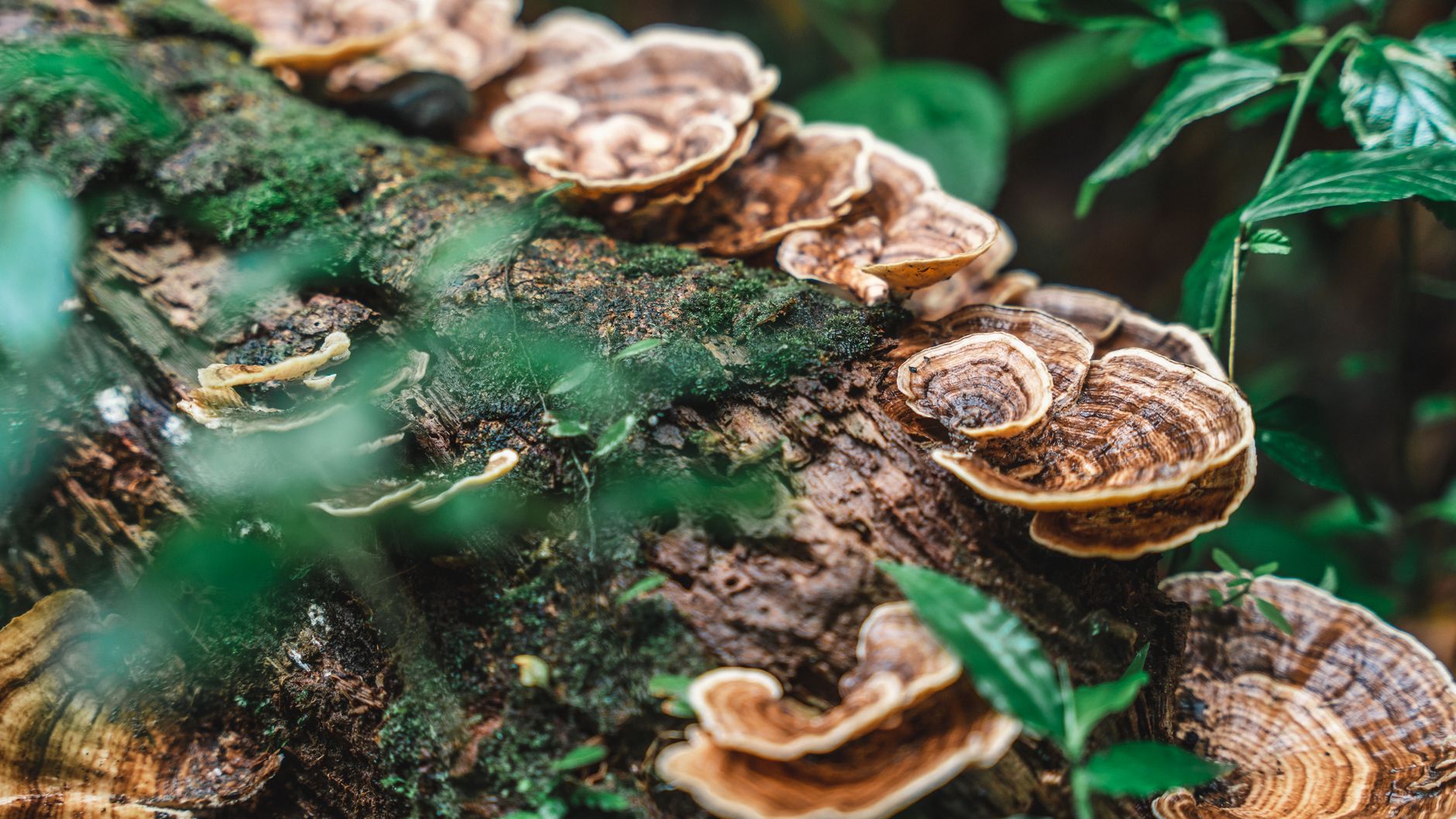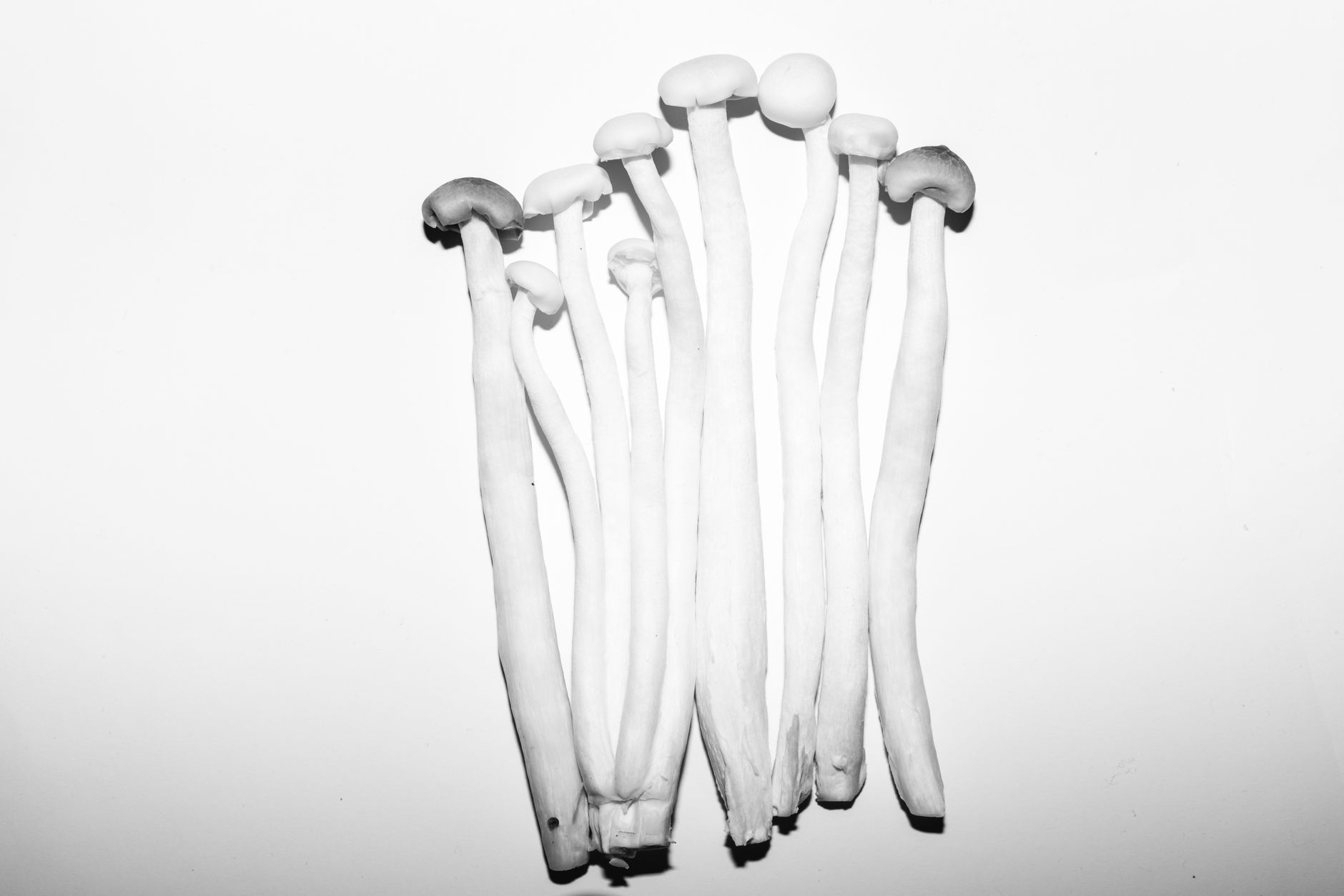

Maitake (Grifola frondosa) is a large, fan-shaped mushroom that grows at the base of oak trees across Japan, China, and the eastern United States. Known in Japanese as “maitake” (dancing mushroom), it has a centuries-long history of culinary and medicinal use in East Asia. Modern research has begun examining the biological properties of its bioactive compounds, with particular attention to two areas: blood glucose regulation and immune modulation. This article reviews what the current evidence shows, and where significant gaps remain.
Bioactive Profile: What Makes Maitake Distinct
Grifola frondosa contains several classes of bioactive compounds. Its most studied constituents are beta-glucan polysaccharides, primarily a soluble fraction known as the “D-fraction” and related preparations such as MD-Fraction and SX-Fraction. These are beta-1,3 and beta-1,6 linked glucans, structurally similar to immune-active compounds found in other functional mushrooms but with distinctive branching patterns that appear to influence their biological activity. Maitake also contains ergosterol, dietary fiber, amino acids, and various mineral compounds, though polysaccharides have attracted the most research interest.
The D-fraction in particular has been the subject of substantial preclinical investigation for its immunostimulatory properties, and a separate line of research has examined maitake polysaccharides for potential metabolic effects, including effects on blood glucose and insulin sensitivity.
Maitake and Blood Sugar: What the Evidence Shows
Preclinical Findings on Insulin Resistance
Research into maitake’s potential effects on blood sugar regulation has grown in recent years. A 2025 study published in Nutrients used transcriptomics, proteomics, and network pharmacology to investigate the hypoglycemic mechanisms of GF5000, a standardized maitake polysaccharide fraction, in a diabetic rat model.[1]
The researchers identified key molecular targets through which GF5000 may improve insulin resistance, including glucokinase (GCK), glucokinase regulatory protein (Gckr), and acetyl-CoA carboxylase 2. GCK plays a central role in hepatic glucose metabolism by phosphorylating glucose as the first step in glycolysis, and its upregulation may improve glucose clearance from the blood. The study confirmed that GF5000 increased GCK mRNA expression in glucokinase-knockdown HepG2 liver cells, suggesting a specific molecular pathway through which maitake polysaccharides may influence glucose handling. The authors concluded that these findings provide theoretical evidence for GF5000 as a nutritional candidate for type 2 diabetes prevention and management, while noting that clinical translation requires further human research.[1]
It is important to note that this research was conducted in an animal model and does not establish that consuming maitake supplements will produce equivalent glucose-lowering effects in people. Rodent metabolic models often show drug effects that do not consistently replicate in human clinical trials, and no well-powered randomized controlled trial has yet confirmed clinically meaningful blood sugar reduction from maitake supplementation in humans with type 2 diabetes.
Mechanistic Considerations
Earlier research proposed that maitake’s SX-Fraction may influence insulin receptor signaling and glucose transporter activity, but human data supporting this mechanism remain limited. Studies in this area have generally been small, of short duration, or conducted without adequate controls. Research suggests that maitake polysaccharides may influence multiple pathways relevant to metabolic health, including lipid metabolism and inflammatory signaling, but the relative contribution of each pathway in humans is not yet characterized. Anyone with diabetes or prediabetes should consult a healthcare provider before using maitake supplements alongside prescribed treatments.
Maitake and Immune Function: The D-Fraction Evidence
Dendritic Cell Activation and Antitumor Immunity
The immune-modulating properties of maitake D-fraction have been investigated more extensively than its metabolic effects. A study published in the Journal of Leukocyte Biology examined how soluble maitake D-fraction interacts with dendritic cells, a critical cell type in the coordination of both innate and adaptive immune responses.[2]
Using a murine tumor model, researchers found that maitake D-fraction activated dendritic cell maturation through a dectin-1-dependent pathway, significantly increasing interleukin-12 (IL-12) production without elevating the immunosuppressive cytokine IL-10. When combined with a TLR9 agonist, the treatment synergistically primed a Th1-type T cell response, resulting in tumor regression. The mechanism appeared to involve increased CD11c+ dendritic cell infiltration at the tumor site and induction of interferon-gamma-producing CD4+ and CD8+ T cells. These findings are from a preclinical murine model, and the authors described them as providing a basis for future clinical immunotherapy studies rather than as established human evidence.[2]
Combination with Monoclonal Antibody Therapy
More recent research has examined whether maitake beta-glucan may complement established cancer therapies. A 2024 study published in Biological and Pharmaceutical Bulletin investigated whether MD-Fraction, a standardized maitake beta-glucan preparation, could enhance the effectiveness of trastuzumab, an anti-HER2 monoclonal antibody used in HER2-positive breast cancer treatment.[3]
The study found that in HER2-positive xenograft models, the combination of MD-Fraction and trastuzumab produced greater tumor inhibition than trastuzumab alone. Mechanistically, MD-Fraction appeared to enhance three immune killing pathways: antibody-dependent cellular cytotoxicity (ADCC) via activation of natural killer cells, complement-dependent cellular cytotoxicity (CDCC) via macrophages and neutrophils in the presence of intact serum, and complement-dependent cytotoxicity (CDC) by activating the complement system. The researchers concluded that these results support maitake beta-glucan as a potential adjunct to trastuzumab therapy, while acknowledging that all findings are preclinical and require clinical validation.[3]
It should be emphasized that no clinical trial has evaluated maitake supplementation specifically alongside trastuzumab in human patients. Anyone receiving cancer treatment should not adjust their protocol based on preclinical research of this kind without consulting their oncologist.
Anti-Inflammatory Properties of GF Polysaccharides
Immune support does not only mean antitumor activity. A 2023 study published in Frontiers in Nutrition examined purified Grifola frondosa polysaccharides (GFP) for anti-inflammatory effects in a mouse model of ulcerative colitis.[4] The extracted GFP was characterized as primarily beta-glucan with a glucose-dominant monosaccharide composition.
Administration of GFP at different concentrations was associated with reductions in pro-inflammatory cytokines TNF-alpha and IL-1beta, increases in the anti-inflammatory cytokine IL-10, and attenuation of colon injury. The polysaccharides also appeared to preserve leukocyte and platelet levels, which were reduced by colitis in control animals. These findings suggest that maitake polysaccharides may modulate inflammatory immune signaling in the gut, though this research involved animal models of chemically-induced colitis rather than human inflammatory bowel disease, and direct clinical relevance remains to be established.[4]
Comparing Maitake to Other Functional Mushrooms
Within the functional mushroom category, maitake occupies a position alongside Turkey Tail (Trametes versicolor), Reishi (Ganoderma lucidum), and Chaga (Inonotus obliquus) as species with meaningful immune research behind them. However, Turkey Tail’s PSK and PSP have more extensive human clinical data, including adjunctive use in cancer care in Japan where PSK has regulatory approval. Maitake’s evidence base, while substantial in preclinical systems, has fewer large-scale human trials. For a detailed comparison of immune-focused functional mushrooms, see our article on the best mushrooms for immune and gut health.
Where maitake may be more distinct is in the blood sugar and metabolic health research space, where species like Reishi and Lion’s Mane are less studied. The GCK-modulating mechanism identified in recent maitake research represents a specific and biologically plausible pathway that merits further clinical investigation.
Supplement Considerations
Maitake is available in a range of supplement formats including capsules, powders, and liquid extracts. Products may be standardized to D-fraction or MD-fraction content. Key variables that affect quality include whether the extract derives from fruiting body or mycelium, the extraction method (hot water extraction is typically required for polysaccharide yield), and whether beta-glucan content is independently verified on the label.
Maitake has a well-established safety record as a food, with no significant adverse effects reported at typical dietary intakes. As a supplement, individuals taking blood glucose-lowering medications or anticoagulants, or those with autoimmune conditions, may want to consult a healthcare provider before use, as the immunomodulatory and potential metabolic effects could interact with existing treatments.
Summary
Maitake (Grifola frondosa) contains bioactive polysaccharides, particularly D-fraction and related beta-glucan preparations, that research suggests may influence blood sugar regulation and immune function through distinct molecular mechanisms. Preclinical studies indicate maitake polysaccharides may improve insulin resistance via GCK pathway modulation, reduce inflammatory cytokines in gut models, and activate dendritic cell-mediated immune responses with potential antitumor activity. Human clinical evidence in all of these areas remains limited and is insufficient to support specific health claims. Maitake is best understood as a functional food with a scientifically interesting bioactive profile that warrants continued clinical investigation.
References
- Xiao C, et al. Network Pharmacology-Based Elucidation of the Hypoglycemic Mechanism of Grifola frondosa GF5000 Polysaccharides via GCK modulation in Diabetic Rats. Nutrients. 2025;17(6):964. PMID: 40289960
- Masuda Y, et al. Soluble beta-glucan from Grifola frondosa induces tumor regression in synergy with TLR9 agonist via dendritic cell-mediated immunity. J Leukoc Biol. 2015;98(6):1015-25. PMID: 26297795
- Masuda Y, et al. Maitake Beta-Glucan Enhances the Therapeutic Effect of Trastuzumab via Antibody-Dependent Cellular Cytotoxicity and Complement-Dependent Cytotoxicity. Biol Pharm Bull. 2024;47(4):840-847. PMID: 38616114
- Liu X, et al. Structural properties and anti-inflammatory activity of purified polysaccharides from Hen-of-the-woods mushrooms (Grifola frondosa). Front Nutr. 2023;10:1078868. PMID: 36824172
Disclaimer: This article is for informational purposes only and does not constitute medical advice. Maitake supplements are not approved by the FDA to diagnose, treat, cure, or prevent any disease. Consult a qualified healthcare provider before beginning any new supplement regimen, particularly if you have diabetes, an immune condition, or take prescription medications.