When you open a jar of mushroom supplement capsules, the label might list beta-glucan percentages, extraction ratios, or certifications. What it rarely explains is the journey that produced those numbers: the cultivation environment, the substrate composition, the harvesting timing, and the processing steps that ultimately determine what ends up in each capsule. Understanding this supply chain may help consumers make more informed choices about the products they purchase.
Where It Starts: Substrate Selection
Commercially cultivated mushrooms are grown on substrates: nutrient-rich growing media that mimic the natural material a given species would colonize in the wild. Common substrates include hardwood sawdust, straw, wood chips, cottonseed hulls, and grain-based mixes. The substrate composition is not merely a logistical detail; research indicates it meaningfully influences the bioactive compound profile of the resulting mushroom material.
A comprehensive review published in the Journal of the Science of Food and Agriculture noted that chemical composition varies considerably both among and within mushroom species, and that growing conditions are among the contributing factors to this variation.[1] For supplement-grade mushrooms, substrate optimization is therefore a meaningful quality lever, not an afterthought.
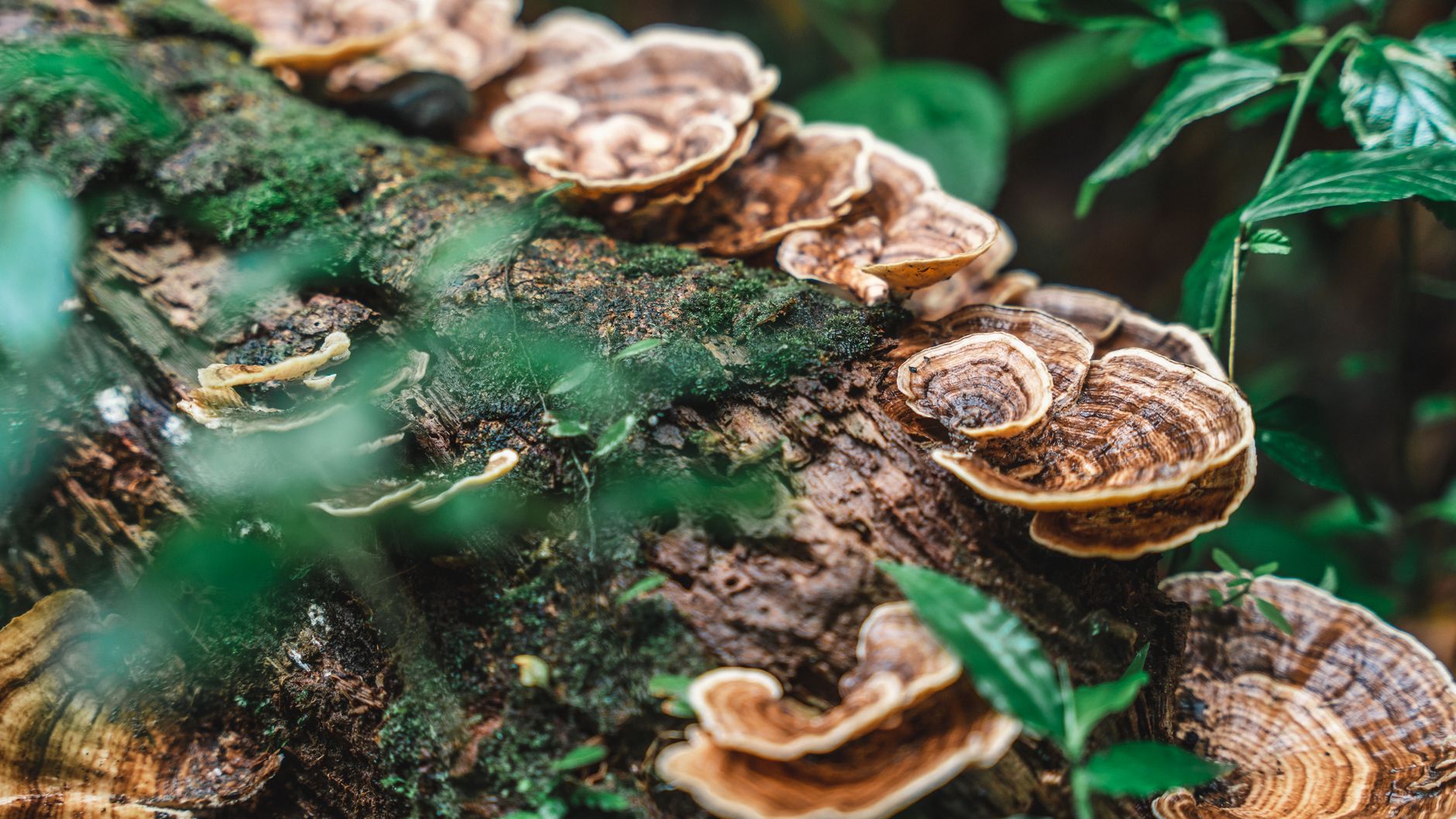
Reishi (Ganoderma lucidum), for example, is traditionally cultivated on hardwood logs or sawdust blocks. Studies examining G. lucidum cultivation methods have found that sawdust-based cultivation and wood log cultivation can yield somewhat different polysaccharide and triterpenoid profiles.[2] The practical implication for consumers: two reishi supplements from different producers may deliver meaningfully different compound concentrations even if the label names look identical.
Fruiting Body vs. Mycelium: A Cultivation-Level Distinction
One of the most consequential farm-level decisions is whether to produce the mushroom’s fruiting body (the visible cap and stem structure), the mycelium (the root-like network that colonizes the substrate), or both. This decision is made at cultivation and has downstream effects on supplement composition.
Research on Cordyceps militaris compared fruiting bodies, mycelium, and commercial supplements and found that substrate composition and cultivation method had a measurable influence on bioactive substance content, including cordycepin and antioxidant activity.[3] Fruiting bodies from commercially obtained and self-cultivated sources showed different cordycepin levels after simulated gastrointestinal digestion, suggesting that cultivation origin matters even within the same product category.
Mycelium-on-grain products, common in some North American supplement lines, may retain a significant portion of the grain substrate in the final product. This can dilute active compound concentrations relative to fruiting body or mycelium-only extracts. Consumers looking at beta-glucan percentages on labels should consider whether the manufacturer has tested for grain-derived vs. fungal-derived beta-glucans, as the methods can differ in sensitivity.
Indoor Farming and Environmental Controls
Large-scale mushroom farms for supplement production are typically indoor, climate-controlled facilities. Temperature, humidity, CO2 levels, and light cycles are calibrated to optimize yield and bioactive output. For species like Ganoderma lucidum, cultivation on artificial substrates has been scaled globally in response to market demand, with agricultural waste streams increasingly being repurposed as substrate inputs, which also serves sustainability objectives.[2]
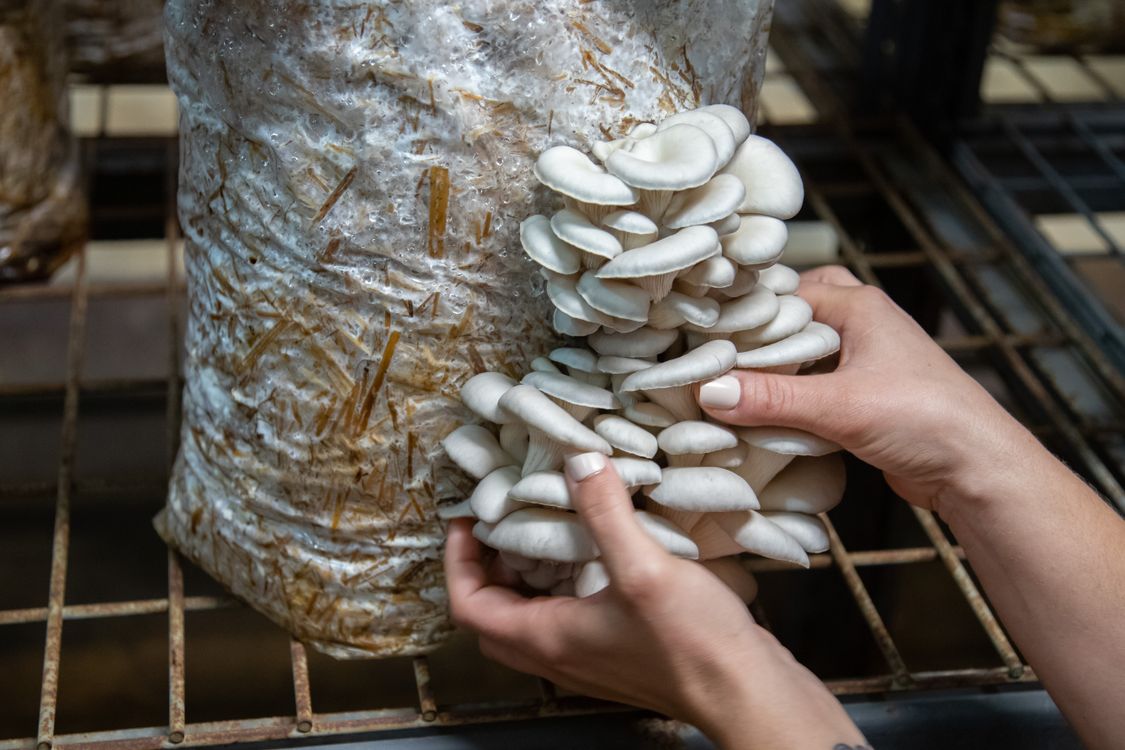
Shiitake (Lentinula edodes) is frequently grown on supplemented sawdust blocks, which can be inoculated, bagged, and fruited in controlled warehouses at scale. Oyster mushrooms (Pleurotus spp.) are similarly adaptable, growing well on straw or agricultural byproducts. Lion’s mane (Hericium erinaceus) typically requires hardwood substrate and slightly cooler fruiting temperatures. Each species has its own environmental profile, and supplement manufacturers who grow in-house or work with dedicated cultivation partners generally have more control over consistency.
The Role of Harvesting Timing
Harvesting timing relative to the mushroom’s developmental stage affects compound concentrations. For reishi, the spore-release stage, when the mushroom is fully mature, is associated with elevated triterpenoid content; however, some producers harvest earlier to maximize polysaccharide yield. There is no universally optimal harvest window: the right timing depends on which compounds the manufacturer is prioritizing. Reputable suppliers document their harvest stage in their certificates of analysis or technical datasheets.
Processing: Drying, Extraction, and Standardization
Post-harvest processing is where the farm-to-supplement gap is largest, and where consumer confusion most often arises. Raw dried mushroom powder and a dual-extract concentrate are derived from the same organism but may deliver substantially different amounts of bioavailable compounds per gram.
Hot water extraction is typically used to isolate beta-glucans and polysaccharides, which are water-soluble. Alcohol extraction targets triterpenoids and other fat-soluble compounds. A dual extract uses both methods sequentially, producing a broader compound spectrum. The resulting extract is then standardized to a target percentage (for example, “30% beta-glucans”) and tested via third-party laboratory analysis before encapsulation.
For consumers, the practical takeaway is that a “10:1 extract” notation indicates concentration ratio (10 kg raw material yielding 1 kg extract) but does not specify which compounds were concentrated or at what percentage. Standardized extracts with a stated beta-glucan percentage backed by a certificate of analysis generally offer more transparency. For a deeper look at what to examine when evaluating labels, the site’s guide on reading a mushroom supplement COA provides a practical framework.
Third-Party Certification and Supply Chain Transparency
Because the supplement industry allows substantial variation in cultivation and processing standards, third-party certifications serve as a practical proxy for supply chain integrity. Certifications such as USDA Organic address substrate inputs and pest management practices. NSF or USP certification addresses manufacturing quality controls. ISO 17025-accredited laboratory testing addresses compound verification.
Some manufacturers publish full traceability documentation, including the country of origin for their mushrooms, the substrate used, and the extraction method. This level of transparency remains the exception rather than the norm, but it is increasingly available from quality-oriented producers as consumer awareness grows.
What This Means for Supplement Quality
The farm-to-supplement journey involves multiple decision points: substrate selection, cultivation environment, harvest timing, drying method, extraction approach, and quality testing. Each step may influence the final compound profile. Research suggests that cultivation variables such as substrate composition and growing conditions contribute meaningfully to variation in bioactive content across mushroom materials and products.[1][3]
For consumers, the most actionable approach is to prioritize products from manufacturers who disclose their cultivation source, extraction method, and third-party testing results. A certificate of analysis showing actual beta-glucan content, tested by an accredited laboratory, provides more meaningful information than marketing language alone.
References
- [1] Kalač P. A review of chemical composition and nutritional value of wild-growing and cultivated mushrooms. J Sci Food Agric. 2013;93(2):209-18. PubMed 23172575
- [2] Thakur P, et al. Exploring Ganoderma lucidum: morphology, cultivation and market potential. World J Microbiol Biotechnol. 2024;40(11):369. PubMed 39467896
- [3] Jędrejko K, et al. Cordyceps militaris-Fruiting Bodies, Mycelium, and Supplements: Valuable Component of Daily Diet. Antioxidants (Basel). 2022;11(10):1861. PubMed 36290584
This article is for informational purposes only and does not constitute medical advice. Always consult a qualified healthcare provider before starting any supplement.