
Cordyceps mushrooms have been used in traditional Tibetan and Chinese medicine for centuries, often credited with boosting stamina, vitality, and sexual function. In recent years, supplement brands have eagerly seized on this reputation, marketing Cordyceps products specifically for libido support. But how much of this is grounded in science, and how much is savvy marketing? This article takes an honest look at what the research actually says.
What Is Cordyceps and Why Does It Have a Reputation for Libido?
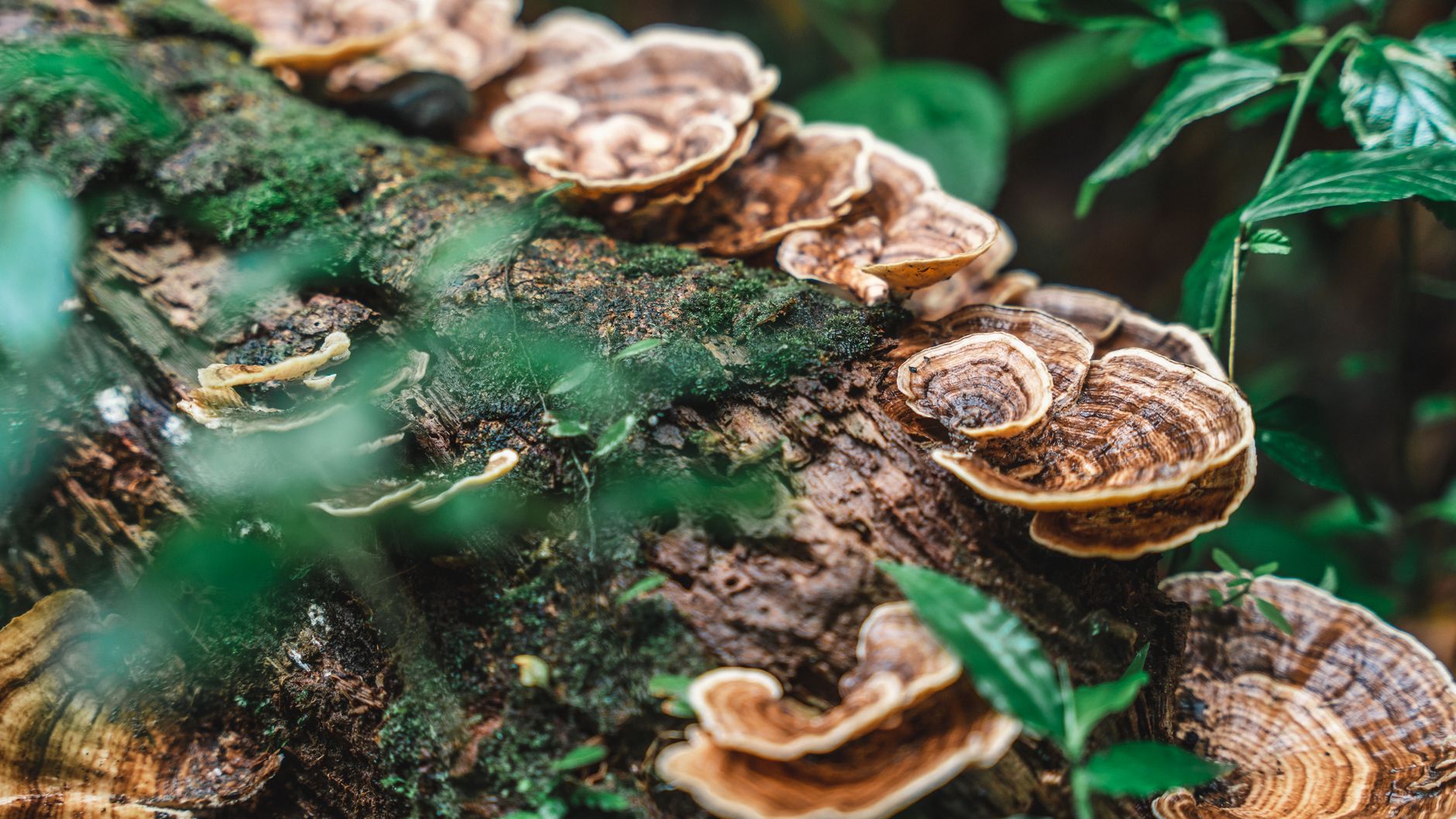
Cordyceps is a genus of parasitic fungi with over 400 identified species. The two most studied for human health are Cordyceps sinensis (now reclassified as Ophiocordyceps sinensis) and the cultivated variety Cordyceps militaris. Both contain a range of bioactive compounds including cordycepin, polysaccharides, and adenosine.
The libido connection traces back to Tibetan herders who noticed their livestock became notably more energetic and sexually active after grazing on pastures where wild Cordyceps grew. This anecdotal observation was absorbed into traditional medicine systems, where Cordyceps was prescribed as a tonic for fatigue, weakness, and reduced sexual drive. That centuries-old reputation has translated neatly into modern supplement marketing.
What Animal Research Has Found
The most direct evidence for Cordyceps and sexual function comes from animal studies, and the results are genuinely interesting. A 2020 study investigated the effects of cultured Cordyceps militaris on sexual performance and erectile function in diabetic male rats. Researchers found that treated animals showed measurable improvements in sexual behavior metrics, including mounting frequency and intromission, compared to controls.[1] The researchers attributed these effects to improved blood flow, antioxidant activity, and increased testosterone production — all of which were measurably improved in treated animals compared to diabetic controls.
A 2022 study examined cordycepin, one of the primary active compounds in Cordyceps militaris, and its effects on testicular health in naturally aged rats. The study found that cordycepin reduced markers of testicular inflammation and improved testosterone-related biochemical parameters by modulating NF-kB and MAPK signaling pathways.[2] This suggests a potential mechanism by which Cordyceps could support male reproductive health, at least in aging animal models.
A separate line of research has looked at Cordyceps in the context of spermatogenesis. One study found that Cordyceps-containing formulations improved sperm parameters in animal models with chemically induced reproductive damage, pointing toward a protective role in male fertility.[3]
The Human Evidence Gap
Here is where the picture becomes considerably less clear. Despite dozens of animal studies and centuries of traditional use, rigorously controlled human clinical trials specifically examining Cordyceps and libido are scarce. Most human research on Cordyceps has focused on athletic performance, fatigue reduction, and respiratory function rather than sexual health.
The human trials that do exist are generally small, poorly controlled, or conducted without placebo groups. Some studies have reported that participants taking Cordyceps-based supplements reported improved energy levels and reduced fatigue, which could indirectly contribute to better sexual interest. However, self-reported outcomes like libido are notoriously susceptible to placebo effects, making these results difficult to interpret.
A 2024 study using Cordyceps sinensis in a human exercise context found measurable effects on stem cell recruitment to skeletal muscle, confirming biological activity in humans, but this tells us little about reproductive or sexual outcomes specifically.[4]
Plausible Mechanisms Worth Watching
Even without robust clinical data, researchers have identified several mechanisms that could theoretically support the libido claims:
Testosterone Pathway Modulation
Some animal studies suggest Cordyceps compounds may influence Leydig cell activity, the cells responsible for testosterone production in the testes. If this effect translates to humans, it could have implications for libido in men with suboptimal testosterone levels. However, “may influence” is doing a lot of work in that sentence: no human RCT has confirmed this effect.
Nitric Oxide and Blood Flow
Cordyceps has demonstrated vasodilatory effects in some research, linked to increased nitric oxide production. Better blood flow is a component of healthy sexual function in both men and women. This mechanism is pharmacologically plausible, but again, human-specific data is limited.
Fatigue Reduction and Energy
Cordyceps is one of the more evidence-backed mushrooms for reducing fatigue and improving oxygen utilization. Low energy and chronic fatigue are well-documented drivers of reduced libido. To the extent Cordyceps genuinely improves energy levels, a secondary benefit to sexual interest is biologically reasonable even if not proven directly.
So: Science or Marketing?
The honest answer is: both, and it depends on which claim is being made. The idea that Cordyceps has some biological activity relevant to reproductive and sexual health is supported by animal research and mechanistic data. The specific claim that taking a Cordyceps supplement will meaningfully increase libido in a healthy adult human is, as of 2026, not supported by high-quality clinical evidence.
This does not mean the claims are fabricated. It means the science has not yet caught up with a centuries-old traditional use. The gap between promising preclinical data and proven human outcomes is where many functional mushroom claims currently live, and Cordyceps libido claims are no exception.
If you are considering Cordyceps for energy support, there is a more substantial body of human research to draw from. For libido specifically, expectations should be modest until better trials are published. As with all functional mushrooms, quality of the supplement matters enormously: look for products that specify beta-glucan content and fruiting body sourcing rather than mycelium-on-grain products. You can read more about evaluating supplement quality in our guide to full-spectrum vs. extract mushroom supplements.
References
- [1] Khaw KY, et al. Effects of Cultured Cordycep militaris on Sexual Performance and Erectile Function in Streptozotocin-Induced Diabetic Male Rats. PubMed 33274209 (2020)
- [2] Shen J, et al. Cordycepin from Medicinal Fungi Cordyceps militaris Mitigates Inflammaging-Associated Testicular Damage via Regulating NF-κB/MAPKs Signaling in Naturally Aged Rats. PubMed 35291597 (2022)
- [3] Huang Y, et al. Substitution of cordyceps cephalosporium mycelia for cordyceps sinensis in the prescription of Shengjing Capsules: Enhanced effect on spermatogenesis impairment. PubMed 30173447 (2018)
- [4] Hirsch KR, et al. Cordyceps sinensis accelerates stem cell recruitment to human skeletal muscle after exercise. PubMed 38501161 (2024)
This article is for informational purposes only and does not constitute medical advice. Always consult a qualified healthcare provider before starting any supplement.