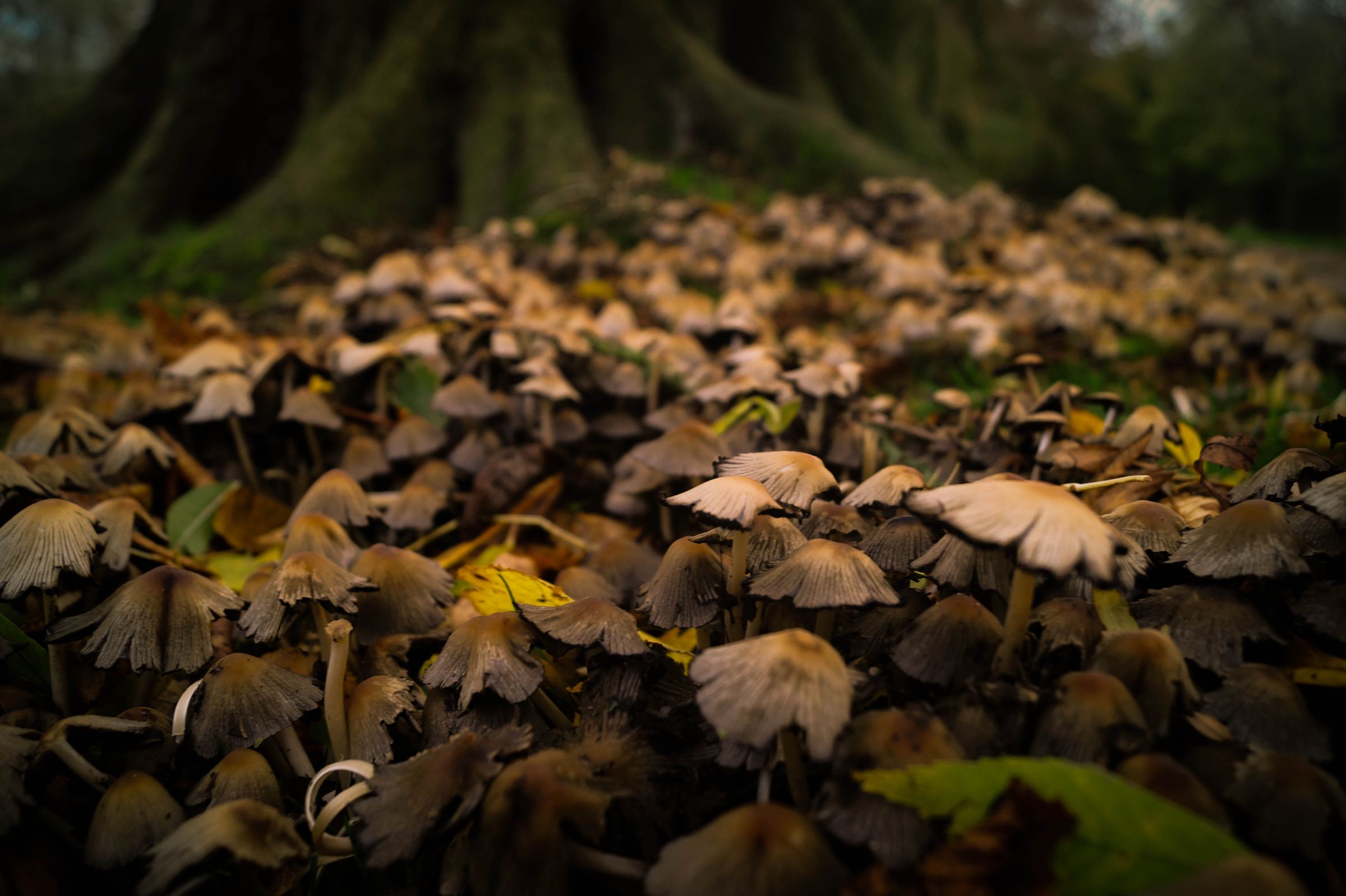
Chaga (Inonotus obliquus) and Turkey Tail (Trametes versicolor) are two of the most extensively studied functional mushrooms in the context of immune support. Both grow on trees, both produce biologically active polysaccharides, and both appear in traditional medicine systems across multiple cultures. Yet their chemical profiles, primary research focus areas, and practical considerations differ in meaningful ways. This comparison examines what the current evidence actually shows about each mushroom and where their profiles diverge.
What Is Chaga?
Chaga is a parasitic fungus that grows predominantly on birch trees in cold northern climates, including Siberia, Northern Europe, and parts of Canada. Unlike typical mushrooms with caps and gills, it presents as a hard, dark, irregular mass on the outer bark, with a rust-colored interior. Traditional use in Russia and parts of Asia dates back centuries, typically as a brewed tea.
From a chemistry standpoint, Chaga is notable for its unusually high antioxidant content. It contains betulinic acid derived from the birch bark it inhabits, along with melanin-based pigments, polyphenols, and beta-glucan polysaccharides. Researchers have categorized these compounds as contributors to Chaga’s observed antioxidant and immunomodulatory properties.[1]
Chaga also contains a notable oxalate load, which is clinically relevant for individuals with a history of kidney stones or oxalate sensitivity. A separate consideration for anyone evaluating long-term use.
What Is Turkey Tail?
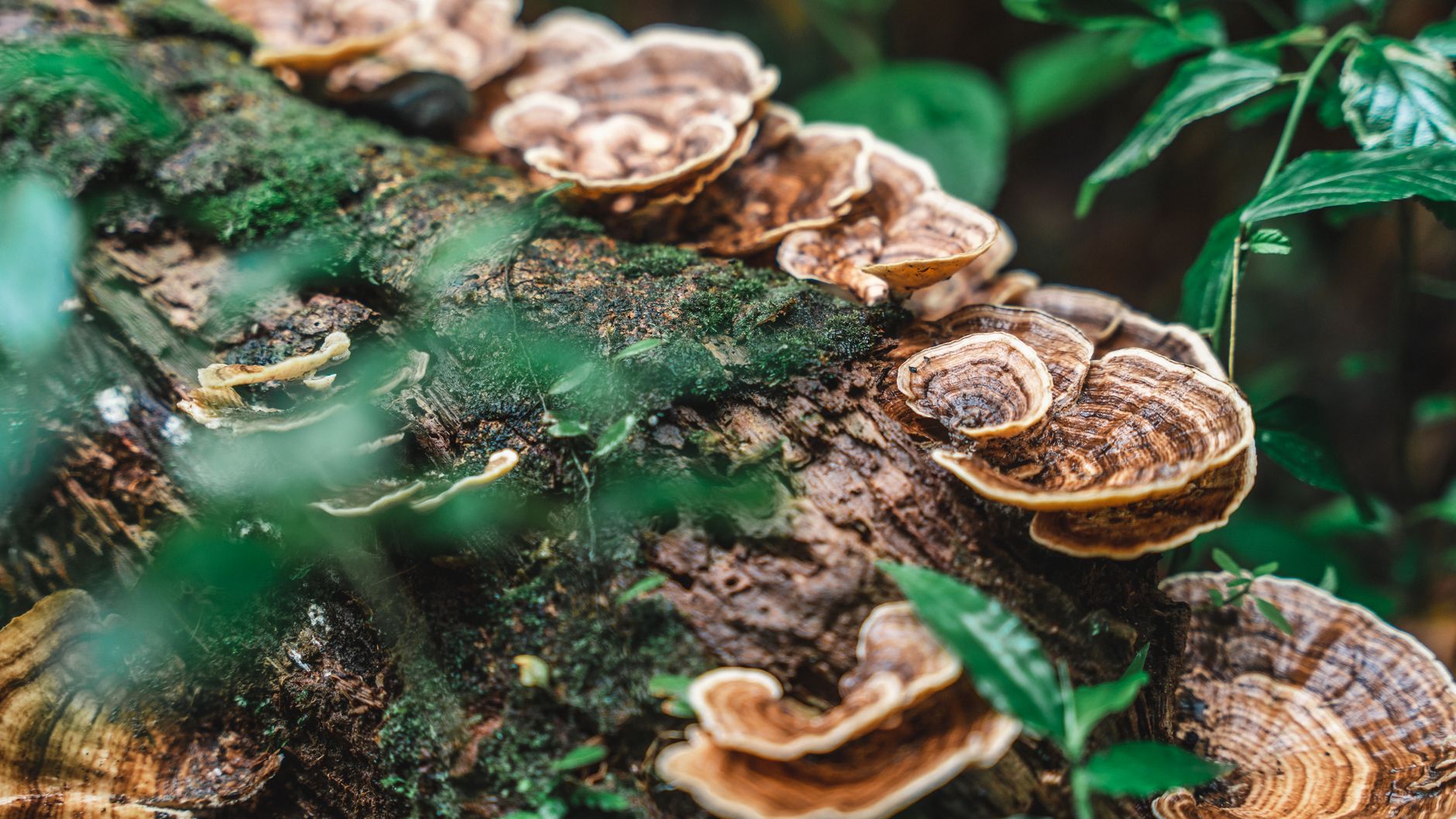
Turkey Tail is a thin, fan-shaped bracket fungus found on fallen logs and dead hardwood trees worldwide. It is one of the most geographically widespread medicinal mushrooms. Its distinctive concentric rings of color resemble the tail feathers of a wild turkey, giving it the common name.
Turkey Tail’s primary bioactive compounds are two polysaccharopeptides: Polysaccharide-K (PSK, also known commercially as Krestin) and Polysaccharide Peptide (PSP). PSK has been studied as an adjuvant cancer therapy in Japan for several decades, and both compounds have been examined for their effects on immune cell activity. Research suggests Turkey Tail extracts may modulate macrophage polarization and influence cytokine release patterns.[2]
Comparing Their Immune Research Profiles
Both mushrooms have been studied for immune modulation, but the depth, mechanism focus, and clinical context of that research differ considerably.
Chaga and Immune Function
Preclinical research on Chaga has examined its effects on inflammatory pathways and oxidative stress. One study found that an ethanol-extracted Chaga preparation significantly reduced inflammatory cytokine expression and improved markers of oxidative stress in an atopic dermatitis model, with observed changes in serum immunoglobulin levels suggesting modulation of both humoral and cellular immune responses.[3] These findings support the hypothesis that Chaga may support immune balance through antioxidant-mediated mechanisms, though the majority of current evidence remains preclinical.
Chaga’s beta-glucan content contributes to general immune support, but its polyphenol and betulinic acid load distinguish it from most other functional mushrooms. Much of the current research interest centers on its antioxidant capacity and its potential effects on inflammatory signaling.
Turkey Tail and Immune Function
Turkey Tail has a comparatively well-developed human clinical evidence base, particularly around its PSK compound. PSK has been studied as an adjunctive therapy in oncology settings in Japan, where it has regulatory approval as a cancer adjuvant. Research on the underlying mechanisms suggests that Turkey Tail polysaccharides may shift macrophage behavior from immunosuppressive states toward more active phenotypes, potentially influencing the tumor immune microenvironment.[4]
In vitro studies examining Turkey Tail extracts on immune cells from older adults have found differential effects on cytokine profiles depending on the inflammatory stimulus involved. Research indicates that Trametes versicolor extracts may reduce type 2 cytokine responses associated with allergic inflammation, while producing distinct responses under viral challenge conditions.[5] The researchers noted that these findings support further in vivo investigation.
Key Differences at a Glance
While both mushrooms fall into the broad category of immune-modulating functional fungi, several distinctions are worth noting:
- Primary bioactives: Chaga emphasizes antioxidant polyphenols, melanins, and beta-glucans; Turkey Tail is primarily studied through its PSK and PSP polysaccharopeptides.
- Clinical evidence depth: Turkey Tail has a longer track record of human clinical research, particularly in adjuvant oncology contexts. Chaga research is predominantly preclinical.
- Mechanism emphasis: Chaga research frequently focuses on oxidative stress pathways; Turkey Tail research tends to center on macrophage activation and lymphocyte modulation.
- Safety considerations: Chaga carries an oxalate burden that may be relevant for individuals with kidney concerns. Turkey Tail is generally regarded as having a favorable safety profile in available studies.
- Traditional preparation: Chaga is traditionally prepared as a long-simmered tea or decoction. Turkey Tail has historically been used as both a tea and in powdered supplement forms.
Can They Be Used Together?
There is no well-established clinical evidence on the combined use of Chaga and Turkey Tail, and no definitive research yet indicates synergistic or antagonistic effects when both are taken together. Some supplement formulators include both in stacks aimed at broad immune support, but the rationale is largely theoretical at this stage.
If you are already familiar with how to evaluate mushroom supplement quality, our guide on reading mushroom supplement labels and understanding beta-glucan content may be useful when comparing product options across both species.
Choosing Between Them
The choice between Chaga and Turkey Tail for immune support depends in part on what the available evidence most closely aligns with your goals. Turkey Tail’s PSK and PSP have more direct human clinical study behind them, particularly in immunological contexts. Chaga’s antioxidant profile may be relevant for those interested in oxidative stress reduction alongside immune support, though the clinical evidence remains thinner.
Neither mushroom is a substitute for medical treatment, and neither has been shown in human clinical trials to treat or prevent disease as a standalone intervention. As with any supplement consideration, consulting a qualified healthcare provider is advisable, particularly if you have existing health conditions or are taking medications.
References
- [1] Lysakowska P, et al. Medicinal Mushrooms: Their Bioactive Components, Nutritional Value and Application in Functional Food Production. Molecules. 2023;28(14):5393. PMID: 37513265
- [2] Jedrzejewski T, et al. COVID-19 and Cancer Diseases: The Potential of Coriolus versicolor Mushroom to Combat Global Health Challenges. Int J Mol Sci. 2023;24(5):4864. PMID: 36902290
- [3] Liu J, et al. Chaga Mushroom (Inonotus obliquus) Attenuates DNCB-Induced Atopic Dermatitis by Modulating Oxidative Stress and Cytokine Expression. J Microbiol Biotechnol. 2026;36:e2510032. PMID: 41581894
- [4] Bi S, et al. A novel polysaccharide isolated from Coriolus versicolor polarizes M2 macrophages into an M1 phenotype. Int J Biol Macromol. 2024;259(Pt 2):129352. PMID: 38218293
- [5] Williams LM, et al. Medicinal Mushroom Extracts from Hericium coralloides and Trametes versicolor Exert Differential Immunomodulatory Effects on Immune Cells from Older Adults In Vitro. Nutrients. 2023;15(9):2227. PMID: 37432355
Disclaimer: This article is for informational purposes only and does not constitute medical advice. Functional mushroom supplements are not intended to diagnose, treat, cure, or prevent any disease. Consult a qualified healthcare provider before starting any new supplement regimen.