
Chaga (Inonotus obliquus) has been used in Siberian folk medicine for centuries. Modern research is beginning to validate what those traditions long assumed. As chronic inflammation becomes increasingly linked to nearly every major disease state, the question of whether chaga can meaningfully modulate inflammatory pathways is worth examining carefully.
What Makes Chaga Different from Other Medicinal Mushrooms
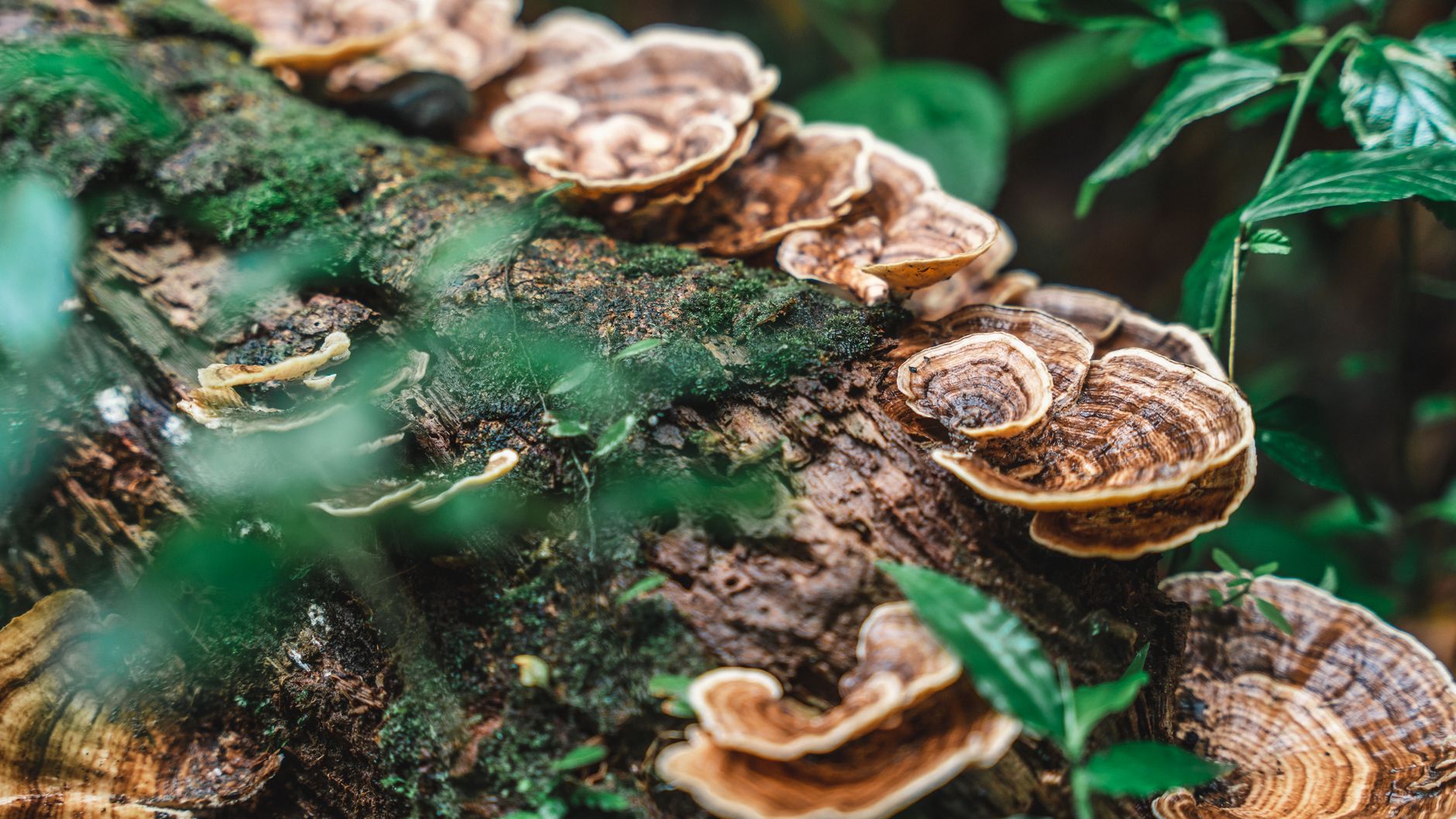
Unlike reishi or lion’s mane, chaga is technically a sclerotium rather than a true fruiting body. It grows primarily on birch trees in cold northern climates and accumulates a dense concentration of betulinic acid, melanin complexes, and polysaccharides over years of growth. This unusual composition is what drives most of the current research interest.
The primary bioactive compounds relevant to inflammation include beta-glucans, inotodiol, and betulin derivatives. Each operates through distinct mechanisms, which is why chaga’s effects tend to be broader than single-compound supplements.
The Research on Inflammation
A study published in the Journal of Ethnopharmacology examined the effects of Inonotus obliquus methanol extract on inflammatory and nociceptive pathways in both in vivo and in vitro models. Researchers found significant anti-inflammatory and analgesic activity at tested concentrations, supporting the traditional use of chaga in inflammatory conditions.[1]
A more recent investigation examined the anti-inflammatory properties of chaga extracts obtained by different extraction methods against LPS-induced inflammation in RAW 264.7 macrophages. The study found that extraction method significantly influenced anti-inflammatory potency, with certain preparations producing dose-dependent suppression of pro-inflammatory markers.[2]
Research on inotodiol, a key bioactive compound isolated from Inonotus obliquus, found that it produced preventive anti-inflammatory effects against poly(I:C)-induced inflammation in human dermal fibroblasts, acting on the TLR3 signaling pathway.[3]
These are in vitro and animal findings; human clinical trials remain limited. That caveat matters, and it would be misleading to present chaga as a proven anti-inflammatory therapy in the clinical sense.
Oxidative Stress: The Indirect Connection
Much of chaga’s anti-inflammatory potential may operate indirectly through antioxidant activity. Chronic oxidative stress and chronic inflammation tend to reinforce each other. Chaga’s exceptionally high antioxidant capacity, driven largely by its melanin and polyphenol content, positions it as one of the more potent natural antioxidant sources studied to date.
What This Means Practically
If oxidative stress is a driver of your inflammatory load (as it is in most cases of metabolic or lifestyle-related inflammation), addressing it through antioxidant-rich compounds like chaga may create a downstream reduction in inflammatory markers. This is mechanistically coherent, though more direct human evidence is needed.
Gut Health and the Inflammation Link
Emerging research suggests chaga may also influence inflammation through the gut microbiome. A study found that polysaccharide extracted from the mycelium of Inonotus obliquus significantly attenuated ulcerative colitis in a mouse model, reducing inflammatory markers and modulating gut microbial composition in ways associated with reduced intestinal inflammation and improved barrier function.[4] Given the established connection between gut permeability and systemic inflammation, this pathway deserves further investigation.
Important Considerations Before Using Chaga
Chaga has a high oxalate content; individuals with a history of kidney stones should approach it cautiously and consult a physician first. It also has mild anticoagulant properties that may interact with blood thinners. These are not reasons to avoid it categorically, but they are reasons to be informed.
Quality matters considerably. Chaga sourced from wild birch (rather than grain-cultivated) contains significantly higher concentrations of the relevant bioactives. Look for products that specify wild-harvested sourcing and provide third-party testing.
Bottom Line
The science on chaga and inflammation is promising but preliminary. The mechanistic rationale is solid; the human clinical evidence is thin. What the research does support is that chaga’s beta-glucan and betulin content interact with known inflammatory pathways in ways that warrant serious ongoing study. For those interested in functional mushrooms as part of a broader wellness approach, chaga is one of the better-researched options for oxidative and inflammatory support.
If you’re exploring other functional mushrooms, our guide to safe and evidence-based mushroom use covers the full landscape.
References
- [1] Park et al. In vivo and in vitro anti-inflammatory and anti-nociceptive effects of the methanol extract of Inonotus obliquus. J Ethnopharmacol, 2005.
- [2] Alhallaf et al. The Anti-Inflammatory Properties of Chaga Extracts Obtained by Different Extraction Methods against LPS-Induced RAW 264.7. Molecules, 2022.
- [3] Won et al. Preventive effects of inotodiol on polyinosinic-polycytidylic acid-induced inflammation in human dermal fibroblasts. Heliyon, 2023.
- [4] Zhang et al. Polysaccharide from fermented mycelium of Inonotus obliquus attenuates the ulcerative colitis and adjusts the gut microbiota in mice. Microb Pathog, 2023.
Medical disclaimer: This article is for informational purposes only and does not constitute medical advice. Consult a qualified healthcare provider before beginning any supplement regimen.