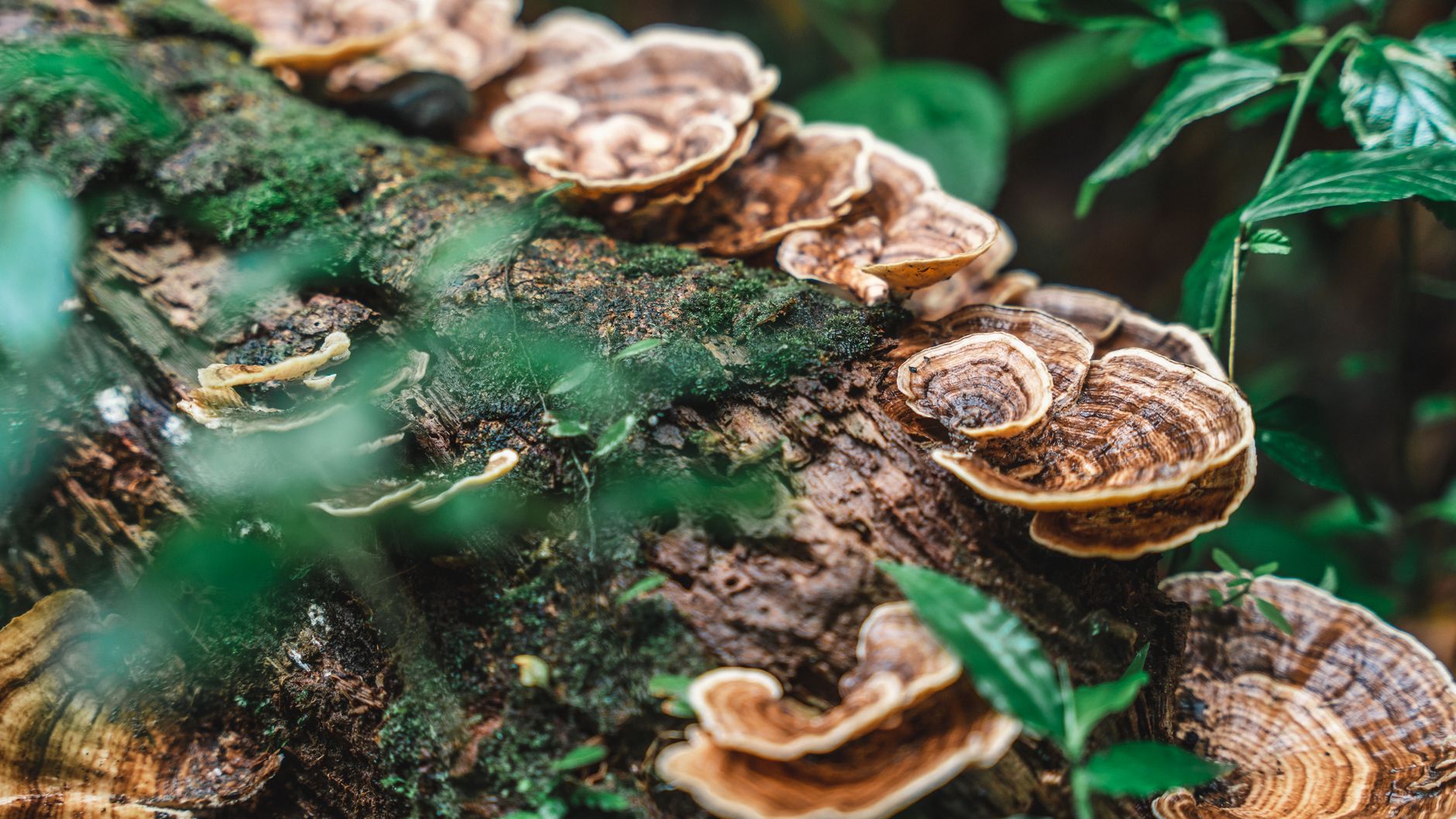
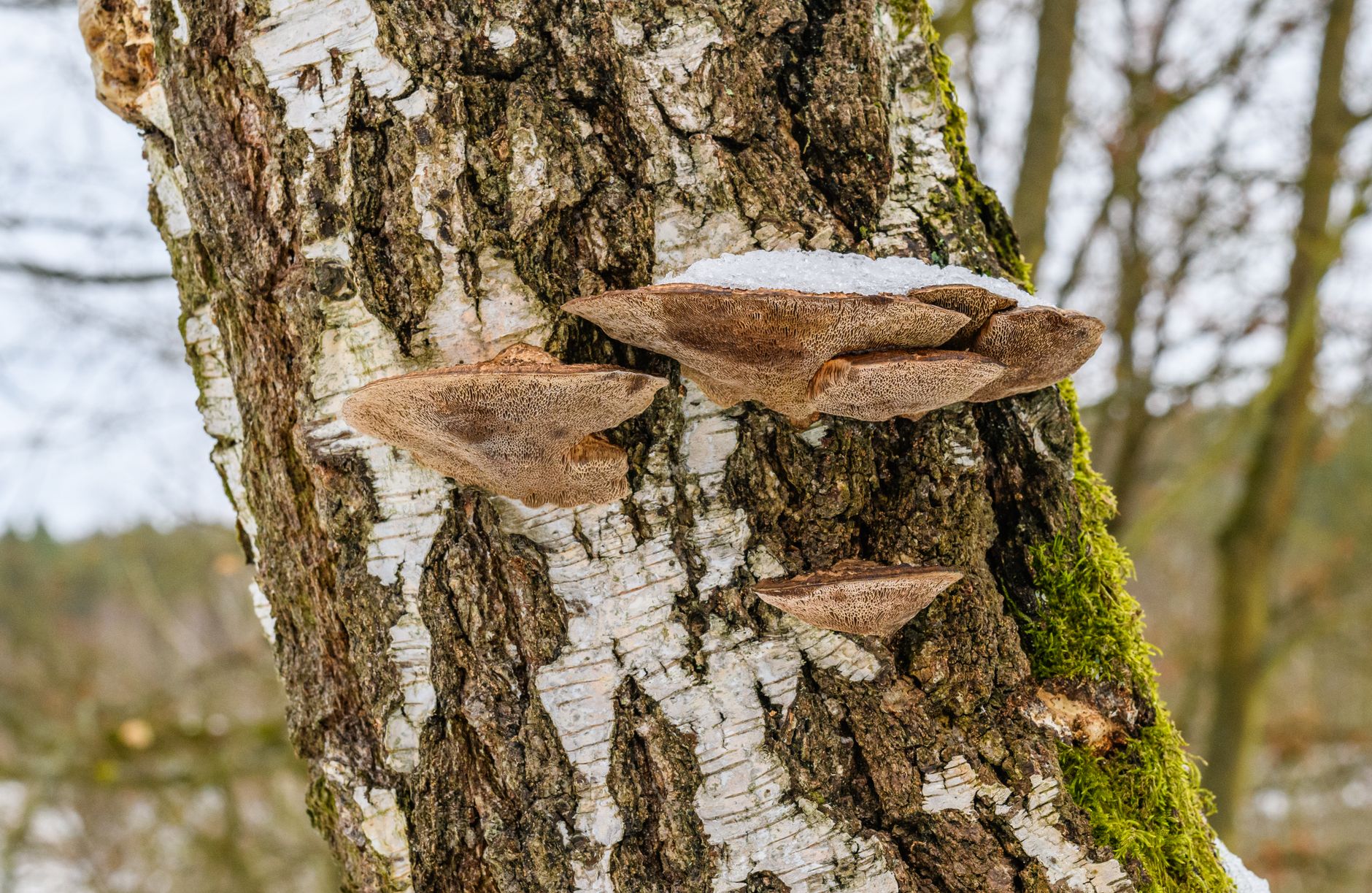
Chaga (Inonotus obliquus) is a fungal conk that grows predominantly on birch trees across northern Europe, Russia, and North America. Long used in traditional Siberian and Northern European folk medicine, it has attracted increasing scientific attention for its dense concentration of bioactive compounds, particularly polysaccharides, polyphenols, and triterpenoids. Among the most studied potential effects is its relationship with inflammatory pathways. This article reviews what current research indicates about chaga and inflammation, while noting that the evidence remains largely preclinical.
What Makes Chaga Biologically Interesting?
The bioactive profile of chaga is unusually broad for a fungal species. Key constituents include:
- Beta-glucans and polysaccharides: Structurally complex heteropolysaccharides with immunomodulatory potential
- Polyphenols: Including protocatechuic acid, protocatechuic aldehyde, and osmundacetone
- Triterpenoids: Particularly inotodiol and lanosterol derivatives
- Melanin complexes: Pigment-related compounds with antioxidant properties
- Betulinic acid: A pentacyclic triterpenoid sourced partly from birch bark
A 2026 review of chaga polysaccharides published in International Journal of Biological Macromolecules synthesized evidence on how molecular weight, glycosidic linkage patterns, and branching topology influence the biological activity of these compounds, noting their documented immunomodulatory and antioxidant properties.[1]
Polyphenols and the NF-kB Inflammatory Pathway
One of the most studied inflammatory mechanisms in chaga research involves the NF-kB signaling pathway, a central regulator of pro-inflammatory cytokine production. A 2026 laboratory study isolated three polyphenolic compounds from Inonotus obliquus (osmundacetone, protocatechuic aldehyde, and protocatechuic acid) and evaluated their effects on inflammatory macrophages stimulated with monosodium urate crystals, a model relevant to gout-related inflammation.
The findings indicated that all three polyphenols, along with the crude chaga extract, significantly reduced levels of reactive oxygen species, nitric oxide, and pro-inflammatory cytokines including TNF-alpha and IL-1 beta. The compounds also downregulated expression of TLR4, MyD88, and NF-kB proteins in the inflammatory cascade. Osmundacetone showed the strongest xanthine oxidase inhibitory activity, which is relevant to oxidative stress in inflammatory conditions.[2]
It should be noted that this was an in vitro cell study. Results from isolated cell models do not automatically translate to equivalent effects in humans, and clinical trials confirming these mechanisms are still lacking.
Chaga and Intestinal Inflammation
Several animal studies have examined whether chaga extracts may influence intestinal inflammatory responses. A frequently cited 2012 study published in the Journal of Ethnopharmacology tested an aqueous chaga extract in mice with dextran sulfate sodium (DSS)-induced colitis, a standard model for studying intestinal inflammation resembling ulcerative colitis. The extract was associated with suppression of mucosal damage, reduced iNOS levels, and decreased mRNA expression of TNF-alpha, IL-1 beta, IL-6, and IFN-gamma in colon tissue. The authors suggested that these findings may indicate a potential role in modulating intestinal inflammatory mediators, while acknowledging the study’s animal model limitations.[3]
More recently, a 2026 study examined the effects of chaga melanin in a similar mouse colitis model. Results showed that melanin administration was associated with reduced colonic inflammation and oxidative stress markers, along with changes in gut microbiota composition including increased relative abundance of Lactobacillus. The researchers also identified modulation of neutrophil activity as a potential contributing mechanism.[4]
As with all animal research, translating these findings to human therapeutic use requires caution. Controlled clinical trials in human populations have not yet established these effects with the same confidence.
Inotodiol: A Triterpenoid With Anti-Inflammatory Properties Under Study
Inotodiol is a lanostane-type triterpenoid specific to chaga and one of its more studied bioactive components. A 2022 study published in Molecules evaluated both the safety and potential anti-inflammatory properties of inotodiol in animal models. The study found that repeated oral administration did not produce detectable organ abnormalities, and that inotodiol reduced symptoms in a food allergy model associated with mast cell-mediated inflammation. The researchers concluded that the compound may warrant further study as an immune modulator, while noting that the evidence remains early-stage and animal-derived.[5]
Antioxidant Activity and Its Relationship to Inflammation
Oxidative stress and inflammation are closely linked processes. When cells experience excess reactive oxygen species, inflammatory signaling often intensifies. Chaga’s documented antioxidant activity is therefore relevant to understanding its potential anti-inflammatory properties.
The beta-glucan-rich polysaccharides in chaga appear to play a central role here. Research suggests these compounds may support antioxidant enzyme activity, including superoxide dismutase, and may reduce markers of lipid peroxidation in cell and animal models. The 2026 polysaccharide review noted that structural characteristics such as triple-helix integrity and branching topology significantly influence these antioxidant effects, which may partly explain variability across different chaga extract preparations.[1]
Practical Considerations and Caveats
While the research on chaga and inflammation is scientifically interesting, several important qualifications apply:
- Most evidence is preclinical: The majority of studies are conducted in cell cultures or animal models. Human clinical trials are limited.
- Extract quality varies significantly: Polysaccharide content, molecular weight distribution, and bioactive compound concentrations differ across products and preparation methods. Hot water extraction is typically required to liberate beta-glucans from the fungal cell wall.
- Oxalate content: Chaga contains relatively high levels of oxalates. Cases of oxalate nephropathy have been reported with excessive long-term consumption. Individuals with kidney concerns or those predisposed to kidney stones should consult a healthcare provider before regular use.
- Drug interactions: Chaga’s documented anticoagulant and blood sugar-affecting properties in animal models suggest potential interactions with relevant medications. Those on anticoagulants or glucose-lowering drugs should exercise caution.
For a broader overview of how different functional mushrooms may compare for immune-related properties, see our guide on Chaga vs. Turkey Tail: Head-to-Head Comparison for Immune Support.
Summary
Chaga (Inonotus obliquus) contains a range of bioactive compounds that research suggests may influence inflammatory signaling pathways. Laboratory and animal studies indicate that its polyphenols, polysaccharides, melanin, and triterpenoid constituents may modulate cytokine production, reduce oxidative stress markers, and interact with key inflammatory signaling proteins such as NF-kB. However, human clinical evidence is currently lacking, and the practical relevance of preclinical findings remains to be established through well-designed trials.
References
- [1] Cui M, et al. Int J Biol Macromol. 2026;350:150953. PMID: 41724299
- [2] Shu Y, et al. Antioxidants (Basel). 2026;15(2):267. PMID: 41750647
- [3] Mishra SK, et al. J Ethnopharmacol. 2012;143(2):524-32. PMID: 22819687
- [4] Yuan H, et al. Nutrients. 2026;18(11):1733. PMID: 42280375
- [5] Nguyen TMN, et al. Molecules. 2022;27(15):4704. PMID: 35897881
Disclaimer: This article is for informational purposes only and does not constitute medical advice. Functional mushroom supplements are not intended to diagnose, treat, cure, or prevent any disease. Consult a qualified healthcare professional before starting any new supplement, particularly if you have a medical condition or take medications.