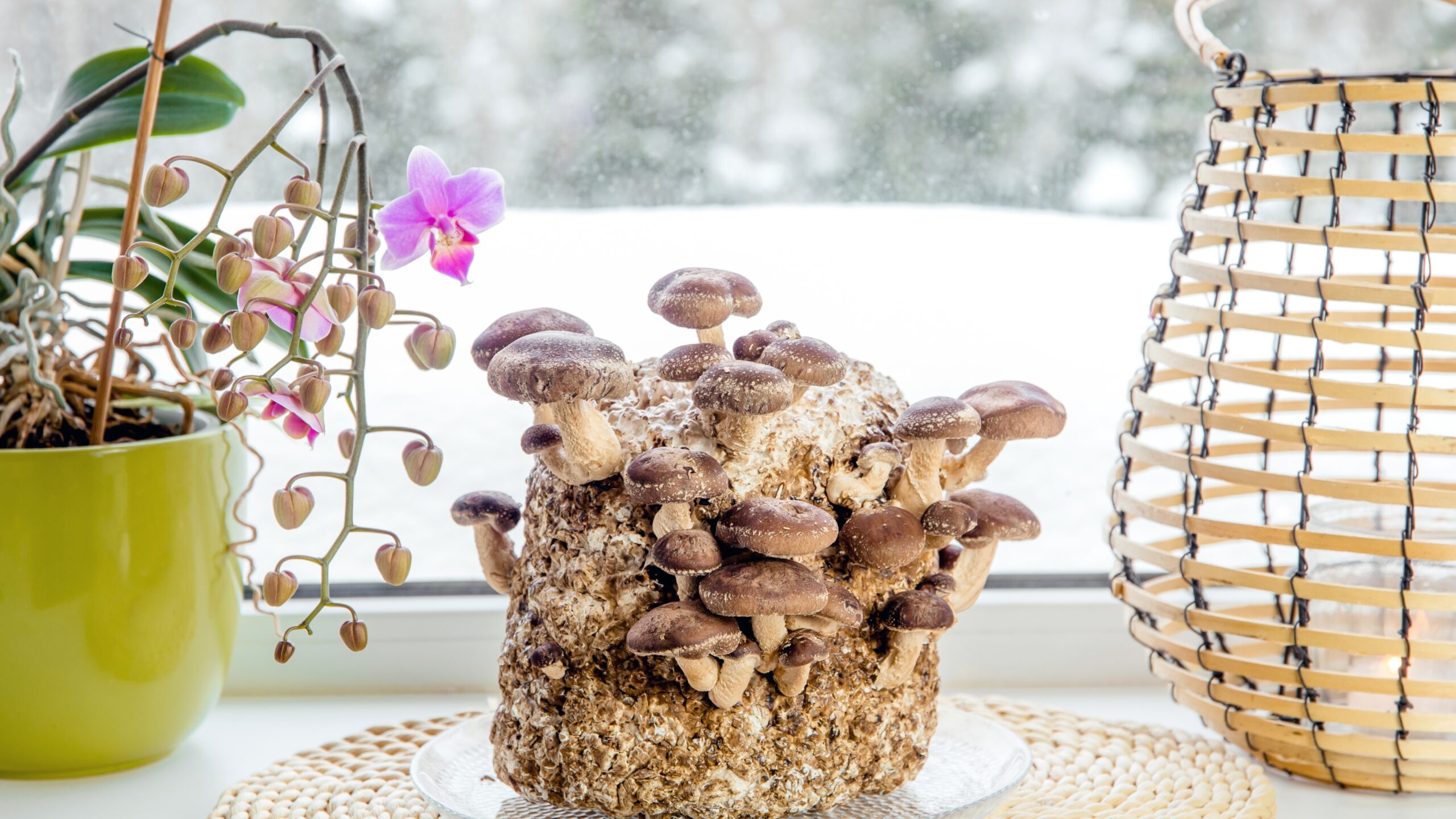
As functional mushrooms become more popular in wellness routines, people are also asking: how sustainable are they? The good news is—very. Cultivating mushrooms sustainably is not only possible, it’s common practice. Mushrooms are some of the most eco-friendly crops on Earth, needing far less space, water, and energy than most agricultural products. Even better, they can grow on waste materials like sawdust or coffee grounds.
In this post, we’ll explore the environmental benefits of mushroom cultivation, highlight sustainable growing practices, and share the tools you need to start growing your own mushrooms at home.
Why Mushrooms Are Naturally Sustainable
Cultivating mushrooms sustainably is one of the most eco-friendly approaches to agriculture. Mushrooms are among the most sustainable crops in the world. Unlike plants, they don’t rely on photosynthesis. Instead, they thrive on decomposing organic matter, turning waste into nutrition—making them incredibly efficient and ideal for low-impact farming.
Here’s what sets them apart:
- Low land use – Mushrooms grow vertically and in small spaces, often indoors. A single shelf can yield pounds of food.
- Minimal water needs – They require far less water than crops like rice or almonds, making them well-suited for water-scarce regions.
- No fertilizers or pesticides – Mushrooms feed off cellulose-rich material like straw, sawdust, or corn husks. Many species grow without added chemicals.
- Clean growing process – Their cultivation produces very little agricultural runoff or greenhouse gases.
Because of this, mushrooms are gaining traction not just in wellness circles but also in food systems focused on regenerative and circular agriculture. traits make mushrooms an ideal crop in a world seeking sustainable solutions for food and health.
Sustainable Practices in Modern Mushroom Farming
As mushroom demand grows, so does the push for eco-friendly production methods. Many commercial growers now embrace sustainability as a core principle.
Some common practices include:
- Reusing organic waste – Spent grain from breweries, sawdust from lumber mills, and even used coffee grounds become mushroom substrate.
- LED lighting and automation – Indoor farms often use low-energy lights and smart climate systems to reduce environmental impact.
- Composting spent substrate – After mushrooms fruit, the leftover material becomes nutrient-rich compost, closing the loop.
- Renewable energy – Some operations run partially or entirely on solar or wind power, reducing their carbon footprint.
These efforts make large-scale mushroom cultivation one of the least resource-intensive and most scalable ways to produce functional food and supplements.
Want to Grow Mushrooms at Home? Start with This Kit
If you’re ready to grow gourmet or functional mushrooms at home, the Shrooly® Indoor Mushroom Growing Kit is one of the most user-friendly options available. It’s ideal for beginners and enthusiasts alike—delivering fresh mushrooms in as little as 7–10 days.

Shrooly® Indoor Mushroom Growing Kit
Features:
Compatible with a wide range of mushroom types including Lion’s Mane, Oyster, and Reishi
Plug-and-grow system with automatic control of light, humidity, and fresh air
Sleek countertop design with app connectivity
Where to Buy: Amazon
Benefits:
- Grows mushrooms fast with minimal effort
- No prior experience or bulky equipment needed
- Helps you stay consistent with fresh, homegrown functional mushrooms
Where to Buy: Amazon
Best Add-Ons for Indoor Mushroom Growing
While the Shrooly® Indoor Mushroom Growing Kit handles most of the work for you, a few extra tools can take your setup to the next level. These add-ons help you harvest more efficiently, maintain cleanliness, and track your growing progress with ease.

Mushroom Harvesting Knife
Perfect for clean, precise cuts that preserve mushroom structure and reduce bruising.
Where to Buy: Amazon
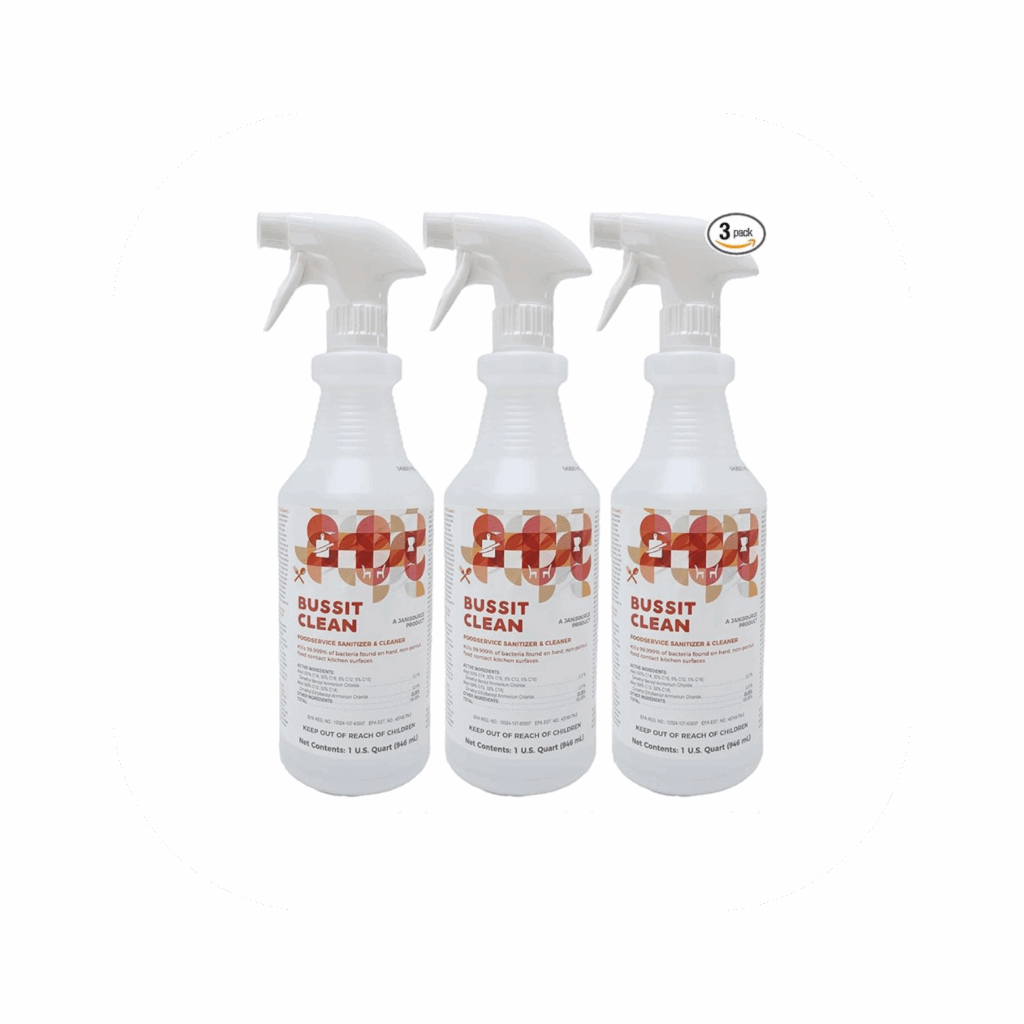
Food-Safe Sanitizing Spray
Keep your grow chamber clean and mold-free without using harsh chemicals.
Where to Buy: Amazon
Final Thoughts
Mushroom cultivation is more than just a trend—it’s a sustainable solution for food, supplements, and holistic health. Whether you’re sourcing high-quality mushroom products or growing your own at home, you’re actively participating in cultivating mushrooms sustainably and contributing to a more eco-conscious future.
At SafeShrooms.com, we’re passionate about mushrooms—from soil to supplement. Let’s grow with purpose.