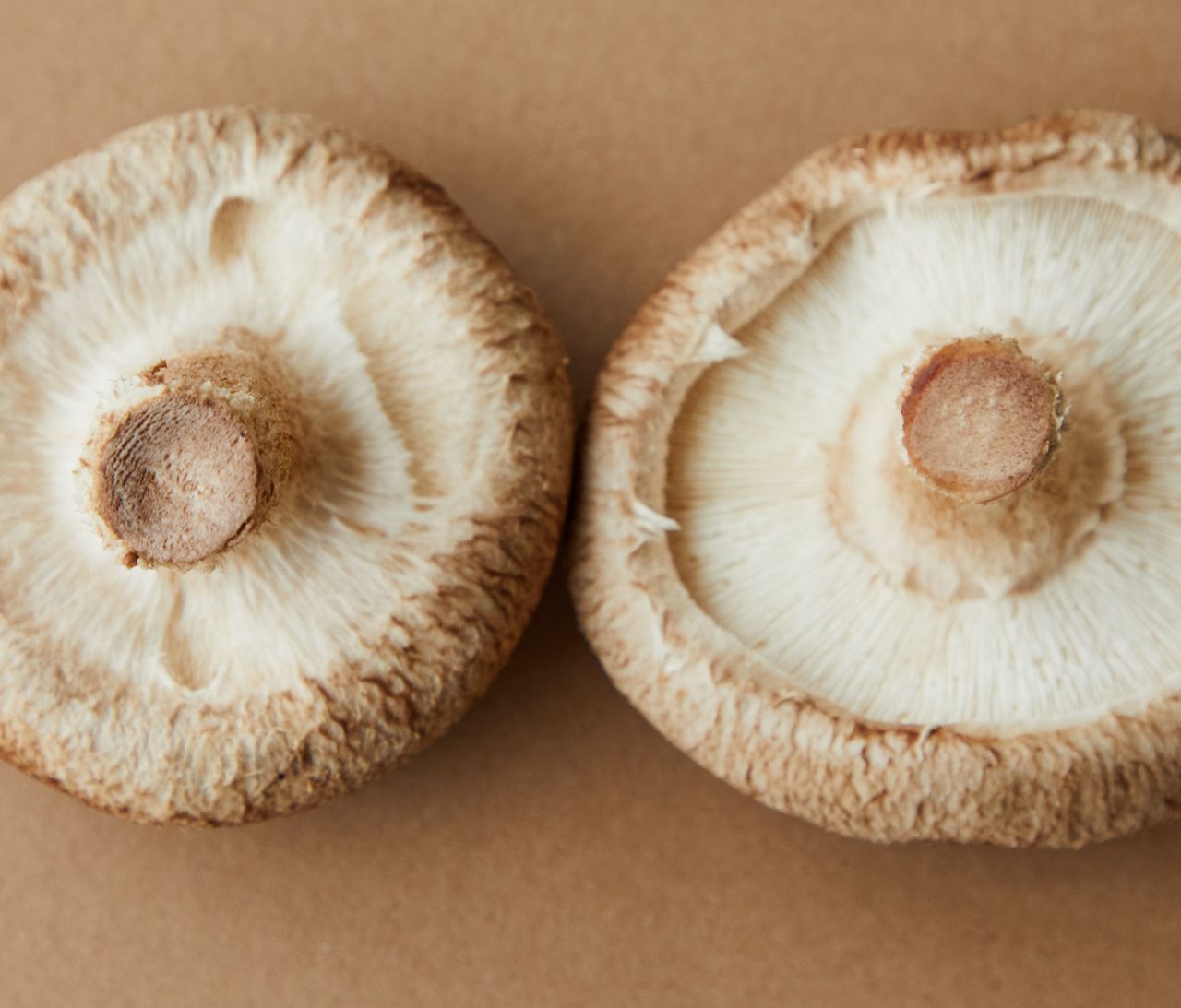
Shiitake (Lentinula edodes) is among the most widely consumed mushrooms in the world, valued first for its culinary properties and increasingly for its bioactive constituents. Beyond its savory flavor and nutritional profile, research suggests that shiitake contains several compounds, most notably beta-glucans, eritadenine, and lentinan, that may influence immune function, cardiovascular markers, and inflammatory responses. This overview covers what the science currently indicates, where evidence is stronger, and where gaps remain.
Nutritional Profile: More Than a Culinary Ingredient
Shiitake provides a meaningful range of nutrients relative to its caloric density. It is a source of dietary fiber, B vitamins including riboflavin, niacin, and pantothenic acid, as well as ergosterol, the precursor to vitamin D2 upon ultraviolet exposure. Dried shiitake concentrates these constituents and has been used medicinally in East Asian traditions for centuries.
From a functional standpoint, the most studied bioactive compounds in shiitake are:
- Lentinan: A beta-1,3/beta-1,6-glucan with documented immunostimulatory properties, studied particularly in the context of adjuvant cancer treatment in Japan.
- Eritadenine: An adenosine derivative that research indicates may influence lipid metabolism through effects on S-adenosylmethionine-dependent methyltransferase pathways.
- Beta-glucans: Polysaccharides shown in laboratory studies to interact with pattern recognition receptors on innate immune cells, particularly Dectin-1 on macrophages and dendritic cells.
Immune Function: Human Clinical Evidence
One of the stronger areas of shiitake research involves its effects on human immune parameters. A randomized dietary intervention conducted at the University of Florida enrolled 52 healthy adults aged 21 to 41 and asked participants to consume either 5 or 10 grams of dried Lentinula edodes daily for four weeks. At the end of the intervention period, participants showed a 60% increase in ex vivo proliferation of gamma-delta T cells (p less than 0.0001) and a twofold increase in NK-T cell proliferation compared to baseline. Both cell populations also demonstrated enhanced activation receptor expression, suggesting improved effector function. Secretory immunoglobulin A in saliva increased, indicating possible improvement in mucosal gut immunity. C-reactive protein, a marker of systemic inflammation, was reduced. The cytokine profile shifted toward a pattern characterized as less pro-inflammatory.[1]
This trial stands out in the functional mushroom literature because it used whole food consumption rather than isolated extracts, controlled for dietary intake, and measured multiple immune endpoints. The findings suggest that regular dietary inclusion of shiitake may support immune cell activity under physiological, rather than pharmacological, conditions.
Lentinan and Adjuvant Oncology Use
Lentinan, the beta-glucan fraction isolated from shiitake, has been studied most extensively in Japan as an adjuvant to chemotherapy for gastric cancer. A scoping review examining clinical evidence for medicinal mushrooms including shiitake found that studies reported potential benefits including prolonged overall survival in certain cancer populations, reduced chemotherapy-related adverse effects such as nausea and diarrhea, and maintenance of immune function and quality of life during treatment.[2] The reviewers noted that larger randomized controlled trials with standardized preparations are still needed before firm clinical recommendations can be made. Lentinan in this research context is administered as an intravenous preparation under medical supervision, which is distinct from dietary or oral supplemental forms available to consumers.
Cardiovascular and Lipid Markers
Shiitake’s eritadenine content has drawn interest for its potential to influence cholesterol and lipid metabolism. A double-blind, placebo-controlled clinical trial enrolled individuals with borderline-high cholesterol and provided either shiitake-based supplement bars or placebo over 66 days. Participants in the shiitake group showed a statistically significant 10% reduction in triglycerides (p = 0.0352) and improvements in oxidative stress markers, including increased reduced glutathione and reduced lipid peroxidation compared to controls. Total cholesterol changes were not statistically significant at the doses used. The authors noted that approximately 10% of participants developed dermatitis attributable to shiitake sensitivity, underscoring the importance of monitoring for allergic responses.[3]
These findings are consistent with earlier animal research demonstrating that eritadenine-enriched shiitake preparations can lower plasma cholesterol in rodent models, but the human evidence base remains limited to a small number of trials. Shiitake’s lipid effects, while plausible mechanistically, should not be extrapolated as a substitute for dietary or pharmaceutical lipid management.
Anti-Inflammatory Properties
Several components of shiitake, including its polysaccharides and phenolic compounds, have demonstrated anti-inflammatory activity in preclinical studies. Animal research has explored shiitake’s potential role in inflammatory conditions. A study examining both shiitake and white button mushrooms in a collagen-induced arthritis mouse model found that dietary supplementation with 5% lyophilized shiitake tended to reduce arthritis severity indices and was associated with reductions in plasma TNF-alpha of approximately 64% compared to controls, along with reduced joint tissue damage. The findings were preliminary and the effect fell short of conventional statistical significance thresholds for the primary arthritis index (p = 0.06), but the directional trend was consistent with an anti-inflammatory mechanism.[4]
As with most preclinical anti-inflammatory research, translating these findings to human populations requires further clinical investigation.
Antioxidant Activity and Cellular Safety
Shiitake contains phenolic compounds, ergothioneine, and selenium that may contribute to antioxidant capacity. A safety and cytotoxicity assessment of two shiitake strains (DMRO-34 and DMRO-356) evaluated their effects on HeLa and MCF-7 cancer cell lines in vitro and assessed in vivo safety in a rodent model at a limit dose of 5000 mg per kilogram of body weight. Both strains demonstrated no observable adverse effects in animal safety testing over 14 and 28 days. The DMRO-356 strain showed greater anti-proliferative effects in cancer cell lines compared to DMRO-34, suggesting that bioactive potential may vary between strains. The study’s authors concluded that shiitake may be safely incorporated into dietary supplements and functional foods, while noting that further in vivo efficacy work is needed to establish therapeutic mechanisms.[5]
Key Bioactive Compounds: A Summary
Beta-Glucan Content and Variability
Like other functional mushrooms, shiitake’s beta-glucan content varies with strain, cultivation method, and extraction approach. Research comparing shiitake and Lion’s Mane glucan profiles found that shiitake strains ranged from approximately 13% to 26% beta-glucan by dry weight depending on the strain tested. This variability matters when evaluating supplement products, as the potential immune-relevant activity is largely attributed to the beta-glucan fraction. For more information on how to interpret beta-glucan content on product labels, see our overview: How to Read a Mushroom Supplement Label: Beta-Glucans, Polysaccharides Explained.
Fruiting Body vs. Extract Forms
The clinical immune evidence reviewed above used whole dried shiitake in food form. Supplement products derive from fruiting body extracts, mycelium, or both, and may be standardized to lentinan or beta-glucan content. As with all functional mushroom supplements, standardized extract forms deliver different compound profiles than whole food consumption, and direct equivalence cannot be assumed.
Safety Considerations
Shiitake is generally well tolerated when consumed as food. The primary safety consideration identified in clinical research is a contact or ingestion-related dermatitis known as shiitake dermatitis, characterized by linear wheal-like eruptions, which has been documented in individuals consuming raw or undercooked shiitake. The clinical trial above noted a roughly 10% rate of this reaction among supplement bar users. Thorough cooking appears to reduce this risk. Individuals with mushroom allergies should exercise appropriate caution with shiitake supplements, and those taking anticoagulant, immunosuppressive, or lipid-lowering medications should consult a healthcare provider before adding high-dose shiitake extracts to their regimen.
Summary
Research suggests that shiitake mushroom may support immune cell activity, contribute to favorable lipid and antioxidant markers, and carry anti-inflammatory properties, with the immune evidence representing the most well-supported area in human clinical data. Its bioactive compounds, particularly beta-glucans, eritadenine, and lentinan, provide plausible mechanistic explanations for these effects. As with other functional mushrooms, shiitake is not a replacement for evidence-based medical interventions, and individuals managing chronic health conditions should discuss supplementation with a qualified healthcare provider before beginning use.
References
- Dai X, et al. Consuming Lentinula edodes (Shiitake) Mushrooms Daily Improves Human Immunity: A Randomized Dietary Intervention in Healthy Young Adults. J Am Coll Nutr. 2015;34(6):478-87. PMID 25866155
- Dan A, et al. Therapeutic Effects of Medicinal Mushrooms on Gastric, Breast, and Colorectal Cancer: A Scoping Review. Cureus. 2023;15(4):e37574. PMID 37193480
- Spim SRV, et al. Effects of Shiitake Culinary-Medicinal Mushroom, Lentinus edodes (Agaricomycetes), Bars on Lipid and Antioxidant Profiles in Individuals with Borderline High Cholesterol: A Double-Blind Randomized Clinical Trial. Int J Med Mushrooms. 2021;23(7):1-12. PMID 34375514
- Chandra L, et al. White button and shiitake mushrooms reduce the incidence and severity of collagen-induced arthritis in dilute brown non-agouti mice. J Nutr. 2011;141(1):131-6. PMID 21106932
- Makkar S, et al. Safety assessment and in vitro cytotoxicity profiling of fruiting bodies from Lentinula edodes (shiitake) strains in HeLa and MCF-7 cell lines. Sci Rep. 2025;15(1):43968. PMID 41360865
Disclaimer: The information in this article is intended for educational purposes only and does not constitute medical advice. Mushroom supplements are not intended to diagnose, treat, cure, or prevent any disease. Consult a qualified healthcare professional before adding any supplement to your routine.