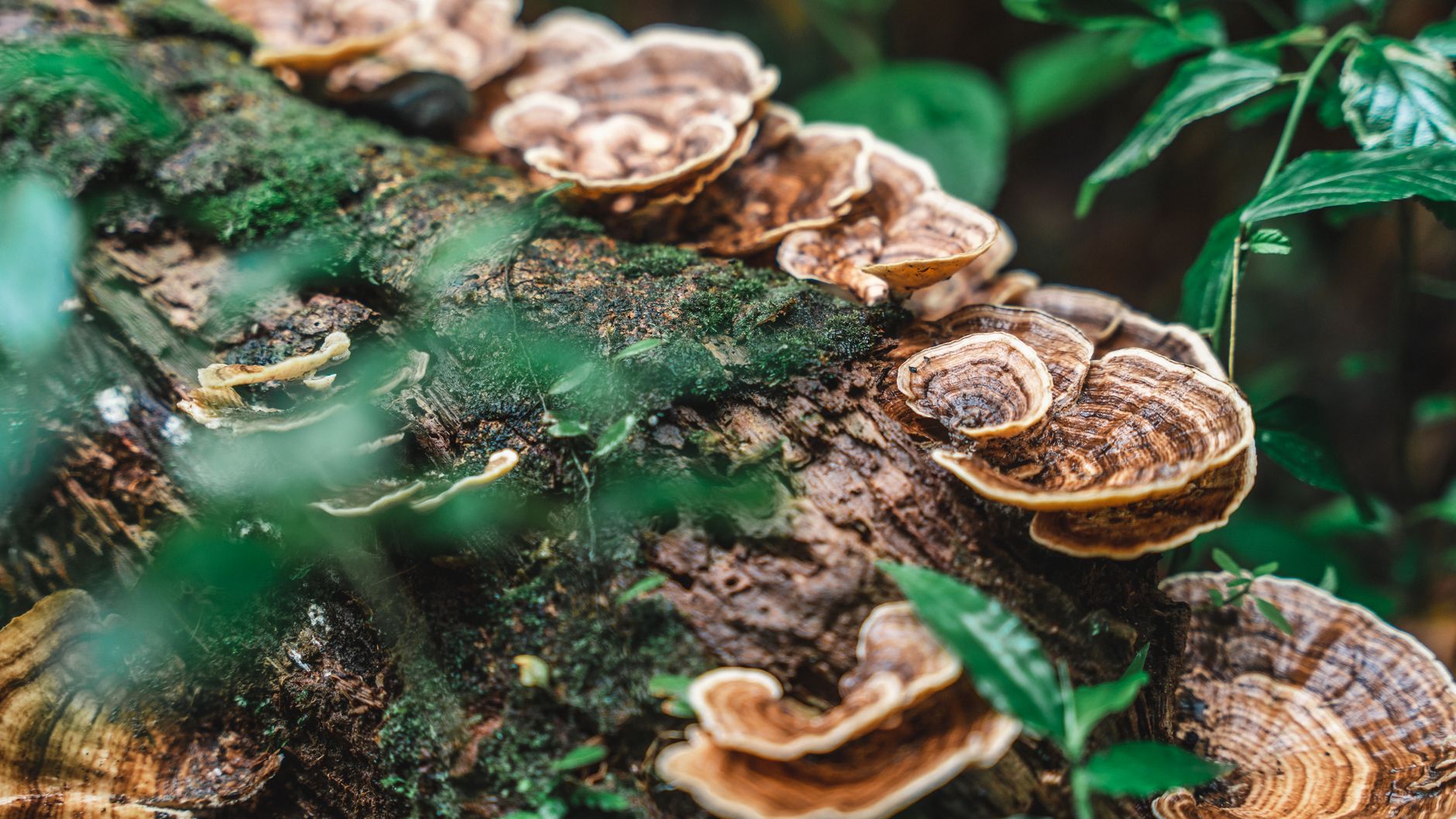
Chaga (Inonotus obliquus) is a parasitic fungus that grows predominantly on birch trees in cold northern climates. Used for centuries in Siberian and Eastern European folk traditions, it has attracted growing scientific interest in recent decades. Among the areas researchers have explored is the potential for chaga extracts to support liver function and protect against certain forms of hepatic stress. This article reviews what the current evidence shows, where the research remains limited, and what that means practically.
What Makes Chaga Relevant to Liver Health?
Chaga contains a range of bioactive compounds that researchers believe may contribute to its observed biological effects. These include polysaccharides (particularly beta-glucans), triterpenoids such as betulinic acid and inotodiol, polyphenols, and melanin-like pigments. Several of these compounds have been studied individually for antioxidant and anti-inflammatory properties, both of which are relevant in the context of liver stress and hepatocellular damage.[1]
The liver is particularly susceptible to oxidative stress. When reactive oxygen species overwhelm the liver’s antioxidant defenses, cellular damage can follow. A number of chaga studies have examined whether its extracts may help buffer this process, either by scavenging free radicals directly or by modulating antioxidant enzyme activity. For a broader look at chaga’s antioxidant profile, see our article on Chaga and Oxidative Stress.
Preclinical Evidence on Hepatoprotective Effects
Most of the available research on chaga and liver health comes from preclinical models, meaning studies conducted in cell cultures or laboratory animals. These studies are useful for generating hypotheses, but they do not confirm that the same effects occur in humans at comparable exposures.
Water Extracts and Oxidative Liver Injury
One study published in the International Journal of Medicinal Mushrooms examined a water extract of Inonotus obliquus in primary cultured rat hepatocytes exposed to tert-butyl hydroperoxide (t-BHP), a compound used to induce oxidative liver damage in vitro. Pretreatment with the chaga water extract significantly reduced cellular leakage of alanine aminotransferase (ALT), aspartate aminotransferase (AST), and lactate dehydrogenase (LDH), along with malondialdehyde (MDA) formation, which is a marker of lipid peroxidation. The authors concluded that the extract exhibited hepatoprotective activity against oxidative injury under these conditions.[2]
ALT and AST are enzymes that, when elevated in blood or cell media, typically signal hepatocellular stress or damage. The reduction in these markers following chaga extract pretreatment is considered a relevant indicator of hepatoprotective potential, though again, these findings are from a cell model rather than a human trial.
Polysaccharide Fractions and Chemically Induced Liver Injury
A study published in the Pakistan Journal of Pharmaceutical Sciences investigated the effects of polysaccharide fractions from Phaeoporus obliquus (a name used interchangeably with Inonotus obliquus in some literature) in mouse models of liver injury induced by carbon tetrachloride (CCl4) and alcohol, two widely used experimental models of acute hepatotoxicity. Mice treated with the polysaccharide fraction showed significantly reduced liver enzyme levels (ALT, AST, alkaline phosphatase), lower MDA content, decreased levels of the inflammatory cytokine TNF-alpha, and increased activity of superoxide dismutase (SOD), an endogenous antioxidant enzyme. Histological examination showed reduced hepatocyte necrosis in treated animals compared to untreated controls.[3]
These findings suggest that chaga polysaccharides may modulate both oxidative and inflammatory pathways involved in acute liver injury. However, CCl4 and alcohol models represent acute, high-dose insults that may not reflect the chronic low-level conditions relevant to most human liver health concerns.
Polysaccharides and Infection-Related Liver Injury
A separate study examined Inonotus obliquus polysaccharide (IOP) in a mouse model of liver injury caused by Toxoplasma gondii infection. Treated animals showed decreased ALT and AST levels, reduced oxidative stress markers, and lower levels of pro-inflammatory cytokines including TNF-alpha and IL-6. The researchers proposed that the polysaccharide fraction may exert its effects in part through the Nrf2/HO-1 signaling pathway, which plays a role in regulating cellular antioxidant responses.[4]
Key Bioactive Compounds Under Investigation
Beyond polysaccharides, chaga contains a range of other compounds that researchers have identified as potentially relevant to liver biology. Betulinic acid, derived partly from the birch bark on which chaga grows, has been studied for anti-inflammatory and antiproliferative properties in preclinical models. Triterpenoids and polyphenols found in the sclerotia (the dense mass that forms the visible chaga “conk”) have been characterized for antioxidant activity in multiple assays.[1]
The melanin-like compounds in chaga are also a subject of ongoing interest. These pigments, which give chaga its characteristic dark exterior, have demonstrated free radical scavenging activity in laboratory assays, which may be relevant to reducing oxidative burden on hepatic tissue.
Important Limitations and Safety Considerations
While the preclinical findings are noteworthy, several limitations are important to understand before drawing clinical conclusions:
- No human clinical trials. To date, there are no published randomized controlled trials examining chaga’s effects on liver function in human subjects. All hepatoprotective findings come from cell or animal models.
- Oxalate content. Chaga contains significant amounts of oxalates. High intake has been associated with oxalate nephropathy in case reports. Individuals with kidney disease, a history of kidney stones, or those consuming chaga in large quantities over extended periods should exercise particular caution.
- Potential drug interactions. Chaga may interact with anticoagulants and blood sugar-lowering medications based on its observed pharmacological activity in preclinical studies. Anyone taking such medications should consult a healthcare provider before use.
- Variation in products. Commercial chaga products vary substantially in how they are processed and what compounds are retained. Hot water extracts, alcohol extracts, and raw powder differ in their bioactive profiles.
What the Evidence Does and Does Not Show
Research suggests that certain chaga extracts, particularly water-soluble polysaccharide fractions, may support liver cell resilience against oxidative and inflammatory stressors in preclinical settings. Studies indicate that markers of hepatocellular damage are reduced following chaga extract pretreatment in several animal models of acute liver injury. These findings are consistent with chaga’s broader antioxidant and anti-inflammatory profile as documented in the literature.[1]
However, it would not be accurate to characterize chaga as a treatment for liver disease or a clinically validated hepatoprotective agent. The absence of human trial data means the translation of these findings to practical benefit remains speculative. Anyone with existing liver conditions should not rely on chaga supplements as a substitute for medical care.
Summary
Chaga mushroom contains a diverse array of bioactive compounds that have shown hepatoprotective activity in cell and animal models, particularly in the context of oxidative and chemically induced liver stress. The primary mechanisms studied include antioxidant enzyme upregulation, lipid peroxidation reduction, and anti-inflammatory cytokine modulation. Human clinical data is currently lacking, and significant safety considerations around oxalate content and drug interactions are relevant. For those interested in chaga’s broader health properties, it remains one of the more thoroughly studied functional mushrooms at the preclinical level, though clinical translation is still in early stages.
References
- 1. Ern PTY, et al. Therapeutic properties of Inonotus obliquus (Chaga mushroom): A review. Mycology. 2024;15(2):144-161. PMID 38813471
- 2. Hong KB, et al. Hepatoprotective Activity of Water Extracts from Chaga Medicinal Mushroom, Inonotus obliquus Against Tert-Butyl Hydroperoxide-Induced Oxidative Liver Injury in Primary Cultured Rat Hepatocytes. Int J Med Mushrooms. 2015;17(11):1069-76. PMID 26853962
- 3. Lei Z, et al. Protective effect of Phaeoporus obliquus polysaccharide against acute liver injury induced by carbon tetrachloride and alcohol in mice. Pak J Pharm Sci. 2021;34(2):649-656. PMID 34275842
- 4. Xu L, et al. The polysaccharide from Inonotus obliquus protects mice from Toxoplasma gondii-induced liver injury. Int J Biol Macromol. 2019;125:1-8. PMID 30445083
Disclaimer: This article is for informational purposes only and does not constitute medical advice. Functional mushroom supplements are not intended to diagnose, treat, cure, or prevent any disease. Consult a qualified healthcare provider before using any supplement, particularly if you have a medical condition or take prescription medications.