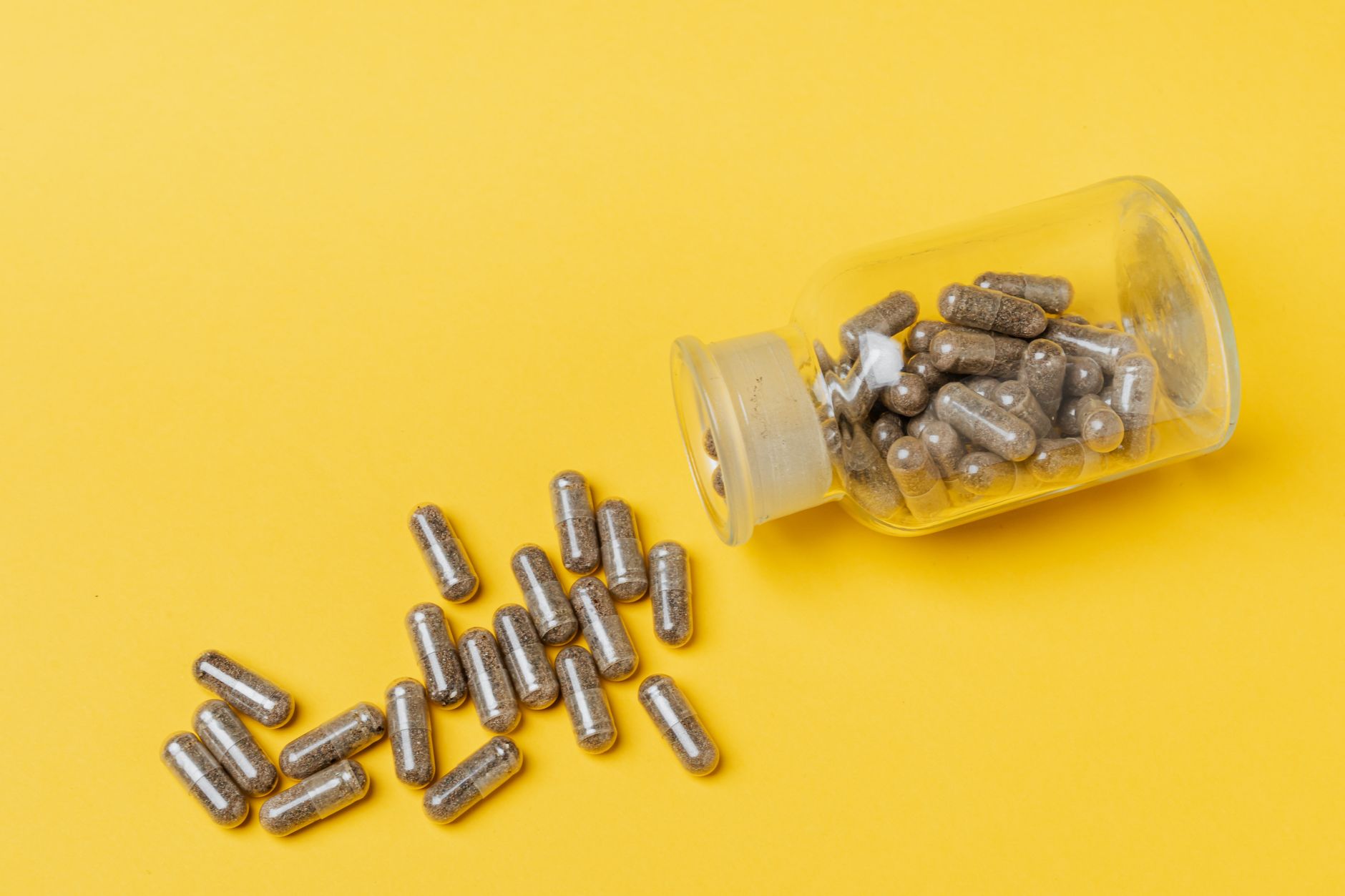
Functional mushrooms are increasingly consumed not as single-ingredient supplements but as combined formulations, sometimes called “stacks.” The rationale is that different species carry distinct bioactive profiles, and pairing complementary mushrooms may address multiple physiological targets simultaneously. While direct clinical evidence on stacking protocols remains limited, a growing body of research on individual species and a handful of multi-mushroom studies offer useful context for understanding what these combinations might accomplish.
What Does “Stacking” Mean in the Mushroom Context?
A mushroom stack refers to the intentional combination of two or more functional mushroom species, either in a single product or taken as separate supplements in parallel. The concept borrows from nootropic and sports nutrition communities, where stacking multiple compounds that target different mechanisms is a common strategy. In functional mushroom use, stacks are typically assembled around a wellness goal: cognitive support, immune function, energy, stress resilience, or some combination of these.
The premise is not simply “more is better.” Rather, it rests on the idea that mushrooms like Lion’s Mane, Reishi, Cordyceps, and Turkey Tail each carry specific bioactive compound classes, and these may act through different but potentially synergistic pathways. A review published in Nutrients examined aqueous extracts of Grifola frondosa (maitake) and Hericium erinaceus (lion’s mane) in combination and found that both species contributed to anti-aging and neuroprotective effects in yeast and Drosophila models, with the neuroprotective activity appearing across both species rather than being limited to one.[1]
Commonly Paired Combinations and the Research Behind Them
Lion’s Mane + Cordyceps (Cognitive Focus and Energy)
This is perhaps the most frequently marketed pairing. Lion’s Mane (Hericium erinaceus) is best studied for its potential influence on nerve growth factor (NGF) and brain-derived neurotrophic factor (BDNF) synthesis, mediated through compounds called hericenones and erinacines. A 2023 study published in the Journal of Neurochemistry identified hericerin derivatives that activated a pan-neurotrophic pathway in hippocampal neurons, resulting in enhanced spatial memory in mice, an effect the researchers attributed to ERK1/2 signaling independent of TrkB.[2]
Cordyceps, on the other hand, is more associated with cellular energy metabolism and aerobic capacity. Its primary bioactive, cordycepin (3′-deoxyadenosine), is thought to influence ATP synthesis pathways and mitochondrial function. A 2024 analysis of bioactive compounds in coffee formulated with Cordyceps militaris and H. erinaceus confirmed that the two species carry largely non-overlapping bioactive profiles: Cordyceps contributed significantly to phenolic content while H. erinaceus provided distinct mineral and neuroactive compounds, supporting the rationale that combining them addresses different biological targets.[3]
Cordyceps + Reishi (Exercise Performance and Recovery)
The combination of Cordyceps and Reishi (Ganoderma lucidum) has been evaluated in at least one human clinical study. A trial published in the International Journal of Medicinal Mushrooms tested a commercial supplement combining Ophiocordyceps sinensis and G. lucidum in 96 healthy young participants over 28 to 33 days. Outcome measures included VO2max, aerobic and anaerobic power, and physiological responses during maximal exercise. Results were mixed: no significant improvements in VO2max or peak anaerobic power were observed, though a borderline reduction in resting heart rate was noted in treated groups. The authors concluded that this specific dual-mushroom formulation did not meaningfully alter maximal exercise parameters at the tested doses.[4] This is a useful data point: it illustrates that combining mushrooms does not automatically produce additive or synergistic effects, and that extract quality, dosing, and study design all matter.
A separate meta-analysis published in Frontiers in Nutrition reviewing fungal supplementation in athletes found that Cordyceps and Ganoderma appeared to improve different physiological parameters independently, with Cordyceps showing significant effects on VO2peak and ventilatory threshold, and Ganoderma reducing blood urea nitrogen and lactate. The authors suggested both may serve as ergogenic aids but appear to act via different mechanisms.[5] Whether combining them produces synergy beyond their individual contributions has not been rigorously established in controlled trials.
Lion’s Mane + Reishi (Cognitive and Stress Support)
Reishi carries a distinct profile dominated by triterpenes (ganoderic acids) and beta-glucan polysaccharides. Its potential immunomodulatory and adaptogenic properties are well-reviewed, though human evidence for stress reduction specifically remains limited. Lion’s Mane, as discussed, is primarily associated with neurotrophic support. The pairing is theoretically constructed around addressing both the neurochemical environment (lion’s mane supporting NGF/BDNF) and the physiological stress response (reishi through potential HPA axis modulation). Current evidence for this specific combination in humans is largely indirect, drawn from individual species studies.
Beta-Glucan Overlap: Does It Matter?
A practical consideration when building mushroom stacks is that many species share a core bioactive class: beta-(1,3/1,6)-glucans. These polysaccharides are responsible for a significant portion of the immune-modulating activity observed across species including Reishi, Turkey Tail, Chaga, Lion’s Mane, and Cordyceps. Taking multiple mushrooms simultaneously means you may be consuming overlapping amounts of similar compounds. Whether this results in additive benefit, diminishing returns, or receptor saturation at the immune level is not yet well-characterized in humans. This is one reason why reading supplement labels carefully, as discussed in our article on understanding beta-glucans and polysaccharides on mushroom labels, may be especially important when combining products.
Timing and Format Considerations
Most functional mushroom research has examined single-species supplements taken at consistent daily doses over periods ranging from two to twelve weeks. Very little research has examined whether timing matters (morning versus evening, with or without food) or whether certain mushroom compounds interact with each other when ingested simultaneously. Some practitioners suggest taking energizing mushrooms like Cordyceps in the morning and potentially sedating or calming ones like Reishi in the evening, though this scheduling is based on anecdotal reasoning rather than clinical data.
What the Evidence Supports (and What It Does Not)
The current state of research on mushroom stacks can be summarized as follows:
- Individual species like Lion’s Mane, Cordyceps, and Reishi each have meaningful peer-reviewed evidence for specific effects in cell, animal, or human studies.
- A limited number of studies have examined multi-mushroom combinations, and results are mixed. One human trial found no significant effect of a Cordyceps plus Reishi combination on exercise performance metrics.
- Research in model organisms suggests that combining neuroprotective mushrooms (e.g., maitake and lion’s mane) may engage complementary pathways, but this has not been translated into robust clinical evidence in humans.
- There is no established evidence base for the optimal combination ratios, total daily amounts, or long-term safety of mushroom stacking protocols.
For individuals considering multi-mushroom formulations, it may be worth discussing options with a healthcare provider, particularly for those who take medications or have underlying conditions, as some mushroom compounds may influence immune function and drug metabolism.
References
- 1. Tripodi F, et al. Anti-Aging and Neuroprotective Properties of Grifola frondosa and Hericium erinaceus Extracts. Nutrients. 2022;14(20):4368. PMID: 36297052
- 2. Martínez-Mármol R, et al. Hericerin derivatives activates a pan-neurotrophic pathway in central hippocampal neurons converging to ERK1/2 signaling enhancing spatial memory. J Neurochem. 2023;165(6):791-808. PMID: 36660878
- 3. Kała K, et al. Coffee with Cordyceps militaris and Hericium erinaceus Fruiting Bodies as a Source of Essential Bioactive Substances. Pharmaceuticals (Basel). 2024;17(7):955. PMID: 39065803
- 4. Tsuk S, et al. Effects of a Commercial Supplement of Ophiocordyceps sinensis and Ganoderma lucidum on Physiological Responses to Maximal Exercise in Healthy Young Participants. Int J Med Mushrooms. 2018;20(4):359-367. PMID: 29953396
- 5. Shu MY, et al. Effects of fungal supplementation on endurance, immune function, and hematological profiles in adult athletes: a systematic review and meta-analysis. Front Nutr. 2025;12:1670416. PMID: 41280379
Disclaimer: This article is for informational purposes only and does not constitute medical advice. Functional mushroom supplements are not intended to diagnose, treat, cure, or prevent any disease. Consult a qualified healthcare professional before beginning any new supplement regimen.