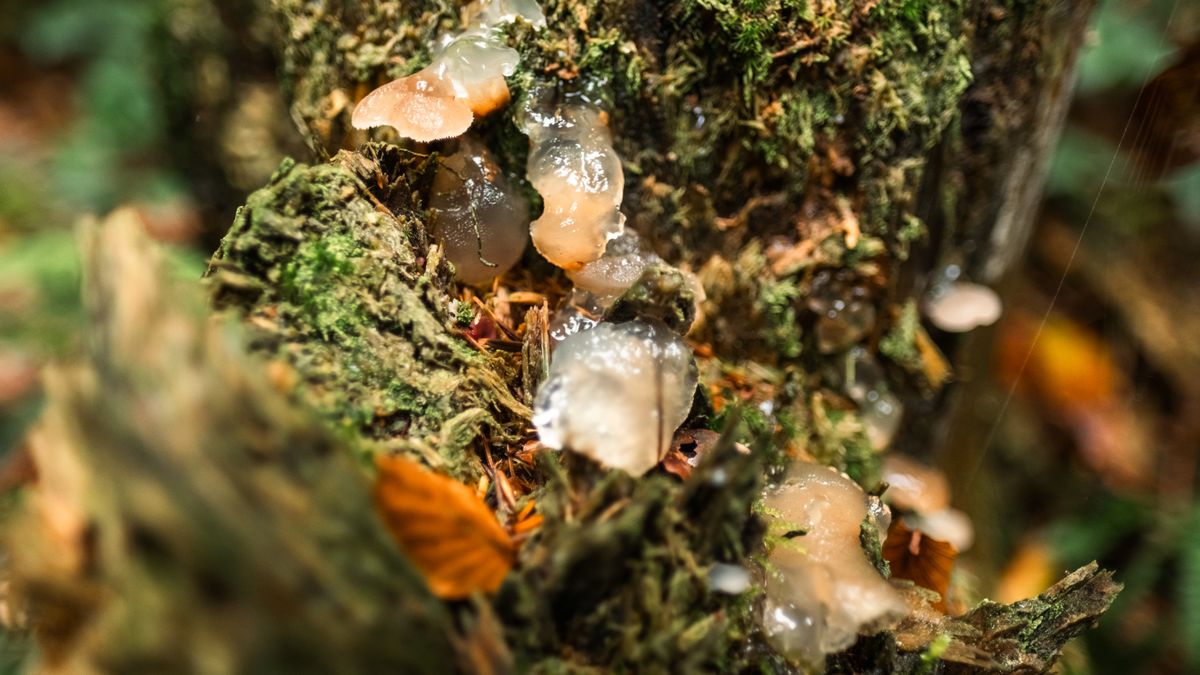
Snow fungus, snow mushroom, white jelly mushroom, silver ear fungus, and Tremella: these names appear on product labels, traditional medicine texts, and food packages, often interchangeably and sometimes confusingly. For anyone evaluating functional mushroom supplements or simply trying to understand what they are eating, the question of whether these terms refer to one species or several is worth addressing directly.
The short answer is that snow fungus and Tremella are, in most common usage, the same species: Tremella fuciformis Berk. The longer answer involves some nuance about taxonomy, related species, and why different markets use different names for what is, at its core, the same organism.
Taxonomy and Naming
Tremella fuciformis is a basidiomycete fungus in the class Tremellomycetes. It is classified as a jelly fungus because its fruiting body has a gelatinous, translucent texture that distinguishes it visually and texturally from most cultivated edible mushrooms. The genus Tremella contains more than 100 described species, but T. fuciformis is by far the most commercially and medicinally significant.
Common names in use across different regions and contexts include:
- Snow fungus / snow mushroom — English-language common names, widely used in cosmetics, food, and supplement marketing
- White jelly mushroom — descriptive English term used in some scientific literature
- Silver ear fungus — used in some East Asian markets, particularly in reference to dried forms
- Bai Mu Er (白柔经) — Mandarin Chinese name meaning “white wood ear,” used in Traditional Chinese Medicine
- Tremella — shorthand for T. fuciformis, used in supplement branding in Western markets
All of these terms, in practical contexts, refer to Tremella fuciformis. There is no biologically distinct “snow fungus” species that differs from Tremella in a meaningful way for health or supplement purposes. The variation in naming reflects regional, commercial, and linguistic differences rather than separate species.
What Makes Tremella fuciformis Distinctive?
Tremella fuciformis grows as a parasite on the mycelium of other fungi, particularly species of Annulohypoxylon and related genera that colonize broadleaf trees. Its fruiting body forms irregular, lobed, gelatinous clusters that are cream-white to pale yellow when fresh and shrink dramatically when dried. In traditional East Asian cuisine, both fresh and dried forms are used in soups, desserts, and tonic preparations.
The mushroom has a very high water-binding capacity due to its polysaccharide content. This characteristic is central to both its culinary properties and its emerging role in cosmetics and functional food research. Its polysaccharides are structurally distinct from beta-glucans found in most other functional mushrooms: they are highly branched, negatively charged, and contain a significant proportion of acidic sugars (glucuronic acid), which may contribute to their notable water-retention properties.
Skin Hydration: The Most Documented Human Application
The most clinically supported application of T. fuciformis is in skin hydration, which aligns with its long history of use as a beauty food in East Asian traditions. A study published in the Journal of Cosmetic Dermatology investigated a snow mushroom polysaccharide extract formulated into an alcohol-based hand sanitizer gel. In a controlled evaluation involving 20 human volunteers, the snow mushroom preparation significantly improved skin moisture retention compared to placebo at all measurement intervals through 180 minutes, without causing irritation. The researchers confirmed the preparation retained its antiseptic function while delivering measurable moisturizing benefit from the Tremella polysaccharide fraction.[1]
This finding is consistent with the broader understanding of Tremella polysaccharides as hygroscopic agents. Their molecular architecture allows them to bind and hold water molecules more efficiently than hyaluronic acid by weight, which has made them a target of cosmetic ingredient research. However, it is important to distinguish between topical application of extracted polysaccharides and the effects of orally consumed whole mushroom or supplement preparations, which involve different routes of absorption and bioavailability.
Gut and Prebiotic Activity
A separate and growing area of Tremella research concerns the fate of its polysaccharides in the gastrointestinal tract. Research published in Food Research International examined exopolysaccharides produced by T. fuciformis through submerged fermentation and found they were largely indigestible during simulated gastric and small intestinal digestion, meaning they arrived in the colon largely intact. Once reaching the large intestine, however, these polysaccharides were fermented by gut microbiota, leading to measurable changes in bacterial composition: including increases in Parabacteroides and Bacteroides, a reduction in the Firmicutes-to-Bacteroidetes ratio, increased short-chain fatty acid production, and enrichment of lipid and glycan metabolism pathways.[2]
These findings suggest that Tremella polysaccharides may function as prebiotic substrates when consumed orally, supporting beneficial bacterial populations and producing metabolic byproducts with documented health relevance. This line of research is still developing, and whether commercially available Tremella supplements retain similar prebiotic properties after extraction and processing is not yet well characterized.
Neuroprotection and Stress: Emerging Evidence
More recent research has begun to examine whether T. fuciformis extracts may support neurological resilience. A 2025 preclinical study published in Nutrients investigated enzymatic extracts of Tremella fuciformis in a mouse chronic restraint stress model. Oral administration of the extract was associated with reductions in stress-related behavioral markers including immobility and anxiety-like behavior, normalization of serum corticosterone levels, and upregulation of brain-derived neurotrophic factor (BDNF) mRNA in the hippocampus. The extracts also demonstrated inhibition of monoamine oxidase-A (MAO-A) activity in vitro, a mechanism associated with mood regulation. The authors concluded that these findings support the neuroprotective and anti-stress potential of Tremella fuciformis enzymatic extracts, though they note this was a preclinical study requiring human confirmation.[3]
This is an early but mechanistically interesting area of Tremella research. BDNF is involved in neuronal plasticity and has been linked to resilience to stress-related conditions. The finding that Tremella extracts may influence BDNF expression and MAO activity positions it as a functional mushroom with potential neurological relevance, though clinical studies in humans are needed before practical conclusions can be drawn.
How Tremella Compares to Other Functional Mushrooms
Within the functional mushroom landscape, Tremella occupies a niche that is distinct from more heavily studied immune-focused species like Turkey Tail, Chaga, or Reishi. Its polysaccharide structure differs significantly from the beta-1,3/1,6-glucans that drive most of the immune research in other species. Tremella’s acidic heteropolysaccharides are better characterized in the context of skin biology and gut fermentation than in classical immunomodulation.
This does not make it less relevant, only differently relevant. Its strongest evidence base is in skin hydration, where at least some human data exists. Its gut microbiota and neuroprotective properties are supported by credible preclinical research. For those interested in how these polysaccharide differences show up on supplement labels and why they matter, our overview of Tremella’s documented science-backed benefits covers the bioactive profile in more detail.
Supplement Considerations
When evaluating Tremella supplements, several practical points are worth noting:
- Source material matters: Fruiting body extracts and mycelial preparations may differ in polysaccharide content and molecular weight distribution. Research has been conducted on both, and the findings do not always extrapolate between them.
- Naming consistency: Labels using “snow fungus,” “Tremella,” or “Tremella fuciformis” are all referring to the same species. Scrutinize for species name confirmation rather than relying on marketing names alone.
- Cosmetic vs. dietary: The skin hydration evidence is strongest for topical application of extracted polysaccharides. Whether oral supplementation achieves comparable skin effects depends on bioavailability factors not yet fully characterized in human trials.
- Safety profile: Tremella has a long history of culinary use with a well-established safety record. No significant adverse effects have been reported at typical food or supplement intakes. Individuals on immunomodulating medications should consult a healthcare provider before beginning any new functional mushroom regimen.
Summary
Snow fungus and Tremella are the same species: Tremella fuciformis. The variation in names reflects marketing, regional tradition, and language rather than any biological distinction. Its polysaccharides are structurally unique among functional mushrooms, and research suggests they may support skin hydration, gut microbiota diversity, and neurological resilience, though the strongest human evidence currently exists in the skin hydration domain. As with all functional mushrooms, evaluating claims against the actual evidence base, rather than the label name, is the most reliable approach.
References
- 1. Lourith N, Pungprom S, Kanlayavattanakul M. Formulation and efficacy evaluation of the safe and efficient moisturizing snow mushroom hand sanitizer. J Cosmet Dermatol. 2021;20(2):554-560. PMID: 32531816
- 2. Fang Y, et al. In vitro digestion and fecal fermentation of Tremella fuciformis exopolysaccharides from basidiospore-derived submerged fermentation. Food Res Int. 2024;196:115019. PMID: 39614542
- 3. Moon G, et al. Anti-Stress Effects of Tremella fuciformis Berk. Enzymatic Extracts: A Preclinical Study. Nutrients. 2025;17(5):914. PMID: 40077789
Disclaimer: This article is for informational purposes only and does not constitute medical advice. Functional mushroom supplements have not been evaluated by the FDA for the diagnosis, treatment, cure, or prevention of any disease. Consult a qualified healthcare provider before beginning any new supplement regimen, especially if you are taking medications or have an existing health condition.