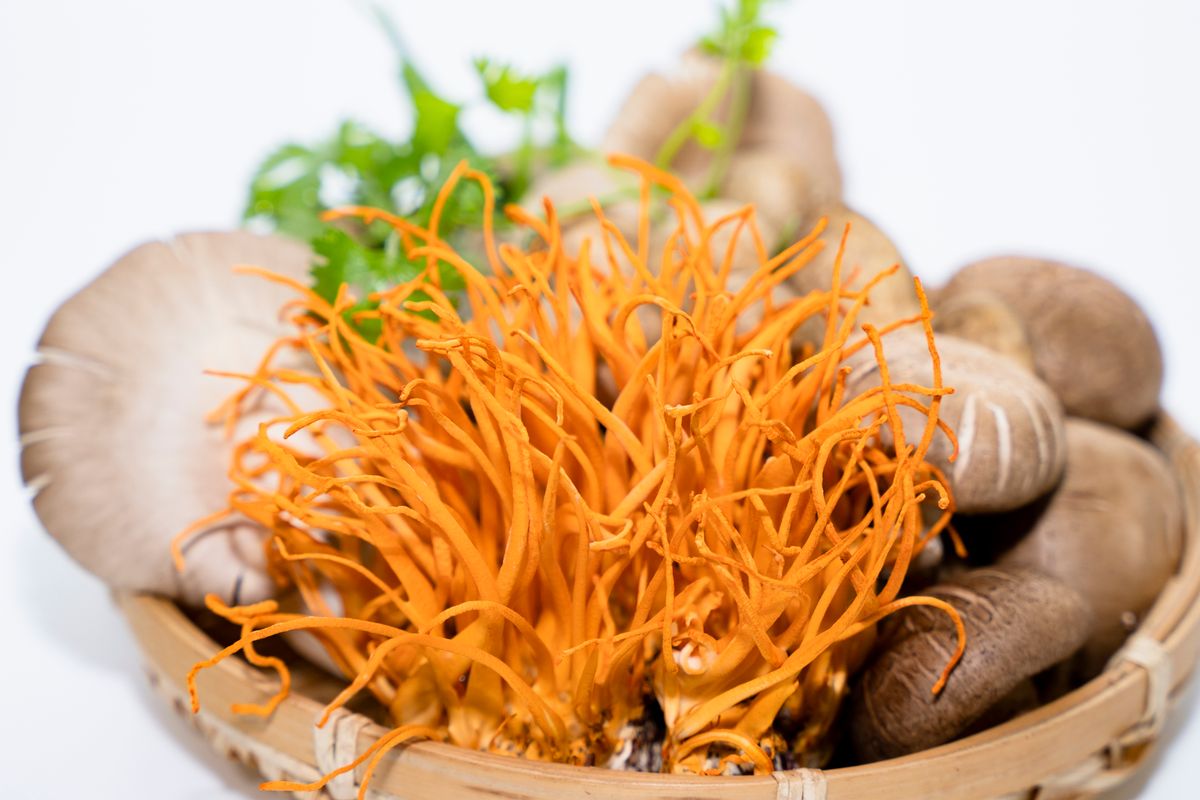
Cordyceps has a long history of use in traditional East Asian medicine, where it was prescribed to address fatigue, low libido, and what practitioners described as diminished vitality. In contemporary research, scientists have begun examining whether the bioactive compounds in Cordyceps militaris and related species may influence hormonal parameters and aspects of reproductive function. The findings, while largely preclinical, offer a basis for cautious interest.
The Active Compounds Behind the Research
The primary bioactive compound studied in this context is cordycepin (3′-deoxyadenosine), a nucleoside analogue found in substantial concentrations in Cordyceps militaris. Cordycepin has been shown in laboratory models to modulate inflammatory signaling pathways, influence cellular energy metabolism via adenosine receptors, and interact with downstream hormonal cascades. Polysaccharides and adenosine also contribute to the pharmacological profile of Cordyceps extracts, though cordycepin remains the most studied compound in reproductive contexts.
Sperm Quality and Testosterone: Preclinical Evidence
One frequently cited animal study examined the effects of Cordyceps militaris mycelium supplementation on male rats over a six-week period. Researchers observed a statistically significant increase in epididymal sperm count, sperm motility, serum testosterone, and estradiol-17 concentrations in supplemented groups compared to controls. Notably, other reproductive hormones including follicle-stimulating hormone (FSH), luteinizing hormone (LH), and prolactin did not show significant changes, suggesting a relatively targeted effect on downstream androgen production rather than upstream pituitary signaling.[1]
These findings remain preliminary, and the mechanisms by which Cordyceps may influence testosterone synthesis in animal models are not fully established. Researchers have proposed that cordycepin may act on Leydig cell function or modulate steroidogenic enzyme activity, but direct human trials confirming these pathways are lacking.
Testicular Inflammation and Aging
A separate line of research has focused on the relationship between age-related inflammation (sometimes called “inflammaging”) and male reproductive decline. A 2022 study investigated cordycepin’s effects on testicular tissue in naturally aged rats, finding that treatment was associated with reduced expression of inflammatory mediators including interleukin-6, interleukin-1 beta, TNF-alpha, and COX-2. The mechanism appeared to involve modulation of NF-kB activation and MAPK signaling pathways. Researchers concluded that cordycepin may support testicular function in aging by attenuating chronic low-grade inflammation in reproductive tissue.[2]
This is relevant to fertility research because oxidative stress and chronic inflammation are increasingly recognized as contributors to age-related declines in male reproductive health, independent of primary hormonal deficits.
Erectile Function and Sexual Behavior in Diabetic Models
A third research thread involves diabetic models of sexual dysfunction. Diabetes-induced erectile dysfunction (DIED) involves both vascular and neurological components, as well as oxidative stress and hormonal suppression. A 2020 study examined the effects of cultured Cordyceps militaris in streptozotocin-induced diabetic male rats, measuring outcomes including intracavernosal pressure, mating behavior, testosterone levels, sperm count, and penile nitric oxide synthase (NOS) activity. Researchers reported that administration of the mushroom extract across multiple dose levels reversed diabetes-related declines in these parameters. The authors suggested that aphrodisiac effects may operate partly through testosterone production and partly through antioxidant mechanisms in testicular tissue.[3]
It is worth emphasizing that these results were obtained in a disease model using pharmaceutical-grade doses administered to rats. Extrapolating these findings to human supplementation requires significant caution.
What Does This Mean for Humans?
Human clinical evidence specifically addressing Cordyceps and fertility remains limited. Most published research in this area uses animal models, and the doses applied in preclinical studies do not translate directly to over-the-counter supplement doses. There are no large randomized controlled trials in humans examining sperm parameters, testosterone levels, or fertility outcomes with Cordyceps supplementation as a primary endpoint.
Some small human studies have examined Cordyceps in the context of general fatigue and sexual vitality, and certain Cordyceps-containing traditional formulations have been studied for androgen-related complaints in men. However, these studies are generally limited by small sample sizes, lack of standardized extract dosing, and variable product quality.
Considerations Before Supplementing
Anyone considering Cordyceps supplementation for reproductive or hormonal goals should be aware of several factors:
- Standardization matters: Cordycepin content varies significantly between products. A supplement label listing “Cordyceps extract” without specifying cordycepin percentage provides limited information about biological activity.
- Species distinction: Most research uses Cordyceps militaris, which is commercially cultivated and more accessible. Ophiocordyceps sinensis (wild Cordyceps) is expensive and rarely used in supplements due to scarcity.
- Underlying conditions: Individuals with hormonal disorders, diabetes, or fertility-related diagnoses should consult a healthcare provider before adding any new supplement.
- Drug interactions: Cordyceps may interact with immunosuppressants and anticoagulants based on its immunomodulatory properties. For a broader overview, see our guide to mushroom supplements and drug interactions.
The Research Landscape Going Forward
Interest in Cordyceps for reproductive health is growing, partly driven by consumer demand for natural approaches to male vitality and partly by the expanding science on how gut and endocrine health intersect with fungal compounds. Research suggests that cordycepin’s anti-inflammatory and antioxidant properties may support the cellular environment in which reproductive function operates, but a direct, clinically validated mechanism in humans has not been established.
Future research directions may include randomized trials examining sperm parameters in men with suboptimal fertility, studies on Cordyceps in perimenopausal women, and investigations into how cordycepin interacts with endocrine-disrupting compounds in modern environments. Until that evidence base matures, the existing preclinical findings are hypothesis-generating rather than clinically actionable.
References
- 1. Chang Y, et al. Effect of Cordyceps militaris supplementation on sperm production, sperm motility and hormones in Sprague-Dawley rats. Am J Chin Med. 2008;36(5):849-59. PMID 19051352
- 2. Kopalli SR, et al. Cordycepin from Medicinal Fungi Cordyceps militaris Mitigates Inflammaging-Associated Testicular Damage via Regulating NF-kB/MAPKs Signaling in Naturally Aged Rats. Mycobiology. 2022;50(1):89-98. PMID 35291597
- 3. Pohsa S, et al. Effects of Cultured Cordycep militaris on Sexual Performance and Erectile Function in Streptozotocin-Induced Diabetic Male Rats. Biomed Res Int. 2020;2020:4198397. PMID 33274209
Disclaimer: This article is for informational purposes only and does not constitute medical advice. Cordyceps supplements have not been evaluated by the FDA for the diagnosis, treatment, cure, or prevention of any disease or condition. Consult a qualified healthcare provider before starting any supplement, particularly if you have a diagnosed health condition or are taking prescription medications.