Fomes fomentarius, commonly known as tinder conk or hoof fungus, is a bracket mushroom found on deciduous trees across Europe, Asia, North America, and Africa. It has a long history in traditional folk medicine and has drawn growing attention from researchers studying its bioactive compounds. While most of the available evidence comes from laboratory and preclinical studies, findings suggest it may offer a range of biological activities worth understanding.
What Is Fomes fomentarius?
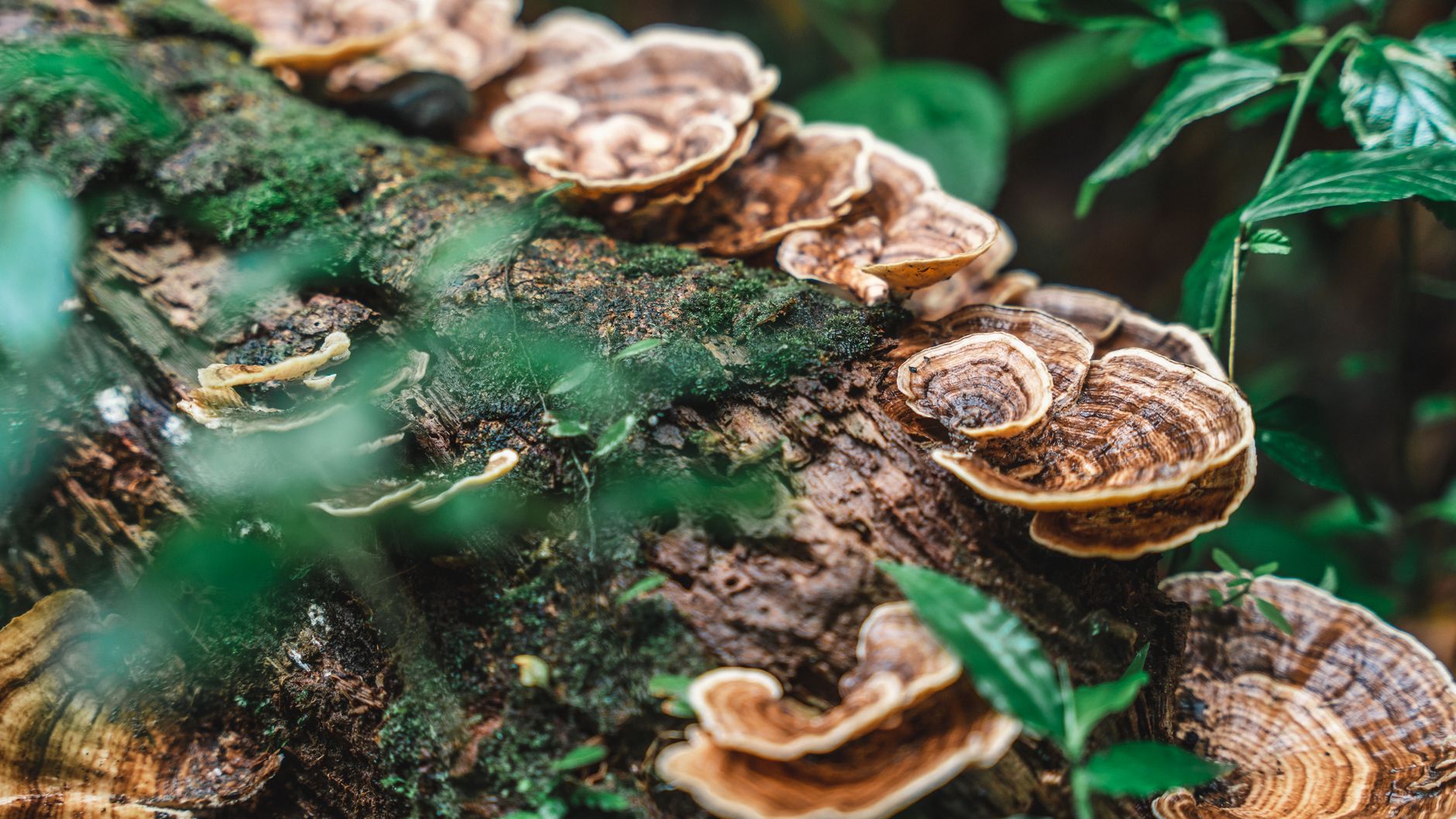
Fomes fomentarius is a polypore fungus that grows as a perennial woody shelf directly on hardwood tree trunks, particularly birch, beech, and poplar. Its hoof-like shape and grey-brown layered surface make it visually distinctive. Unlike edible culinary mushrooms, this species has a hard, woody texture that makes direct consumption impractical. Instead, research has focused on extracts derived from its fruiting body.
Historically, Fomes fomentarius was used as a wound-care material, a fire-starting tinder, and a traditional remedy in various cultures across Europe and Asia. Modern analysis has revealed that this fungus contains a range of potentially active compounds, including phenolic acids, polysaccharides, and melanins, which may contribute to its observed biological properties.
Antioxidant Properties
Several studies have evaluated the antioxidant capacity of Fomes fomentarius extracts, often measuring their ability to neutralize free radicals in laboratory assays.
A 2015 analysis of 31 wild-growing Polish mushroom species found that Fomes fomentarius demonstrated among the highest antiradical activity measured by DPPH assay (IC50 approximately 1.39 mg per mg DPPH), along with elevated total phenolic content at 53.13 mg gallic acid equivalent per gram of dried extract. The same study also identified phenolic acids including protocatechuic, caffeic, and ferulic acid in the extract.[1]
A separate study analyzing four wild lignicolous mushroom species found that Fomes fomentarius produced the highest antioxidant and antibacterial bioactivity among those tested, with high total phenol and total flavonoid content. GC/MS analysis confirmed the presence of multiple phenolic and organic acids, including gallic, vanillic, and protocatechuic acid.[2]
These findings are consistent with patterns seen in other woody bracket fungi, where phenolic compounds appear to drive measurable antioxidant activity in laboratory settings. Whether these effects translate meaningfully to human physiology remains to be established through clinical research.
Immune-Related Polysaccharides
Fomes fomentarius contains polysaccharides, including beta-glucan-type compounds, that have attracted interest for their potential immune-modulating properties. Research suggests that polysaccharides from this fungus may stimulate immune cell activity in laboratory models.
A study published in a Chinese pharmacology journal investigated the extraction of immune-active polysaccharides from Fomes fomentarius using ultrasonication. Results indicated that extracted polysaccharides demonstrated measurable immune-stimulating activity in mouse splenocyte metabolic assays, with ultrasonication treatment found to significantly enhance that activity compared to standard extraction methods.[3]
Polysaccharide research in functional mushrooms is an active field, and findings from preclinical models often inform the development of more rigorous human trials. At this stage, the immune-related properties of Fomes fomentarius polysaccharides remain in the early stages of scientific evaluation.
Neuroprotective Potential: Early Laboratory Findings
One of the more intriguing areas of recent Fomes fomentarius research involves its melanin compounds, the dark pigments produced by the fungus as part of its natural biology.
A 2024 study published in BMC Biotechnology extracted and characterized melanins from Fomes fomentarius and evaluated them for antioxidant activity and neuroprotective effects using human neuroblastoma cells (SH-SY5Y). The study found that both standard and arginine-modified melanins from this fungus demonstrated significant protection of cells against hydrogen peroxide-induced damage. Additionally, arginine-modified melanins provided meaningful cell protection against MPTP, a neurotoxin used in Parkinson’s disease research models, increasing cell viability by approximately 10%. The researchers concluded that these modified melanins may have potential as neuroprotective agents, though they noted that results remain preliminary and significantly below the protective effects seen with established positive controls.[4]
This research is early-stage and laboratory-based. No clinical trials in humans have evaluated these compounds for neurological conditions, and much more work would be required before any conclusions could be drawn about practical applications.
Antimicrobial Activity
Multiple analyses have tested Fomes fomentarius extracts against bacterial strains in laboratory conditions. Studies have reported activity against both Gram-positive organisms such as Staphylococcus aureus and Bacillus subtilis and, to a lesser degree, some Gram-negative strains. This is consistent with the broader finding across phenol-rich fungal extracts, where polyphenol content tends to correlate with antimicrobial capacity in vitro.
As with other aspects of this fungus’s profile, antimicrobial findings come from cell and plate-based studies. Their clinical relevance is not yet established.
How It Compares to Other Functional Mushrooms
Fomes fomentarius is not yet as widely researched as species like reishi, chaga, or lion’s mane, which have more extensive clinical and human trial literature. It shares some biological territory with chaga (Inonotus obliquus), another dark-pigmented bracket fungus growing on birch trees, and the two are sometimes compared in ethnobotanical contexts. Both contain phenolic compounds and polysaccharides, and both have been subjects of antioxidant and immune research, though chaga currently has a substantially larger body of published clinical and preclinical work behind it.
For those researching functional mushrooms and immune support more broadly, our overview of the best mushrooms for gut health and immune function covers several species with more extensive human evidence.
Supplement Availability and Considerations
Fomes fomentarius is not currently one of the more common species in the commercial functional mushroom supplement market, though some specialty herbal and mycological suppliers do offer dried or extracted forms. Because this species is not widely standardized in commercial products, quality and extract composition can vary considerably.
Anyone considering supplementation with less-studied mushroom species should consult with a qualified healthcare provider, particularly if taking medications or managing a chronic health condition. The research base for Fomes fomentarius remains primarily preclinical, and its safety and efficacy in humans have not been established through controlled trials.
Summary
Fomes fomentarius is a historically significant bracket fungus with a growing laboratory research profile. Preclinical studies indicate it may possess notable antioxidant activity, immune-stimulating polysaccharides, and early-stage neuroprotective properties linked to its melanin compounds. Its antimicrobial capacity has also been documented in vitro. However, the human evidence base remains thin, and this species should be approached with the same measured expectations applied to any emerging functional mushroom. It represents an interesting area of ongoing research rather than an established wellness intervention.
References
- 1. Nowacka N, et al. Antibacterial, Antiradical Potential and Phenolic Compounds of Thirty-One Polish Mushrooms. PLoS One. 2015;10(10):e0140355. PMID: 26468946
- 2. Karaman M, et al. Wild-growing lignicolous mushroom species as sources of novel agents with antioxidative and antibacterial potentials. Int J Food Sci Nutr. 2014;65(3):311-19. PMID: 24295284
- 3. He GY, et al. Process optimization for extraction of immune active polysaccharides from Fomes fomentarius by introduction of ultrasonication. Zhong Yao Cai. 2011;34(8):1277-80. PMID: 22233044
- 4. Nguyen HAT, et al. Antioxidant, neuroprotective, and neuroblastoma cells (SH-SY5Y) differentiation effects of melanins and arginine-modified melanins from Daedaleopsis tricolor and Fomes fomentarius. BMC Biotechnol. 2024;24(1):89. PMID: 39529092
Disclaimer: The information in this article is for educational purposes only and does not constitute medical advice. Statements about functional mushrooms have not been evaluated by the Food and Drug Administration. These products are not intended to diagnose, treat, cure, or prevent any disease. Consult a qualified healthcare professional before starting any new supplement.