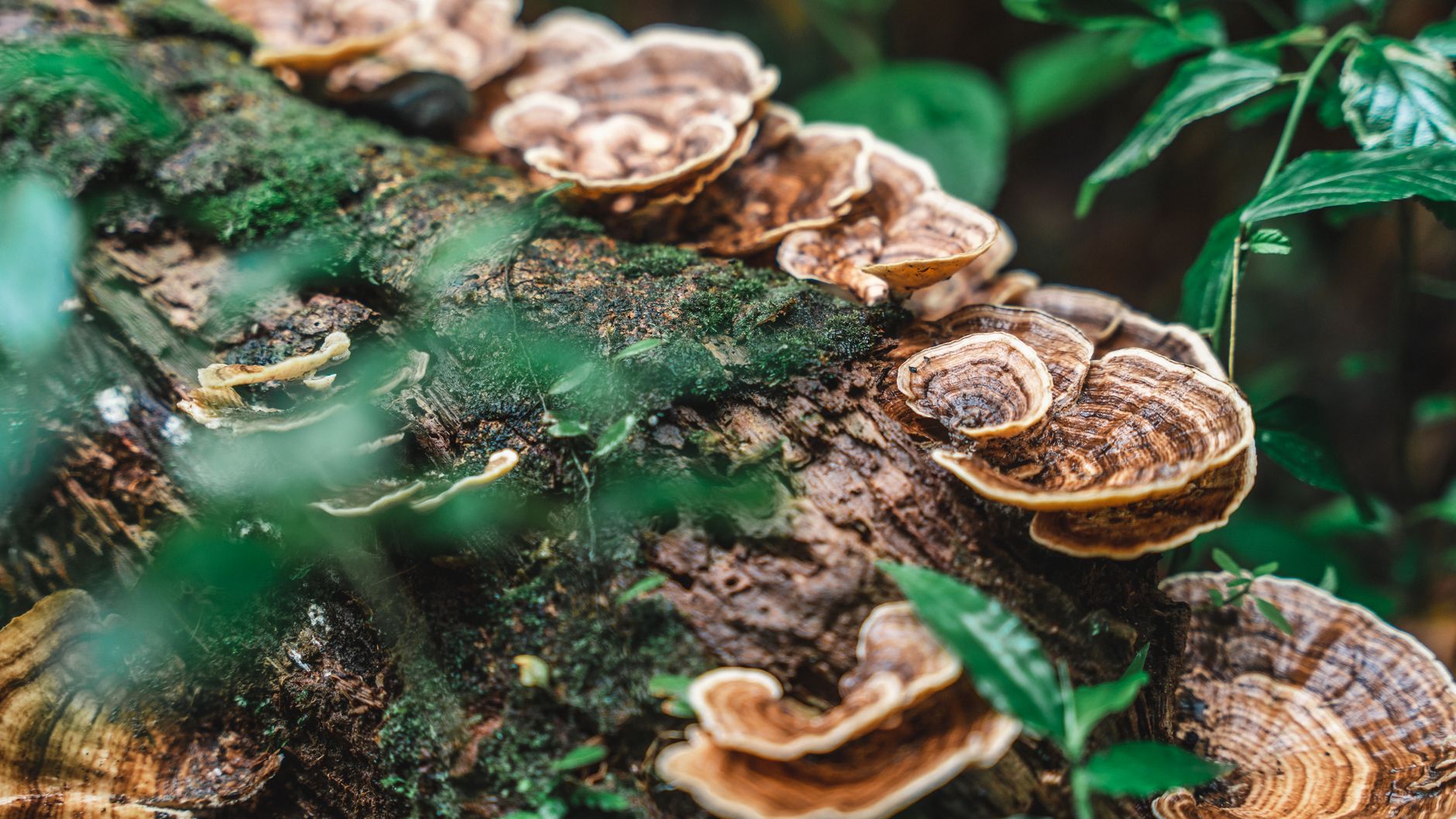
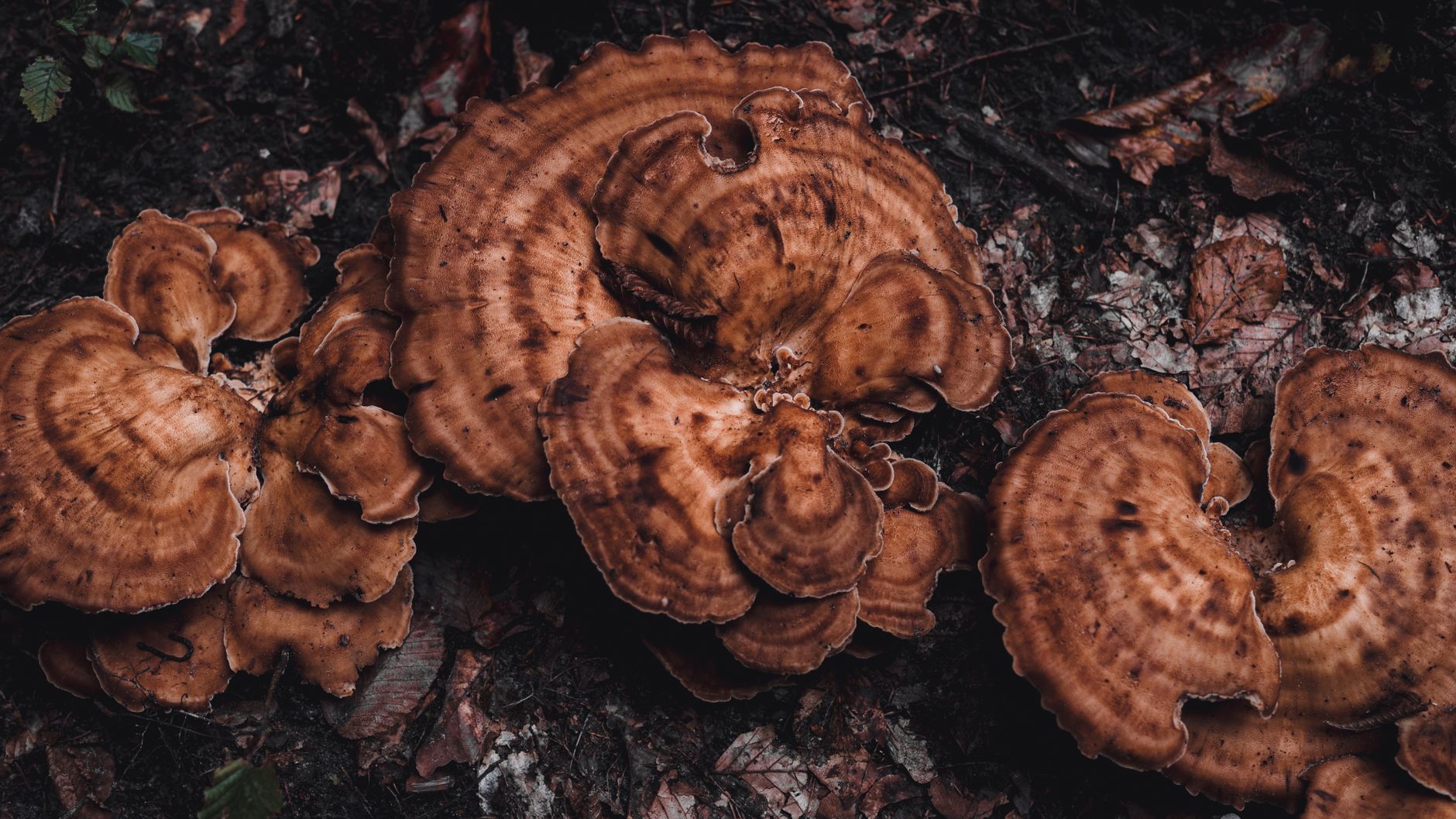
Reishi (Ganoderma lucidum) has been used in East Asian traditional medicine for more than two thousand years, with applications ranging from immune support to longevity. In recent decades, researchers have begun examining whether reishi may also offer benefits for cardiovascular health. The evidence is preliminary, but several compounds identified in the mushroom have shown physiologically relevant activity in laboratory and early clinical settings.
Bioactive Compounds and Their Cardiovascular Relevance
Reishi contains two major classes of compounds that researchers have linked to cardiovascular effects: polysaccharides (primarily beta-glucans) and triterpenes (including ganoderic acids). These constituents are structurally distinct and appear to act through different mechanisms.
Ganoderic acids have drawn attention for their structural resemblance to steroids. In vitro studies suggest they may inhibit HMG-CoA reductase, the same enzyme targeted by statin medications. Polysaccharides, meanwhile, have been examined for their potential effects on lipid metabolism, oxidative stress, and platelet aggregation. Whether these findings in isolated cells translate to meaningful effects in humans remains an open question.
Lipid Profiles and Cholesterol: What Studies Indicate
Animal models have produced some of the most consistent findings in this area. One study published in the Journal of Medicinal Food found that polysaccharides extracted from Ganoderma lucidum significantly lowered serum lipid accumulation and reduced oxidative stress markers in mice fed a high-fat diet. The researchers also observed reduced apoptotic activity in splenic lymphocytes, suggesting a broader cytoprotective effect.[1]
Human data is more limited and mixed. A Cochrane review that analyzed randomized controlled trials found that G. lucidum supplementation was not associated with statistically significant reductions in total cholesterol, LDL cholesterol, or body mass index compared to placebo in people with type 2 diabetes. However, the authors noted that the evidence base was small (five trials, 398 participants total) and that the clinical significance of observed trends could not be fully assessed due to methodological variability.[2]
A Closer Look at the Human Trial Data
One controlled cross-over trial examined cardiovascular, metabolic, and antioxidant responses to reishi supplementation in patients with borderline elevations of blood pressure or cholesterol. The study found that, while blood pressure did not change significantly, plasma triglycerides decreased and HDL cholesterol increased in the reishi group during the first treatment period. Insulin resistance scores were also lower after reishi treatment compared to placebo. The authors noted these effects were consistent with earlier animal research suggesting mild antidiabetic and lipid-modifying properties, but cautioned that carry-over effects complicated interpretation of the lipid findings.[3]
Blood Pressure: Limited Clinical Signal
Several in vitro studies have identified compounds in reishi with potential ACE-inhibitory activity, which is one pathway through which blood pressure might be modulated. A review published in the Advances in Experimental Medicine and Biology series summarized preclinical research suggesting that G. lucidum may influence blood pressure through effects on the angiotensin-converting enzyme pathway and by reducing oxidative stress in vascular tissue. However, the same review acknowledged that robust human clinical trial data on blood pressure outcomes remains lacking.[4]
The Cochrane review referenced above also found no statistically significant difference in blood pressure between reishi and placebo groups across the trials analyzed, reinforcing the conclusion that the clinical evidence for direct blood pressure effects is currently insufficient to draw conclusions.
Antioxidant Effects and Vascular Health
Oxidative stress is a recognized contributor to endothelial dysfunction and atherosclerosis progression. Reishi polysaccharides have consistently demonstrated antioxidant properties in laboratory settings, with research indicating they may reduce markers of lipid peroxidation and support the activity of endogenous antioxidant enzymes such as superoxide dismutase and catalase.
This antioxidant activity is thought to be one of the primary mechanisms by which reishi may support cardiovascular tissue, particularly under conditions of metabolic stress such as high-fat diets or hyperglycemia. However, demonstrating that antioxidant activity in preclinical models translates to reduced cardiovascular risk in humans requires large, well-designed trials that have not yet been completed.
Platelet Aggregation and Blood Viscosity
Some early research has examined whether reishi compounds might influence platelet aggregation, a factor in clot formation and cardiovascular risk. Adenosine, a naturally occurring compound found in reishi, has been studied for its potential inhibitory effects on platelet activity. These findings are at a very early stage, and no clinical guidance currently supports using reishi for this purpose.
If you take blood-thinning medications, it is worth reviewing our guide on mushroom supplements and drug interactions before adding any functional mushroom to your routine.
Safety Considerations
Reishi is generally regarded as well-tolerated in research settings. The Cochrane review noted that participants taking reishi were 1.67 times more likely to report an adverse event than those on placebo, though none of these events were classified as serious. Commonly reported effects in trials have included mild gastrointestinal discomfort.
Reishi supplements vary considerably in form and composition. Extracts standardized for beta-glucan or triterpene content will have different profiles than whole mushroom powders. Individuals with autoimmune conditions, bleeding disorders, or those taking medications that affect liver enzymes or blood clotting should consult a healthcare provider before use.
What the Evidence Does and Does Not Support
The current body of research suggests that reishi contains compounds capable of influencing cardiovascular-relevant pathways, particularly lipid metabolism and oxidative stress. Preclinical models have produced encouraging results, and early human trials have identified some signals worth investigating further.
At the same time, the human evidence base is small, methodologically heterogeneous, and has not consistently replicated the effects seen in animal models. Researchers and clinicians generally agree that reishi should not be considered a standalone intervention for cardiovascular risk management based on current evidence.
For those interested in functional mushrooms from a general wellness standpoint, reishi remains one of the more extensively studied species in terms of traditional use and mechanistic research. Understanding the limits of that evidence is as important as recognizing what the data actually shows.
References
- [1] Liang Z, et al. Hypolipidemic, Antioxidant, and Antiapoptotic Effects of Polysaccharides Extracted from Reishi Mushroom, Ganoderma lucidum, in Mice Fed a High-Fat Diet. J Med Food. 2018;21(12):1218-1227. PMID: 30183494
- [2] Klupp NL, et al. Ganoderma lucidum mushroom for the treatment of cardiovascular risk factors. Cochrane Database Syst Rev. 2015;2015(2):CD007259. PMID: 25686270
- [3] Chu TT, et al. Study of potential cardioprotective effects of Ganoderma lucidum (Lingzhi): results of a controlled human intervention trial. Br J Nutr. 2012;107(7):1017-27. PMID: 21801467
- [4] Meng J, Yang B. Protective Effect of Ganoderma (Lingzhi) on Cardiovascular System. Adv Exp Med Biol. 2019;1182:181-199. PMID: 31777019
Disclaimer: This article is for informational purposes only and does not constitute medical advice. Functional mushroom supplements are not intended to diagnose, treat, cure, or prevent any disease. Consult a qualified healthcare provider before making changes to your supplement regimen.