Chaga (Inonotus obliquus) and Turkey Tail (Trametes versicolor) are two of the most studied medicinal mushrooms, and both are frequently cited for their potential immune-modulating properties. While they share some overlapping mechanisms, they differ considerably in their active compounds, traditional applications, and the depth of available clinical evidence. This article examines each mushroom individually, then compares them across key dimensions relevant to immune health.
What Is Chaga?
Chaga is a parasitic fungus that grows predominantly on birch trees across northern climates, including Russia, Scandinavia, Canada, and parts of the northeastern United States. Technically a sclerotium rather than a true fruiting body, chaga has a dense, charcoal-like exterior and an amber-colored interior. It has been used in Russian and Siberian folk medicine for centuries, most often brewed as a tea.
The primary bioactive constituents of chaga include polysaccharides (particularly beta-glucans), betulinic acid derived from its birch host, melanin complexes, and a broad array of triterpenoids. These compounds have collectively attracted interest for their antioxidant and immune-relevant properties.
What Is Turkey Tail?
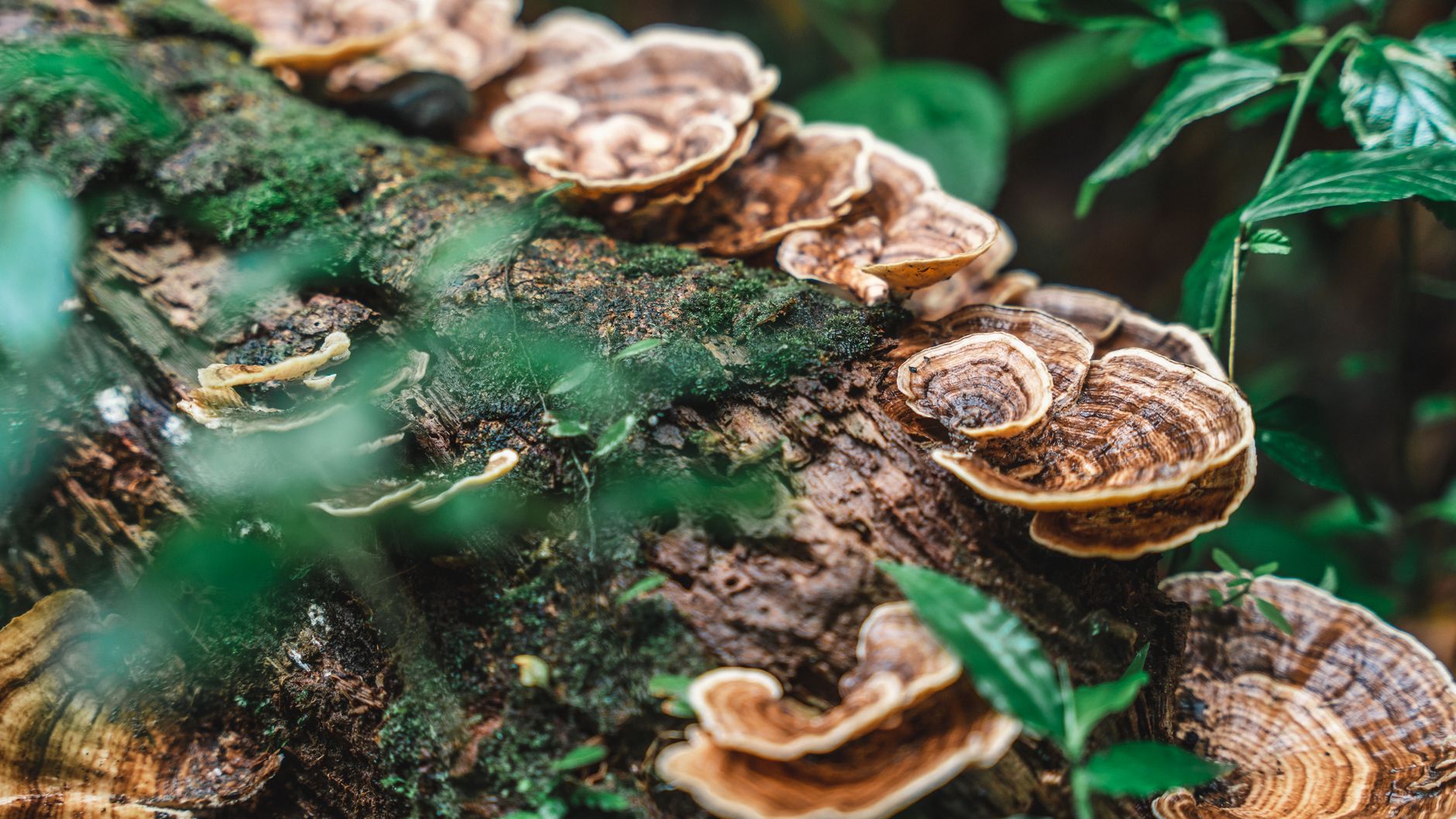
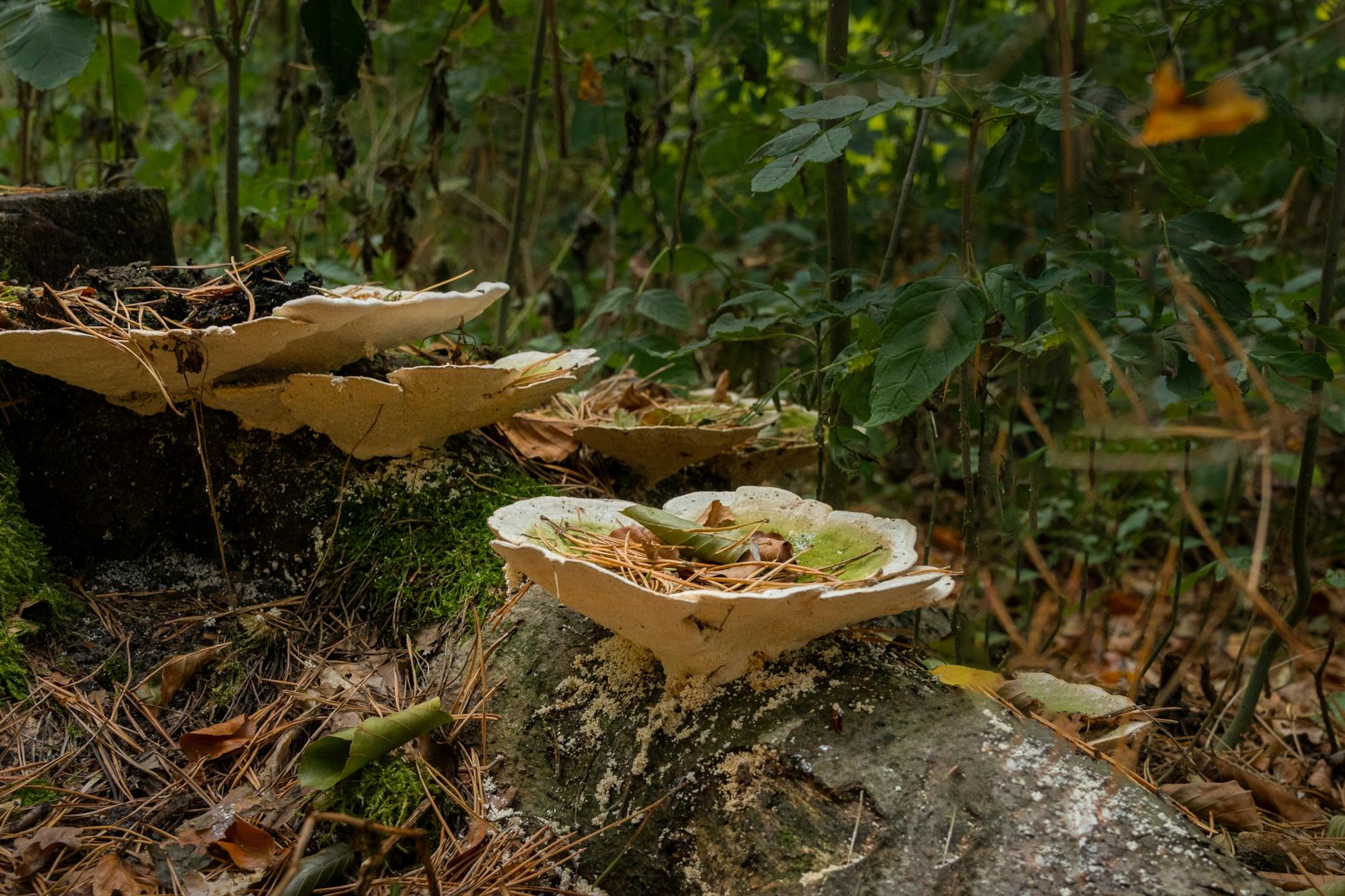
Turkey Tail is a bracket fungus recognized by its colorful, fan-shaped rings that resemble the tail feathers of a wild turkey. It is one of the most widely distributed mushrooms on earth, found on decaying wood across forests in Asia, Europe, and North America. Its use in traditional Chinese medicine spans several hundred years, where it was known as Yun Zhi and associated with longevity and vitality.
Turkey Tail’s most studied compounds are two polysaccharopeptides: polysaccharide-K (PSK, also called Krestin) and polysaccharide peptide (PSP). Both have been the subject of substantial preclinical and clinical research, particularly in Japan and China, where PSK has been used as an adjunctive oncology therapy since the 1980s.
Active Compounds: A Side-by-Side Look
Understanding the difference in bioactive compounds helps explain why these mushrooms are often used for related but distinct purposes:
Chaga: Polysaccharides, Triterpenoids, and Antioxidants
Chaga polysaccharides, particularly beta-1,3/1,6-glucans, have demonstrated immunomodulatory activity in preclinical models. Research on Inonotus obliquus polysaccharides (IOPs) has documented a range of biological activities including antioxidant, hypoglycemic, antitumor, and immunomodulatory effects, with a growing body of work characterizing the specific structural features responsible for these actions.[1]
Chaga is also notable for its unusually high antioxidant content, partly attributable to its melanin pigments. These antioxidant properties are considered relevant to the mushroom’s traditional reputation for supporting general resilience, though direct human clinical data remain limited.
Turkey Tail: PSK and PSP
Turkey Tail’s PSK and PSP fractions have been studied more extensively in human contexts than most other medicinal mushroom compounds. Research suggests these polysaccharopeptides may modulate immune activity by influencing cytokine expression, stimulating natural killer (NK) cell activity, and promoting T-cell function. In vitro work on Turkey Tail mycelium has shown robust activation of lymphocytes and monocytes, with both the mycelium and its fermented substrate eliciting immune-relevant cytokine responses.[2]
A review of Trametes versicolor polysaccharides in oncology contexts found that PSK and PSP demonstrate both direct cytotoxic effects on cancer cells and immunostimulatory effects on immune cells, with clinical data drawn primarily from Japanese adjunctive cancer therapy trials.[3]
Immune Support: Comparing the Evidence
Both mushrooms are categorized as immunomodulators, meaning they may help regulate immune activity rather than simply stimulate or suppress it. However, the strength and character of the evidence differs between the two.
Turkey Tail has the stronger clinical foundation when it comes to immune endpoints. PSK in particular has been evaluated in randomized controlled trials as an adjunctive treatment alongside conventional cancer therapies in Japan, where it showed associations with improved survival outcomes in several cancer types. PSP has been studied primarily in Chinese clinical settings. The core mechanism appears to involve upregulation of innate and adaptive immune markers.
Chaga has a compelling preclinical profile, with multiple in vitro and animal studies documenting immune-relevant activity from its polysaccharide and triterpenoid fractions. However, rigorous human clinical trials are significantly more limited. Most researchers describe chaga’s evidence base as promising but preliminary relative to Turkey Tail’s more extensive clinical data.
Antioxidant Activity: Where Chaga Stands Apart
One area where chaga distinguishes itself is antioxidant capacity. Several comparative analyses have ranked chaga among the highest antioxidant sources measured by ORAC (oxygen radical absorbance capacity) values, with its melanin and triterpenoid content contributing meaningfully to this profile. Antioxidant activity is considered one potential pathway by which chaga may indirectly support immune homeostasis, since oxidative stress can impair immune cell function.
Turkey Tail has meaningful antioxidant properties as well, but this is generally not considered its primary mode of action in immune contexts.
Gut Microbiome Interactions
Both mushrooms contain beta-glucan fibers that may act as prebiotics, selectively feeding beneficial gut bacteria. The gut microbiome plays a significant role in immune regulation, and this represents an overlapping mechanism between the two species. Research on Inonotus obliquus polysaccharides specifically notes gut microbiota-modulating effects as one of the key documented biological activities.[1] Turkey Tail’s prebiotic effects have also been studied, with some research suggesting favorable shifts in microbiome composition following supplementation. If gut-immune interactions are your primary focus, you may also find the overview on Agaricus blazei and immune research relevant, as it covers another mushroom with overlapping beta-glucan mechanisms.
Traditional Context and Use Patterns
Chaga is most historically associated with Russian and Siberian traditions, where it was commonly consumed as a decoction (simmered tea). This method may be relevant to bioavailability, as hot water extraction efficiently draws out polysaccharides and other water-soluble compounds.
Turkey Tail has deep roots in traditional East Asian medicine, where it was consumed as a tea or broth, and has since become one of the most commercially developed medicinal mushrooms globally. Both are now available in extract powders, capsules, tinctures, and functional beverages.
Key Differences at a Glance
| Feature | Chaga | Turkey Tail |
|---|---|---|
| Primary compounds | Beta-glucans, betulinic acid, melanins, triterpenoids | PSK, PSP, beta-glucans |
| Antioxidant profile | Exceptionally high | Moderate |
| Human clinical data | Limited | More extensive (PSK/PSP trials) |
| Traditional use | Russian / Siberian folk medicine | Traditional Chinese medicine |
| Common form | Tea, extract powder, tincture | Extract powder, capsules, tea |
Which Mushroom Is Right for Immune Support?
Neither mushroom is definitively superior for immune health, and the two are not mutually exclusive. If you are looking for the mushroom with the most robust clinical evidence specifically tied to immune outcomes, Turkey Tail has the edge, particularly given the well-characterized PSK research. If broader antioxidant and metabolic support alongside immune-modulating properties is a priority, chaga’s profile may be of interest.
As with all functional mushrooms, product quality matters. Research suggests that the extraction method, whether hot water, dual extraction, or alcohol extraction, affects which compounds are preserved. Looking for standardized beta-glucan content and third-party testing can help assess product reliability.
Both chaga and Turkey Tail are generally considered well-tolerated in healthy adults, though individuals on immunosuppressive medications or anticoagulants should consult a healthcare provider before use.
References
- 1. Zhang S, et al. Inonotus obliquus Polysaccharides: Preparation, Structural Characteristics, Structure-Activity Relationships, Biological Activities and Applications. Nutrients. 2026;18(7):1125. PMID: 41978174
- 2. Benson KF, et al. The mycelium of the Trametes versicolor (Turkey tail) mushroom and its fermented substrate each show potent and complementary immune activating properties in vitro. BMC Complement Altern Med. 2019;19(1):342. PMID: 31791317
- 3. Habtemariam S. Trametes versicolor (Synn. Coriolus versicolor) Polysaccharides in Cancer Therapy: Targets and Efficacy. Biomedicines. 2020;8(5):135. PMID: 32466253
Disclaimer: The information in this article is for educational purposes only and does not constitute medical advice. Functional mushroom supplements are not intended to diagnose, treat, cure, or prevent any disease. Consult a qualified healthcare provider before starting any new supplement regimen.