Lion’s mane (Hericium erinaceus) and reishi (Ganoderma lucidum) are two of the most widely studied functional mushrooms in contemporary research. Both have centuries of use in East Asian traditional medicine, yet they occupy distinct pharmacological territories. Understanding where each excels, and where their effects may overlap, can help consumers and clinicians make more informed decisions about which to prioritize, or whether combining them makes sense.
What Is Lion’s Mane?
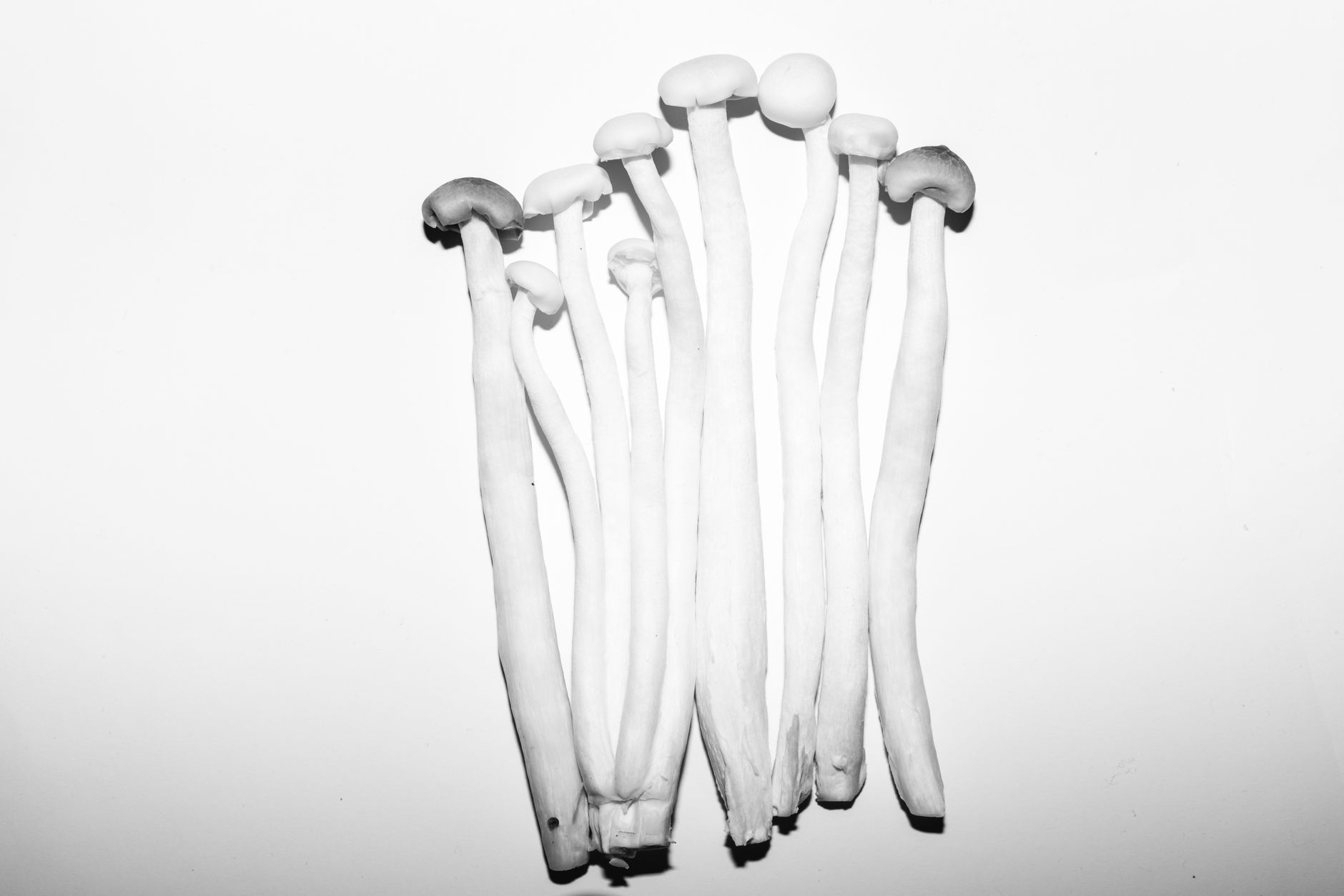
Lion’s mane is a culinary and medicinal mushroom native to North America, Europe, and Asia. Its distinctive shaggy white fruiting body is unmistakable. From a bioactive standpoint, lion’s mane is best known for two classes of compounds unique to this species: hericenones (found in the fruiting body) and erinacines (found in the mycelium). Both have been shown in laboratory and animal studies to stimulate the synthesis of nerve growth factor (NGF), a protein that supports the maintenance and growth of neurons.
This NGF-stimulating activity is the foundation of most lion’s mane research, which has focused heavily on cognitive function, neuroprotection, and mood-related outcomes.
What Is Reishi?
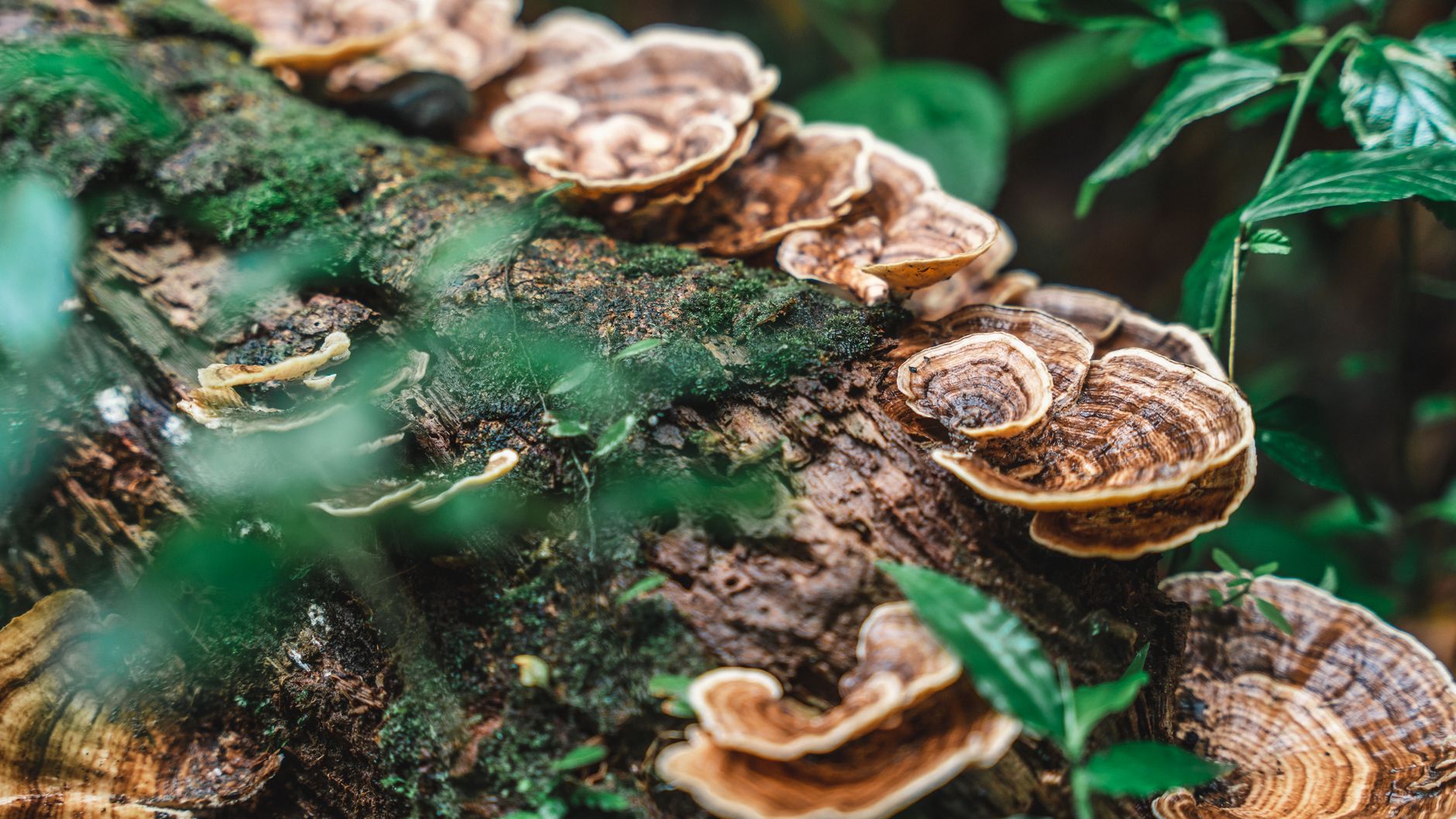
Reishi, sometimes called lingzhi, is a shelf fungus with a lacquered, kidney-shaped cap. It rarely appears in culinary contexts due to its bitter taste and woody texture, but it has been used as a medicinal preparation, typically as a decoction, tincture, or extract, for over two thousand years in Chinese medicine traditions.
Its primary bioactive compounds are polysaccharides (especially beta-glucans) and triterpenoids (ganoderic acids). Research suggests these compounds influence multiple biological systems, including immune regulation, anti-inflammatory signaling, and markers associated with fatigue and sleep quality. A 2025 review in Current Issues in Molecular Biology summarized evidence that reishi polysaccharides activate macrophages, natural killer cells, and T cells, while triterpenoids modulate inflammatory mediators through NF-kB and MAPK signaling pathways.[1]
Primary Research Areas Compared
Cognitive Function and Neurological Support
This is where lion’s mane has the clearest research foothold. A double-blind, placebo-controlled clinical trial published in Phytotherapy Research enrolled adults aged 50 to 80 with mild cognitive impairment. Participants taking Hericium erinaceus showed significantly higher scores on the Revised Hasegawa Dementia Scale at weeks 8, 12, and 16 of the supplementation period compared to the placebo group. Scores declined after the supplement was discontinued, suggesting the effect was tied to ongoing intake.[2]
Lion’s mane has also been investigated in the context of mood and neuroplasticity. A review published in the International Journal of Molecular Sciences noted that bioactive compounds from lion’s mane promote expression of neurotrophic factors associated with cell proliferation, and proposed the mushroom as a candidate for further investigation in depressive disorders based on its neurogenic mechanisms.[3]
Reishi is not typically the primary focus of cognitive research, though its anti-inflammatory and neuroprotective activities have been noted in the context of neurodegenerative conditions. If cognitive support is the primary goal, lion’s mane has a more direct and substantial evidence base at this time.
Immune Modulation
Reishi holds a stronger position in immune research. Its polysaccharide fractions have been studied for their ability to modulate innate and adaptive immune responses, including effects on cytokine production and lymphocyte activity. The 2025 review noted above describes reishi as a “multifaceted immunomodulatory agent” with promising applications across inflammatory and autoimmune contexts, while also noting that further clinical research is needed to define precise mechanisms and optimal formulations.
Lion’s mane also demonstrates immunomodulatory properties, but this area is less central to its research profile. Most lion’s mane immune studies are preclinical, and the evidence base does not yet rival reishi’s depth in this domain.
Fatigue and Sleep Quality
A 2024 study published in Heliyon examined several formulations containing Ganoderma lucidum extracts in a mouse model. Results indicated that specific reishi-containing preparations may support anti-fatigue outcomes, including significantly prolonged endurance time and improved glycogen retention, while other formulations showed sleep-aiding effects as measured by sleep latency and duration.[4] These findings are preclinical and should not be directly extrapolated to human use, but they add to a body of evidence suggesting reishi may influence energy regulation and rest.
For more on how various functional mushrooms relate to rest and recovery, see our overview of functional mushrooms and sleep research.
Stress and Adaptogenic Activity
Both mushrooms are sometimes described as adaptogens, a term used informally to describe substances that may help the body resist physical and psychological stressors. Reishi’s triterpenoid content, particularly its ganoderic acids, has been associated with modulation of inflammatory pathways that may also intersect with stress physiology. Lion’s mane may support stress resilience indirectly through its neurotrophin-related activity, as BDNF and NGF signaling are involved in adaptive responses to psychological stress. Neither has been definitively established as a clinical intervention for stress in human trials.
Bioavailability and Extraction Considerations
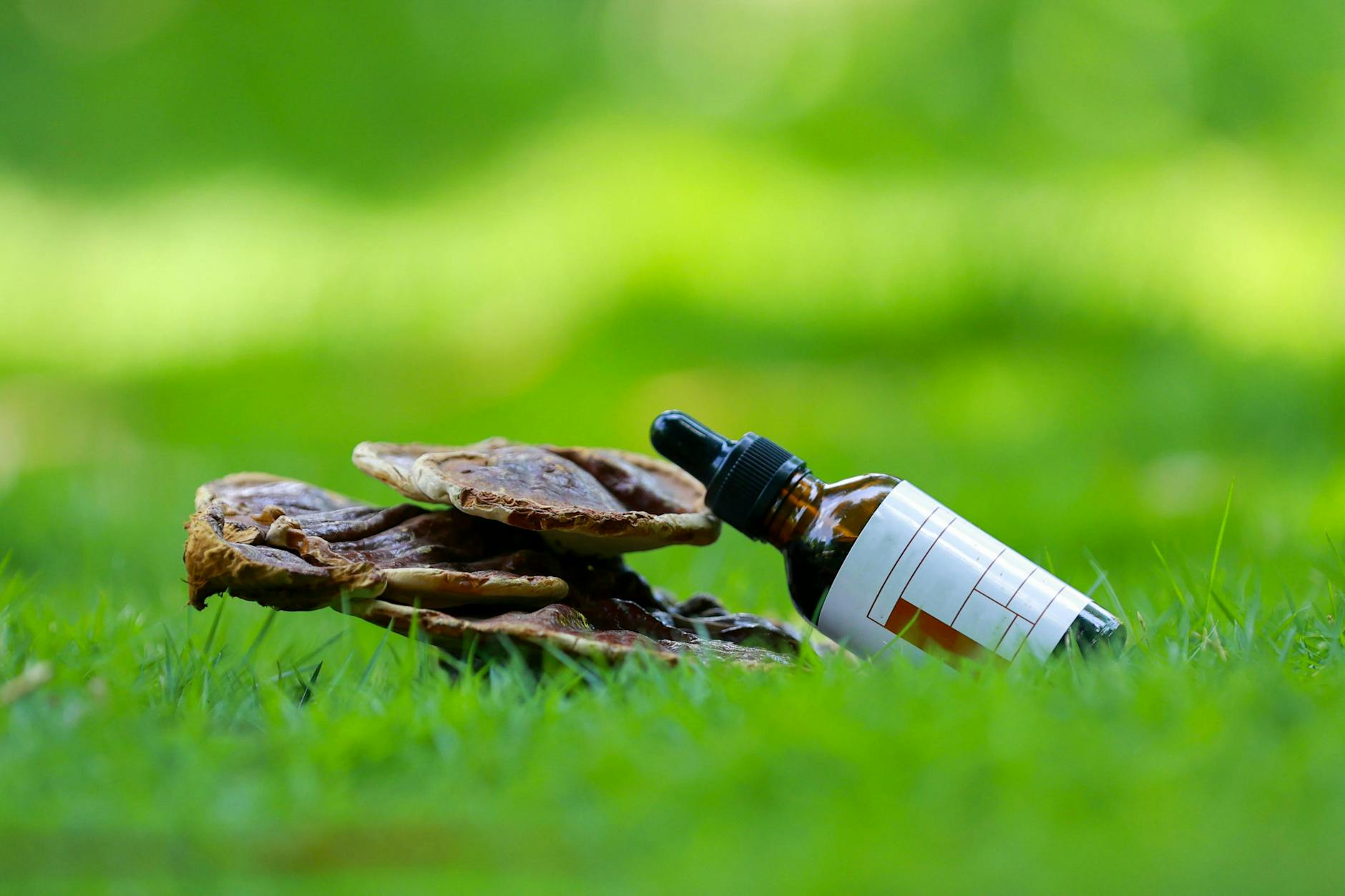
The form of the extract matters for both mushrooms. Lion’s mane erinacines are primarily found in mycelium, while hericenones are concentrated in the fruiting body, meaning the source of the extract affects which compounds are present. For reishi, polysaccharides are best extracted via hot water methods, while triterpenoids require alcohol extraction. Dual-extraction products aim to capture both fractions. Consumers evaluating supplements for either mushroom should look for standardized beta-glucan or specific compound content on the label rather than relying on weight alone.
Choosing Between Them
The choice between lion’s mane and reishi is less about one being superior and more about which biological pathways are most relevant to the individual’s goals.
- If cognitive function, focus, or neurological support is the primary concern, lion’s mane has a more targeted and clinically supported evidence base.
- If immune modulation, stress adaptation, or general wellness is the focus, reishi’s depth of research may be more applicable.
- For fatigue or sleep concerns, reishi shows the more direct research support, though preclinical evidence should be interpreted cautiously.
Some formulations include both mushrooms, and preliminary evidence does not indicate direct interactions between their bioactive compounds. That said, those taking medications or managing chronic conditions should consult a healthcare provider before adding either supplement, as interactions with certain drug classes have been reported. For a detailed overview, see our guide on mushroom supplements and drug interactions.
References
- 1. Zhao L, et al. Immunomodulatory Effects of Ganoderma lucidum Bioactive Compounds on Gut-Brain and Gut-Liver Axis Disorders. Curr Issues Mol Biol. 2025. PMID: 41150791
- 2. Mori K, et al. Improving effects of the mushroom Yamabushitake (Hericium erinaceus) on mild cognitive impairment: a double-blind placebo-controlled clinical trial. Phytother Res. 2009. PMID: 18844328
- 3. Chong PS, et al. Therapeutic Potential of Hericium erinaceus for Depressive Disorder. Int J Mol Sci. 2020. PMID: 31881712
- 4. Li K, et al. The anti-fatigue and sleep-aiding effects vary significantly among different recipes containing Ganoderma lucidum extracts. Heliyon. 2024. PMID: 38770283
Disclaimer: The information on this page is for educational purposes only and does not constitute medical advice. Functional mushroom supplements are not intended to diagnose, treat, cure, or prevent any disease. Consult a qualified healthcare provider before starting any new supplement regimen.