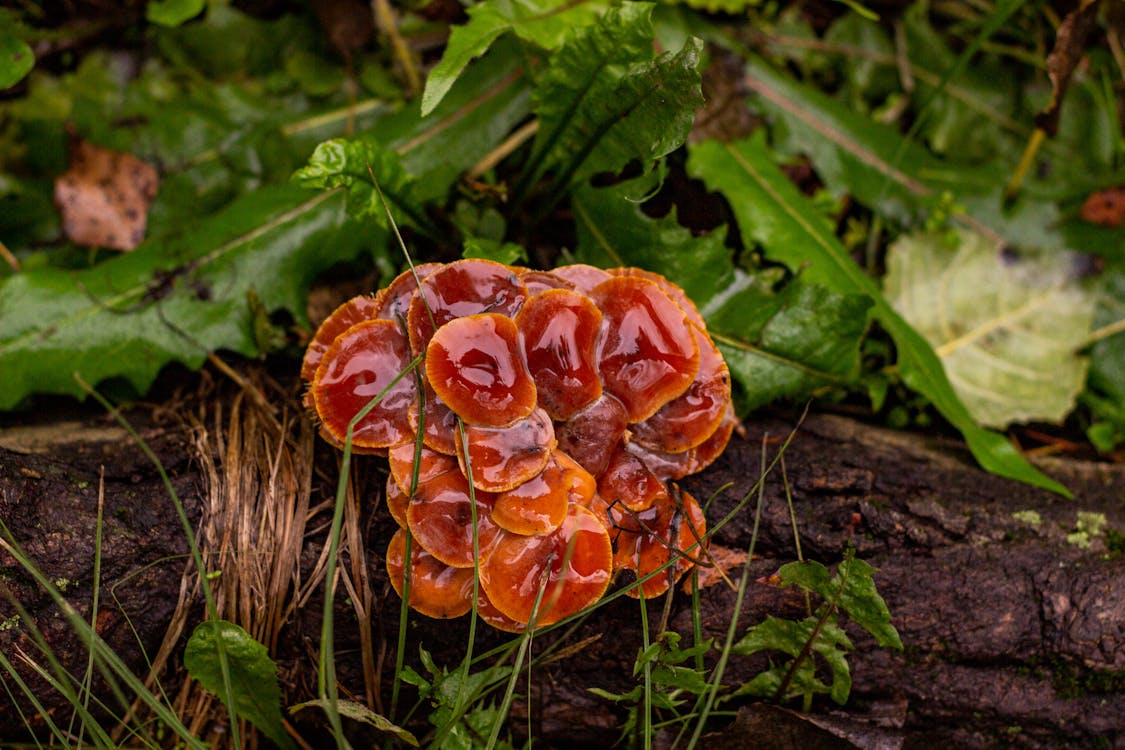
Among the questions that arise when comparing reishi mushroom products, few generate more confusion than the distinction between spore-based extracts and fruiting body extracts. Both come from Ganoderma lucidum, yet they differ substantially in composition, bioavailability, and the research supporting their respective uses. Understanding these differences may help consumers make more informed decisions when selecting a reishi supplement.
What Are Reishi Spores?
Reishi spores are microscopic reproductive cells released from the underside of the mushroom’s cap during maturation. A single mature fruiting body may eject billions of spores over its lifespan. These spores are encased in a hard outer wall called the sporoderm, which consists of two layers of highly resistant material. This rigid structure protects the genetic material inside but also poses a challenge: the sporoderm is largely indigestible, meaning that whole spores may pass through the gastrointestinal tract without releasing their bioactive contents.
To address this, manufacturers typically process spores through sporoderm-breaking techniques, including ultrasonic methods, mechanical pressure, and chemical processing. Research published in the Journal of Food Science investigated ice-assisted sonication as a method for breaking the sporoderm, finding that this approach could achieve breaking efficiency approaching 75% and resulted in measurable increases in polysaccharide, protein, and fatty acid content compared to commercially ground spores.[1] A separate study in Natural Product Research explored a combined chemicophysical method using ultrasonication and refrigeration, reporting successful formation of porous sporoderm that allowed inner triterpenoids to dissolve more readily.[2]
What Is the Fruiting Body?
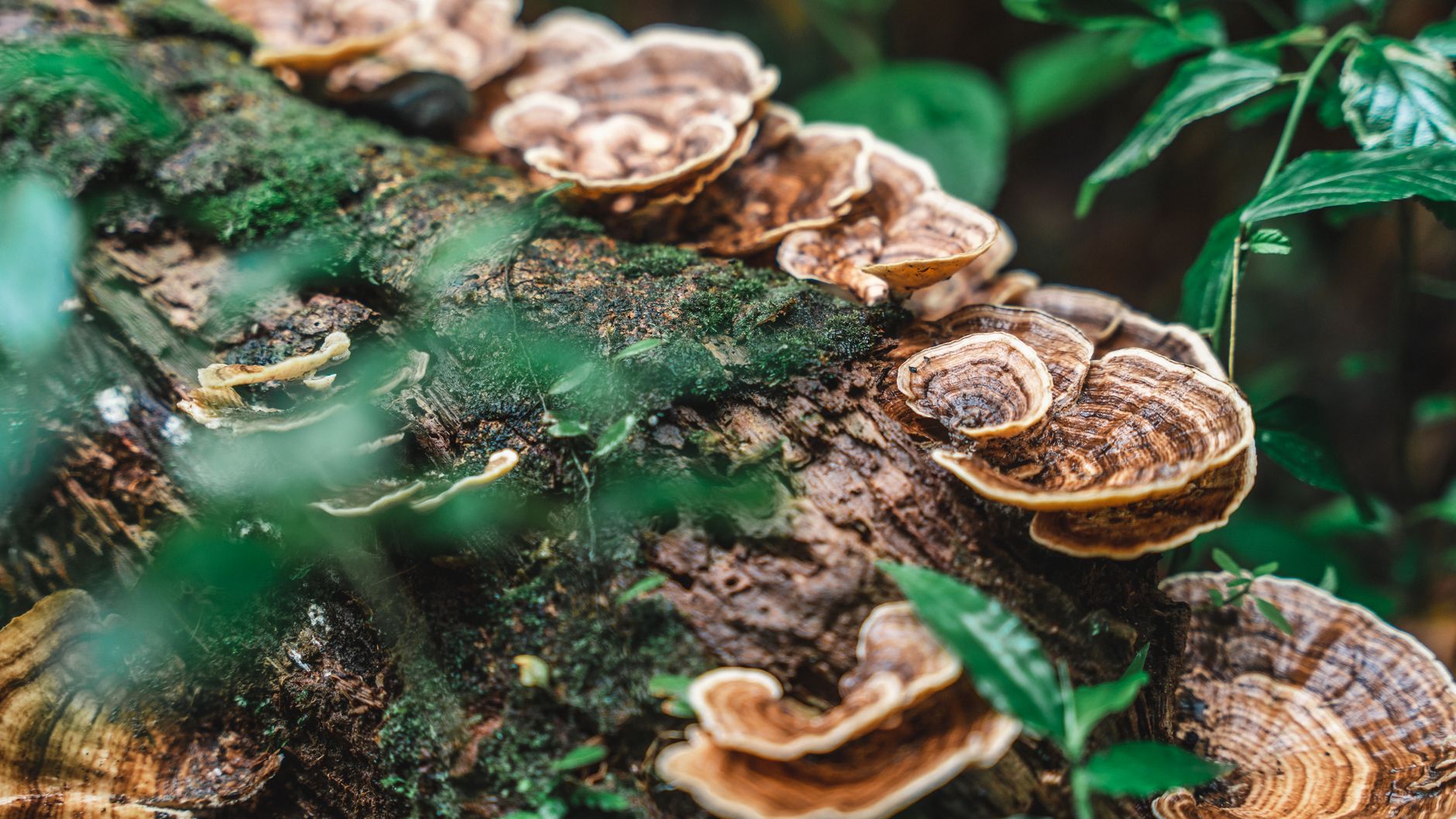
The fruiting body is the visible, shelf-like structure that most people recognize as the reishi mushroom. It is composed of the pileus (cap) and stipes (stem), both of which contain distinct concentrations of bioactive compounds. Research comparing the two parts of the fruiting body found that the pileus generally contains higher levels of ganoderic acids (a class of triterpenoids), while the stipes may accumulate higher concentrations of phenolics and flavonoids at certain growth stages, contributing to antioxidant activity.[3]
Fruiting body extracts have been the subject of a substantial body of research, primarily focused on polysaccharides and triterpenoids as the key bioactive fractions. A comprehensive 2025 review in Natural Product Research summarized that Ganoderma lucidum contains over 400 bioactive compounds, including triterpenoids, polysaccharides, and proteins, primarily derived from the basidiocarp (fruiting body), mycelia, and spores, and noted pharmacological effects including immunomodulation and antioxidant activity across this body of research.[4]
Key Bioactive Differences
Spores and fruiting bodies differ not just in physical form but in their chemical profiles:
- Triterpenoids: Spores tend to be particularly rich in triterpenoids, including ganoderic acids, which are associated with the mushroom’s bitter taste and have been studied for various biological activities. The sporoderm-breaking process is critical for releasing these compounds.
- Polysaccharides (beta-glucans): Both spores and fruiting bodies contain polysaccharides, though the structural composition may differ. A 2025 study isolated a glucomannan (designated SGL90-1) from defatted reishi spores and demonstrated its potential to stimulate immune cell activity via activation of the TLR4/MyD88/NF-kB signaling pathway in laboratory models.[5]
- Fatty acids: Spore oil, extracted from the spores, contains a distinct fatty acid profile that is not present in significant quantities in fruiting body extracts. Spore oil is often marketed separately as a premium product.
- Ergosterol and sterols: Fruiting bodies tend to contain higher concentrations of ergosterol, a precursor to vitamin D2 upon UV exposure.
Bioavailability: The Sporoderm Question
One of the central practical concerns with reishi spore supplements is bioavailability. Because the sporoderm is highly resistant to digestion, intact spores are generally considered to have limited absorption of their active compounds. Broken-sporoderm spore powder or spore oil extracts are thought to provide more accessible bioactive content, though the degree of improvement varies depending on the processing method and its efficiency.
Fruiting body extracts, particularly hot water extracts optimized for polysaccharide extraction or ethanol extracts targeting triterpenoids, have a longer track record in clinical and preclinical research. The extraction processes used for fruiting bodies are also generally more standardized, which may support greater consistency in beta-glucan or triterpenoid content per serving.
What the Research Currently Supports
Most of the human clinical trials involving reishi have used fruiting body extracts or standardized preparations derived from the fruiting body and mycelia. The evidence for spore-specific extracts in human populations is more limited, though laboratory studies suggest that broken-sporoderm preparations may have distinct immunological activity. It is worth noting that “more potent per gram” does not automatically translate to superior real-world outcomes, and the comparison between formats remains an active area of investigation.
For those interested in how reishi compares to other functional mushrooms in terms of stress and cortisol modulation, the post on reishi and cortisol provides a broader discussion of the adaptogenic research.
Practical Considerations for Buyers
When evaluating a reishi supplement, several label details may help clarify which form is being used:
- “Fruiting body extract” with a stated beta-glucan percentage indicates a standardized polysaccharide-rich product.
- “Broken-sporoderm spore powder” or “spore oil” indicates a spore-derived product with at least some processing to improve bioavailability.
- Triterpenoid content is sometimes listed separately from polysaccharides: spore extracts often emphasize triterpenoid concentration.
- Products listing only “mycelium on grain” or “myceliated oats” without fruiting body specification may contain significant amounts of grain starch rather than fungal material.
Neither format should be considered categorically superior: the two extracts target partially overlapping but distinct chemical profiles, and the choice may depend on what an individual is seeking from a reishi supplement.
References
- [1] Zhao D, et al. Investigation of ice-assisted sonication on the microstructure and chemical quality of Ganoderma lucidum spores. J Food Sci. 2014. PMID: 25319018
- [2] Wang J, et al. Breaking the sporoderm of Ganoderma lucidum spores by combining chemical reaction with physical actuation. Nat Prod Res. 2017. PMID: 28385047
- [3] Ren X, et al. Comparative Studies on Bioactive Compounds, Ganoderic Acid Biosynthesis, and Antioxidant Activity of Pileus and Stipes of Ganoderma lucidum Fruiting Body at Different Growth Stages. Int J Med Mushrooms. 2020. PMID: 32479002
- [4] Sarkar T, et al. Reishi Mushroom (Ganoderma lucidum): pharmacology of a potent healer in traditional Chinese medicine. Nat Prod Res. 2025. PMID: 40455062
- [5] Huang J, et al. A glucomannan from defatted Ganoderma lucidum spores: structural characterization and immunomodulatory activity via activating TLR4/MyD88/NF-kB signaling pathway. Int J Biol Macromol. 2025. PMID: 39733879
This article is for informational purposes only and does not constitute medical advice. Always consult a qualified healthcare provider before starting any supplement.